Few household mysteries are as annoying as turning on a hot water faucet and getting a sad sputter, a cough, a wheeze, and then… nothing useful. If your shower sounds like it is trying to play jazz through a straw, you may be dealing with an airlock in your hot water system.
An airlock happens when trapped air blocks or restricts the normal flow of water through your pipes, water heater, or part of the hot water distribution line. The good news is that many minor airlocks can be cleared without tearing open walls or calling in a plumbing cavalry. The even better news? You do not need to speak fluent pipe language. You just need patience, safety awareness, and a methodical approach.
This guide explains how to remove an airlock from your hot water system, how to tell whether air is really the problem, what tools you may need, when to stop, and when to call a licensed plumber before your “quick fix” becomes an indoor water feature.
What Is an Airlock in a Hot Water System?
An airlock is a pocket of air trapped inside plumbing where water should normally flow. Because air compresses differently than water, it can interrupt pressure, reduce flow, or stop water from reaching certain fixtures. In a hot water system, that trapped air may sit in the hot water line, inside the water heater, near a high point in the piping, or around a fixture such as a shower, tub, or upstairs sink.
Air often enters the system after plumbing work, water heater replacement, draining and refilling the tank, utility water interruptions, repairs to supply lines, or long periods when the water has been shut off. Sometimes the issue appears after a vacation, a freeze event, or a maintenance project where someone turned valves off and on in the wrong order. Plumbing, like a cat, remembers disrespect.
Common Signs of Air in Hot Water Pipes
Air in hot water lines can look and sound dramatic, but the symptoms are usually recognizable. You may notice sputtering at hot faucets, irregular bursts of water, cloudy water that clears from the bottom up, banging or gurgling in pipes, weak hot water pressure, or one hot water fixture that refuses to cooperate while others work normally.
Symptoms That Point to an Airlock
- Hot water faucet spits air before water flows.
- Water flow starts, stops, and starts again.
- Only the hot side has poor flow; cold water works normally.
- One bathroom, shower, or upstairs tap has no hot water flow.
- You hear gurgling, bubbling, or knocking after recent plumbing work.
- The problem began after draining, replacing, or servicing the water heater.
Problems That Can Be Mistaken for an Airlock
Not every hot water problem is caused by trapped air. A clogged aerator, closed valve, failed mixing valve, sediment buildup, broken dip tube, frozen pipe, blocked cartridge, faulty recirculation pump, or water heater malfunction can produce similar symptoms. Before you attack the pipes like a weekend warrior with a wrench and confidence, check the simple things first.
Before You Start: Safety First
Hot water systems involve heat, pressure, electricity, gas, and sometimes scalding water. That is basically a greatest-hits album of household hazards. Before attempting any airlock removal method, keep safety at the center of the job.
Basic Safety Checklist
- Know where your main water shutoff valve is located.
- Do not remove pipes, valves, or water heater parts while the system is hot and pressurized.
- For electric water heaters, turn off power at the breaker before draining or working near the tank.
- For gas water heaters, follow the manufacturer’s instructions before switching the gas control to pilot or off.
- Never run an electric water heater unless you are sure the tank is full of water.
- Protect yourself from scalding water by letting water cool before draining or flushing.
- Stop immediately if you smell gas, see leaking around the tank, or notice water near electrical components.
A normal residential water heater is often set around 120 degrees Fahrenheit to reduce scald risk while still providing useful hot water. Some homes use higher storage temperatures with mixing valves, especially where health, code, or system design considerations apply. If you are unsure how your system is configured, do not adjust temperatures blindly.
Tools You May Need
For a simple purge, you may not need anything more advanced than your hands and a few towels. For a stubborn airlock, gather a few basic supplies before you begin.
- Towels or rags
- Bucket
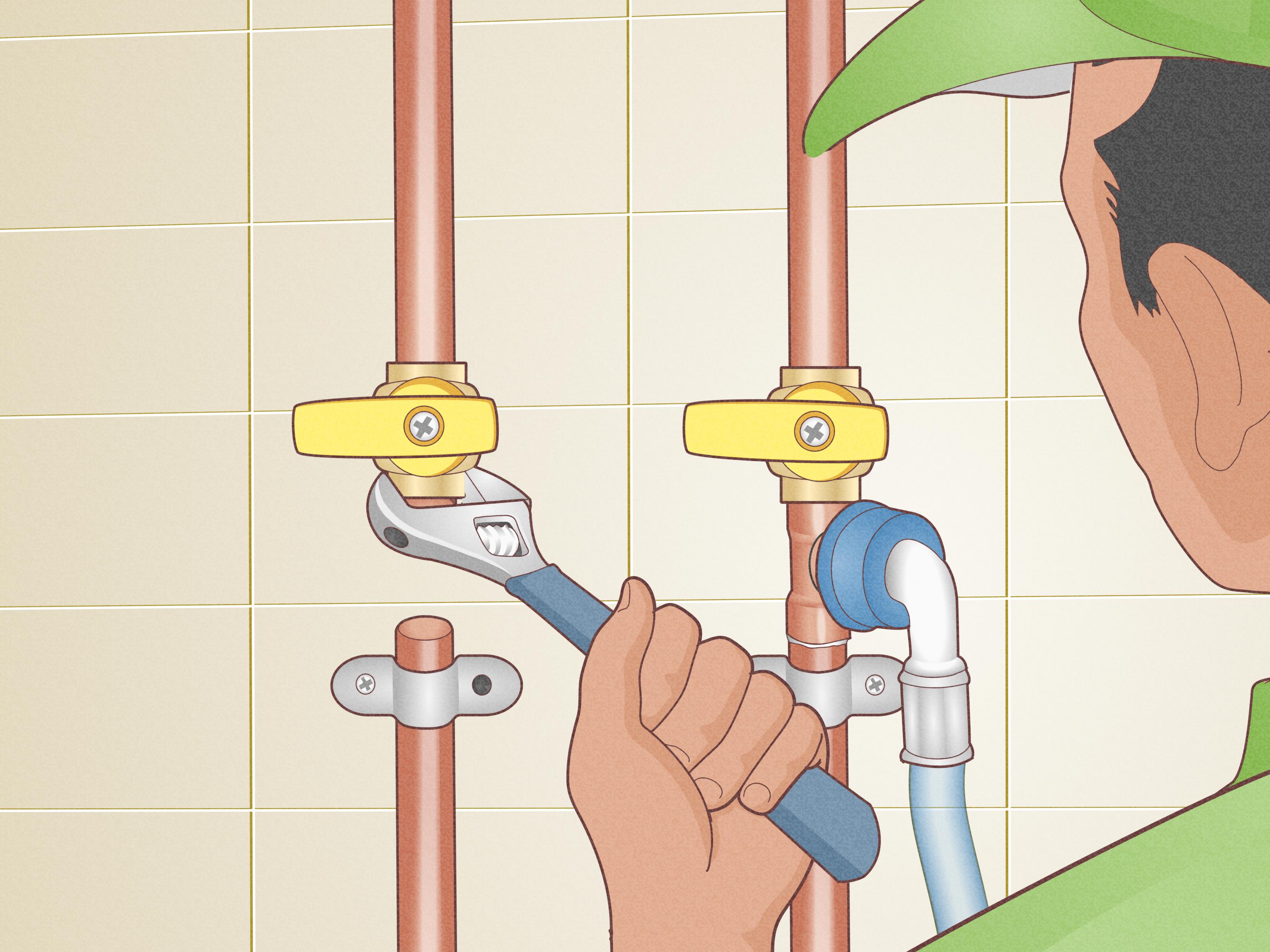
- Adjustable wrench or pliers
- Short garden hose or washing machine hose
- Flathead screwdriver, if your valves require one
- Flashlight
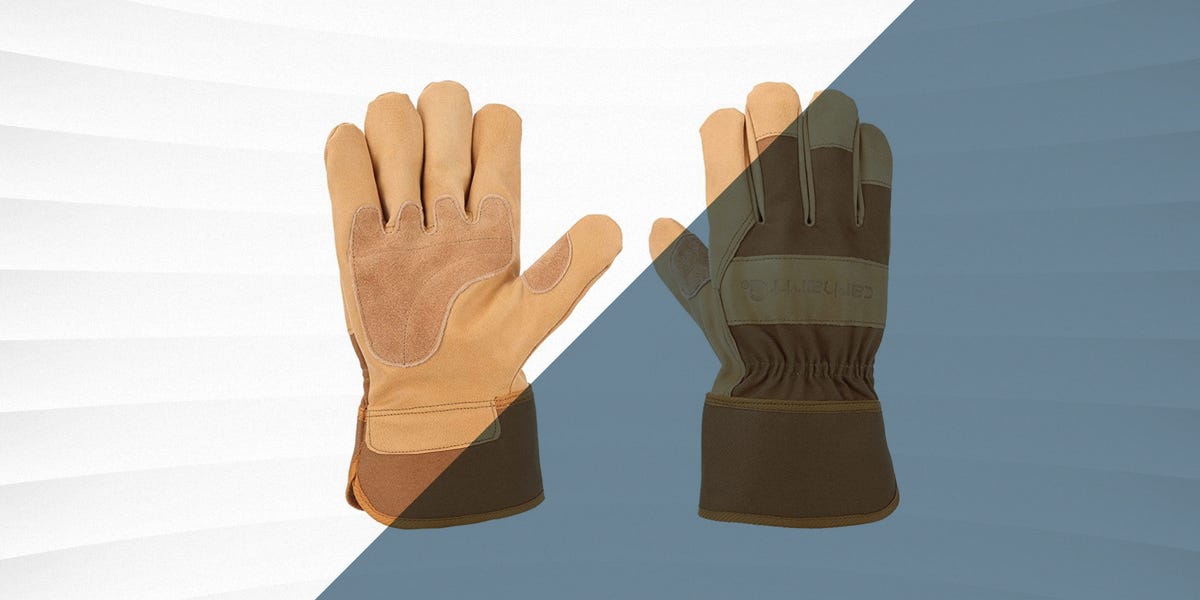
- Work gloves
If your home has a tankless water heater, recirculation loop, hydronic baseboard heating, boiler, or a complicated manifold system, check the owner’s manual before trying DIY methods. Some systems have special purge valves, isolation valves, pumps, or service ports that should be handled in a specific order.
Step-by-Step: How to Remove an Airlock from Your Hot Water System
Start with the least invasive method. Most air pockets after water heater maintenance or water service interruption can be cleared by opening hot faucets and letting the system push air out naturally.
Step 1: Confirm the Problem Is on the Hot Water Side
Turn on the cold water at the affected faucet. If the cold side flows normally but the hot side sputters, trickles, or stops, the problem is likely somewhere in the hot water line, water heater outlet, fixture valve, or mixing component.
Next, test several fixtures. Check the kitchen sink, bathroom sinks, tubs, showers, laundry sink, and any upstairs faucets. If every hot faucet sputters, air may be trapped near the water heater or in the main hot water line. If only one fixture has trouble, the issue may be local to that faucet, shower valve, or branch line.
Step 2: Make Sure All Valves Are Fully Open
Look at the cold water inlet valve on top of or near the water heater. It should be fully open. Also check shutoff valves under sinks and behind access panels. A partially closed valve can create weak flow and make an air problem seem worse.
If the system was recently serviced, a valve may simply have been left half-open. This is the plumbing equivalent of leaving one shoe untied and wondering why the run feels weird.
Step 3: Open Hot Water Faucets Throughout the House
Open several hot water faucets, starting with the lowest fixtures in the home and working toward higher fixtures. In many homes, that means beginning with a basement laundry sink or first-floor faucet, then moving upstairs. If you do not have multiple floors, open the fixture closest to the water heater first, then open the others.
Let the faucets run. You may hear sputtering, coughing, bubbling, or short bursts of air. That is normal during purging. The goal is to create steady flow through the hot water pipes so the trapped air has a path out.
Step 4: Let the Water Run Until the Flow Is Steady
Allow the hot water to run for several minutes. Watch each faucet. Once the water changes from spurting and spitting to a smooth, continuous stream, the air is likely clearing.
If the water heater was recently filled, this step is especially important. When a tank water heater refills, air must escape through open hot water faucets. Closing the faucets too early can leave air trapped in the system.
Step 5: Close Faucets in Order
Once all fixtures flow steadily, close them one at a time. Start with the lowest faucet and move toward the highest, or close them in the same order you opened them. Avoid slamming handles shut. Sudden closure can cause pressure shock, pipe noise, or water hammer.
Step 6: Test the Affected Fixture Again
Return to the original problem faucet or shower. Turn on the hot side and let it run. If the water now flows smoothly, congratulations: you have removed the airlock, and your pipes can stop auditioning for a percussion ensemble.
How to Clear a Stubborn Hot Water Airlock with a Hose
If opening the hot taps does not work, a hose method may help in some plumbing setups. This approach uses cold water pressure to push air backward through the hot water line and break the blockage. It is commonly used where a hot tap has little or no flow but a nearby cold tap has strong pressure.
Use this method carefully. Do not use it if you are unsure about your plumbing, if your faucets cannot be connected securely, if you have backflow-prevention concerns, or if local plumbing rules prohibit cross-connecting hot and cold supplies. When in doubt, call a plumber.
Hose Method Instructions
- Choose a sink or laundry area with separate hot and cold taps, if available.
- Connect a short hose tightly between the hot tap and cold tap.
- Open the hot tap first.
- Slowly open the cold tap for 20 to 60 seconds.
- Allow the cold water pressure to push back through the hot side.
- Close the cold tap first, then close the hot tap.
- Remove the hose carefully and keep a towel nearby.
- Run the hot tap for a few minutes to confirm the flow is steady.
If the airlock remains after one or two attempts, stop. Repeated pressure forcing can create leaks, disturb old valves, or reveal weak fittings. Old plumbing has a way of saying “surprise” at the worst possible moment.
Removing Air After Draining or Flushing a Water Heater
Airlocks often appear after draining or flushing a tank water heater. When the tank is emptied, air enters the system. When the tank is refilled, that air must be vented through open hot water faucets before the heater is returned to normal operation.
Safe Refill Procedure
- Make sure the water heater drain valve is closed.
- Open several hot water faucets in the home.
- Open the cold water supply valve to the water heater.
- Let the tank fill while air escapes through the open hot faucets.
- Wait until each faucet produces a steady stream of water.
- Close the faucets.
- Check around the heater for leaks.
- Restore power or gas only after confirming the tank is full.
This last point matters. Electric heating elements can burn out quickly if energized in an empty or partially filled tank. In plain English: water first, power second.
What About Tankless Water Heaters?
Tankless water heaters can also experience air in the lines, especially after installation, maintenance, descaling, filter cleaning, or plumbing repairs. Many tankless units require air to be purged by opening hot water fixtures until the flow is smooth before the unit operates normally.
Because tankless systems vary by brand and model, use the manufacturer’s manual as your primary guide. Some units have isolation valves and service ports for flushing. If your tankless heater displays an error code, fails to ignite, or shuts down during flow, do not assume it is only an airlock. It may involve water flow sensors, filters, gas supply, venting, or electrical controls.
Airlock vs. Hydronic Heating Air Problem
A domestic hot water system supplies faucets, showers, tubs, and appliances. A hydronic heating system, on the other hand, circulates hot water through radiators, baseboard heaters, or radiant floor loops. Both can trap air, but they are not fixed the same way.
If your issue is with baseboard heat, radiators, or a boiler loop, you may need to bleed radiators or purge heating zones through dedicated valves. That process can involve pressure gauges, boiler fill valves, circulator pumps, and expansion tanks. If you are not familiar with hydronic systems, hire a heating professional. Domestic hot water troubleshooting and boiler-loop purging are cousins, not twins.
Preventing Future Airlocks
Once you remove an airlock, the goal is to keep it from returning. Some causes are one-time events, such as a water heater replacement. Others signal an ongoing issue.
Good Maintenance Habits
- Open hot faucets while refilling a drained water heater.
- Flush the water heater according to the manufacturer’s recommendations.
- Keep shutoff valves fully open during normal operation.
- Check aerators and showerheads for mineral buildup.
- Insulate vulnerable pipes in cold areas.
- Repair leaks promptly, especially on suction or supply lines.
- Have old pressure-reducing valves, check valves, and mixing valves inspected if pressure problems continue.
In hard-water areas, mineral buildup can narrow passages and make air-related symptoms worse. Cleaning faucet aerators and showerheads is a simple yearly task. Remove the aerator, soak it in white vinegar, rinse it, and reinstall it. It is not glamorous, but neither is brushing your teeth, and both prevent unpleasant surprises.
When to Call a Plumber
Some hot water air problems are easy. Others are warning signs. Call a licensed plumber if the hot water line remains blocked after basic purging, if the problem returns repeatedly, if you see leaks, if the water heater makes loud popping or banging sounds, or if you suspect a failed valve, broken dip tube, clogged pipe, or recirculation pump issue.
You should also call a professional if your home has old galvanized piping, a complex tankless setup, a boiler-fed indirect water heater, a solar water heating system, or a hot water recirculation loop. These systems can be efficient and reliable, but they are not always DIY-friendly.
Real-World Examples
Example 1: Air After Water Heater Replacement
A homeowner replaces a tank water heater. The next morning, the upstairs bathroom sink sputters and the shower runs weakly. The cold water is fine. The likely cause is trapped air from refilling the tank and hot water lines. Opening all hot faucets for several minutes until the flow turns steady usually clears the issue.
Example 2: One Shower Has No Hot Water Flow
If every hot faucet works except one shower, the issue may not be an airlock. The shower cartridge, anti-scald valve, or balancing spool may be stuck or clogged. In that case, whole-house purging may do nothing because the blockage is inside the fixture valve.
Example 3: Hot Water Sputters After Vacation
After a long trip, a homeowner turns on the hot water and notices sputtering. Running the hot water at the kitchen sink and bathroom fixtures may purge air and refresh stagnant water in the lines. If the system has been unused for a long period, flush hot water carefully and avoid open flames near a faucet if the water heater manual warns about hydrogen gas after extended non-use.
Common Mistakes to Avoid
Do not start by disassembling the water heater. Do not poke relief valves repeatedly for fun. Do not turn the power back on before the tank is full. Do not ignore a gas smell. Do not assume that every noisy pipe is an airlock. And please, do not use excessive force on old valves unless you enjoy emergency hardware store runs while wearing wet socks.
The best approach is calm and sequential: check valves, open hot faucets, purge air, test the fixture, then escalate only if needed.
Experience-Based Tips: What Homeowners Usually Learn the Hard Way
The first experience many homeowners have with a hot water airlock happens right after a “simple” maintenance job. Someone drains the water heater, replaces a valve, turns the water back on, and assumes the system is ready. Then the upstairs shower coughs like it swallowed a kazoo. The lesson is simple: whenever the hot water system has been drained, open hot faucets before and during refilling. Those open faucets are escape doors for trapped air.
Another practical lesson is that the highest fixture often tells the truth. Air naturally collects at high points, so upstairs bathrooms may sputter longer than downstairs sinks. If the kitchen faucet runs smoothly but the second-floor shower still spits, keep purging. Give the system enough time to move air through long pipe runs. A few minutes of steady flow can save an unnecessary service call.
Homeowners also discover that “hot water problem” does not always mean “water heater problem.” A clogged faucet aerator can mimic low pressure. A shower cartridge can block hot flow. A partially closed shutoff valve can make the hot side look weak. Before blaming the water heater, remove and clean the aerator, compare multiple fixtures, and check whether cold water pressure is normal.
The hose method can be helpful, but it should be treated like a backup plan, not a party trick. It works best when there is a clear, isolated airlock in a hot line and strong cold pressure nearby. It is not ideal for every modern plumbing system, especially those with check valves, mixing valves, pressure controls, or backflow devices. If the connection leaks, the hose bulges, or the pipes knock violently, stop immediately.
One of the biggest lessons is patience. Air can leave in bursts. At first, the faucet may spit, then flow, then spit again. That does not always mean the method failed. Let the hot taps run until the stream is stable. Listen for the difference between occasional air leaving the line and ongoing mechanical noise. Smooth water flow is the goal.
Finally, experience teaches respect for old plumbing. Older valves may not reopen fully after being turned. Old galvanized pipes may contain rust and mineral buildup. A water heater near the end of its life may reveal leaks after pressure changes. If your plumbing looks older than your favorite classic rock playlist, move gently and call a plumber sooner rather than later.
Conclusion
Removing an airlock from your hot water system usually starts with a simple purge: open hot water faucets, let the air escape, wait for a steady stream, and close the fixtures carefully. If that does not work, a cautious hose method may clear a stubborn blockage in some homes. The key is to diagnose before you dismantle, protect yourself from hot water and pressure, and know when the problem is beyond a basic DIY fix.
A hot water system should deliver steady, reliable flow without sputtering, gurgling, or dramatic pipe noises. When it does not, trapped air may be the culpritbut valves, sediment, fixture cartridges, and water heater issues can play the villain too. Work step by step, stay safe, and do not hesitate to call a licensed plumber if the airlock keeps returning or the system shows signs of leaks, pressure trouble, or equipment failure.