Note: This article is for educational purposes only. Milia under the eyes are usually harmless, but any new, changing, painful, bleeding, or vision-related bump near the eye should be checked by a qualified healthcare professional.
Milia under eyes are those tiny white or pearly bumps that show up uninvited, usually right when your skin is finally behaving. They look a little like whiteheads, but they are not acne. They do not pop like pimples, they do not contain pus, and they have absolutely no respect for your concealer budget.
In simple terms, milia are small cysts filled with keratin, a protein found naturally in the skin. They form when dead skin cells become trapped beneath the surface instead of shedding normally. Around the eyes, where the skin is thinner and more delicate, these bumps can be especially noticeable. The good news: milia are typically benign, painless, and not contagious. The less glamorous news: they can be stubborn.
This guide explains what causes milia under the eyes, how dermatologists diagnose them, which treatments actually work, what to avoid, and how to care for the eye area without turning your bathroom shelf into a chemistry lab.
What are milia under eyes?
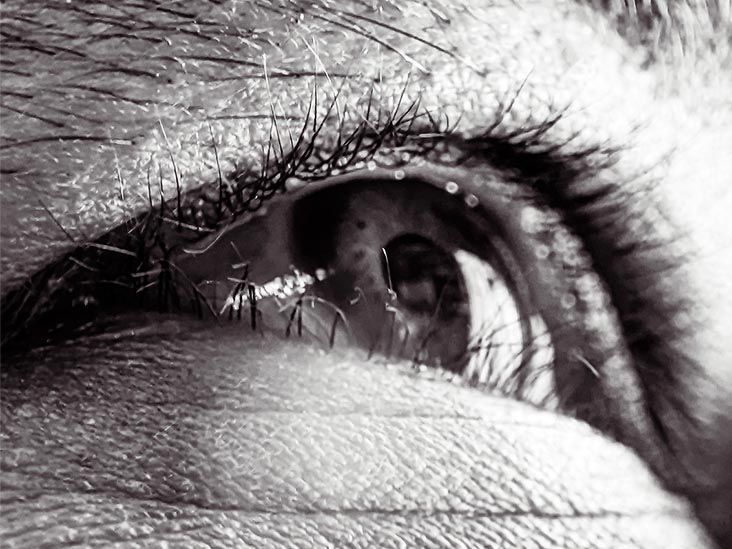
Milia under eyes are small, firm, dome-shaped bumps that usually appear white, yellowish, or skin-colored. A single bump is called a milium; multiple bumps are called milia. They often appear beneath the lower eyelids, along the cheekbones, near the inner corners of the eyes, or on the upper eyelids.
Unlike acne, milia do not form because of clogged pores filled with oil and bacteria. Instead, they form when keratin gets trapped in a tiny pocket under the skin. That is why squeezing them usually fails. Trying to force them out is like trying to remove a pebble through a sealed sandwich bag: dramatic, uncomfortable, and not likely to end well.
Common symptoms of under-eye milia
Milia are usually easy to recognize because they have a distinctive appearance. Common signs include:
- Small white, pearly, or yellowish bumps under or around the eyes
- Firm texture when touched
- No redness, swelling, or pain in most cases
- Bumps that stay the same size for weeks or months
- No opening at the surface, unlike many blackheads or whiteheads
Milia are generally not itchy or tender. If a bump near your eye becomes painful, red, warm, swollen, crusty, or affects your vision, it may not be milia. A stye, chalazion, infection, allergic reaction, or another eyelid condition may be involved.
What causes milia under eyes?
Milia can appear for several reasons. Sometimes there is no obvious cause, which is skincare’s way of keeping everyone humble. However, certain triggers are commonly associated with under-eye milia.
1. Trapped dead skin cells
The most basic cause of milia is trapped keratin. Normally, the skin sheds dead cells naturally. When this process slows down or becomes disrupted, dead skin cells may become enclosed beneath the surface and form tiny cysts. Because the under-eye area has thinner skin and fewer oil glands than other parts of the face, texture changes can stand out more clearly there.
2. Heavy creams and occlusive products
Rich eye creams, thick ointments, heavy facial oils, and greasy makeup removers may contribute to milia in some people. These products do not “cause” milia for everyone, but they can create an environment where dead skin cells have a harder time shedding normally. If your under-eye milia appeared after you added a buttery eye cream that feels luxurious enough to moisturize a leather sofa, your product may be worth reconsidering.
3. Sun damage
Long-term sun exposure can thicken and roughen the outer layer of skin, making normal shedding less efficient. Around the eyes, this matters because people often forget sunscreen in that area or avoid it because formulas sting. Over time, sun-damaged skin may be more prone to rough texture, clogged-looking bumps, and uneven tone.
4. Skin trauma or irritation
Milia can develop after skin injury or inflammation. Burns, rashes, aggressive exfoliation, cosmetic procedures, blistering conditions, or repeated rubbing may disturb the skin’s normal repair process. Around the eyes, trauma can be as simple as rubbing makeup off too hard every night or using a harsh active ingredient too close to the lash line.
5. Long-term topical steroid use
Topical corticosteroids can be useful when prescribed for inflammatory skin conditions, but long-term or improper use may thin the skin and contribute to texture changes. Steroid creams should be used around the eyes only under professional guidance, because the eyelid area is delicate and close to the eye itself.
6. Genetics and skin type
Some people are simply more prone to milia. If you have had them since childhood, or if family members also get them, your skin may naturally form these tiny keratin cysts more easily. Dry skin, slow cell turnover, and sensitive skin can also play a role.
7. Certain skin conditions
Secondary milia may appear after blistering disorders, inflammatory skin diseases, or other conditions that damage the skin surface. Rare types, such as milia en plaque, involve clusters of milia on a raised patch of skin and should be evaluated by a dermatologist.
Milia under eyes vs. whiteheads, styes, and other bumps
One reason under-eye milia are confusing is that several skin and eyelid conditions can look similar. Correct diagnosis matters because the wrong treatment can irritate the eye area or delay proper care.
Milia vs. whiteheads
Whiteheads are a type of acne caused by clogged pores containing oil, dead skin cells, and sometimes bacteria. They may respond to acne treatments such as benzoyl peroxide or salicylic acid. Milia, however, are keratin-filled cysts under the skin. They usually do not respond well to typical acne spot treatments.
Milia vs. styes
A stye is a painful, red bump caused by infection or inflammation near an eyelash follicle or oil gland. It may feel tender and swollen. Milia are usually painless, firm, and not inflamed. If the bump hurts, looks infected, or sits right on the eyelid margin, treat it as something other than milia until a professional says otherwise.
Milia vs. chalazion
A chalazion is a blocked oil gland in the eyelid. It may form a larger lump than milia and can sometimes press on the eye. Warm compresses may help a chalazion, but they usually do not remove true milia.
Milia vs. syringomas
Syringomas are benign growths related to sweat ducts. They often appear as small flesh-colored bumps under the eyes and may be mistaken for milia. Unlike milia, syringomas are not keratin cysts, so extraction is not the same solution.
Milia vs. xanthelasma
Xanthelasma appears as yellowish, soft plaques around the eyelids and may be associated with cholesterol issues in some people. It is flatter and broader than typical milia. A healthcare provider can help distinguish between the two.
How are milia under eyes diagnosed?
Most milia are diagnosed through a visual skin exam. A dermatologist, primary care provider, or eye specialist can usually identify them by their size, color, firmness, location, and lack of inflammation. Testing is rarely needed.
In unusual cases, a provider may perform a biopsy or examine the area more closely if the bump has an atypical appearance. This is more likely when bumps are persistent, widespread, changing, bleeding, unusually colored, or located directly on the eyelid margin.
You should seek medical evaluation if:
- The bump is painful, red, swollen, or draining
- It grows quickly or changes color
- It bleeds, crusts, or does not heal
- It affects vision or eye movement
- It keeps returning in the same spot
- You are unsure whether it is milia
Do milia under eyes go away on their own?
Yes, milia can go away without treatment, especially in babies. In adults, the timeline is less predictable. Some under-eye milia disappear within a few weeks or months, while others stay put like tiny ceramic beads with a long-term lease.
Whether milia clear naturally depends on the type of milia, the condition of the surrounding skin, your skincare routine, and whether there is ongoing irritation or product buildup. If milia are not bothering you, observation is perfectly reasonable. If they are cosmetically frustrating or persistent, professional treatment can help.
Safe treatment options for milia under eyes
The best treatment depends on the number of bumps, their location, your skin tone, your sensitivity level, and whether the lesions are truly milia. Because the under-eye area is delicate, caution is not optional. This is not the place for “I saw it on a forum at 2 a.m.” bravery.
1. Professional extraction
Professional extraction is one of the most effective treatments for stubborn milia. A dermatologist or trained medical professional uses a sterile instrument to create a tiny opening in the skin and remove the keratin plug. This is sometimes called deroofing.
Extraction should not be attempted at home, especially near the eyes. The risks include infection, scarring, bruising, irritation, and accidental eye injury. Under-eye skin is thin, and one enthusiastic bathroom-mirror surgery session can create a bigger problem than the original bump.
2. Topical retinoids
Topical retinoids, such as adapalene or prescription tretinoin, may help improve cell turnover and reduce the formation of new milia. They are more useful for prevention and gradual improvement than instant removal.
However, retinoids can irritate the under-eye area and may worsen dryness, burning, peeling, or sensitivity. They should not be applied too close to the lash line or inside the eye. People with sensitive skin, eczema, rosacea, dry eye symptoms, or darker skin tones prone to post-inflammatory hyperpigmentation should be especially careful and ask a dermatologist for guidance.
3. Gentle exfoliation
Mild exfoliation may help prevent dead skin buildup, but under-eye exfoliation must be conservative. Harsh scrubs, strong acids, and frequent peeling products can damage the skin barrier. A gentle chemical exfoliant used away from the lash line may help some people, but stronger treatments should be handled by professionals.
If your skin stings, flakes, turns red, or feels tight after using an exfoliant, your skin is not “purging.” It is filing a complaint.
4. Chemical peels
Dermatologists may use chemical peels for more extensive milia or rough texture. These treatments remove outer layers of skin and encourage smoother renewal. Because the eye area is sensitive, professional application is important. At-home peels should never be used close to the eyes unless specifically designed and directed for that area.
5. Laser treatment
Laser treatment may be used for selected cases, particularly when milia are numerous or resistant to simpler options. A dermatologist can target the lesion while minimizing damage to surrounding skin. Laser treatment may not be necessary for a few tiny bumps, but it can be helpful in more complex cases.
6. Cryotherapy
Cryotherapy freezes lesions with liquid nitrogen. It may be used for some milia, but it must be done carefully around the eyes. This option is less common for simple under-eye milia because of the sensitivity of the area and the risk of pigment changes.
7. Treatment for rare forms
Milia en plaque, a rare form involving clusters of milia on an inflamed plaque, may require medical treatment such as prescription medication. This is not the typical single under-eye bump and should be managed by a dermatologist.
What not to do with milia under eyes
When people discover milia, the first instinct is often to squeeze. Please do not. Milia are not pimples, and they do not have a pore opening that allows the contents to escape easily. Squeezing can injure the skin without removing the cyst.
Avoid these under-eye mistakes:
- Do not pop, squeeze, cut, or dig at milia
- Do not use sewing needles, tweezers, or comedone tools at home
- Do not apply strong acne treatments directly under the eyes
- Do not scrub the area with rough exfoliants
- Do not apply essential oils near the eyes
- Do not use prescription steroid creams around the eyes unless directed
- Do not assume every eyelid bump is harmless milia
At-home skincare tips to help prevent under-eye milia
At-home care will not always remove existing milia, but it can reduce irritation and help prevent new bumps from forming.
Use a gentle cleanser
Wash your face with a mild, non-abrasive cleanser. Avoid harsh foaming cleansers that leave your skin feeling squeaky-clean, because “squeaky” often means stripped. Pat the skin dry instead of rubbing.
Choose lightweight eye products
If you are prone to milia, consider switching from heavy balms or thick eye creams to lighter gels, lotions, or non-comedogenic moisturizers. Apply only a small amount. The under-eye area does not need frosting like a cupcake.
Remove makeup gently
Use a gentle makeup remover and avoid tugging. Waterproof mascara and long-wear concealer may require more effort to remove, so choose formulas that come off without a wrestling match.
Wear sunscreen
Daily sun protection helps support healthier skin texture and reduces sun-related thickening and damage. Use a broad-spectrum sunscreen that does not sting your eyes. Mineral sunscreens with zinc oxide or titanium dioxide may be better tolerated by some people, although everyone’s skin is different.
Introduce active ingredients slowly
If you use retinoids, exfoliating acids, or vitamin C, introduce them gradually and keep them away from the lash line unless a professional instructs otherwise. More product does not mean faster results. Around the eyes, more product often means more irritation.
Can makeup make milia worse?
Makeup does not automatically cause milia, but heavy concealers, thick primers, oily removers, and poor cleansing habits may contribute to buildup in people who are prone to them. If milia appear after starting a new concealer or eye cream, stop the product for a few weeks and see whether new bumps slow down.
Look for lightweight, non-comedogenic formulas. Also pay attention to how much product you use. A tiny dot of eye cream or concealer is often enough. Applying six layers to “smooth texture” can backfire by creating more texture to smooth later. Skin has a sense of humor, but unfortunately, it is dry humor.
When should you see a dermatologist?
See a dermatologist if under-eye milia are persistent, spreading, recurring, cosmetically distressing, or difficult to identify. A professional can confirm the diagnosis and recommend treatment that matches your skin type and eye-area safety needs.
You should seek prompt care if a bump near your eye becomes painful, infected-looking, rapidly enlarging, bleeding, crusting, or interferes with vision. Also get checked if you have a history of skin cancer or if the bump looks unusual. Most under-eye bumps are harmless, but the eye area is not the place to guess forever.
How long does treatment take?
Professional extraction can remove individual milia quickly, often during a short office visit. Topical treatments and routine changes take longer. Retinoids and gentle exfoliation may require several weeks or months to show improvement. Prevention is also an ongoing process; if the same triggers continue, new milia may form even after old ones are removed.
For best results, think of milia care as a combination of accurate diagnosis, gentle routine changes, and professional treatment when needed. The goal is not to attack the skin. The goal is to help it shed normally without creating irritation, scars, or a very dramatic relationship with your bathroom mirror.
Practical routine for milia-prone under-eye skin
A simple routine is often better than a complicated one. Here is a basic example for adults with milia-prone under-eye skin:
Morning
- Cleanse gently or rinse with lukewarm water
- Apply a lightweight moisturizer if needed
- Use broad-spectrum sunscreen suitable for the face and eye area
- Apply makeup sparingly, especially heavy concealer
Evening
- Remove makeup gently and completely
- Cleanse without scrubbing
- Apply a small amount of lightweight moisturizer
- Use dermatologist-approved active ingredients only as directed
If you suspect a product is contributing to milia, simplify your routine for several weeks. Remove one likely trigger at a time instead of changing everything overnight. This makes it easier to identify what your skin dislikes.
Experience notes: What living with under-eye milia often feels like
Many people first notice milia under the eyes during an oddly specific moment: leaning too close to the mirror, sitting in bright car-window sunlight, or applying concealer before an important event. Suddenly, there they aretiny bumps that were apparently holding a staff meeting under your lower lid. The most common reaction is confusion. Are they whiteheads? Dry skin? A rash? Did the eye cream betray you? The answer is often less dramatic: they may simply be milia.
One common experience is the “product detective” phase. Someone may realize the bumps appeared after switching to a richer eye cream, slugging with petroleum jelly too close to the eyes, using a thick sunscreen, or layering concealer over corrector over powder over hope. The under-eye area can tolerate moisture, but some people find that heavy textures make the skin feel congested. In that case, changing to a lighter product may not erase existing milia immediately, but it may reduce the appearance of new ones.
Another experience is impatience. Milia can be small, but they are emotionally loud. Because they look like whiteheads, people often try to squeeze them. Usually, nothing comes out, the skin turns red, and the bump remainsnow with a tiny irritated neighborhood around it. This is the moment many people learn that milia are not acne. The contents are trapped under a layer of skin, so pressure alone is rarely effective. Around the eyes, picking can also leave marks that last longer than the original bump.
People with sensitive skin often describe a frustrating balance. They want to encourage exfoliation, but the under-eye area reacts quickly to strong acids, retinoids, fragrance, and scrubs. A product that works beautifully on the forehead may be too intense under the eyes. For these people, the best routine is usually boring in the best possible way: gentle cleanser, lightweight moisturizer, sunscreen, and professional help for stubborn bumps. Boring skincare rarely goes viral, but it often keeps the peace.
Professional extraction is another common turning point. Many people wait months hoping milia will disappear, then finally see a dermatologist and have individual bumps removed safely. The experience is usually quick, but it should still be done by someone trained, especially near the eyes. It can feel satisfying because the result is more immediate than waiting for a cream to work. Still, extraction does not guarantee that new milia will never form. Prevention depends on routine, skin tendency, sun protection, and avoiding repeated irritation.
The biggest lesson from real-life milia experiences is this: tiny bumps do not always need aggressive treatment. Sometimes they need time. Sometimes they need a lighter eye cream. Sometimes they need a dermatologist with sterile tools and a steady hand. What they almost never need is a late-night extraction attempt with a magnifying mirror and misplaced confidence.
Conclusion
Milia under eyes are small keratin-filled cysts that are usually harmless, painless, and non-contagious. They often appear because dead skin cells become trapped beneath the skin, but heavy products, sun damage, irritation, trauma, steroid misuse, genetics, and certain skin conditions may contribute.
The most important step is correct diagnosis. Milia can resemble whiteheads, styes, chalazia, syringomas, xanthelasma, and other eyelid bumps. If a bump is painful, changing, bleeding, infected-looking, or affecting vision, it deserves medical attention. For true milia, treatment may include watchful waiting, gentle skincare changes, topical retinoids, professional extraction, chemical peels, laser treatment, or other dermatologist-guided options.
At home, keep the under-eye area clean, protected from sun, lightly moisturized, and free from unnecessary product overload. Do not squeeze or cut milia yourself. Your skin barrierand your future selfwill appreciate the restraint.