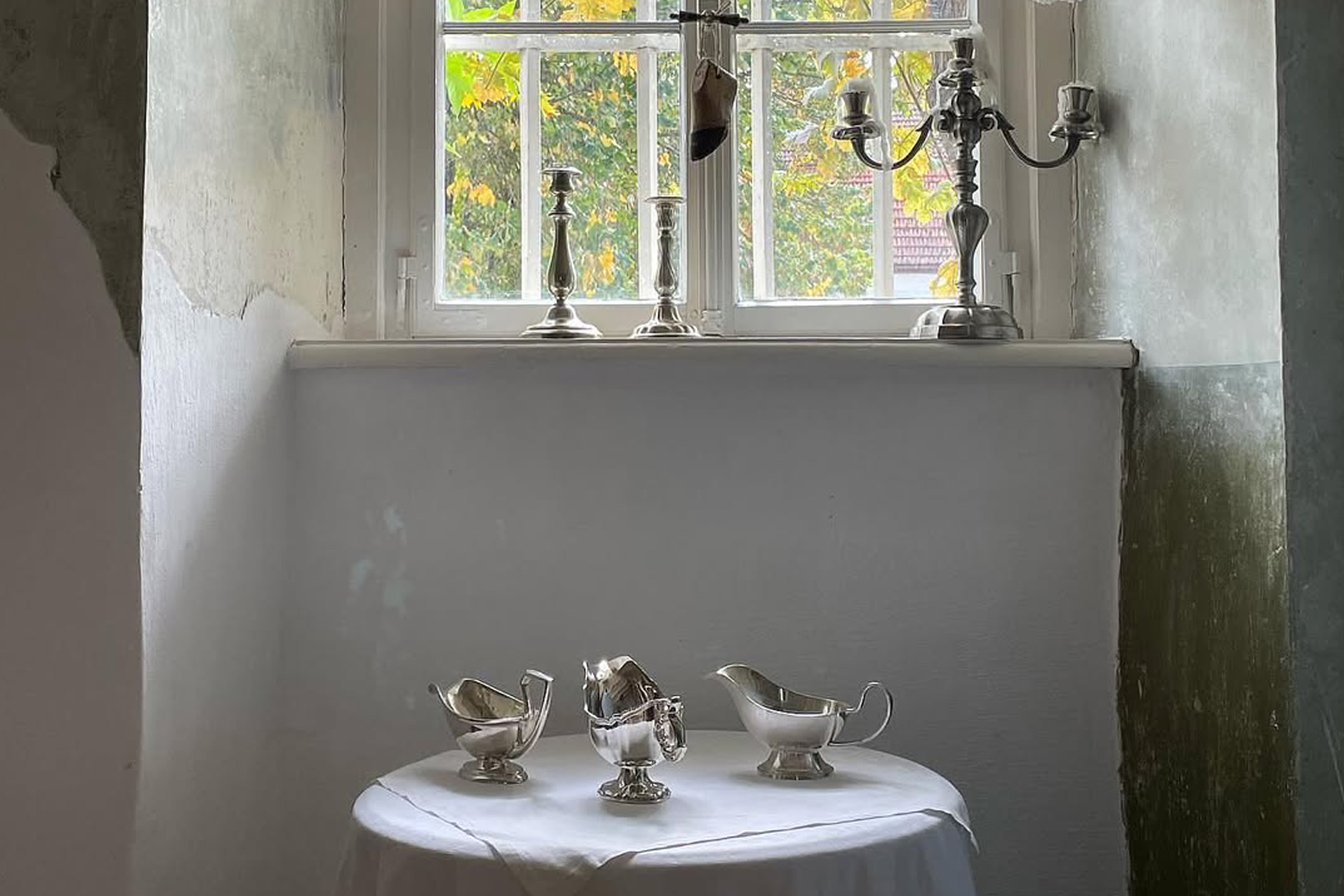
Vintage silver is back, but not in the “do not touch, it belonged to Great-Aunt Mildred” way. The new silver moment is looser, cooler, and much more useful. A silver-plated teapot can sit beside a handmade mug. A scalloped tray can hold perfume, lemons, keys, or a slightly dramatic pile of matchbooks. A toast rack can become a desk organizer. A tarnished platter can hang on the wall like a tiny moon with better manners.
What changed? A new wave of antique dealers, tableware brands, and vintage curators has made silver feel personal again. Instead of presenting it as formal dinner-party armor, they style it with linen, flowers, fruit, ceramics, chrome, stainless steel, and casual everyday clutter. The result is a look that feels old-world and fresh at the same time: romantic, sustainable, collected, and just polished enough.
This guide explores why vintage silver is trending, how five standout antique dealers and brands are redefining it, and how to bring the look into a modern home without making your dining room feel like a museum with soup spoons.
Why Vintage Silver Is Having a Modern Comeback
For years, silver lived in a strange design limbo. Everyone agreed it was beautiful, but many people also thought it was too formal, too high-maintenance, or too tied to traditional entertaining. Meanwhile, gold, brass, matte black, and warm metals dominated interiors. Now the pendulum has swung back toward cooler finishes: chrome, nickel, stainless steel, pewter, and, naturally, vintage silver.
Part of the appeal is visual. Silver catches light without shouting. It adds contrast to wood, stone, linen, plaster, and painted cabinetry. It can look crisp in a minimalist room, romantic in a cottage kitchen, or eccentric in a maximalist apartment. Unlike shiny new decor that sometimes feels copied-and-pasted from a showroom, old silver comes with variation: worn edges, engraving, dents, soft patina, and the occasional mysterious monogram from someone named Beatrice who clearly hosted better lunches than we do.
Another reason is sustainability. Vintage silver already exists. Buying it gives older objects a second life and reduces the need for newly manufactured decorative accessories. That matters to design-minded shoppers who want character, quality, and lower-impact choices. Silver also fits the broader shift toward “collected” interiors, where homes look layered over time rather than ordered in one giant cart at midnight.
Vintage Silver vs. Sterling Silver vs. Silver Plate
Before falling in love with every glimmering tray on the internet, it helps to know the language. Sterling silver generally refers to an alloy containing 92.5 percent silver, often marked “sterling” or “925.” Silver plate, by contrast, is a base metal covered with a thin layer of silver. Both can be beautiful, but they are not the same in value, durability, or resale appeal.
Sterling usually costs more because it contains significant precious metal. Silver-plated pieces are often more affordable and excellent for styling: trays, bowls, dishes, candleholders, napkin rings, and serving pieces. For collectors, hallmarks and maker’s marks matter. These tiny stamps can help identify origin, maker, purity, and sometimes approximate date. For casual decorators, condition and charm may matter more than pedigree. A slightly imperfect silver-plated dish can still make your bathroom soap look like it has a trust fund.
The 5 Antique Dealers and Brands Redefining Vintage Silver
The new silver movement is not about matching twelve-piece sets and perfect symmetry. It is about curation. These five dealers and brands show how silver can be romantic, modern, sculptural, useful, and playful all at once.
1. Out of Use Berlin: Antique Silver With European Drama
Out of Use Berlin, led by Sissi Pohle and Pat Scherzer, brings a highly edited, fashion-aware eye to vintage and antique objects. Their silver selections often lean sculptural and expressive, sourced across European markets and styled with a sense of artful nonchalance. Think fruit cups, trays, spoons, serving pieces, and odd little objects that look like they have already lived several interesting lives.
What makes Out of Use Berlin feel current is the way it removes silver from the overly formal table. Their pieces do not have to wait for a holiday. A silver cup can hold cherries. A tray can sit beneath a lamp. Espresso spoons can appear beside stainless steel, glass, and ceramics. The styling language says: use the good stuff now. Waiting for a perfect occasion is how beautiful objects end up lonely in drawers.
For interiors, this approach works especially well in rooms with clean lines. One ornate silver object on a simple shelf can add tension and history. It is the design equivalent of wearing antique earrings with a white T-shirt: relaxed, but definitely intentional.
2. Neroli: Scandinavian Calm Meets Old-World Shine
Neroli, founded by Cecilie Bjørnskov in Copenhagen, is known for carefully chosen vintage treasures and interior objects. Its vintage silver pieces often sit alongside glassware, ceramics, and expressive tableware, creating a soft Scandinavian mood rather than a stiff formal one.
Neroli’s version of silver feels quiet and usable. A silver-plated teapot, for example, does not need to be part of a grand tea service. It can stand alone as a flower vase, shelf object, or charming breakfast-table piece. That is the key lesson: vintage silver becomes easier to live with when you stop demanding that it perform its original job description.
Styling Neroli-inspired silver is simple. Pair it with oatmeal linen, pale wood, white plates, milky glass, and hand-thrown ceramics. Add one unexpected element, such as a blue bowl or a bunch of wildflowers. The result is warm minimalism with a little sparkle, like hygge after it discovered jewelry.
3. Gohar World and Gohar Old World: Tableware With Humor and Ceremony
Gohar World, founded by sisters Laila and Nadia Gohar, has built a universe around table rituals, craft, tradition, and humor. The brand is known for transforming everyday dining objects into something theatrical but still deeply human. Its vintage counterpart, Gohar Old World, extends that spirit into antique and vintage tableware, including silver platters, egg cups, toast holders, dessert forks, butter curlers, and other charming pieces from the grand theater of eating.
The brilliance of Gohar’s approach is that it treats the table as a stage, but not a snobby one. A silver platter can hold oysters, yes, but it can also hold potato chips. A toast rack can be genuinely useful at brunch or hilariously elegant for mail. A silver egg cup can make a soft-boiled egg feel like it has received a title from the crown.
This is vintage silver for people who enjoy beauty but refuse to be boring about it. Use it to create contrast: caviar and fries, linen and paper napkins, antique silver and supermarket flowers. The mix makes the object feel alive rather than precious.
4. Notre Nom: Copenhagen Vintage With Everyday Charm
Notre Nom, based in Vesterbro, Copenhagen, specializes in vintage tableware, garments, children’s goods, and home objects. Its silver finds often include plates, flatware, trays, candleholders, and decorative pieces that rotate throughout the year.
Notre Nom’s appeal lies in its approachable sense of discovery. The pieces feel like things you could actually use, not just admire through glass. A candelabra can sit on a kitchen table on a Tuesday. A small silver dish can hold flaky salt. A platter can become a landing pad for keys near the front door. This is the softer side of the silver trend: practical, intimate, and slightly nostalgic.
For home styling, Notre Nom’s look pairs well with vintage textiles, painted furniture, simple florals, and collected ceramics. It is not about perfection. It is about rhythm: a little shine, a little softness, a little age, and enough usefulness to keep the whole thing from becoming decorative theater.
5. Treasure Studio CPH: Rarity, Patina, and the Joy of the Hunt
Treasure Studio CPH, founded by Lotte Sindahl, focuses on distinctive silver rarities and one-of-a-kind finds. Pieces such as shaped bowls, unusual candleholders, engraved boxes, and delicate spoons show why collectors are drawn to old silver in the first place: every object carries evidence of touch, time, and craftsmanship.
This dealer’s perspective highlights one of the most important parts of vintage silver: patina. Not every piece needs to be polished to a mirror shine. Tarnish, tiny dents, and worn details can add depth. Of course, heavy black tarnish may need cleaning, but a little age gives silver its soul. Otherwise, it risks looking like it just walked out of a hotel lobby and asked for the manager.
Treasure Studio CPH’s style is ideal for collectors who enjoy story-rich objects. Instead of buying a matching set, look for singular pieces: a clam-shaped sugar bowl, a small engraved box, a tiny tray, or an odd spoon with a beautiful handle. These pieces become conversation starters because they do not look mass-produced.
How to Style Vintage Silver in a Modern Home
The easiest way to make vintage silver feel current is to use it casually. Do not save it only for Thanksgiving, weddings, or the day someone finally uses all the salad forks correctly. Place it where life happens.
Use Silver Trays as Everyday Organizers
A silver tray is one of the most versatile decor pieces you can buy. Use one on a bathroom counter for perfume, soap, and a small vase. Put one near the stove for olive oil and salt. Use one on a coffee table for candles, matches, and coasters. The tray instantly creates order, even when the objects on it are basically fancy clutter.
Mix Silver With Other Metals
One outdated rule says metal finishes must match. Modern interiors disagree. Silver can sit beautifully with brass, bronze, blackened steel, chrome, and pewter. The trick is repetition. If you use one silver piece, add another small silver accent somewhere else so it looks intentional. Mixed metals create depth; matching everything creates a hotel conference room.
Hang Silver Platters as Wall Decor
Thrifted silver platters make excellent wall decor, especially when grouped in different sizes and finishes. A mix of polished and tarnished surfaces creates texture. This works in dining rooms, kitchens, entryways, and even powder rooms. It is a fresh alternative to framed prints and a clever way to display pieces that may not be food-safe or frequently used.
Let Silver Touch the Table Without Taking Over
You do not need a full silver service. Start with one or two pieces: a small footed bowl, dessert forks, napkin rings, a butter dish, or a serving spoon. Pair them with relaxed table elements like linen napkins, mismatched plates, and seasonal fruit. The balance keeps the look elegant but not uptight.
How to Shop for Vintage Silver Without Getting Overwhelmed
Vintage silver shopping can feel intimidating because there are marks, makers, periods, patterns, prices, and condition issues. Start with purpose. Do you want decorative pieces, usable tableware, or collectible sterling? Your answer changes where you shop and what you prioritize.
For decorative styling, silver plate is often the smartest entry point. It is usually less expensive and widely available at thrift stores, flea markets, estate sales, and online vintage shops. Look for appealing shape, solid construction, and good surface condition. Small scratches are normal. Deep corrosion, flaking plate, or strong pitting may be harder to fix.
For sterling, learn basic markings and compare prices carefully. Maker, weight, pattern, age, condition, and completeness can all affect value. Well-known patterns and respected makers may command higher prices, especially when pieces are in good condition. When in doubt, buy from dealers who describe materials honestly and provide clear photographs of marks.
Care Tips: Polish, Store, and Use Your Silver
Silver care is less terrifying than its reputation. Use a quality silver polish or polishing cloth when needed, and avoid harsh scrubbing. Wash by hand with mild soap, dry completely, and store pieces in a dry place. For flatware, frequent gentle use can actually help keep tarnish down. For decorative pieces, occasional polishing is enough unless you prefer a brighter look.
Do not put antique silver or silver plate in the dishwasher. The heat, detergent, and moisture can damage finishes, loosen handles, or worsen wear. Also avoid using silver with highly acidic foods for long periods. Lemon, vinegar, and some salty foods can be tough on surfaces. Serve, enjoy, clean gently, and move on with your life like a person who owns nice things but does not let them run the household.
What This Trend Says About Modern Taste
The return of vintage silver is not just about shiny objects. It reflects a broader shift in how people want their homes to feel. After years of fast decor and identical interiors, shoppers are craving pieces with evidence of human hands and history. Silver has both. It can be grand, humble, ornate, minimal, practical, or whimsical depending on how it is used.
These five antique dealers and brands are redefining silver by removing the old pressure around it. They show that silver does not need a formal dining room, a full set, or a special occasion. It can be part of daily life. It can hold fruit, flowers, keys, candles, soap, or snacks. It can be polished or tarnished, matched or mismatched, serious or funny.
In other words, vintage silver is no longer waiting for permission. It has left the cabinet, found the good lighting, and started flirting with the ceramics.
500-Word Experience Section: Living With Vintage Silver in Real Life
The most surprising thing about vintage silver is how quickly it becomes normal once you actually use it. At first, a silver tray on the kitchen counter feels almost too elegant, like it might object to the toaster crumbs. But after a few days, it becomes part of the routine. The olive oil bottle sits on it. The salt cellar joins. A spoon appears. Suddenly the counter looks styled, even though nothing about your cooking has become more sophisticated. You are still eating toast over the sink; the toast just has better surroundings.
One practical experience worth noting is that small silver pieces are often more useful than large ones. A giant platter is beautiful, but it may spend most of its life looking for a purpose. A small dish, on the other hand, can work anywhere. Use it for rings by the sink, paper clips on a desk, lemons on a bar cart, or tea bags beside the kettle. The smaller the piece, the easier it is to move around and experiment with.
Another lesson: patina is personal. Some people love a mirror shine. Others prefer the smoky look of age. Both are valid. The best approach is to polish selectively. Brighten the high points and leave a little darkness in the details. That contrast makes engraving and decorative edges more visible. Over-polishing can remove character, especially on plated pieces, so restraint is your friend. Think glow-up, not identity crisis.
Vintage silver also teaches you to shop with your hands and eyes, not just with trend instincts. Weight matters. A piece that feels sturdy is usually more satisfying to use. Edges matter too; avoid anything sharp, peeling, or unstable. If you are buying online, zoom in on photos and check for dents, worn plating, loose feet, and visible marks. If the seller says “silver tone” instead of silver plate or sterling, assume it is decorative metal unless proven otherwise.
Styling silver with modern pieces is easier than expected. A silver bowl looks great with oranges, figs, or even wrapped candy. A vintage tray can make a plain candle feel special. A toast rack can organize letters or linen napkins. A footed dish can elevate a bar of soap in a powder room. The magic is not in using every piece traditionally; it is in letting the object solve a modern problem while keeping its old charm.
Finally, vintage silver makes hosting feel more generous without requiring perfection. You can serve store-bought cookies on a silver tray and people will still comment. You can put chips in a footed bowl and suddenly it feels intentional. That is the real beauty of the trend: it adds ceremony to ordinary moments. It reminds us that daily life deserves a little shine, even when dinner is takeout and the flowers came from the grocery store.
Conclusion
Vintage silver has returned because it offers what many modern interiors are missing: history, reflection, texture, and personality. Dealers and brands like Out of Use Berlin, Neroli, Gohar World, Notre Nom, and Treasure Studio CPH are making silver feel alive again by styling it beyond formal dining. Their work proves that antique and vintage silver can be sustainable, useful, expressive, and surprisingly funny.
Whether you start with a thrifted tray, a silver-plated teapot, a pair of dessert forks, or a sculptural bowl, the point is not to build a perfect collection overnight. The point is to choose pieces that invite use. Let them hold fruit. Let them catch keys. Let them glow under candlelight. Let them bring a little ceremony to a Tuesday. Vintage silver is not just back; it has been redefined for homes that value character over perfection.