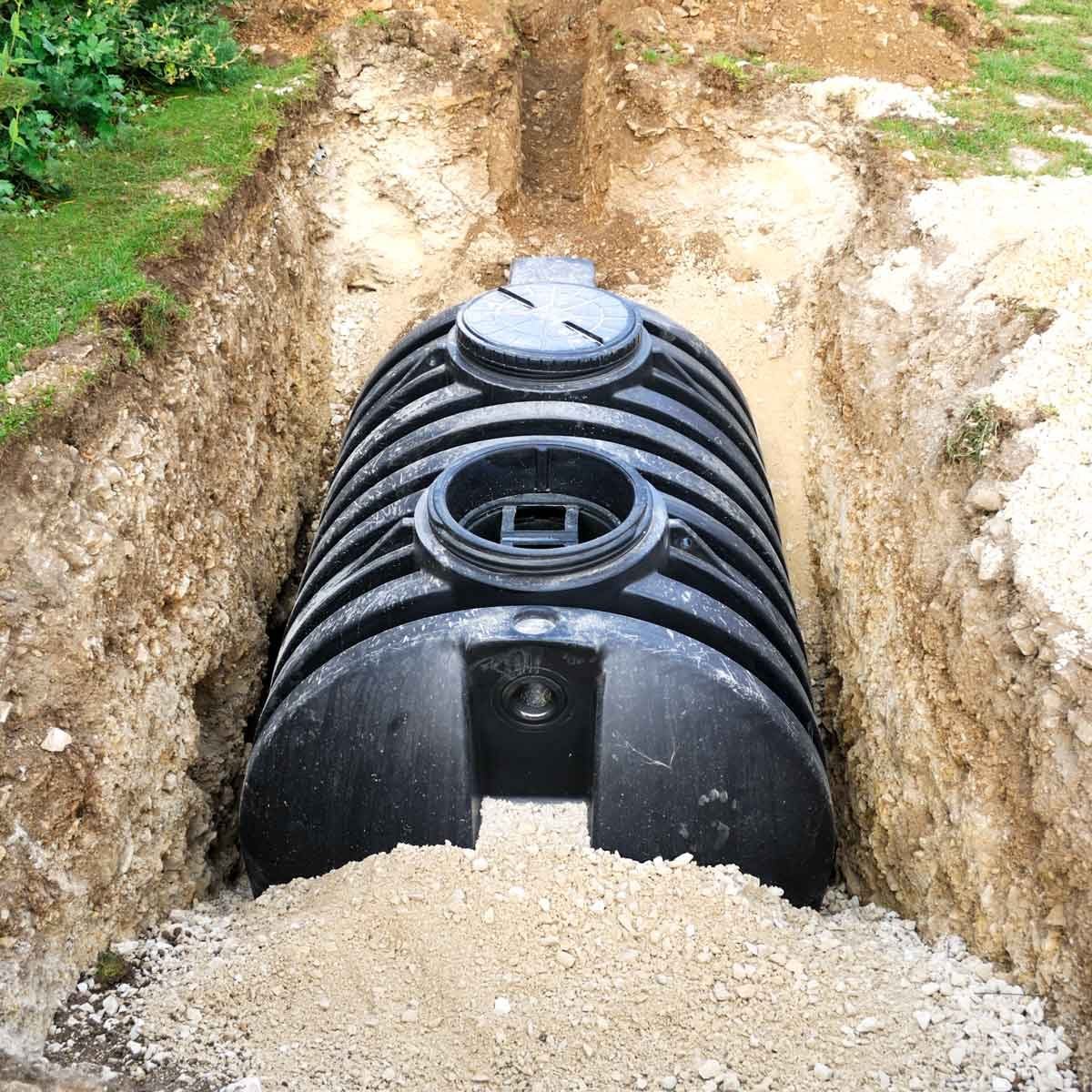
A septic system is one of those household heroes that works quietly in the backgrounduntil it does not. When it is healthy, nobody talks about it at dinner. When it fails, suddenly everyone has opinions, the plumber is your new best friend, and your yard may begin acting like a swamp with a grudge. The good news? Septic system care is not complicated. It mostly comes down to smart habits, regular maintenance, and not treating your toilet like a magic disappearing machine.
Whether you are a new homeowner, buying a rural property, or finally admitting that the “mystery lids” in the yard are important, this guide will walk you through seven practical tips to take care of your septic system. These septic maintenance tips can help protect your home, your wallet, your drinking water, and the environment around you.
Why Septic System Care Matters
A septic system treats household wastewater from toilets, sinks, showers, laundry, and kitchen drains. Instead of sending waste to a municipal sewer plant, your home handles treatment on-site through a septic tank and drainfield. The tank separates solids, grease, and liquid wastewater. The drainfield then distributes treated liquid into the soil, where natural processes finish the job.
When the system is maintained properly, it can work efficiently for decades. When it is neglected, problems may include slow drains, sewage backups, foul odors, soggy soil, contaminated groundwater, expensive repairs, and a deeply uncomfortable conversation with your bank account. Septic system maintenance is not glamorous, but neither is replacing a failed drainfield. Choose your adventure wisely.
1. Inspect and Pump Your Septic Tank Regularly
The most important septic care tip is also the least dramatic: schedule regular inspections and pump your septic tank when needed. Most conventional septic tanks should be inspected every one to three years, and many homes need pumping every three to five years. The exact schedule depends on your household size, tank size, water use, garbage disposal habits, and whether your system has mechanical parts.
Why pumping matters
Inside your septic tank, solids settle at the bottom as sludge, while fats, oils, and grease float to the top as scum. The liquid layer in the middle flows out to the drainfield. If the tank is not pumped, sludge and scum can build up and move into the drainfield. That is where trouble begins. A clogged drainfield can be expensive to repair and may even require full replacement.
Think of pumping like changing the oil in a car. You do not wait until smoke comes out of the hood and the engine starts making haunted accordion noises. Preventive maintenance is cheaper, calmer, and much less likely to ruin your weekend.
Keep maintenance records
Keep a simple septic maintenance file with inspection reports, pumping dates, repair records, permits, and a diagram of your septic tank and drainfield. This helps service professionals diagnose issues faster. It also helps if you sell your home because buyers love records almost as much as they love updated kitchens.
2. Use Water Efficiently
Your septic system can only handle so much wastewater at once. Too much water entering the tank can push solids into the drainfield before they have time to settle. Heavy water use can also saturate the drainfield, making it harder for soil to treat wastewater properly.
Simple ways to reduce water stress
Install high-efficiency toilets, low-flow showerheads, and water-saving faucets. Fix leaking toilets and dripping taps quickly. A running toilet may look harmless, but it can send hundreds of gallons of unnecessary water into the system. That is not a leak; that is your septic tank being enrolled in a marathon without consent.
Spread laundry loads throughout the week instead of doing six loads in one day. Use the correct load size setting on your washing machine. Run dishwashers and washing machines only when full. These small habits reduce hydraulic overload and help your septic system work at a steady, comfortable pace.
3. Be Careful What You Flush
Your toilet is not a trash can with water features. The only things that should generally be flushed are human waste and toilet paper designed to break down quickly. Many items labeled “flushable” do not break down well in septic systems and can clog pipes, pumps, or filters.
Do not flush these items
Avoid flushing wipes, paper towels, feminine hygiene products, cotton swabs, dental floss, diapers, cigarette butts, cat litter, hair, condoms, medications, or household chemicals. These items can clog plumbing, interfere with tank function, or harm the beneficial organisms that help break down waste.
The “flushable wipe” deserves a special mention. It may technically disappear from the bowl, but that does not mean it disappears from your life. It may simply be waiting underground, slowly forming a clog with the patience of a villain in a long movie.
4. Protect the Drainfield Like It Is Sacred Ground
Your drainfield is where treated wastewater leaves the septic tank and filters through the soil. It needs oxygen, healthy soil, and room to breathe. Damage the drainfield, and the whole system can suffer.
Keep heavy objects away
Never park cars, trucks, boats, RVs, trailers, or heavy equipment on the drainfield. Heavy weight can compact the soil and crush pipes. Do not build patios, sheds, pools, decks, or driveways over the drainfield. Septic components are not fond of being trapped under your new outdoor pizza oven, no matter how artisanal the toppings are.
Choose the right landscaping
Grass is usually the safest cover for a drainfield because it helps prevent erosion without deep roots. Avoid planting trees or large shrubs nearby, as roots can invade pipes and cause blockages. Also direct roof gutters, sump pumps, and surface runoff away from the drainfield. Extra water can saturate the soil and reduce treatment performance.
5. Keep Grease, Chemicals, and Food Waste Out of the System
What goes down your kitchen sink can affect your septic system. Fats, oils, and grease can harden in pipes and increase the scum layer in the tank. Food scraps add extra solids, which may require more frequent pumping. Harsh chemicals can also disrupt the living microorganisms that help your septic tank do its job.
Kitchen habits that help
Scrape plates into the trash or compost before washing. Pour cooled grease into a container and throw it away instead of sending it down the drain. Use garbage disposals sparingly if your home has one. A garbage disposal may be convenient, but it can increase solids in the tank and shorten the time between pump-outs.
Use cleaners wisely
Normal household cleaning in reasonable amounts is usually fine, but avoid pouring large amounts of bleach, drain cleaner, solvents, paint, pesticides, antifreeze, or other toxic products into drains. Septic bacteria are tough little workers, but they are not superheroes in rubber gloves.
6. Know the Warning Signs of Septic Trouble
A septic system often gives hints before a major failure. The trick is to notice them early instead of pretending the smell in the yard is “probably nature.” Spoiler: nature usually has better manners.
Common warning signs
Watch for slow drains, gurgling pipes, sewage odors, wet or spongy areas near the tank or drainfield, unusually bright green grass over the drainfield, sewage backing up into toilets or drains, or standing water where the ground should be dry. Any of these signs can point to a developing problem.
If you notice warning signs, reduce water use and call a licensed septic professional. Do not open the tank yourself. Septic tanks can contain dangerous gases and unsafe conditions. This is one of those homeowner tasks where bravery is less useful than a phone number.
7. Work With Qualified Septic Professionals
Septic systems are underground, site-specific, and regulated locally. That means the best maintenance plan depends on your soil, system type, tank size, local rules, and household habits. A qualified septic professional can inspect the tank, measure sludge and scum levels, check baffles, clean filters, evaluate pumps, and identify issues before they become expensive disasters.
Ask the right questions
When hiring a septic contractor, ask whether they are licensed or certified in your state or county. Ask what the inspection includes, how often your system should be pumped, whether your system has an effluent filter, and whether there are any signs of drainfield stress. If you have an advanced or alternative system, ask about required service contracts and operating permits.
Homeowners should also know where the septic tank, drainfield, and reserve area are located. If you do not have a system map, contact your local health department or permitting office. Guessing is not a strategy. It is how people accidentally plant a maple tree directly over the drainfield and then act surprised when the roots start networking underground.
Extra Septic Maintenance Tips for Everyday Homeowners
Beyond the seven major tips, a few everyday habits can make septic system care easier. Space out showers when guests visit. Do not drain hot tubs or large volumes of water into the septic system. Keep livestock away from the drainfield. Make sure septic lids are secure and in good condition. Teach children not to play around tank lids or drainfield areas.
If your property floods, limit water use until the drainfield dries out. Do not pump the tank during saturated conditions unless a professional recommends it, because groundwater pressure can create safety and structural concerns. After flooding, have the system checked before returning to normal use.
Common Septic System Myths
Myth 1: Additives replace pumping
Septic additives are often marketed as miracle helpers, but they do not replace inspection and pumping. A healthy septic tank already contains bacteria. The real maintenance hero is removing accumulated solids before they reach the drainfield.
Myth 2: If drains work, the system is fine
Not always. A septic system can be developing problems underground before indoor drains slow down. Regular inspections catch hidden issues early.
Myth 3: Septic systems are maintenance-free
Septic systems are low-maintenance, not no-maintenance. A little attention every year can prevent expensive repairs later.
Real-Life Experiences: What Septic System Ownership Teaches You
Living with a septic system teaches homeowners a funny kind of wisdom. You start out thinking, “It is just plumbing, right?” Then one day you find yourself explaining drainfield protection at a barbecue with the passion of a documentary narrator. That is when you know septic ownership has changed you.
One common experience is learning that water habits matter more than expected. A family may move from a city sewer home to a rural property and keep the same weekend routine: long showers, back-to-back laundry loads, dishwasher running twice, and everyone cleaning the mudroom after soccer practice. The septic system may not fail immediately, but it can become stressed. Once the family spreads laundry across the week and fixes a leaking toilet, the system works more smoothly. The lesson is simple: the septic tank appreciates moderation. It is basically the household member that wants everyone to calm down.
Another experience involves the mysterious power of records. Homeowners who keep pumping receipts, inspection notes, and system diagrams often save time and money. When a contractor arrives, a simple folder can answer key questions fast: tank size, last pump date, location of lids, and past repairs. Without records, the process may involve probing the yard like a treasure hunt, except the treasure is a concrete lid and nobody gets excited.
Many homeowners also learn to rethink landscaping. A beautiful yard plan may include trees, shrubs, patios, and a charming little shed. Then the septic map appears, and suddenly the drainfield becomes the boss of the backyard. This can feel annoying at first, but it is better than discovering later that roots have invaded the lines or heavy structures have compacted the soil. A healthy lawn over the drainfield may not win a design award, but it quietly protects one of the most important systems on the property.
Guests can be another septic adventure. When friends or relatives visit, water use often spikes. Extra showers, laundry, cooking, and flushing can put more load on the system. Smart homeowners learn to plan ahead by spacing water-heavy tasks and giving guests a polite bathroom reminder if needed. No, you do not need to deliver a dramatic speech titled “The Toilet and Its Boundaries,” but a small wastebasket and a simple note can prevent problems.
Perhaps the biggest experience is realizing that septic care is mostly about prevention. Homeowners who wait for obvious trouble may face backups, odors, and repair bills that arrive with the emotional impact of stepping on a Lego barefoot. Homeowners who schedule inspections, pump when needed, protect the drainfield, and watch what goes down the drain usually enjoy fewer surprises.
In the end, septic system ownership is not scary. It is a partnership. You treat the system with respect, and it quietly handles one of the least glamorous but most essential jobs in the home. Feed it too much water, grease, wipes, and neglect, and it may protest. Give it routine care, and it will likely remain the silent underground employee of the month for many years.
Conclusion
Taking care of your septic system is not about memorizing complicated engineering terms. It is about building practical habits: inspect and pump regularly, save water, flush only appropriate waste, protect the drainfield, keep grease and chemicals out, watch for warning signs, and work with qualified professionals. These seven septic system care tips can help you avoid messy problems, protect your property value, and keep your home running smoothly.
A septic system may be underground, but it should never be out of mind. Treat it well, and it will quietly do its job. Ignore it, and it may find a very memorable way to get your attention.
Note: This article was written for web publication in standard American English and is based on widely accepted U.S. septic maintenance guidance from public health, environmental, and university extension resources.