Note: A suspected broken leg in a hamster is an urgent veterinary issue. The steps below are meant to help you respond safely, reduce stress, and support recovery until and after your hamster sees a qualified exotic or pocket-pet veterinarian.
Your hamster may be tiny, but a leg injury is not a tiny problem. One bad fall, one foot caught in the wrong wheel, one awkward leap from your hand, and suddenly your little fluff nugget is limping around like the world’s angriest cotton ball. It is alarming, yes. It is fixable sometimes, yes. But it is also one of those moments when “I’ll just see how things look tomorrow” is not a winning strategy.
A broken leg in a hamster can range from a mild, stable fracture to a severe injury with swelling, bleeding, or visible bone. Some minor fractures may heal with strict rest and veterinary supervision. More serious cases may need splinting, pain medication, intensive wound care, or even amputation. The key is to act quickly, handle your hamster gently, and avoid well-meant DIY heroics that can make the injury worse.
This guide walks you through 8 practical steps to treat your hamster’s broken leg the right way, plus what to expect from the vet, how to manage recovery at home, and how to prevent another cage-side catastrophe.
Step 1: Look for the Signs of a Broken Leg
Hamsters are prey animals, which means they often hide pain until they really cannot anymore. So by the time you notice something is off, your pet may already be hurting more than it lets on. That is why it helps to know the common signs of a fracture or serious leg injury.
You may notice:
- Limping or refusal to put weight on one leg
- A leg held at an odd angle
- Swelling or bruising
- A dragging limb
- Sudden reluctance to climb, run, or use the wheel
- Hunched posture or hiding more than usual
- Squeaking, biting, or flinching when touched
- Loss of appetite, lethargy, or changes in droppings
If the leg looks twisted, floppy, or severely swollen, assume it could be broken. If you see an open wound or bone, treat it as an emergency. A hamster with a severe fracture can also go downhill fast from stress, shock, pain, or not eating enough. In other words, this is not the time for a wait-and-see experiment.
Step 2: Call an Exotic or Pocket-Pet Vet Right Away
The most important part of treating your hamster’s broken leg is getting veterinary help. Not a random internet forum. Not your neighbor who once wrapped a parakeet’s toe. A real veterinarian who sees hamsters, rodents, or exotic pets.
When you call, be ready to describe:
- Your hamster’s species and approximate age
- How the injury happened, if you know
- Whether the hamster is eating, drinking, and moving
- Whether there is bleeding, swelling, or visible bone
- How long ago the injury occurred
Ask if they see small mammals or exotic pets, and whether they recommend an urgent visit the same day. In many cases, they will. Even when a fracture seems “not too bad,” your hamster may still need pain control, imaging, and instructions for safe confinement. Tiny bones create surprisingly big decisions.
If your usual clinic does not treat hamsters, ask for a referral to an exotic animal veterinarian or emergency hospital that does. Time matters, especially with open fractures, severe pain, or a hamster that has stopped eating.
Step 3: Move Your Hamster Into a Small, Safe Carrier
Before the vet visit, your job is not to “fix” the leg. Your job is to prevent the injury from getting worse. That means reducing movement as much as possible without stressing your hamster even more.
Set up a small travel carrier, plastic bin, or temporary enclosure with:
- Soft paper-based bedding
- No wheel
- No climbing toys
- No ladders, tubes, or platforms
- A low, easy-to-enter hideout if possible
Keep the space warm, quiet, and dim. Not sauna-hot. Not refrigerator-cold. Just comfortably warm and away from drafts, loud music, barking dogs, and curious children who think this is a science fair project.
When lifting your hamster, scoop gently from underneath if the hamster allows it. Avoid grabbing the injured leg or squeezing the body. If your hamster is panicking or trying to bite, use a small cup or hide box to transfer it with minimal handling. Pain makes even the sweetest hamster reconsider its social values.
Step 4: Do Not Tape, Splint, Straighten, or Medicate the Leg Yourself
This step deserves bold emotional emphasis: do not try to set the bone at home.
Hamsters are incredibly small, and their bones are delicate. A home-made splint that seems clever in theory can cut off circulation, cause skin injury, trap moisture, worsen the fracture, or make your hamster chew the whole thing off like a furry demolition contractor. Even trying to “gently straighten” the limb can turn a manageable fracture into a severe one.
You should also avoid:
- Human pain relievers
- Leftover antibiotics
- Topical creams or ointments unless a vet approves them
- Adhesive tape on the leg
- Frequent checking, poking, or re-positioning
If there is a little bleeding from an open wound, you can gently press clean gauze near the area if your hamster tolerates it, but do not scrub, pry, or force anything. The safest first aid is controlled handling, minimal movement, and a fast trip to the vet.
Step 5: Let the Veterinarian Diagnose the Injury and Choose the Treatment
Once at the clinic, the vet may perform a careful physical exam and, in some cases, X-rays. This helps determine whether the injury is a sprain, dislocation, simple fracture, compound fracture, or part of a more serious trauma.
Possible veterinary treatments include:
- Strict cage rest for a stable fracture
- Pain medication prescribed specifically for hamsters
- A light wrap or splint in select cases
- Wound care and antibiotics for open injuries
- Surgery in uncommon but possible situations
- Amputation if the limb is too damaged to save
That last option can sound terrifying, but here is the reassuring truth: many small animals adapt surprisingly well after amputation when the procedure is necessary and recovery is managed properly. It is not the outcome anyone hopes for, but it can still be a humane and successful one.
Ask the vet these questions before you leave:
- What type of injury does my hamster have?
- How long should activity be restricted?
- How do I give medication safely?
- What bedding and cage setup do you recommend?
- What warning signs mean I should come back immediately?
- Will my hamster need a follow-up exam?
Step 6: Create a Recovery Cage That Encourages Healing
Once you get home, your hamster needs what can only be described as a medically approved boring lifestyle. Recovery is not the moment for acrobatics.
A good healing setup includes a small enclosure with a solid floor, deep soft bedding, easy access to food and water, and no opportunities for climbing or jumping. Remove all shelves, hammocks, wheels, and anything with a chance of snagging the leg. If your hamster lives with another hamster, ask your vet whether they should be separated during recovery. In many cases, isolation prevents jostling and reinjury.
Place food close to the sleeping area so your hamster does not have to travel far. A shallow dish can help. If the water bottle sits too high, lower it or offer a second easy-access option approved by your vet.
Clean the cage carefully and often enough to keep the area dry and sanitary, but do not turn it into a daily home-renovation project. Too much disruption can add stress. Spot-clean the dirtiest areas and preserve a bit of familiar scent so your hamster still feels secure.
Step 7: Help Your Hamster Eat, Drink, and Rest
Pain and stress can make a hamster eat less, drink less, and move less. That is a problem, because tiny animals have tiny reserves. A hamster that skips meals for too long can become weak quickly.
During recovery, monitor:
- Appetite
- Water intake
- Droppings and urination
- Activity level
- Weight, if your vet recommends daily or weekly checks
Offer your hamster its regular diet and ask your vet whether soft supplemental foods are appropriate. Do not suddenly switch the entire menu just because your hamster looks offended by life. Abrupt diet changes can upset a small pet’s digestive system. Stick to familiar, vet-approved foods and focus on keeping intake steady.
Give medications exactly as prescribed. Not “close enough.” Not “I think he seemed fine today.” Under-dosing can leave your hamster in pain; over-dosing can be dangerous. If the medication seems hard to administer, ask the clinic to show you the technique again. There is no shame in needing a hamster-medication tutorial. Honestly, that skill should probably count as a minor superpower.
Watch for red flags during recovery, including:
- Not eating for several hours beyond what your vet said is acceptable
- Worsening swelling
- Bad odor from the wound or wrap
- Chewing at the injured area nonstop
- Lethargy, collapse, or trouble breathing
- A wet or slipping bandage
- Visible bone or new bleeding
If you notice any of these, contact your vet promptly.
Step 8: Ease Back Into Normal Life and Prevent Another Injury
When your hamster starts acting more like itself, resist the urge to throw a full grand reopening of Club Hamster. Healing bones need time, and your vet should tell you when normal activity can resume.
Start by reintroducing routine gradually. Once your vet clears it, you can add enrichment back in stages. Keep a close eye on movement, balance, and comfort. If your hamster starts limping again, scale activity back and call the clinic.
To prevent future fractures:
- Use a solid-surface wheel, not a wire or open-rung wheel
- Avoid wire flooring
- Remove sharp, unstable, or high climbing structures
- Handle your hamster close to a soft surface in case it jumps
- Supervise out-of-cage time carefully
- Use a secure carrier for transport
Many hamster leg injuries happen because a foot gets caught, the pet falls, or the environment allows too much risky climbing. A safer habitat is not boring. It is just less likely to become an orthopedic event.
What Healing Usually Looks Like
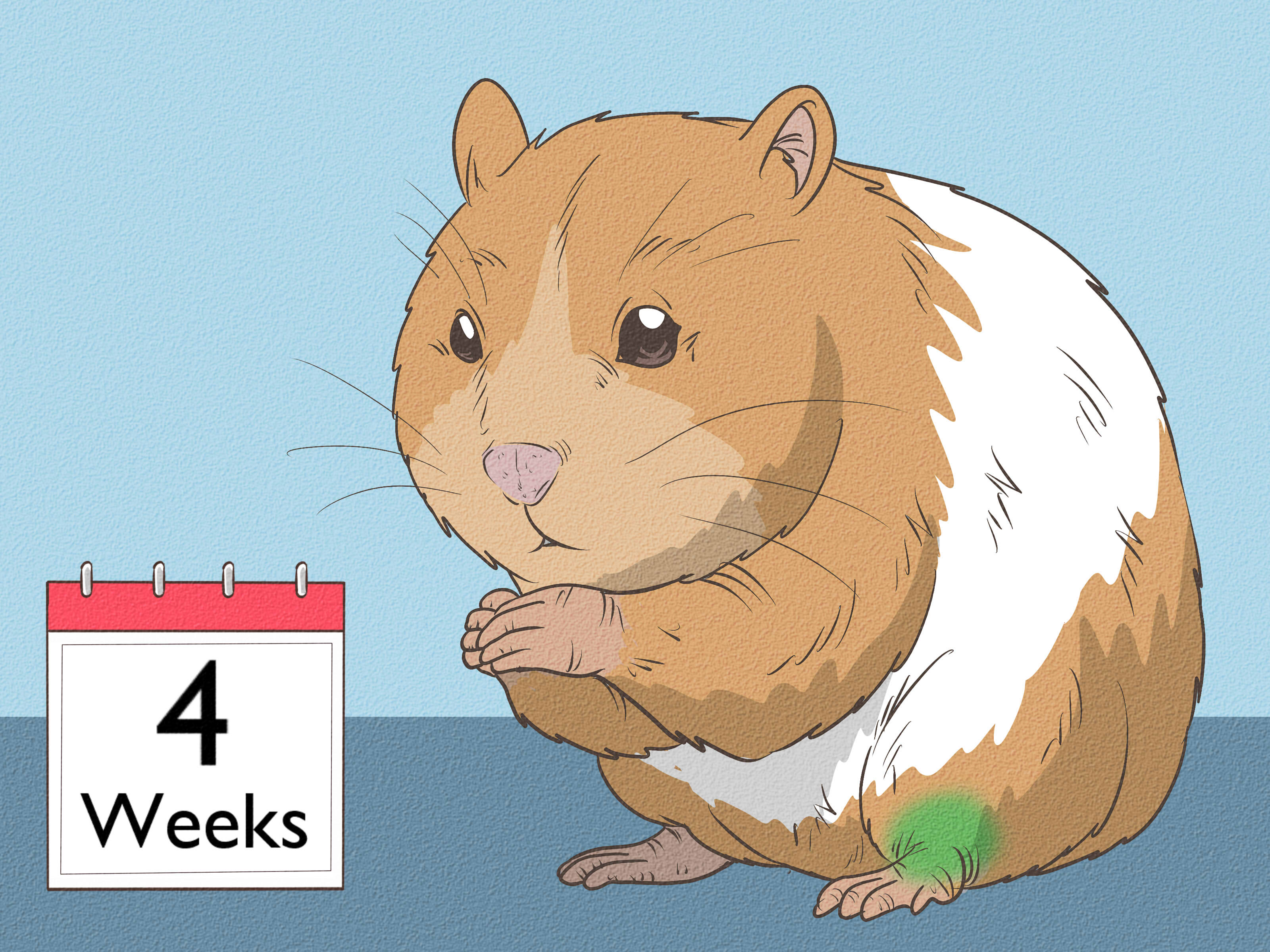
Recovery time depends on the type of fracture, the hamster’s age, whether the bone stayed aligned, whether there was an open wound, and how strictly activity was limited. Some simple injuries improve in a matter of weeks. More complex fractures can take much longer and may leave a slight limp or difference in movement.
The good news is that hamsters can be resilient little creatures. With prompt veterinary care, proper pain management, and a calm recovery setup, many do very well. The less-good news is that they are not always eager to follow doctor’s orders, especially when doctor’s orders involve no wheel. Expect a bit of drama. That is part of the package.
Conclusion
If your hamster has a broken leg, the best treatment starts with quick action and realistic expectations. Recognize the signs, limit movement, avoid DIY splints, and get help from an exotic pet veterinarian as soon as possible. From there, the recipe is simple even if the situation is not: pain control, strict rest, safe housing, close observation, and patience. Lots of patience. The tiny patient may not send a thank-you card, but a comfortable recovery is the goal.
The biggest takeaway is this: home care can support healing, but it does not replace professional care. A hamster’s broken leg is one of those problems where gentle handling and smart decisions matter far more than bold improvisation. When in doubt, think small, think calm, and think vet.
Experiences Owners Commonly Have During Hamster Broken Leg Recovery
One of the most common experiences owners describe is the shock of how suddenly the injury appears. A hamster can seem completely fine at bedtime and then be limping by morning after a fall, a rough landing, or a leg trapped in a wheel. Because hamsters are so active at night, many owners never actually witness the accident. They just find a pet that is moving differently, hiding more, or refusing to climb. That uncertainty can make people second-guess themselves, but the practical response is always the same: protect the hamster, reduce movement, and get veterinary advice.
Another common experience is guilt. Owners often replay the setup of the cage in their minds and wonder whether they missed something obvious. Maybe the wheel was not ideal. Maybe the bedding was too shallow near a platform. Maybe a child held the hamster a little too high. While prevention matters, guilt is not treatment. The most helpful thing an owner can do is focus on the next right action. A calm response usually helps a hamster far more than an emotional spiral.
Many people are surprised by how different fracture care looks in a hamster compared with a dog, cat, or human. Owners sometimes imagine a cast, a cone, and a dramatic comeback montage. In reality, hamster treatment is often more conservative. The vet may prioritize pain control, rest, careful monitoring, and a simplified enclosure. That can feel underwhelming at first, but with very small animals, less handling and less interference are often exactly what healing requires.
Medication time is another memorable part of the experience. Some hamsters take liquid medicine like tiny saints. Others behave as if you have personally betrayed the friendship treaty. Owners often learn quickly that wrapping a hamster in a towel is not always practical and that using a syringe properly takes a bit of finesse. Once the routine settles in, though, many find that the process becomes easier within a few days.
Recovery also tends to be emotionally uneven. A hamster may seem much better one night and more tired the next morning. Owners often worry every time the pet sleeps longer, moves oddly, or refuses a favorite treat. That is why clear follow-up instructions from the vet are so valuable. They help separate normal healing from true warning signs.
Perhaps the most encouraging experience owners report is how adaptable hamsters can be. With a safer enclosure, easy access to food and water, and time to rest, many resume their normal habits surprisingly well. Even in cases where the leg heals imperfectly or an amputation becomes necessary, hamsters can often adjust better than people expect. Their version of “back to normal” may not look exactly the same as before, but it can still be active, comfortable, and full of midnight mischief.