Note: This article is based on synthesized information from reputable woodworking, forestry, wood-care, and home-goods references. Source links are intentionally not included so the content is ready for web publishing.
Olive wood is the kind of material that makes people stop mid-sentence and say, “Wait, is that real wood or did someone paint lightning into it?” Known for its dramatic grain, golden-brown color, dense structure, and naturally elegant personality, olive wood has become a favorite for cutting boards, bowls, utensils, decorative objects, knife handles, small furniture accents, and high-end craft pieces. It is not the quiet kid in the lumberyard. It is the one wearing a patterned jacket and somehow pulling it off.
When people search for olive wood characteristics, they usually want to know more than “it looks nice.” They want to understand how hard it is, how durable it is, whether it is good for kitchenware, how to maintain it, why it is expensive, and whether it behaves well in woodworking projects. The answer is: olive wood is beautiful, strong, dense, and wonderfully distinctive, but it also has a few quirks. Like a talented artist with a tiny bit of drama, it rewards patience.
What Is Olive Wood?
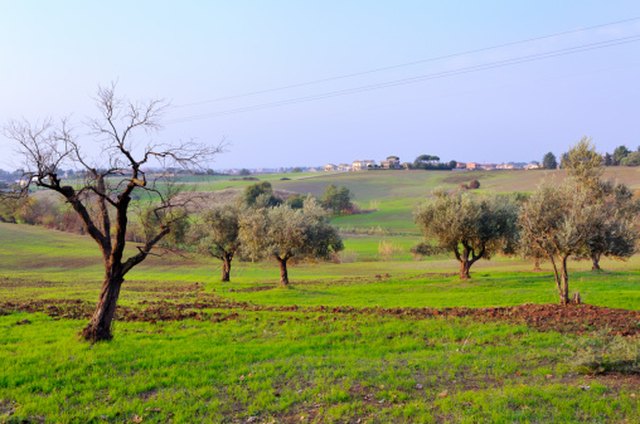
Olive wood comes primarily from the olive tree, most commonly Olea europaea, the same tree known for producing olives and olive oil. These trees grow widely in Mediterranean regions, including Spain, Italy, Greece, Tunisia, Turkey, and parts of the Middle East. Some olive wood products are also sourced from old orchard trees that no longer produce fruit efficiently, which makes the wood appealing from a sustainability perspective when harvested responsibly.
Unlike tall, straight timber trees grown mainly for lumber, olive trees tend to grow slowly, twist dramatically, and form irregular trunks and branches. That growth habit is exactly what gives olive wood its spectacular figure. It is also why large, straight boards are rare. In other words, olive trees did not grow up dreaming of becoming dining tables. They were busy being ancient, knotted, fruit-bearing sculptures.
Main Olive Wood Characteristics
1. Striking Grain Patterns
The most famous feature of olive wood is its grain. Olive wood often displays swirling, wavy, irregular lines that range from soft honey brown to dark chocolate, gray, cream, and amber. The contrast can be bold, especially in older trees where the grain has had decadesor even centuriesto develop personality.
No two pieces of olive wood look exactly alike. A small spoon may show delicate waves, while a serving board may look like a satellite image of a desert canyon. This natural variation makes olive wood especially desirable for decorative and functional pieces where visual impact matters.
2. Warm Color Range
Olive wood typically has a creamy yellow, golden, or light tan background with darker brown streaks. Some pieces show smoky gray, reddish-brown, or almost black lines. Freshly cut olive wood can appear brighter, while aged or oiled pieces often deepen into a warmer, richer tone.
This warm coloring is one reason olive wood fits beautifully into many design styles. It looks rustic on a farmhouse table, elegant in a modern kitchen, and artisanal in a handmade gift shop. Basically, olive wood is the friend who somehow looks good at both a backyard barbecue and a formal dinner.
3. High Density and Hardness
Olive wood is considered a dense and hard hardwood. Its density gives it a substantial feel in the hand, especially in utensils, bowls, and cutting boards. The Janka hardness of olive wood is often listed around the high end of many familiar domestic hardwoods, making it resistant to dents and everyday wear.
This hardness is one reason olive wood performs well in small items that receive frequent handling. However, hardness also means it can be tougher on tools. Sharp blades, careful sanding, and patient shaping are important. Olive wood is not impossible to work, but it does not appreciate being rushed. It prefers a respectful relationship with your chisels.
4. Fine Texture
Olive wood generally has a fine, even texture. When sanded properly, it can become exceptionally smooth and pleasant to touch. This makes it ideal for spoons, spatulas, bowls, handles, jewelry, pens, and other objects where hand feel is part of the experience.
A well-finished olive wood spoon feels almost silky. A polished olive wood bowl can look as if it has been sealed under glass, even when finished with simple food-safe oil or wax. That smoothness is one of the reasons olive wood has such a premium reputation in kitchen and craft products.
Is Olive Wood Durable?
Yes, olive wood is durable when it is properly dried, finished, and maintained. Its density and hardness help it resist surface damage, while its tight grain makes it suitable for frequent use in household items. It is often used for cutting boards, serving boards, bowls, utensils, decorative boxes, and turnings.
That said, olive wood is still wood. It can crack, warp, or split if abused. Leaving an olive wood cutting board soaking in the sink is not “cleaning.” It is a slow-motion tragedy. Dishwashers are also a bad idea because heat, steam, detergent, and prolonged moisture can damage wooden kitchenware. Hand washing and proper drying are the way to go.
Olive Wood Workability
Cutting and Shaping
Olive wood can be worked successfully with both hand tools and power tools, but its density requires sharp edges. Dull tools may burnish the surface, tear the grain, or make the work feel like a wrestling match. Carbide tools are often preferred for routing, turning, and shaping dense hardwoods like olive wood.
Because olive wood grain can be irregular, woodworkers need to pay attention to grain direction. Tear-out may occur in figured areas, especially when planing or carving. Light passes, sharp cutters, and careful sanding help create a clean surface.
Turning
Olive wood is highly prized for turning. Bowls, pens, handles, bottle stoppers, ornaments, and small vessels made from olive wood often show beautiful figure after polishing. The density allows it to take a crisp shape and a glossy finish.
However, turning olive wood can be demanding. The wood may be hard, heavy, and sometimes oily. It may also contain checks or internal stress depending on how it was dried. For best results, turners often work slowly, monitor heat buildup, and let partially turned pieces rest if moisture content is uncertain.
Sanding and Finishing
Olive wood sands beautifully, though it may take time because of its hardness. Progressing through grits carefully can reveal the full depth of the grain. Skipping grits may leave scratches that only become obvious after oiling, which is wood’s favorite prank.
For food-contact items, mineral oil, beeswax, or food-safe wood conditioners are common finishes. For decorative objects, oil finishes, wax, shellac, or other clear finishes can enhance the dramatic grain. Because olive wood already has strong natural color and figure, it rarely needs stain. In many cases, staining olive wood is like putting sunglasses on a sunset.
Olive Wood and Moisture
One of the most important olive wood characteristics is its relationship with moisture. Like all wood, olive wood expands and contracts as it gains or loses moisture. Dense, irregularly grained woods can be especially sensitive if they are not dried properly.
Proper seasoning is essential. If olive wood is used before it reaches a stable moisture content, it may crack or warp as it dries. This is especially important for thicker items such as bowls, slabs, and cutting boards. A beautiful piece of olive wood can still misbehave if it is asked to become a finished product too soon.
For finished olive wood kitchen items, the best care routine is simple: wash by hand with mild soap, rinse quickly, dry immediately, and oil occasionally. Do not soak it. Do not microwave it. Do not run it through the dishwasher. Olive wood may be tough, but it is not auditioning for a survival reality show.
Common Uses of Olive Wood
Cutting Boards and Serving Boards
Olive wood cutting boards and serving boards are popular because they combine beauty with function. The hard surface resists wear, while the grain turns even a simple cheese board into a tiny art gallery. Many people use olive wood boards for charcuterie, bread, fruit, and presentation.
For heavy chopping, some users prefer larger boards made from more dimensionally stable domestic hardwoods such as maple or walnut. Olive wood can still be used for cutting boards, but it requires proper care and should not be left wet. It is especially excellent as a serving board where appearance is a major part of the experience.
Bowls and Utensils
Olive wood bowls, spoons, spatulas, and ladles are widely loved because the wood is smooth, dense, and attractive. The fine texture makes utensils comfortable to hold, while the natural grain makes each piece feel handmade and unique.
Olive wood utensils are also less likely to scratch cookware compared with metal tools. They are especially popular for serving salads, stirring sauces, and looking very photogenic next to a loaf of bread. Yes, your kitchen tools can have main-character energy.
Decorative Objects
Because olive wood is often available in smaller pieces, it is frequently used for decorative objects such as boxes, carvings, religious items, ornaments, jewelry, pens, and small sculptures. Its grain makes even compact items visually interesting.
Olive wood has also been used historically in regions where olive trees are culturally significant. In some places, it carries symbolic associations with peace, longevity, and abundance. That gives olive wood objects an emotional value beyond their physical beauty.
Handles and Specialty Items
Olive wood is suitable for handles because it is hard, dense, and pleasant to grip. It is often used for tool handles, kitchen knife handles, pocket accessories, and fine craft pieces. The grain provides a premium appearance without requiring artificial decoration.
Because the wood can be oily and dense, good surface preparation matters when gluing. Woodworkers may wipe the surface before gluing and use suitable adhesives for dense hardwoods. A clean joint and proper clamping make a major difference.
Advantages of Olive Wood
Olive wood offers several advantages. First, it is visually stunning. The swirling grain and warm color make it one of the most recognizable woods used in kitchenware and crafts. Second, it is hard and dense, which helps with durability. Third, it finishes beautifully, often requiring only clear oil or wax to look impressive.
Another advantage is uniqueness. Since olive trees grow in twisted, irregular forms, each board or blank has its own pattern. This makes olive wood ideal for handmade products, gifts, and luxury home goods. People love owning something that does not look mass-produced by a bored machine on a Tuesday afternoon.
Responsible sourcing can also be a benefit. Some olive wood comes from orchard trees that are pruned, replaced, or no longer productive. When sourced thoughtfully, this gives useful life to material that might otherwise be burned or discarded.
Disadvantages of Olive Wood
Olive wood is not perfect. Its biggest limitation is availability. Because olive trees are usually not large, straight timber trees, big boards are hard to find. That scarcity can make olive wood expensive, especially in wide, thick, or highly figured pieces.
Another disadvantage is movement. Olive wood can crack or warp if it is not dried and cared for correctly. This does not mean olive wood is fragile, but it does mean it deserves proper treatment. Moisture changes are the villain in many wood stories, and olive wood is no exception.
Its hardness can also be challenging. Beginners may find it tougher to carve or shape than softer woods. Tools must be sharp, sanding takes patience, and mistakes may require more effort to correct. Olive wood is friendly, but it is not exactly beginner-proof.
How to Care for Olive Wood
Daily Cleaning
Clean olive wood by hand using warm water, mild soap, and a soft sponge or cloth. Rinse quickly and dry immediately with a towel. Let the item air dry completely before storing it.
Oiling
Food-safe mineral oil is commonly used to maintain olive wood cutting boards, bowls, and utensils. Apply a thin coat, let it absorb, then wipe away excess. Beeswax-based conditioners can add extra surface protection and a soft sheen.
Storage
Store olive wood in a dry, ventilated area. Avoid placing it near direct heat, strong sunlight, or damp surfaces. Do not stack wet boards together, because trapped moisture can encourage warping or staining.
What to Avoid
Avoid dishwashers, long soaking, harsh detergents, bleach, and extreme temperature changes. These can strip oils, raise the grain, and cause cracking. Treat olive wood like a quality leather jacket: use it often, maintain it properly, and do not throw it into a machine just because modern life got too convenient.
Is Olive Wood Good for Cutting Boards?
Olive wood can be good for cutting boards, especially serving boards and light-to-moderate cutting surfaces. Its hardness, fine texture, and visual appeal make it popular in kitchens. However, it may not be the best choice for every heavy-duty chopping task because it can be expensive and may move if exposed to too much water.
If you choose an olive wood cutting board, look for a well-dried, well-finished piece with no major cracks. Use it for bread, fruit, cheese, herbs, and general prep. Wash it by hand and oil it regularly. With proper care, an olive wood board can last for years and make your countertop look like it knows a secret.
Olive Wood vs. Other Woods
Compared with maple, olive wood usually has more dramatic grain and a more decorative appearance. Maple is often preferred for traditional butcher blocks because it is widely available, hard, and stable. Olive wood wins on visual drama.
Compared with walnut, olive wood is generally lighter in background color but often more heavily streaked. Walnut has a rich, dark elegance, while olive wood has a brighter, more Mediterranean character. Walnut is the tuxedo; olive wood is the linen shirt at a seaside dinner.
Compared with bamboo, olive wood feels more like traditional hardwood and has a more organic grain pattern. Bamboo products can be practical and affordable, but olive wood usually feels more artisanal and distinctive.
How to Identify Quality Olive Wood
Good olive wood should feel dense, smooth, and solid. The surface should be well sanded, with no rough patches, open cracks, or unstable checks. Color variation is normal and desirable, but deep cracks or loose sections may reduce durability.
For kitchenware, look for food-safe finishes and avoid products with strong chemical odors. A light natural scent is normal, especially in freshly worked pieces. The best olive wood products showcase the grain without hiding it under heavy stain or glossy plastic-like coatings.
Experience-Based Insights About Olive Wood Characteristics
After handling olive wood products and studying how woodworkers use this material, one thing becomes clear: olive wood makes a strong first impression, but its long-term value depends on care. A new olive wood board often looks almost too pretty to use. The grain is bold, the color is warm, and the surface feels smooth enough to make you question every dull plastic cutting board you have ever owned.
In daily use, olive wood feels heavier than many people expect. That weight gives bowls and boards a sense of quality. A small olive wood spoon may feel compact and sturdy, while a serving board feels substantial on the table. Guests notice it. Someone will eventually ask, “Where did you get this?” This is one of olive wood’s quiet talents: it turns ordinary serving moments into conversations.
The most enjoyable characteristic is the way the grain changes with light and oil. When olive wood is dry, it can look slightly pale or dusty. After a light coat of mineral oil, the pattern deepens immediately. The dark streaks become richer, the golden areas glow, and the whole piece looks refreshed. It is one of the most satisfying maintenance routines because the result is visible right away. Some chores reward you with nothing but responsibility; oiling olive wood at least gives you a small visual standing ovation.
However, olive wood teaches discipline. If you leave it wet near the sink, it may punish you with raised grain or small cracks. If you put it in the dishwasher, you may learn an expensive lesson very quickly. The wood performs best when you build simple habits: wash, dry, oil occasionally, and store properly. These steps are not difficult, but they do matter.
For people buying olive wood for the first time, a serving board or spoon is a great starting point. These pieces allow you to enjoy the beauty of the wood without demanding advanced maintenance. A large cutting board is also wonderful, but it should be treated with more care. If you cook often and want a board for aggressive chopping every day, you may prefer using olive wood as a presentation board and keeping a thicker maple or walnut board for heavy knife work.
For woodworkers, olive wood is a rewarding but sometimes stubborn material. It can produce stunning turned pieces, polished handles, and small boxes, but it asks for sharp tools and patience. The irregular grain can surprise you. One section may cut smoothly, while another decides to behave like it has personal objections. Slow passes, careful sanding, and thoughtful finishing make a big difference.
Another practical experience is that olive wood works best when the project matches the material. Instead of forcing olive wood into large, flat, perfectly uniform designs, it shines in smaller projects where its natural irregularity becomes a feature. Bowls, utensils, pens, boards, handles, and decorative accents all allow the wood to show off without needing to pretend it is a straight-grained construction lumber.
In home decor, olive wood pairs beautifully with stone, ceramic, linen, brass, glass, and neutral colors. It brings warmth without looking heavy. A single olive wood bowl on a kitchen island can soften a modern space. A set of olive wood utensils in a ceramic crock can make a kitchen feel more personal and less showroom-stiff.
The main takeaway from real-world use is simple: olive wood is not just attractive; it is expressive. Its grain tells the story of slow growth, twisting branches, and years of weather. That is why people are drawn to it. It feels alive even after it has been shaped into a finished object. With proper care, olive wood becomes more than a kitchen tool or decorative piece. It becomes one of those small household items people reach for, admire, and keep for a long time.
Conclusion
Olive wood is a beautiful, dense, durable hardwood known for its dramatic grain, warm color, fine texture, and premium feel. It is excellent for bowls, utensils, serving boards, handles, turnings, and decorative crafts. Its natural figure makes every piece unique, while its hardness helps it stand up to regular use.
Still, olive wood needs thoughtful care. It should be kept away from prolonged moisture, cleaned by hand, dried quickly, and oiled when necessary. It is not the cheapest or easiest wood to work with, but its beauty and character make it worth the extra attention.
If you want wood that looks like nature got artistic after a strong espresso, olive wood is hard to beat. It is warm, expressive, practical, and just dramatic enough to make everyday objects feel special.