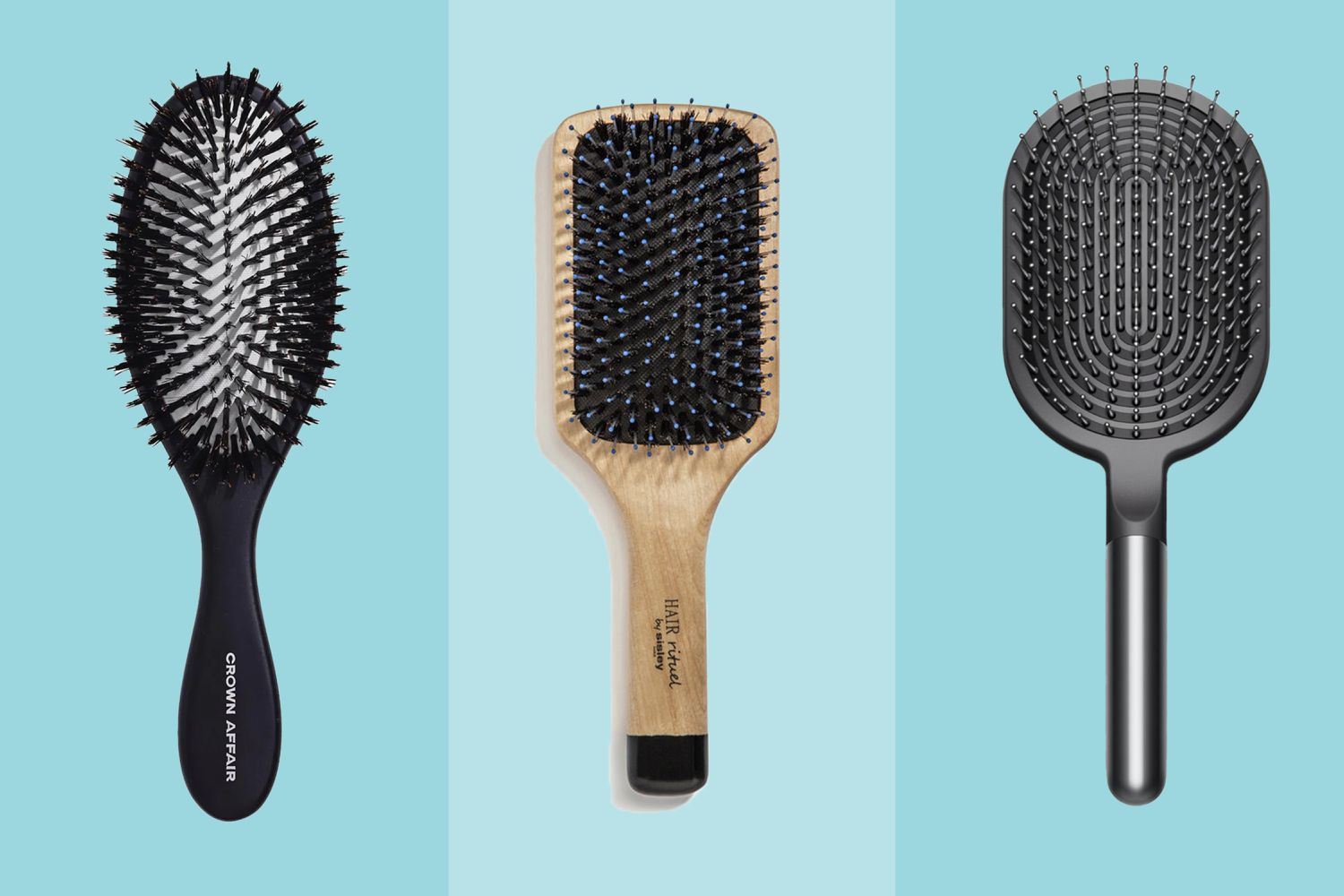
Choosing the best hairbrush for thin hair and hair loss sounds simple until you are standing in the hair-care aisle, staring at 47 brushes that all claim to be “gentle,” “salon-approved,” and possibly blessed by unicorns. But for fine, fragile, thinning, or shedding-prone hair, the right brush really does matter. It will not magically regrow hair overnightsadly, no brush comes with a tiny dermatologist insidebut it can reduce unnecessary tugging, breakage, frizz, and daily styling stress.
The best hairbrush for thin hair is usually a soft, flexible detangling brush, a wide-tooth comb for wet hair, or a soft boar-bristle brush for dry smoothing. The exact winner depends on your hair texture, density, scalp sensitivity, and whether you are dealing with actual hair loss, breakage, or both. Think of the brush as a supporting character in your hair-care story: not the superhero, but definitely the friend who keeps the plot from falling apart.
Thin Hair vs. Hair Loss: Why the Difference Matters
Before buying a brush, it helps to know what problem you are trying to solve. “Thin hair” can mean naturally fine strands, low-density hair, or hair that looks flatter because of breakage. “Hair loss,” on the other hand, means increased shedding, visible scalp, widening part, bald patches, or reduced hair growth over time.
A brush cannot treat medical hair loss caused by genetics, hormones, stress, thyroid problems, autoimmune conditions, nutritional deficiencies, medications, or scalp disease. If your hair is suddenly falling out in clumps, your part is widening quickly, or you notice patchy bald spots, it is smart to speak with a board-certified dermatologist or healthcare provider. However, a gentle brush can help prevent extra mechanical damage while you figure out the root cause.
The Short Answer: The Best Brush for Thin Hair
The best overall hairbrush for thin hair and hair loss is a lightweight detangling brush with flexible bristles and a cushioned base. It should glide through knots instead of ripping through them like it has personal beef with your scalp. For wet hair, a wide-tooth comb is often the safest choice. For dry styling, a soft boar-bristle brush or mixed boar-and-nylon brush can smooth strands and distribute natural oils without heavy products.
Look for These Features
A good brush for thin or shedding-prone hair should have soft or flexible bristles, rounded tips, a cushioned base, wide spacing, and a lightweight handle. It should feel gentle on the scalp, not scratchy. It should detangle slowly and evenly. Most importantly, it should not make you feel like you are wrestling a raccoon in a wind tunnel every morning.
Avoid These Features
Avoid stiff metal bristles, sharp plastic teeth, rough seams, densely packed hard bristles, and brushes that snag at the first sign of a tangle. Also be careful with heavy round brushes if your hair is fragile, because rolling and pulling can increase tension. Tight styling, aggressive brushing, and yanking through knots can contribute to breakage and make thinning hair look even thinner.
Best Hairbrush Types for Thin Hair and Hair Loss
1. Flexible Detangling Brush: Best Everyday Choice
A flexible detangling brush is usually the safest all-around choice for thin hair. These brushes have bendable bristles that move with the hair instead of forcing knots apart. They are especially helpful for people whose hair tangles easily but cannot handle rough brushing.
Use this type of brush on dry hair or slightly damp hair with a leave-in conditioner or detangling spray. Start at the ends, work through small sections, and move upward gradually. Yes, it takes longer than dragging the brush from roots to ends in one heroic swipebut your hair is not a carpet, and you are not vacuuming it.
2. Wide-Tooth Comb: Best for Wet Hair
Wet hair is more fragile because water temporarily changes the hair shaft and makes strands more elastic. That means rough brushing while wet can lead to stretching, snapping, and breakage. For most people with straight or wavy thin hair, a wide-tooth comb is the gentlest tool after washing.
Apply conditioner in the shower or a lightweight detangler afterward, then comb from the ends upward. Use small sections and do not rush. If a knot refuses to cooperate, add more slip instead of more force. Hair-care wisdom in one sentence: conditioner is cheaper than regret.
3. Soft Boar-Bristle Brush: Best for Dry Smoothing
A soft boar-bristle brush can be excellent for fine, thin, or aging hair when used on dry hair. Boar bristles help move natural scalp oils down the hair shaft, which can add shine and reduce the need for heavy serums. This matters because thin hair often gets weighed down easily by oils, creams, and styling products.
However, boar-bristle brushes are not ideal for detangling serious knots. They are better for finishing, smoothing flyaways, polishing a style, or refreshing second-day hair. If your hair is very fragile, choose soft, sparse bristles rather than a dense, stiff brush.
4. Mixed Boar-and-Nylon Brush: Best for Styling Fine Hair
A mixed bristle brush combines natural boar bristles with nylon pins. The nylon helps separate strands, while the boar bristles smooth and distribute oils. This can be useful for fine hair that needs a little more control than a pure boar-bristle brush provides.
The key is moderation. Use a mixed brush for dry styling, not aggressive detangling. If the nylon pins feel sharp or the brush pulls too much, it is not the one. Your scalp should not need a motivational speech after every brushing session.
5. Vented Brush: Best for Gentle Blow-Drying
A vented brush allows air to pass through, which can reduce drying time. Less time under heat can mean less heat stress, especially for thin or delicate hair. Look for flexible bristles and a lightweight design. Use low or medium heat, keep the dryer moving, and avoid stretching hair tightly over the brush.
For volume, lift sections gently at the roots instead of pulling hard. Thin hair often responds better to smart technique than brute force. In other words, persuade your hair; do not interrogate it.
Best Brush by Hair Type
Fine, Straight Hair
For fine, straight hair, use a flexible detangling brush for daily brushing and a soft boar-bristle brush for shine. Straight fine hair can show oil quickly, so avoid overly dense boar brushes if they make your hair look greasy or stringy. A light touch is the goal.
Fine, Wavy Hair
For fine, wavy hair, use a wide-tooth comb after conditioning and a flexible detangling brush only when needed. Dry brushing can puff out waves and create frizz, so many people with waves prefer finger-detangling or combing while hair has slip. A soft finishing brush can smooth the top layer without disturbing the wave pattern too much.
Fine, Curly Hair
For fine curls, a wide-tooth comb or fingers are often better than a traditional brush. Detangle when hair is wet and conditioned, working gently from ends to roots. Brushing curly hair when dry can separate curls, increase frizz, and make hair look thinner at the ends. If you use a brush, choose a flexible detangling brush designed for curls and use it only with plenty of slip.
Thin Hair With a Sensitive Scalp
If your scalp feels tender, choose a cushioned brush with soft, rounded bristles. Avoid scalp-scratching tools or stiff bristles. A brush should feel soothing, not like a tiny garden rake has entered the chat.
How to Brush Thin Hair Without Causing Breakage
The best brush in the world will not help much if the technique is rough. Thin hair needs patience, especially when it is tangled, wet, chemically treated, heat-styled, or already shedding.
Start at the Ends
Always begin brushing at the ends of the hair. Hold the section above the knot with one hand to reduce tension on the scalp. Once the ends are smooth, move upward a few inches and repeat. This prevents knots from stacking into one giant super-knot at the bottom.
Use Slip
Slip means the hair has enough conditioner, leave-in product, or detangling spray to let strands slide past each other. Fine hair does not need heavy creams, but a lightweight mist can make a big difference. Think of it as giving your brush a paved road instead of sending it off-roading.
Brush Less, Not More
The old advice to brush your hair 100 strokes a day belongs in the same museum as dial-up internet and questionable 1980s bangs. Overbrushing can increase friction and breakage. Brush only enough to detangle and style.
Clean Your Brush Regularly
A dirty brush can collect oil, lint, product residue, and shed hairs. Remove hair from the bristles after each use and wash the brush regularly according to the material. Clean tools glide better and help keep the scalp and hair fresher.
What Not to Do If You Have Thin Hair or Hair Loss
Do Not Rip Through Knots
If your brush stops, you stop. Add detangler, use your fingers, and separate the knot slowly. Pulling harder may remove the tangle, but it may also remove hair you were hoping to keep. That is not problem-solving; that is hair-care panic.
Do Not Brush Soaking Wet Hair Aggressively
For many hair types, soaking wet hair is easier to damage. Use a wide-tooth comb, detangle with conditioner, and blot with a microfiber towel or soft cotton T-shirt. Avoid rough towel rubbing, which can roughen the cuticle and increase frizz.
Do Not Use Tight Hairstyles Daily
Tight ponytails, buns, braids, and extensions can pull on follicles. Over time, repeated tension may contribute to traction-related hair loss. Choose looser styles, soft scrunchies, and low-tension options whenever possible.
Do Not Expect a Brush to Treat Medical Hair Loss
A gentle brush can reduce breakage, but it cannot cure androgenetic alopecia, alopecia areata, telogen effluvium, thyroid-related shedding, or scalp infections. If your shedding is new, severe, patchy, or emotionally distressing, professional guidance is worth it.
Best Hairbrush Materials for Thin Hair
Boar Bristles
Boar bristles are best for dry smoothing, shine, and distributing natural oils. They work especially well on fine to medium hair, but they may not detangle thick knots. Choose soft boar bristles if your hair is fragile.
Flexible Nylon Bristles
Flexible nylon bristles are useful for detangling because they bend instead of tearing through knots. Look for rounded tips and a cushioned base. This is often the best choice for everyday brushing.
Plastic Wide-Tooth Combs
A seamless wide-tooth comb is a reliable tool for wet detangling. Avoid combs with rough seams, because tiny ridges can catch and damage fine strands.
Wooden Brushes
Wooden pins can feel gentle and reduce static for some hair types, but they should be smooth and rounded. If the pins are too stiff or widely spaced for your hair, use them carefully.
So, What Is the Best Hairbrush for Thin Hair and Hair Loss?
The best hairbrush for thin hair and hair loss is not one single magical brush. The best routine usually includes two tools: a wide-tooth comb for wet detangling and a soft flexible brush or boar-bristle brush for dry styling. If you want one brush only, choose a flexible detangling brush with soft bristles and a cushioned base.
For fine straight hair, choose a soft boar-bristle or flexible detangling brush. For fine wavy hair, use a wide-tooth comb and light detangling spray. For fine curly hair, use fingers or a wide-tooth comb with conditioner. For thinning hair with scalp sensitivity, choose the softest cushioned brush you can find and use slow, small strokes.
Real-Life Experience: What Actually Helps When Hair Feels Thin
People with thin hair often describe the same frustrating routine: wash hair, condition carefully, step out of the shower, glance at the drain, panic slightly, then look at the brush like it is a tiny villain with a handle. The emotional side of hair loss is real. Even normal shedding can feel alarming when your hair already looks less full than it used to.
One helpful experience many people discover is that changing the brush is only part of the solution. The bigger change is slowing down. Instead of brushing quickly before school, work, or errands, give yourself a few extra minutes. Section the hair. Add a light leave-in conditioner. Detangle the ends first. Hold the hair above the knot so the scalp does not take the tension. This small technique shift can make brushing feel less stressful and reduce the amount of hair that snaps from rough handling.
Another common lesson is that the brush that works for your friend may not work for you. Someone with fine but dense hair may need slightly firmer flexible bristles to get through tangles. Someone with low-density, fragile hair may need the softest brush possible. Someone with waves may find that brushing dry hair turns their style into a fluffy triangle. Hair is personal. Annoyingly personal, sometimes. It refuses to read the instruction manual.
Many people also notice that their hair looks better when they stop chasing perfect detangling. Thin hair does not need to be brushed repeatedly throughout the day. In fact, too much brushing can flatten volume and increase friction. A quick morning detangle, a little root lift, and a soft finishing pass are often enough. If the ends tangle later, finger-combing may be gentler than pulling out a brush every hour.
Product weight matters too. Heavy oils and thick creams can make thin hair look limp, even if they make the strands feel softer. A lightweight detangling spray, mist, or small amount of leave-in conditioner usually works better. Apply it from mid-length to ends, not directly on the roots unless your scalp is dry and your dermatologist or stylist recommends it.
For people experiencing hair loss, brush-cleaning can be emotionally tricky because seeing shed hair collected in the bristles can feel discouraging. But remember: hair in the brush does not always mean the brush caused the loss. Some strands had already shed and were simply waiting to be removed. A clean brush gives you a clearer picture and prevents old hair and product buildup from making brushing rougher.
The most reassuring experience is this: gentle hair care is not about treating your hair like it is made of glass. It is about reducing unnecessary stress. You can still style your hair, enjoy volume, smooth flyaways, and look polished. You just need tools that cooperate instead of tools that act like they are training for a tug-of-war championship.
Final Thoughts
If you have thin hair or hair loss, the best hairbrush is gentle, flexible, and suited to your texture. Choose a wide-tooth comb for wet hair, a flexible detangling brush for everyday knots, and a soft boar-bristle brush for dry smoothing. Avoid sharp bristles, aggressive brushing, and tight styles that pull at the scalp.
Most importantly, pay attention to changes in your hair. If thinning is sudden, patchy, painful, or getting worse, do not blame your brush and move on. A dermatologist can help identify the cause and recommend evidence-based treatment. Your brush can protect the hair you have, but your scalp may need a bigger plan.