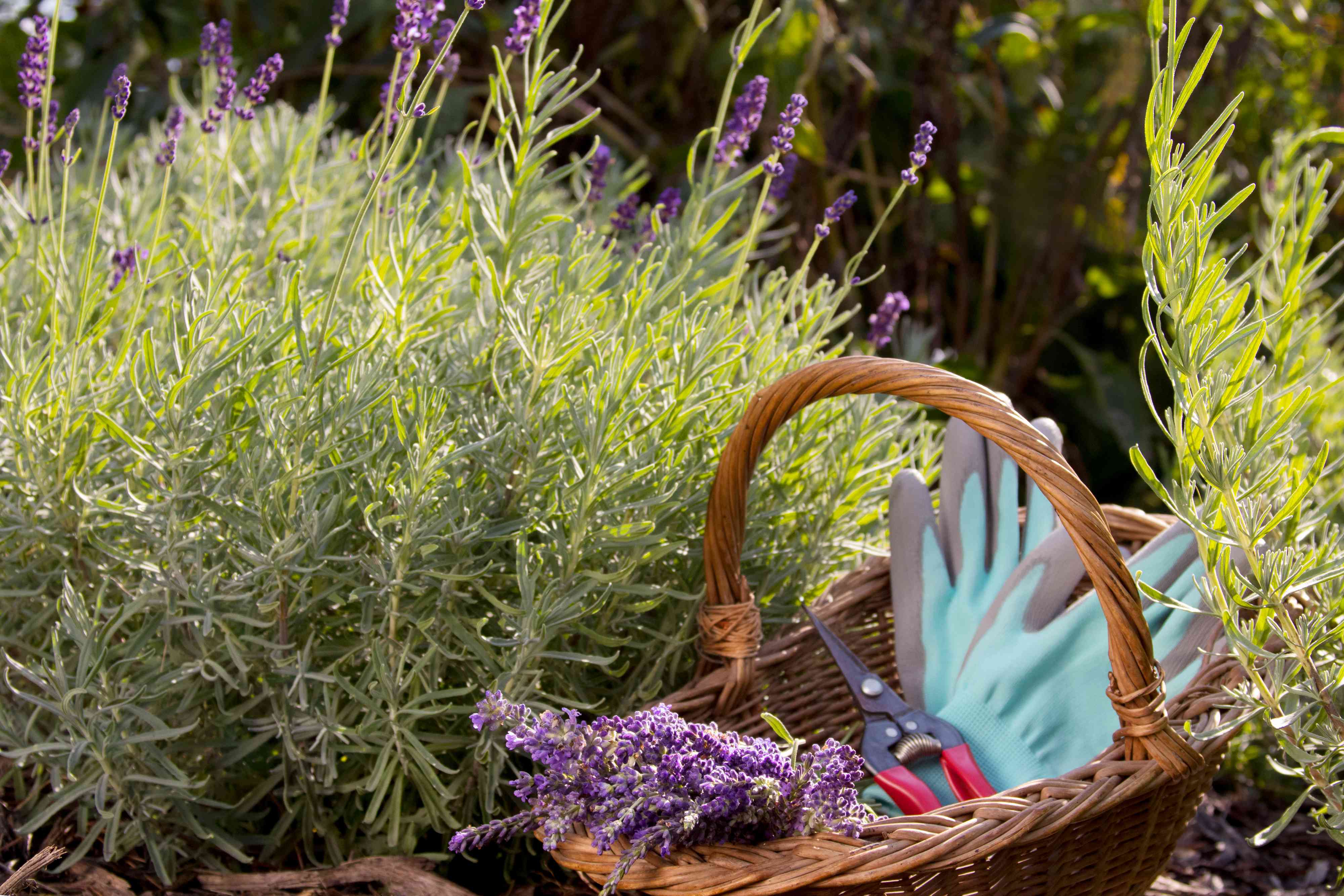
If your dream garden includes fresh bouquets on the kitchen table from spring through fall, perennial plants for cut flowers are the gift that keeps coming back. Annuals are wonderful, of course, but perennials have a special kind of garden magic: plant them once, care for them well, and they return year after year like reliable friends who never show up empty-handed.
The trick is choosing perennial cut flowers that bloom at different times, offer sturdy stems, and hold up well in a vase. A smart cutting garden is not just a patch of pretty faces. It is a season-long production line of color, texture, fragrance, and “Where did you buy those?” compliments. Spoiler: you grew them yourself, which automatically makes you the neighborhood floral genius.
Below are 19 of the best perennials for cut flowers, including spring classics, summer workhorses, fall favorites, and a few textural heroes that make bouquets look like they came from a boutique florist instead of the corner of your backyard.
Why Grow Perennials for Cut Flowers?
Perennials are plants that live for more than one growing season. Many herbaceous perennials die back in winter and return from their roots or crowns in spring. For cut flower gardeners, that means less replanting, more long-term structure, and a garden that becomes more generous as it matures.
The best perennial cut flower garden includes a mix of bloom times. Peonies and iris start the show in spring. Coneflowers, bee balm, yarrow, phlox, salvia, and Shasta daisies carry summer. Sedum, asters, anemones, and black-eyed Susans help finish the season with color when many annuals are starting to look tired and dramatic.
How to Choose the Best Perennial Cut Flowers
Look for Strong Stems
Good cut flowers need stems that can stand up in a vase without flopping like overcooked spaghetti. Plants such as liatris, coneflower, Shasta daisy, black-eyed Susan, and garden phlox are useful because they naturally produce upright stems.
Plan for Bloom Succession
Do not plant only one season of beauty. A cutting garden should have early, midseason, and late bloomers. This keeps your vases full and prevents the dreaded “everything bloomed while I was on vacation” situation.
Think Beyond Flowers
Great bouquets need fillers, spikes, disks, and airy textures. Yarrow adds flat-topped clusters. Catmint and salvia bring soft purple spires. Sedum provides sturdy late-season heads. Anise hyssop adds vertical texture and a pleasant herbal feel.
19 Perennial Plants for Cut Flowers to Fill Your Vases All Season Long
1. Peony
Peonies are the queens of spring cut flowers. Their big, ruffled blooms look expensive, smell lovely, and make even a mason jar feel like it has inherited a country estate. Plant peonies in full sun with well-drained soil, and avoid burying the eyes too deeply, or they may sulk instead of bloom.
For the longest vase life, cut peony buds when they are in the “marshmallow stage,” meaning the bud feels soft but has not fully opened. Once established, peonies can live for decades, making them one of the best investments in a perennial cutting garden.
2. Yarrow
Yarrow is a hardworking perennial with flat-topped flower clusters that bring structure to bouquets. It comes in shades of yellow, white, pink, red, peach, and terracotta. It loves full sun, tolerates dry soil, and does not need pampering, which is ideal for gardeners who prefer plants with a little backbone.
Yarrow also dries beautifully, so you can use it in fresh summer arrangements or save it for dried wreaths and autumn displays. Cut stems when the flower clusters are fully colored and firm.
3. Purple Coneflower
Purple coneflower, or echinacea, is a native perennial loved by pollinators and bouquet makers alike. Its daisy-like petals and raised cone centers add a relaxed meadow look to arrangements. Traditional purple varieties are classic, but modern cultivars also come in white, orange, yellow, coral, and red.
Cut coneflowers when petals are open and the center cone is developing. Leave some seed heads in the garden later in the season for birds, especially finches.
4. Shasta Daisy
Shasta daisies are cheerful, dependable, and almost impossible to dislike. Their white petals and yellow centers brighten mixed bouquets and pair well with nearly every color. They thrive in full sun and average, well-drained soil.
Cut stems when the flowers are fully open but still fresh. Deadheading encourages more blooms and keeps the plant looking tidy. Divide clumps every few years if flowering starts to decline.
5. Garden Phlox
Garden phlox brings fragrance, height, and full flower clusters to summer bouquets. It blooms in pink, lavender, white, purple, coral, and bicolor shades. In the garden, it works beautifully behind shorter perennials and attracts butterflies like it is hosting a tiny nectar café.
Phlox prefers fertile, well-drained soil and good air circulation. Choose mildew-resistant varieties when possible. Cut stems when about one-third to one-half of the florets in the cluster have opened.
6. Bee Balm
Bee balm, also called monarda, has shaggy, firework-like flowers that add personality to arrangements. It blooms in red, pink, purple, lavender, and white, and it is especially popular with hummingbirds, bees, and butterflies.
Use bee balm when you want a bouquet that looks lively rather than overly formal. It prefers sun to part sun and moderately moist soil. Deadhead spent blooms to improve appearance and encourage additional flowers.
7. Liatris
Liatris, often called blazing star or gayfeather, produces tall purple or white flower spikes. Unlike many spike flowers, liatris opens from the top down, which gives arrangements a fun vertical accent. It is excellent for fresh bouquets and can also be dried.
Plant liatris in full sun and well-drained soil. Cut when the top flowers begin opening. Its narrow shape makes it perfect for slipping into bouquets that need height without bulk.
8. Astilbe
Astilbe is a wonderful choice for gardeners with partial shade. Its feathery plumes come in white, pink, peach, lavender, and red, adding softness to floral designs. It prefers consistently moist, rich soil and looks especially beautiful near hostas, ferns, and shade-loving foliage plants.
Cut astilbe when the plumes are mostly open and fluffy. It brings a romantic, airy texture to vases, especially when paired with peonies, phlox, or Japanese anemones.
9. Coreopsis
Coreopsis, also known as tickseed, is a sunny perennial that produces bright yellow, gold, red, or bicolor daisy-like flowers. It is drought tolerant once established and blooms generously in summer.
For bouquets, choose taller varieties with longer stems. Deadheading helps extend the bloom season. Coreopsis is ideal for casual arrangements, cottage garden bouquets, and cheerful “I grew this and I am proud” countertop displays.
10. Salvia
Perennial salvia offers upright flower spikes in shades of violet, blue, pink, and white. It is easy to grow, deer resistant in many areas, and loved by pollinators. In bouquets, salvia adds strong vertical lines and a cool color note that balances hot summer blooms.
Cut salvia when the lower flowers on the spike have opened. Shear plants lightly after the first flush to encourage reblooming.
11. Catmint
Catmint is not just a pretty edging plant. Its soft lavender-blue flower spikes and aromatic gray-green foliage are excellent for informal arrangements. It blooms for a long period, especially if cut back after the first wave.
Use catmint as a filler around larger blooms such as peonies, daisies, and coneflowers. It likes full sun and well-drained soil, and once established, it handles dry conditions with impressive calm.
12. Delphinium
Delphiniums are the drama department of the perennial cutting garden. Their tall spikes in blue, lavender, pink, purple, and white create instant elegance. They prefer rich soil, consistent moisture, and protection from strong wind.
Cut delphiniums when several lower florets are open. Because the stems are tall and sometimes heavy, staking is often helpful. Yes, they can be a little fussy, but that blue is worth a few garden negotiations.
13. Iris
Iris adds sculptural beauty to spring and early summer bouquets. Bearded iris, Siberian iris, and Japanese iris all bring graceful lines and rich color. The blooms may not last as long as some cut flowers, but their elegance is undeniable.
Cut iris when the first bud shows color and is beginning to unfurl. Remove spent flowers from the stem as they fade so the remaining buds can open cleanly.
14. Black-Eyed Susan
Black-eyed Susan is a late-summer favorite with golden petals and dark centers. It pairs beautifully with ornamental grasses, coneflowers, sedum, asters, and sunflowers. In a vase, it brings a cheerful prairie-style look that says, “Yes, summer is still here.”
Cut when flowers are fully open but before petals begin to droop. Some types are short-lived perennials, but they often self-seed and keep the show going.
15. Sedum
Upright sedum, especially types similar to ‘Autumn Joy,’ is one of the best late-season perennial cut flowers. Its thick stems and broad flower heads shift from green to pink to rosy bronze as the season progresses.
Use sedum fresh in late summer and fall bouquets, or let stems dry for everlasting arrangements. It thrives in full sun and well-drained soil and prefers not to be overwatered.
16. Anise Hyssop
Anise hyssop produces lavender-blue flower spikes and fragrant foliage with a sweet herbal scent. It attracts bees, butterflies, and hummingbirds, and its stems work well in both fresh and dried arrangements.
Cut when about half the flowers on the spike are open. It is especially useful in natural-looking bouquets with coneflower, yarrow, black-eyed Susan, and ornamental grasses.
17. Helenium
Helenium, sometimes called sneezeweed, is a bright late-summer and fall bloomer with warm shades of gold, orange, copper, red, and mahogany. Despite the common name, it is not a plant that makes everyone sneeze dramatically into their bouquets.
It prefers full sun and moist, well-drained soil. Cut stems when flowers are open and centers are firm. Helenium is excellent for autumn arrangements with sedum, asters, grasses, and rudbeckia.
18. Perennial Sunflower
Perennial sunflowers, including some Helianthus species and hybrids, bring golden daisy-like flowers on tall stems from late summer into fall. They are less formal than florist sunflowers but extremely useful for wild, sunny arrangements.
Give them space, because many perennial sunflowers are enthusiastic growers. Cut when blooms are open and fresh. They combine beautifully with grasses, sedum, asters, and black-eyed Susans.
19. Japanese Anemone
Japanese anemones bloom in late summer and fall, offering graceful pink or white flowers on wiry stems. They are elegant, airy, and especially useful when many summer perennials are winding down.
Plant them in part sun to light shade with evenly moist soil. Once happy, they can spread, so give them room. In bouquets, they bring movement and a delicate finish that looks effortless, even when your garden gloves are covered in mud.
Designing a Season-Long Perennial Cutting Garden
To fill vases all season long, arrange your garden by bloom time and plant height. Put tall perennials such as delphinium, phlox, perennial sunflower, and liatris toward the back. Mid-height flowers such as coneflower, Shasta daisy, bee balm, and black-eyed Susan belong in the middle. Shorter or softer plants such as catmint, coreopsis, and salvia can edge the bed.
Plant in groups of three to five when space allows. A single plant may look charming, but a cluster gives you enough stems to cut without making the garden look robbed. Nobody wants a cutting garden that looks like it had a very polite haircut in random places.
Harvesting Tips for Longer-Lasting Bouquets
Cut flowers during the cool part of the day, ideally early morning or evening. Use clean, sharp pruners and place stems into water quickly. Remove any leaves that would sit below the waterline, because submerged foliage encourages bacteria and shortens vase life.
Different flowers should be harvested at different stages. Peonies are best cut in soft bud. Phlox should be cut when several florets are open. Liatris is ready when the top buds begin to open. Daisies, coneflowers, and black-eyed Susans are usually best when fully open but still fresh.
Simple Care Tips to Keep Perennial Cut Flowers Producing
Deadheading encourages many perennials to keep blooming. Cutting flowers for bouquets is basically productive deadheading, which is one of the finest excuses ever invented for bringing more flowers indoors.
Divide crowded clumps when flowering declines. Many perennials bloom better when they have room for air, roots, and new growth. Add compost in spring, mulch to conserve moisture, and water deeply during dry spells. Avoid overfertilizing plants like yarrow, catmint, and coreopsis, because too much richness can lead to floppy growth.
Personal Experience: What a Season-Long Cutting Garden Teaches You
Growing perennial plants for cut flowers teaches patience first. In the first year, the garden may look a little underwhelming, like it is still deciding whether it wants to attend the party. The second year is better. By the third year, many perennials begin to settle in, bulk up, and produce enough stems that you can cut generously without feeling guilty.
One of the best lessons is that the garden and the vase do not always want the same thing. A fully open peony looks glorious outdoors, but if you cut it too late, it may drop petals quickly indoors. A phlox stem with every floret open looks impressive in the border, but a slightly earlier cut often lasts longer in water. Over time, you learn to harvest at the stage that gives the vase its best chance.
Another useful experience is learning how much foliage matters. Early bouquets often look like a handful of flowers standing awkwardly in a jar, beautiful but somehow unfinished. Then you start adding catmint, salvia, yarrow, anise hyssop, sedum, and even attractive leaves, and suddenly the arrangement looks intentional. The fillers are not background characters. They are the reason the main flowers look good.
Perennial cutting gardens also teach abundance without waste. You do not need to cut every bloom. Leaving some flowers for pollinators keeps the garden alive with bees, butterflies, and birds. Leaving some coneflower and black-eyed Susan seed heads also adds winter interest. A good cutting garden is not a flower factory stripped bare every week. It is a living space shared between the gardener, the vase, and the wildlife that shows up uninvited but welcome.
There is also a practical rhythm to the season. Spring begins with peonies and iris, and the first bouquet feels like a celebration after months of bare stems. Early summer brings salvia, catmint, daisies, and yarrow. Midsummer gets louder with coneflower, bee balm, phlox, coreopsis, and liatris. By late summer and fall, sedum, helenium, perennial sunflower, black-eyed Susan, and Japanese anemone take over. The garden becomes a relay race, and each plant carries the baton for a few glorious weeks.
Perhaps the biggest surprise is how forgiving many perennial cut flowers are. You can make mistakes. You can cut a stem too short, forget to deadhead, plant something too close, or discover that delphiniums are apparently auditioning for a wind disaster movie. The garden adjusts. You divide, move, stake, prune, and learn. Next year, the same plants return and give you another chance.
And then there is the joy of ordinary bouquets. Not every arrangement needs to be perfect. A few Shasta daisies in a drinking glass can brighten a desk. Three peonies in a pitcher can make a room feel expensive. A late-season mix of sedum, black-eyed Susan, and anise hyssop can make fall feel less like an ending and more like a grand finale. That is the real charm of perennial cut flowers: they make beauty feel available, repeatable, and wonderfully close to home.
Conclusion
The best perennial plants for cut flowers combine beauty, reliability, and season-long timing. By planting spring bloomers like peony and iris, summer stars like coneflower, yarrow, phlox, bee balm, salvia, and Shasta daisy, and fall favorites like sedum, helenium, Japanese anemone, and perennial sunflower, you can enjoy fresh bouquets for months.
Start with a few dependable varieties, learn their harvest stages, and keep expanding as your garden grows. Before long, your vases will be full, your pollinators will be busy, and your grocery-store flower budget may begin to look suspiciously unnecessary.