The COVID-19 pandemic did not invent stress, loneliness, job loss, grief, or addiction. It simply gathered them into one room, locked the door, and forgot to bring snacks. For millions of Americans, the result was not just emotional exhaustion but a measurable rise in risky substance use, alcohol misuse, relapse, and overdose deaths. COVID-related stressors created the perfect storm: disrupted routines, reduced access to treatment, financial panic, social isolation, fear of illness, and a national mood that could be summarized as “please do not ask me how I am doing.”
Substance abuse during the pandemic became one of the clearest examples of how public health crises rarely travel alone. A virus attacked bodies, while stress attacked coping systems. Some people coped by exercising, baking sourdough, or organizing their closets with the intensity of a military operation. Others turned to alcohol, opioids, stimulants, cannabis, sedatives, or combinations of substances to numb anxiety, boredom, trauma, or depression. The problem was not moral weakness. It was biology, environment, access, and pressure colliding at high speed.
Why COVID-related stressors increased substance abuse
Stress is not just a feeling; it is a full-body alarm system. When people face prolonged uncertainty, the brain releases stress hormones that can increase cravings, reduce impulse control, and make short-term relief feel unusually attractive. During COVID-19, stress was not a quick thunderstorm. It was more like a weather app stuck on “storm warning” for months.
People lost jobs, businesses, loved ones, childcare, routines, social support, and in many cases their sense of safety. For people already living with substance use disorder, recovery routines were disrupted almost overnight. In-person counseling changed. Peer-support meetings moved online. Doctor visits became harder. Some treatment programs reduced hours. Social isolation removed the everyday accountability that often helps people stay stable.
Isolation made unhealthy coping easier
Isolation was one of the most powerful COVID-related stressors. Human beings are social creatures, even the ones who claim they “hate people” but still somehow know everyone’s business. When lockdowns and distancing measures limited contact, many people lost the emotional guardrails that come from family, friends, coworkers, school communities, and recovery groups.
Substance use often grows in silence. A person who drinks more each night may not notice how quickly “just one glass” becomes a nightly routine. Someone misusing prescription medication may feel less visible when there is no office to attend, no lunch with friends, and no regular schedule. Isolation removed both support and observation, which allowed unhealthy patterns to develop quietly.
Economic pressure added fuel to the fire
Financial stress was another major driver. Job loss, reduced work hours, housing insecurity, medical bills, and uncertainty about the future created a heavy psychological load. When money becomes unstable, everything else feels unstable too. People may sleep poorly, eat irregularly, argue more often, and feel trapped. In that emotional climate, substances can appear to offer fast relief, even when they create larger problems later.
Economic stress also affects access to care. A person who loses insurance or income may delay therapy, skip medication appointments, or avoid treatment because of cost. For someone with a substance use disorder, those delays can be dangerous. Recovery is often strongest when care is consistent. The pandemic made consistency difficult.
The role of anxiety, grief, and uncertainty
The pandemic gave people many reasons to worry: illness, death, school closures, family separation, supply shortages, and constant news alerts. The uncertainty was exhausting. People were not only afraid of what was happening; they were also afraid of what might happen next. That kind of chronic worry can push the brain toward quick comfort.
Alcohol and drugs can temporarily dull emotional pain, but they do not solve the underlying stress. In fact, they often make anxiety and depression worse over time. Alcohol can disrupt sleep, worsen mood swings, and lower resilience. Opioids and sedatives can create dependency and raise overdose risk. Stimulants may increase anxiety, irritability, and sleep problems. The short-term escape often comes with a long-term bill, and unfortunately, the interest rate is rude.
Grief became complicated and lonely
Many families experienced loss during COVID-19 without the usual rituals of mourning. Funerals were delayed, hospital visits were restricted, and people grieved through screens. Grief without community support can become heavier. Some people used substances to manage sadness, anger, guilt, or numbness. Others relapsed after years of recovery because the emotional weight became too much to carry alone.
This is one reason substance abuse should be understood through a compassionate lens. Addiction is not simply about the substance. It is often about pain, trauma, stress, and the search for relief. During COVID-19, many people were carrying more pain than their usual coping tools could handle.
Alcohol use rose during the pandemic
Alcohol became one of the most common coping tools during the pandemic because it was legal, widely available, socially normalized, and easy to use at home. The rise of remote work blurred boundaries between weekdays and weekends. For some people, “wine o’clock” started arriving earlier than the mail.
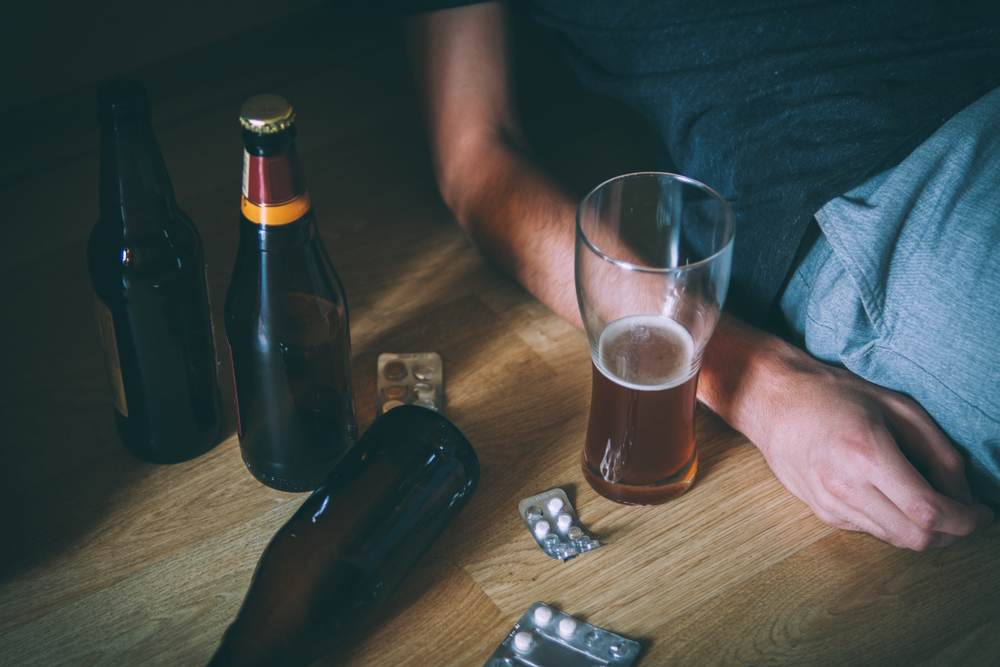
Studies and national surveys found increases in alcohol consumption during the early pandemic period, including more frequent drinking and more heavy drinking among some adults. Alcohol-related deaths also rose sharply during the first years of COVID-19. This pattern shows how stress-driven drinking can move from casual use to harmful use faster than many people expect.
Why pandemic drinking became risky
The danger was not only that people drank more. It was that many drank for different reasons. Drinking to celebrate is not the same as drinking to cope with fear, loneliness, or emotional exhaustion. Coping-based drinking is more likely to become repetitive because the trigger keeps returning. During the pandemic, the trigger was everywhere: in the news, at work, in family life, and sometimes in the grocery aisle when toilet paper disappeared like it had joined a witness protection program.
Alcohol also became easier to access through delivery services and relaxed sales rules in some areas. Combined with fewer social activities and more time at home, this created conditions where drinking could increase without immediate social feedback.
Drug overdose deaths and the pandemic connection
Drug overdose deaths were already a major public-health crisis before COVID-19, especially because of fentanyl and other synthetic opioids in the illicit drug supply. The pandemic intensified the crisis. Stress increased. Treatment was disrupted. People were more likely to use substances alone, which is especially dangerous because there may be no one nearby to respond in an emergency.
The pandemic also affected drug markets. Disruptions in supply chains may have changed the availability, potency, and mixture of substances. People using drugs may not have known what they were taking, which increased risk. Polysubstance use, or using more than one substance, became especially concerning because combinations can increase the chance of severe harm.
Using alone increased danger
Isolation did not just increase cravings; it increased risk. When people use opioids or sedatives alone, an overdose can become fatal because no one is present to call for help or provide emergency support. This is one of the clearest examples of how social isolation can become a medical risk factor.
Prevention efforts during and after the pandemic have emphasized access to naloxone, treatment medications for opioid use disorder, harm-reduction education, and low-barrier care. These strategies are not about approving drug misuse. They are about keeping people alive long enough to recover.
Who was most affected?
COVID-related substance abuse did not affect everyone equally. Young adults, essential workers, unpaid caregivers, people with existing mental health conditions, people with substance use disorders, and communities facing economic or racial inequities often experienced heavier burdens.
Essential workers faced fear of exposure, long hours, public pressure, and exhaustion. Parents and caregivers handled school closures, childcare problems, and work demands at the same time. Young adults lost social milestones, campus life, early career opportunities, and structure. People in recovery lost in-person support systems. For many, the pandemic did not create one stressor; it stacked several on top of one another like a very unpleasant sandwich.
Mental health and substance use often overlap
Mental health challenges and substance abuse frequently interact. Anxiety, depression, trauma, and chronic stress can increase the risk of substance misuse. At the same time, substance misuse can worsen mental health symptoms. This two-way relationship became more visible during COVID-19.
Someone drinking to sleep may eventually sleep worse. Someone using stimulants to stay productive may become more anxious and exhausted. Someone misusing opioids to escape emotional pain may develop dependence. The cycle can feel personal, but it is also predictable from a public-health perspective.
How telehealth changed addiction treatment
One hopeful development during the pandemic was the rapid expansion of telehealth. Therapy, recovery support, and some forms of medication treatment became easier to access remotely. For people in rural areas, people without reliable transportation, or people balancing work and childcare, telehealth reduced barriers.
Telehealth was not perfect. Some people lacked privacy, internet access, or comfort with technology. Others needed in-person medical care or more intensive treatment. Still, the pandemic proved that flexible care can help more people stay connected to support. In addiction treatment, convenience is not a luxury. Sometimes it is the difference between staying engaged and disappearing from care.
Warning signs of stress-related substance misuse
Substance abuse does not always arrive wearing a dramatic cape. Sometimes it looks ordinary at first. A person may drink more often, take medication differently than prescribed, hide use, skip responsibilities, withdraw from friends, or feel unable to relax without a substance. They may promise themselves they will cut back “next week,” only to discover that next week has apparently moved to another zip code.
Other warning signs include increased tolerance, mood changes, financial problems, secrecy, cravings, risky behavior, or using substances despite negative consequences. When substance use becomes a primary way to manage stress, it is time to pay attention.
When to seek help
Help is important when substance use feels hard to control, causes conflict, affects school or work, worsens mental health, or creates safety risks. Treatment may include counseling, medication, peer support, family support, outpatient care, or residential programs depending on the situation. A primary care provider, licensed therapist, addiction specialist, or local behavioral health clinic can help guide next steps.
In the United States, SAMHSA’s National Helpline can connect people with treatment information for mental health and substance use concerns. For urgent medical danger, calling emergency services is the right step. Recovery is not a personality test. It is healthcare.
Practical ways to reduce COVID-related stress without substances
Reducing stress does not require becoming a monk, buying a $400 meditation cushion, or pretending kale chips are exciting. It starts with small, repeatable actions that calm the nervous system and rebuild routine.
Rebuild daily structure
Structure protects mental health. A consistent wake-up time, regular meals, movement, work blocks, breaks, and sleep habits can reduce the chaos that fuels cravings. During the pandemic, many people lost structure. Rebuilding it can help restore a sense of control.
Stay connected
Connection is one of the strongest protective factors against substance misuse. Phone calls, support groups, therapy, family check-ins, community activities, and honest conversations can interrupt isolation. People do not need a crowd; they need reliable contact.
Use healthier coping tools
Exercise, breathing techniques, journaling, music, faith practices, hobbies, outdoor time, and creative projects can reduce stress. These tools may sound simple, but simple does not mean weak. A walk around the block can sometimes do more for the brain than another hour of doomscrolling, which is basically cardio for anxiety.
What communities can learn from the pandemic
The rise in substance abuse during COVID-19 offers a major lesson: mental health and addiction services must be treated as essential care during emergencies. People need access to treatment, medication, counseling, recovery support, housing assistance, food security, and crisis care even when society is disrupted.
Communities can reduce harm by expanding telehealth, supporting school-based mental health programs, increasing naloxone availability, training healthcare workers in addiction care, and reducing stigma. Employers can help by offering realistic workloads, mental health benefits, and flexible leave. Families can help by talking openly and avoiding shame-based responses.
Stigma makes the problem worse
Shame keeps people silent. Silence keeps people sick. When substance abuse is treated as a character flaw instead of a health condition, people delay getting help. The pandemic showed that anyone can become vulnerable when stress overwhelms support. Compassion is not softness; it is strategy.
Experiences related to COVID-related stressors and increasing substance abuse
The pandemic stories behind substance abuse are often ordinary, which is exactly what makes them important. Consider a restaurant worker who lost shifts when dining rooms closed. At first, drinking at night felt like a way to quiet financial fear. There was no commute, no early alarm, and no manager expecting a bright smile at 8 a.m. Over time, two drinks became four. Sleep got worse. Mornings became foggy. The stress did not disappear; it simply waited until the next day wearing yesterday’s clothes.
Or think about a college student who moved back home when campus shut down. Their independence vanished. Friends were far away. Classes moved online, motivation dropped, and social life became a rectangle on a laptop screen. Cannabis or alcohol may have started as a way to feel less bored or less anxious. But when every day looked the same, the habit became part of the routine. The student was not trying to “be reckless.” They were trying to feel normal in a situation that was anything but normal.
Parents had their own version of the pressure cooker. Some worked remotely while supervising online school, making meals, cleaning, worrying about older relatives, and answering emails with the emotional energy of a drained phone battery at 2%. A parent who previously drank only on weekends might have started pouring a drink while cooking dinner because it created a tiny island of relief. The problem is that relief can become a ritual, and rituals can become difficult to change.
People in recovery faced some of the hardest experiences. A person who depended on weekly in-person meetings suddenly had to rely on video calls. For some, online support was helpful. For others, it felt distant and awkward. Privacy was another challenge. Not everyone could talk honestly about cravings while sitting in a crowded apartment with family nearby. When stress increased and support decreased, relapse risk rose.
Healthcare workers and essential workers also carried heavy emotional loads. They faced exposure risk, long hours, grief, public frustration, and constant uncertainty. After months of stress, some used alcohol or medication to unwind, sleep, or stop replaying the day. The experience shows how substance misuse can grow from exhaustion, not from a desire to self-destruct.
These examples point to one truth: substance abuse during COVID-19 was often a coping response to overwhelming circumstances. That does not make it safe, but it does make it understandable. The solution is not judgment. The solution is earlier support, easier treatment access, honest conversations, and healthier coping systems before stress becomes a crisis.
Conclusion
COVID-related stressors and increasing instances of substance abuse are deeply connected. The pandemic amplified isolation, grief, financial pressure, anxiety, disrupted treatment, and uncertainty. In response, many people turned to alcohol or drugs for relief. For some, that use became harmful. For others, it became life-threatening.
The lesson is clear: addiction prevention and mental health care must be part of every public-health response. People need connection, treatment access, stable routines, compassionate support, and practical tools for stress. The pandemic was a painful teacher, but the homework is not mysterious. Build systems that keep people connected before they fall through the cracks.
Substance abuse is not solved by shame, silence, or pretending stress is no big deal. It is addressed by care, science, honesty, and community. And maybe by remembering that when life gets overwhelming, the healthiest answer is rarely found at the bottom of a bottle, a pill bottle, or a secret habit. It is found in support, one brave conversation at a time.
Note: This article is for educational publishing purposes only and should not replace advice from a licensed healthcare professional. Anyone struggling with substance use or recovery should contact a qualified provider or a trusted local treatment service.