If you are over 65, you probably already have a mental checklist of “grown-up maintenance”: blood pressure, eye exams, cholesterol, dental cleanings, maybe the occasional heroic attempt to eat more vegetables. But one small item deserves a prime spot on that list: the shingles vaccine.
Shingles is not just “a rash.” It is caused by the varicella-zoster virus, the same virus that causes chickenpox. After a person recovers from chickenpox, the virus can stay quiet in nerve tissue for decades, like a very rude houseguest pretending to nap in the basement. Later in life, especially when immune defenses naturally weaken with age, it can reactivate as shingles.
For adults over 65, shingles can mean burning pain, a blistering rash, weeks of discomfort, sleep disruption, doctor visits, medication costs, and in some cases long-lasting nerve pain called postherpetic neuralgia. The good news is that prevention is practical. The shingles vaccine, Shingrix, is recommended for most adults age 50 and older, including people who have already had shingles before. For older adults, that makes the vaccine less of a “maybe someday” idea and more of a smart health move worth discussing now.
What Is the Shingles Vaccine?
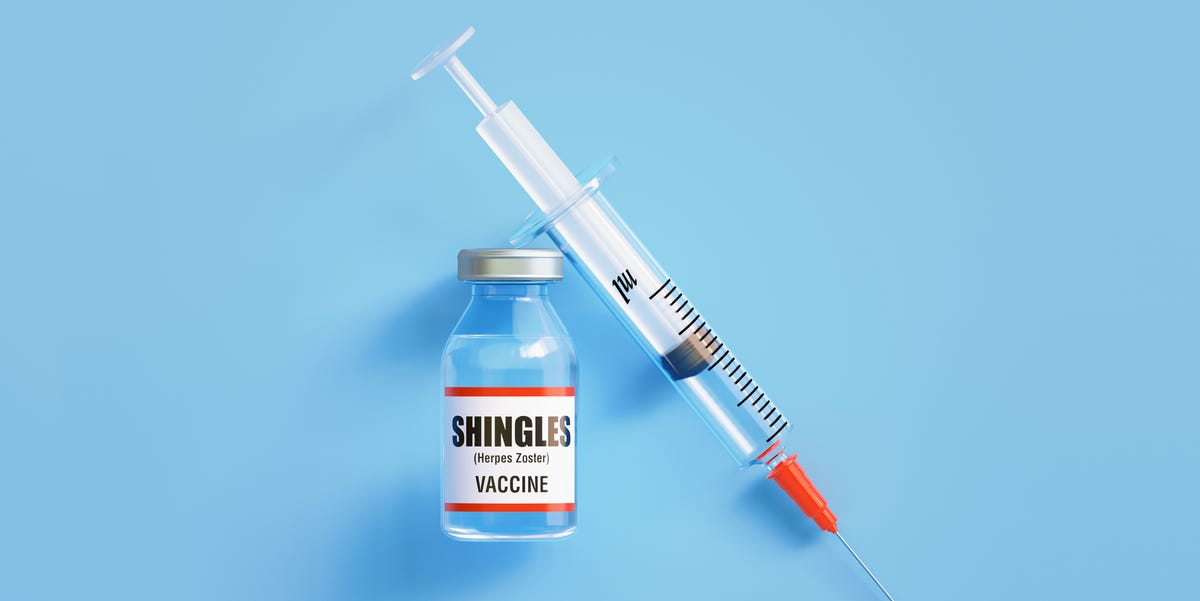
The shingles vaccine currently used in the United States is Shingrix, a recombinant zoster vaccine. It is not a live vaccine, and it is given as a two-dose series. For most healthy adults age 50 and older, the second dose is usually given two to six months after the first. Adults with certain immune system conditions may need a different schedule, so a healthcare professional can help with timing.
Shingrix is designed to train the immune system to recognize and respond to the varicella-zoster virus before it causes shingles. In plain English: it gives your immune system a wanted poster and says, “If this guy shows up, do not let him start a neighborhood drama.”
Seven Smart and Surprising Reasons to Consider a Shingles Vaccine After 65
1. Your Risk of Shingles Rises With Age
Age is one of the biggest risk factors for shingles. Many people had chickenpox as children, often long before chickenpox vaccination became routine. That means the virus may still be present in the body, waiting for a chance to reactivate. As the immune system changes with age, that chance becomes more realistic.
Over 65, the question is not simply, “Have I been healthy so far?” It is also, “How can I protect the health I still enjoy?” A person can exercise, eat well, and still develop shingles because the virus is already inside the body from an earlier infection. The vaccine helps reduce that risk before symptoms begin.
This matters because shingles often arrives at the worst possible time: before a trip, during family responsibilities, while caring for a spouse, or right when someone finally has time to enjoy retirement. Prevention is not glamorous, but neither is canceling a vacation because your ribcage feels like it has been plugged into an electrical outlet.
2. Shingles Pain Can Be More Serious Than People Expect
Shingles often starts with tingling, itching, burning, or sharp pain on one side of the body or face. A rash may appear later, commonly in a band-like pattern. For some people, the rash is manageable. For others, the nerve pain can be intense enough to interfere with sleep, dressing, bathing, walking, or even wearing a shirt.
The surprising part is that shingles pain may begin before the rash appears, which can make it confusing. Some people first worry about a pulled muscle, kidney issue, heart problem, or mysterious back pain. Once the rash arrives, the diagnosis becomes clearer, but by then the discomfort may already be in full swing.
For adults over 65, avoiding severe pain is not a small benefit. Pain can reduce mobility, increase fall risk, disturb appetite, and affect mood. When sleep is poor and movement is limited, a short-term illness can ripple into a larger health setback. A shingles vaccine cannot promise a life without aches and pains, but it can help protect against one particularly unpleasant source of nerve pain.
3. It Helps Prevent Postherpetic Neuralgia, the Complication Nobody Wants
Postherpetic neuralgia, often shortened to PHN, is long-lasting nerve pain that can remain after the shingles rash clears. This is one of the most important reasons older adults should take shingles seriously. The skin may look healed, but the nerves can keep sending pain signals for months or longer.
PHN can feel burning, stabbing, aching, or extremely sensitive to touch. Some people describe ordinary clothing, bedsheets, or a light breeze as painful. Imagine winning the retirement lottery of free time and then discovering that your favorite sweater now feels like sandpaper with an attitude.
The risk of PHN increases with age. That makes vaccination especially relevant after 65. Preventing shingles in the first place is the cleanest win, but even when breakthrough shingles occurs, vaccination may reduce the likelihood of severe complications. For many older adults, the possibility of avoiding long-term nerve pain is reason enough to roll up a sleeve.
4. Shingles Can Affect the Eyes and Face
Shingles can appear on the torso, but it can also affect the face, including areas around the eye. When shingles involves the eye, it can become medically urgent. Possible complications may include eye inflammation, vision changes, and in serious cases long-term damage.
This is one of the lesser-known reasons the shingles vaccine matters. People often think of shingles as a painful stripe around the waist. That can happen, but shingles does not politely restrict itself to convenient locations. If it affects the forehead, eyelid, or eye area, prompt medical care is important.
For someone over 65 who already manages cataracts, glaucoma, dry eye, macular degeneration, or regular vision checkups, preventing another possible eye-related complication is a practical decision. Good vision supports driving, reading, cooking, medication management, and independence. Protecting it is not vanity. It is daily-life insurance.
5. The Vaccine Is a Two-Visit Plan, Not a Complicated Project
Some health decisions feel like they require a binder, a spreadsheet, and a family committee. The shingles vaccine is simpler. For most adults over 65, it is a two-dose series. The main task is remembering to return for the second dose. A calendar reminder, pharmacy text alert, or note on the refrigerator can handle that.
The second dose matters because it completes the series and helps build stronger protection. If the second dose is delayed, people should generally get it rather than restart the series, but personal timing questions are best handled by a clinician or pharmacist.
Many pharmacies and medical clinics offer the vaccine, which can make access easier. For Medicare beneficiaries, coverage often runs through Medicare Part D or a Medicare Advantage plan with drug coverage. Calling ahead is still wise because billing can vary by location, plan, and pharmacy system. Nobody wants a surprise at the checkout counter unless it is a coupon for snacks.
6. You May Still Need It Even If You Already Had Shingles
A common myth is that one shingles episode provides complete future protection. Unfortunately, shingles can happen more than once. Having had shingles before does not automatically remove the value of vaccination. In fact, U.S. guidance recommends Shingrix for eligible adults even if they report a prior shingles episode.
The timing should be sensible. A person should not get vaccinated during an active shingles outbreak. The acute illness should resolve first, and a healthcare professional can advise when it is appropriate to receive the vaccine afterward.
This point is especially important for older adults who had shingles years ago and assume they are “done.” The immune system changes over time, and protection from a past episode may not be enough. Think of it like replacing batteries in a smoke detector. The fact that it beeped once in 2016 does not mean it is ready for every emergency forever.
7. It May Protect More Than Your Skin
The main proven reason to get the shingles vaccine is to reduce the risk of shingles and related complications. That is the headline. However, researchers have also explored possible links between shingles vaccination and broader health outcomes, including dementia and cardiovascular events. Some studies have reported promising associations, though scientists continue to study whether vaccination directly causes those benefits or whether other factors are involved.
For readers over 65, the careful takeaway is this: do not get the shingles vaccine because someone on the internet promised it is a magic brain-and-heart shield. Get it because it is recommended to prevent shingles, a painful and sometimes serious disease. If future research confirms additional benefits, wonderful. That would be the health equivalent of finding twenty dollars in a coat pocket.
Even without extra claims, the vaccine already has a strong practical case. Avoiding shingles can help preserve sleep, movement, social plans, caregiving routines, and independence. Those are not small things. They are the everyday ingredients of a good older adulthood.
Who Should Talk to a Doctor Before Getting the Shingles Vaccine?
Most adults over 65 are candidates for Shingrix, but some people should have a conversation with a healthcare professional first. This includes anyone who has had a severe allergic reaction to a vaccine component, anyone currently experiencing shingles, people with moderate or severe acute illness, and people with complex immune system conditions or treatments.
People taking immune-suppressing medications, receiving cancer treatment, living with autoimmune disease, or preparing for a transplant should ask about timing. The vaccine may still be recommended, but the schedule can matter. A clinician can coordinate vaccination with treatment cycles so the immune response has the best chance to work.
Pregnancy is generally not a concern for the over-65 audience, but the same principle applies: personal medical details matter. A vaccine conversation is not a courtroom interrogation. It is a short, practical check-in: “Is this right for me, and when should I get it?”
What Side Effects Should You Expect?
Shingrix is known for being effective, and it is also known for causing temporary side effects in some people. Common reactions may include soreness, redness, or swelling where the shot was given. Some people also report fatigue, headache, muscle aches, chills, fever, stomach discomfort, or nausea.
These symptoms usually pass within a few days. Many people plan the vaccine when they do not have a packed schedule the next day. That does not mean you need to clear a week and dramatically announce your “vaccine retreat.” It simply means you may want to avoid scheduling the shot the day before hosting Thanksgiving, moving furniture, or attempting your personal best in pickleball.
Serious allergic reactions are rare, but urgent care is needed for symptoms such as trouble breathing, swelling of the face or throat, a fast heartbeat, dizziness, or hives. Anyone with a history of severe allergic reactions should tell the pharmacist or clinician before vaccination.
How to Make the Shingles Vaccine Easier to Complete
Schedule Dose Two Before You Leave
When you receive the first dose, ask to schedule the second dose right away. If that is not possible, set two reminders: one for the earliest recommended date and another before the outer window. The best vaccine plan is the one you actually finish.
Use Your Pharmacy Records
Many older adults receive vaccines at pharmacies. Keep a printed record, take a photo of the receipt, or ask the pharmacy to update your immunization record. This helps your primary care office know what you received and when.
Pair It With a Health Routine
If you already schedule an annual wellness visit, flu shot, dental cleaning, or medication review, use that moment to ask about shingles vaccination. Bundling health tasks can make prevention feel less scattered.
Ask About Cost Before the Appointment
Many Medicare beneficiaries pay nothing for ACIP-recommended adult vaccines through Part D coverage, including shingles vaccination. Still, call your plan, clinic, or pharmacy before the appointment. A two-minute billing question can prevent a twenty-minute headache later.
Common Myths About Shingles Vaccination
“I Never Had Chickenpox, So I Do Not Need It.”
Many adults do not remember having chickenpox, especially if the case was mild or happened in early childhood. U.S. guidance does not require routine screening for past chickenpox before giving Shingrix to adults in the recommended age group. If you are unsure, ask your healthcare professional rather than assuming you are in the clear.
“I Am Too Old for It to Matter.”
There is no maximum age for Shingrix in CDC guidance. A healthy 75-year-old, 82-year-old, or 90-year-old may still benefit from reducing shingles risk. The goal is not to win a medical merit badge. The goal is fewer preventable problems.
“I Already Got the Old Shingles Vaccine.”
The older shingles vaccine, Zostavax, is no longer available in the United States. People who previously received it are still generally recommended to receive the two-dose Shingrix series. If you are unsure which vaccine you had, your healthcare provider or pharmacy records may help.
“Side Effects Mean the Vaccine Gave Me Shingles.”
Shingrix is not a live vaccine, so it does not cause shingles infection. Temporary side effects can happen because the immune system is responding. That response can be annoying, but it is not the same as developing shingles.
Real-Life Experiences: What Older Adults Often Notice, Ask, and Learn
Experiences with shingles vaccination vary, but several patterns show up again and again in conversations among older adults, caregivers, pharmacists, and primary care offices. The first is simple procrastination. Many people over 65 say they meant to get the shingles vaccine “next month,” and then next month quietly turned into next year. This is understandable. Preventive care rarely feels urgent until the problem arrives wearing tap shoes. But shingles is exactly the kind of condition where waiting can be costly. People who have watched a friend deal with months of nerve pain often become much more motivated to get vaccinated themselves.
Another common experience is surprise at the side effects after the first or second dose. Some people feel perfectly fine. Others feel tired, achy, or mildly feverish for a day or two. The practical lesson is not to fear the vaccine, but to plan kindly. Many older adults prefer to get the shot on a day when they can rest the next morning if needed. They hydrate, keep meals simple, and avoid stacking the appointment right before travel or a major family event. In other words, they treat it like a small home repair: not a disaster, but easier when you do not schedule it during a thunderstorm.
A third experience involves the second dose. People sometimes forget it, especially when the first dose was given at a pharmacy separate from their doctor’s office. The best strategy is to schedule dose two immediately, add it to a phone calendar, and write it on a paper calendar as backup. Some people ask a spouse, adult child, or friend to remind them. This is not overkill. It is teamwork. The two-dose series is designed that way for a reason, and finishing it is the best way to receive full intended protection.
Caregivers also bring a useful perspective. An adult child helping a parent manage appointments may notice that shingles vaccination belongs in the same conversation as flu, COVID-19, RSV, pneumococcal vaccination, medication reviews, fall prevention, and vision care. It is part of a larger independence plan. Preventing a painful illness can help an older adult keep walking, sleeping, cooking, driving, volunteering, and enjoying social routines. Those ordinary activities are not ordinary when they are suddenly interrupted.
Some older adults who already had shingles describe vaccination as emotionally reassuring. After one episode, they do not want a repeat performance. They remember the strange early symptoms, the rash, the pain, or the frustration of waiting for normal life to return. For them, the vaccine is not an abstract recommendation; it is a way to reduce the odds of reliving a miserable chapter. Others decide after seeing shingles affect a friend’s eye or hearing about postherpetic neuralgia. Personal stories often make prevention feel real in a way statistics cannot.
Cost questions are another practical experience. Many people are pleasantly surprised to learn that Medicare Part D coverage often means no copay for the shingles vaccine, but the billing pathway can still be confusing. Some clinics may bill differently than pharmacies. The smartest move is to call ahead and ask, “Do you bill my Part D plan for Shingrix, and will I owe anything today?” That one question can make the appointment smoother and avoid the classic healthcare hobby of being transferred between departments while listening to hold music from 1998.
Finally, many older adults say the decision feels easier after a short conversation with a trusted clinician or pharmacist. They want to know whether their medications matter, whether they should wait after a recent illness, and what side effects are normal. Good questions do not make someone difficult. They make the decision informed. For most eligible adults over 65, the shingles vaccine is a straightforward prevention tool, but the best plan is still personal: the right timing, the right records, and a clear reminder to complete both doses.
Conclusion: A Small Shot With a Big Prevention Payoff
For adults over 65, the shingles vaccine is worth serious consideration because shingles is common, painful, and more likely to cause complications with age. The vaccine helps reduce the risk of shingles and postherpetic neuralgia, may lessen the severity of breakthrough illness, and can protect daily routines that matter deeply: sleeping comfortably, staying active, traveling, caregiving, and enjoying retirement without an unnecessary nerve-pain plot twist.
The smartest next step is simple: ask your doctor or pharmacist whether you are due for Shingrix, confirm your insurance coverage, schedule dose one, and set a reminder for dose two. Prevention may not be flashy, but neither is a shingles rash. In this case, boring is beautiful.