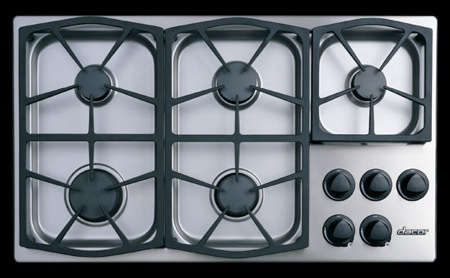
The Dacor 5-Burner Renaissance Gas Cooktop is the kind of appliance that makes a kitchen feel as if it has finally put on a tailored jacket. It is sleek, serious, and built for people who do more than reheat leftovers while pretending the microwave is “culinary equipment.” Designed as part of Dacor’s premium Renaissance cooking line, this gas cooktop became known for its five-burner layout, stainless steel styling, sealed burners, continuous grates, blue-glowing Illumina controls, and the brand’s signature SimmerSear burner technology.
Depending on the exact model number, such as RGC365, RGC365SNG, RNCT365GSNGH, or related natural gas and liquid propane versions, the details can vary. Still, the core idea remains the same: a 36-inch luxury gas cooktop built for home cooks who want professional-style heat control without turning their kitchen into a full restaurant line. It offers room for multiple pans, enough power for searing, and enough finesse for sauces that do not deserve to be boiled into sadness.
This guide takes a practical, buyer-friendly look at the Dacor Renaissance 5-burner gas cooktop: what it is, how it performs, who it fits best, what to check before buying one, and what real-world ownership feels like after the honeymoon period ends.
What Is the Dacor 5-Burner Renaissance Gas Cooktop?
The Dacor 5-Burner Renaissance Gas Cooktop is a built-in gas cooking surface commonly associated with Dacor’s 36-inch Renaissance line. It was designed for homeowners who wanted a polished, premium cooktop with powerful burners, precise control, and a more refined appearance than a basic builder-grade gas unit.
Many versions of this cooktop feature five sealed burners arranged across a 36-inch surface. Older RGC365-style models are often described with three dual-stacked sealed burners and two SimmerSear burners. Later RNCT365-style versions commonly feature one central SimmerSear burner with a melting feature, two medium-output sealed burners, and two lower-output sealed burners. Because Dacor released multiple versions and fuel configurations, shoppers should always check the exact model number and specification sheet before buying replacement parts, comparing used listings, or planning a cabinet cutout.
In plain English, this is not a “just enough to boil pasta” cooktop. It was designed to handle weeknight dinners, holiday cooking, serious sautéing, and that ambitious moment when someone decides to cook sauce, steak, vegetables, and soup at the same time. Whether that someone survives the cleanup is a separate matter, but the cooktop itself is ready.
Key Features That Define the Renaissance Line
Five-Burner Cooking Surface
The biggest practical advantage of the Dacor 5-burner Renaissance cooktop is space. A five-burner layout gives you more flexibility than a standard four-burner cooktop, especially on a 36-inch surface. You can keep a sauce warm on one burner, simmer soup on another, sear meat in the center, and still have room for a vegetable pan or tea kettle.
The center burner is usually the star of the show. On many Renaissance models, it is a SimmerSear burner capable of delivering high heat for searing while also dialing down for delicate tasks. That range matters because home cooking is not just about maximum flame. Sometimes you need power. Sometimes you need patience. A good cooktop should understand both moods.
SimmerSear Burner Technology
Dacor’s SimmerSear burner is one of the most talked-about features in the Renaissance gas cooktop family. It is designed to provide high-output heat for searing and lower, more controlled heat for simmering. On many models, the top output is listed around 18,000 BTU, which is strong enough for steak, stir-fry, fast boiling, and cast-iron cooking.
The “simmer” side of the equation is just as important. Anyone can blast heat under a pan. The real test is whether a burner can keep a tomato sauce, gravy, butter mixture, or chocolate-based dessert warm without scorching it into a kitchen tragedy. The SimmerSear concept gives the cooktop a wider personality: part muscle car, part careful pastry assistant.
Sealed Burners for Easier Cleanup
The Renaissance cooktop uses sealed burners, which help contain spills on the cooking surface instead of allowing food and liquid to fall deep into the appliance. If you have ever watched pasta water bubble over with the confidence of a volcano documentary, you already know why sealed burners matter.
Sealed burners do not make cleanup magical, but they do make it more manageable. Wiping around the burner area is easier than disassembling half the kitchen after one enthusiastic pot of oatmeal. Many stainless Renaissance models also highlight a one-piece spill basin or bead-blasted finish, both aimed at making daily maintenance less annoying.
Continuous Platform Grates
Continuous grates are another major advantage. Instead of lifting heavy cookware from burner to burner, you can slide pots and pans across the surface. This is especially useful when dealing with Dutch ovens, stockpots, cast-iron skillets, or any pan heavy enough to make your wrist file a complaint.
On a five-burner cooktop, continuous grates also help the appliance feel more professional. The cooking surface becomes one broad platform rather than five isolated flame islands. It is easier to reposition cookware, shift a pan away from intense heat, or keep several dishes moving during a busy meal.
Illumina Burner Controls
Dacor’s Illumina controls are one of the Renaissance line’s signature design touches. These die-cast knobs glow Dacor’s flame-blue color when burners are on. Yes, it looks cool. More importantly, it gives a visual reminder that a burner is active.
That small detail can be surprisingly useful. Gas flames can be low and quiet, especially during simmering. A glowing knob helps prevent the classic “wait, did I leave that on?” kitchen panic. It also adds a high-end visual cue that makes the cooktop feel a little more special than the average stainless rectangle.
Perma-Flame and Smart Flame Features
Many Dacor Renaissance gas cooktops include Perma-Flame automatic re-ignition technology. If a flame goes out unexpectedly, the system is designed to re-light it. This is helpful when simmering at low heat or when a draft, spill, or pan movement interrupts the flame.
Some models also list Smart Flame technology, which is designed to reduce excessive heat transfer toward the grates and cooking surface. For users, the main benefit is a more thoughtful cooking system that tries to balance power, control, and durability. In other words, it is not just throwing fire around like a tiny dragon with a warranty card.
Design and Build Quality
The Dacor Renaissance 5-burner gas cooktop has a premium appearance that fits well in upscale kitchens. Stainless steel versions pair easily with other high-end appliances, stone countertops, custom cabinetry, and modern transitional interiors. Black and other finish options have also appeared across older listings and model variations.
The cooktop’s layout is practical and attractive. Angled front controls help keep the knobs accessible without placing them awkwardly in the middle of the cooking zone. The heavy grates give the surface a stable, professional feel. The overall design says, “Yes, I cook,” even if your most frequent recipe is still eggs and toast.
Because many Renaissance models are now discontinued or replaced by newer Dacor cooktops, build condition matters if you are considering a used, open-box, or refurbished unit. Look carefully for grate wear, burner cap damage, ignition issues, missing knobs, cracked glass on black models, or signs of improper installation. A luxury cooktop can be a great value secondhand, but only if the essential components are intact.
Cooking Performance: Power Meets Control
The best thing about the Dacor 5-Burner Renaissance Gas Cooktop is its range of cooking personalities. It can be gentle when you need a controlled simmer and aggressive when you want serious heat. That combination is what separates a premium gas cooktop from a basic one.
For high-heat cooking, the SimmerSear burner is ideal for searing steaks, browning chicken, heating a wok-style pan, or bringing a large pot of water to a boil. While it may not replace the extreme output of a commercial wok burner, it gives home cooks plenty of power for everyday and weekend cooking.
For low-heat cooking, the smaller burners and simmer capability are useful for sauces, reductions, rice, delicate soups, and melting butter. This is where burner quality becomes noticeable. A cooktop that only does “too hot” and “off” can ruin delicate recipes. The Renaissance line was built to offer more nuance.
The five-burner setup also improves workflow. Imagine preparing a full dinner: pasta boiling, sauce simmering, garlic sautéing, vegetables steaming, and a skillet ready for protein. On a cramped four-burner cooktop, that feels like a puzzle. On a 36-inch five-burner cooktop, it feels more like a plan.
Installation Considerations Before Buying
Before buying a Dacor Renaissance gas cooktop, especially a discontinued model, installation details are critical. Do not rely on the title alone. The exact model number determines the cutout size, chassis height, gas type, regulator requirements, and whether the unit is configured for natural gas or liquid propane.
Most versions require a 120-volt electrical connection for ignition and control features. Gas pressure, ventilation, countertop clearance, cabinet depth, and overhead hood capacity also matter. A powerful gas cooktop deserves proper ventilation, particularly if you regularly cook with high heat, oil, or strongly aromatic ingredients. Translation: if your dinner smells amazing at 6 p.m., you may not want it still haunting the curtains at midnight.
Some Renaissance models are described as downdraft compatible, while others are not. That distinction is important for remodels. If your kitchen layout depends on downdraft ventilation, verify compatibility before purchase. If you are replacing an older Dacor unit, compare the original installation manual against the replacement model rather than assuming every 36-inch cooktop fits the same opening.
Who Should Consider This Cooktop?
The Dacor 5-Burner Renaissance Gas Cooktop is best suited for homeowners who enjoy cooking and want more control than a basic gas surface provides. It is a strong match for people who regularly cook multiple dishes at once, use large pans, entertain guests, or want a premium appliance look without installing a full professional range.
It also fits remodelers who already have a 36-inch cooktop cutout and want to preserve a built-in layout. For many kitchens, a cooktop-and-wall-oven combination is more flexible than a freestanding range. The Dacor Renaissance line fits that design philosophy well.
However, it may not be the best choice for everyone. If you rarely cook, want the lowest possible maintenance, or prefer instant-response electric induction, a gas cooktop may not be ideal. If you are shopping used, parts availability should also be considered. Older Dacor parts can sometimes be sourced, but availability and price vary.
Dacor Renaissance vs. Modern Gas Cooktops
Compared with newer Dacor cooktops and today’s competing luxury brands, the Renaissance line still holds appeal because of its sturdy design, distinctive Illumina controls, and strong burner configuration. Newer models may offer updated styling, revised burner layouts, more current warranty coverage, and easier retail availability.
That said, older Renaissance units can still be attractive if found in excellent condition. The key is value. A clean, fully functional unit with all grates, burner caps, knobs, regulator parts, and documentation may be worth considering. A heavily worn unit with ignition problems and missing parts can quickly become less of a bargain and more of a stainless steel homework assignment.
Pros and Cons
Pros
The main advantages are the spacious five-burner layout, strong SimmerSear performance, sealed burner cleanup, continuous grates, premium styling, and useful illuminated controls. The cooktop feels built for real cooking, not just showroom posing. It can handle family meals, entertaining, and ambitious weekend recipes with confidence.
Cons
The biggest drawbacks are availability, model confusion, installation complexity, and potential parts concerns for discontinued versions. Stainless steel also requires regular wiping to keep it looking sharp. Like most gas cooktops, it needs proper ventilation and more manual cleanup than a flat induction surface.
Cleaning and Maintenance Tips
To keep a Dacor Renaissance gas cooktop looking good, clean spills soon after the surface cools. Remove grates carefully, wipe the spill basin with a non-abrasive cloth, and avoid harsh cleaners that can damage stainless finishes or printed markings. Burner caps should be kept dry and seated properly after cleaning.
If a burner clicks repeatedly or does not ignite smoothly, check for moisture, debris, or misaligned burner parts. After a boil-over, ignition problems are often caused by water or residue around the igniter. Let everything dry completely before assuming something major has failed.
For long-term care, avoid dragging rough cookware across stainless surfaces. Clean grates according to the manual. Do not force knobs, and do not use the cooktop if you smell gas or suspect a connection issue. Gas appliances should be serviced by qualified professionals when problems go beyond basic cleaning.
Real-World Experience: Living With a Dacor 5-Burner Renaissance Gas Cooktop
Using the Dacor 5-Burner Renaissance Gas Cooktop in a real kitchen feels different from simply reading the spec sheet. On paper, five burners and a powerful SimmerSear feature sound impressive. In daily life, the biggest benefit is not just heat; it is breathing room. You stop having to play musical chairs with pans. A skillet can stay on one side, a sauce can stay low in the back, and the center burner can take care of the serious work.
For breakfast, the cooktop feels generous. You can run a small pan for eggs, another for bacon or vegetables, and still have space for a kettle or small saucepan. The continuous grates make it easy to slide cookware aside when something finishes early. This is especially helpful during busy mornings when the coffee is not ready yet and everyone is somehow both late and hungry.
At dinner, the five-burner design becomes even more useful. A pasta night is a good example. One burner handles the stockpot, another keeps sauce at a gentle simmer, a third sautés garlic or vegetables, and the remaining space can warm a side dish. The cooktop makes this kind of meal feel organized instead of chaotic. You are still responsible for not overcooking the pasta, unfortunately. Dacor cannot save us from every personal choice.
The SimmerSear burner is especially satisfying when cooking proteins. Cast iron gets hot enough for a proper sear, and the burner responds well when you reduce the flame after browning. For steaks, chops, chicken thighs, or pan-seared vegetables, that flexibility is valuable. You can start with intensity and then back down without moving the pan across the kitchen like you are conducting a fire drill.
The lower heat capability is just as pleasant. Sauces behave better when the burner allows a true gentle simmer. Butter melts without instantly browning, soups can stay warm, and gravy does not need constant rescue. If you cook dishes that require patience, such as risotto, reductions, custards, or slow sauces, the control range becomes more important than raw BTU numbers.
Cleanup is manageable but not effortless. The sealed burners and one-piece basin help, but gas cooktops still have grates, caps, grooves, and edges. If you cook often, you will wipe often. Stainless steel rewards regular attention and punishes neglect with fingerprints, water marks, and tiny reminders of last night’s sauce. The good news is that quick daily cleaning prevents most messes from becoming weekend projects.
The Illumina controls are more than decoration. The blue glow gives the cooktop a premium feel and makes it easier to notice when a burner is active. In a dim kitchen, the effect is stylish without being silly. It is a small luxury feature, but small luxuries matter when you use an appliance every day.
The biggest ownership lesson is to respect the model number. Many Renaissance cooktops look similar, but parts, dimensions, burner layouts, and fuel configurations can differ. If you are buying secondhand, ask for photos of the rating plate, burner caps, grates, knobs, and underside. Confirm natural gas versus liquid propane. Check whether the regulator is included. If possible, test ignition before purchase. A beautiful cooktop that does not light properly is basically an expensive countertop sculpture.
Overall, the Dacor 5-Burner Renaissance Gas Cooktop feels like a serious cooking appliance for people who want a premium gas experience. It is spacious, powerful, attractive, and practical. It asks for proper installation and routine cleaning, but it gives back with flexible performance and a kitchen presence that still feels upscale years after its original release.
Final Verdict
The Dacor 5-Burner Renaissance Gas Cooktop remains an appealing option for cooks who value power, precision, and premium design. Its five-burner layout, SimmerSear technology, sealed burners, continuous grates, and illuminated controls make it more than a standard gas cooktop. It was built for people who actually cook, not just people who want the kitchen to look good during a house tour.
If you are considering one today, focus on the exact model number, condition, fuel type, installation requirements, and parts availability. A well-maintained Renaissance cooktop can still be a standout centerpiece in a serious home kitchen. A poorly documented used unit, however, deserves careful inspection before money changes hands.
Note: Product specifications, burner outputs, dimensions, fuel configurations, and availability can vary by Dacor Renaissance model and production period. Always verify the exact model number and installation manual before purchasing, replacing, or installing this cooktop.