Note: This article is an original SEO-friendly feature written for web publication. It is based on real tattoo culture, public reporting, and general safety guidance, with no source links inserted into the body copy.
In a world where tattoo artists are often praised for razor-sharp realism, flawless shading, and lines so clean they look printed by a luxury laser printer, Helen Fernandes built a fan base by doing the opposite. Her drawings look wobbly. Her animals appear slightly confused about being animals. Her little characters have the confidence of museum pieces and the anatomy of a grocery-list doodle. And somehow, that is exactly the magic.
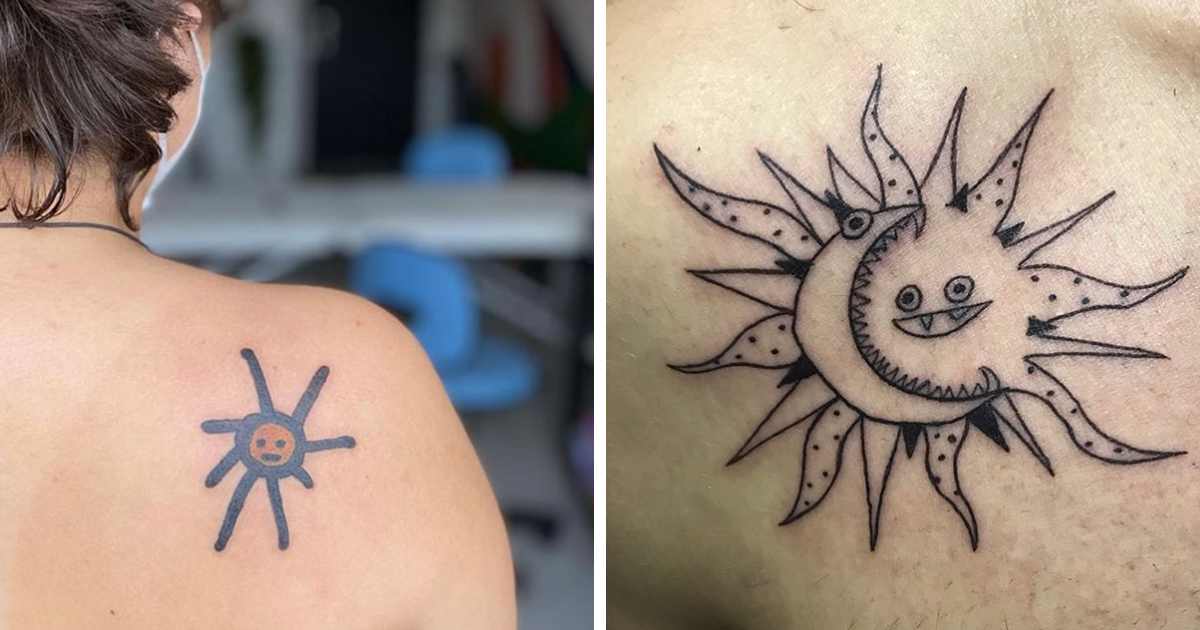
The Brazilian tattoo artist, widely known by her project name Malfeitona, became famous for what she calls tatuagens peba, often translated as “trash tattoos” or “ugly tattoos.” The phrase sounds like an insult until you see how proudly her clients wear them. These are not accidental disasters hidden under long sleeves. They are deliberately odd, funny, personal, and charmingly imperfect designs that make people smile before they even ask, “Wait, is that permanent?”
Her work taps into a bigger shift in tattoo culture. Many people are moving away from the idea that every tattoo must be majestic, deeply symbolic, and approved by a committee of serious-looking art professors. Instead, more tattoo lovers are choosing designs that feel spontaneous, silly, handmade, and emotionally honest. A little crooked? Great. A little weird? Even better. A tiny creature that looks like it just remembered it left the oven on? Put it on the arm.
Who Is Helen Fernandes, the Artist Behind Malfeitona?
Helen Fernandes, also known as Helena Fernandes in some viral coverage, is a Brazilian tattoo artist from Salvador, Bahia. Her studio name, Malfeitona, roughly plays with the idea of something “badly made,” but the joke is part of the identity. Rather than pretending to be a conventional fine-art tattooist, she leaned into her unusual drawing style and turned it into a recognizable visual language.
That is the important detail: her tattoos are not popular because she makes random mistakes. They are popular because the “badness” has personality. A truly bad tattoo usually fails because it promises one thing and delivers another. Malfeitona’s work succeeds because it tells you exactly what it is from the start. The customer is not asking for a hyperrealistic tiger. They are asking for a tiger that looks like it got drawn during a power outage by someone with excellent comedic timing.
Her designs often feature simple outlines, strange proportions, funny faces, rough shapes, handwritten text, childlike animals, tiny symbols, and deliberately awkward compositions. Instead of hiding imperfections, the tattoos celebrate them. In a polished digital world where everyone can smooth, filter, edit, sharpen, and retouch everything, a tattoo that looks human-made can feel surprisingly refreshing.
Why “Bad” Tattoo Art Can Be So Good
The appeal of these tattoos is not really about being unable to draw. It is about refusing the narrow definition of what “good drawing” must look like. Traditional tattoo skill still matters, of course. Clean equipment, safe technique, skin knowledge, and professional care are nonnegotiable. But visual style is a different conversation. A tattoo can be technically simple and still be artistically memorable.
Think about children’s drawings. A child may give a dog six legs, one heroic eyebrow, and a tail shaped like a question mark, but the drawing can still feel alive. It has energy. It has emotion. It has zero concern for impressing a gallery owner named Martin who wears black turtlenecks in July. That same spirit appears in intentionally naive tattoo styles: the charm comes from directness, humor, and personality.
Malfeitona’s tattoos also challenge the pressure to make every permanent choice profound. Sometimes a tattoo is a memorial, a milestone, or a sacred symbol. Other times, it is a little frog with suspicious eyes. Both can matter. The little frog may not explain the meaning of life, but it can become a tiny daily reminder not to take yourself so seriously.
The Rise of Ignorant-Style, Naive, and Imperfect Tattoos
Malfeitona’s work fits comfortably near a broader family of tattoo aesthetics often described as ignorant style, naive tattooing, doodle tattoos, trash tattoos, or intentionally imperfect body art. These styles tend to favor simple black lines, playful imagery, humor, roughness, and a sense of rebellion against polished tattoo conventions.
Ignorant-style tattoos are especially interesting because the name itself is provocative. It does not mean the artist is careless or untrained in hygiene. It refers to an aesthetic attitude: a rejection of what tattooing is “supposed” to look like. The result can resemble street art, notebook sketches, punk flyers, graffiti, outsider art, or a joke shared between friends at 1:12 a.m. when nobody should be making permanent decisions but somehow everyone is being very sincere.
This movement has grown alongside several other tattoo trends: fine-line tattoos, micro designs, nostalgic symbols, cybersigilism, sticker-like tattoos, and playful placements. Younger tattoo collectors in particular often seem less interested in building one perfect sleeve and more interested in collecting small moments. A tattoo can be a souvenir from a friendship, a joke, a phase, a mood, a pet, a favorite snack, or the world’s least intimidating dragon.
Why People Choose Tattoos That Look Like Doodles
1. They Feel More Personal
A flawless tattoo can be impressive, but an imperfect one can feel intimate. Doodle-style tattoos often look like something from a diary, a margin note, or a childhood sketchbook. They do not scream for attention; they invite a conversation. People like designs that feel as if they were made for one specific human, not pulled from a universal folder labeled “cool tattoo ideas.”
2. They Are Funny Without Trying Too Hard
Humor is underrated in tattoo culture. Some designs are beautiful because they are dramatic. Others are beautiful because they make you laugh every time you catch them in the mirror. A wonky cat, an anxious sun, or a bird that appears to have seen a tax bill can become a beloved personal mascot.
3. They Reject Perfection Culture
We live in a time when even casual selfies can involve lighting strategy, editing apps, and the emotional labor of pretending the photo was effortless. Imperfect tattoos push back against that. They say, “This is not optimized. This is not algorithmically polished. This is weird, and I like it.” That message resonates with people tired of everything being curated to death.
4. They Make Art Feel Accessible
Not everyone connects with elite art language. Some people want a tattoo that feels friendly, immediate, and unpretentious. Malfeitona’s work is approachable because it looks like art that has escaped the pressure to be impressive. It reminds people that creativity is not only for those who can draw a perfect horse. Sometimes creativity is drawing a horse that looks like a haunted chair and committing to the bit.
What Makes Malfeitona’s Designs Different From Tattoo Fails?
There is a huge difference between an intentionally awkward tattoo and an accidental tattoo fail. A fail usually happens when a customer expects clean realism, elegant lettering, or a recognizable portrait and receives something that does not match the plan. An intentional trash tattoo is different because the customer understands the style before the needle touches the skin.
Good “bad” tattoos still require control. The artist needs to understand placement, scale, skin behavior, line weight, and how a simple design will age. The joke should be in the drawing, not in the health and safety standards. A professionally executed doodle tattoo can be charming. An unhygienic tattoo, no matter how funny the sketch is, is never cute.
This is why Malfeitona’s popularity is so fascinating. Her visual language looks casual, but the brand is specific. The style has boundaries. The roughness is part of the concept. People are not paying for an error; they are paying for authorship. They want the unmistakable feeling of her hand, her humor, and her unusual way of translating ideas into skin.
The Psychology of Loving Imperfect Tattoos
There is something deeply human about loving imperfect art. A perfect image can be admired from a distance, but a flawed image can feel like a friend. It has quirks. It has texture. It looks vulnerable. It allows the viewer to relax.
In tattoo form, that vulnerability becomes even more powerful. Tattoos are attached to bodies, and bodies are already imperfect, changing, living things. A tattoo that looks too sterile can sometimes feel disconnected from the person wearing it. A playful, slightly messy tattoo may blend more naturally with the reality of being human: funny, emotional, unpredictable, and occasionally shaped like a potato.
There is also an element of ownership. When someone chooses an odd tattoo on purpose, they take control of the joke. They are not waiting for others to approve their taste. They already know the tattoo is weird. That is the point. This confidence can make the design feel cooler than a technically perfect tattoo chosen only because it seemed safe.
Examples of Ideas That Work in This Style
Not every idea belongs in a deliberately naive tattoo style, but many simple concepts shine in it. Animals are especially popular because a slightly incorrect animal can become instantly lovable. A cat with uneven eyes, a dog with noodle legs, a fish that looks mildly offended, or a horse shaped like a question can carry more personality than a polished stock-image version.
Food tattoos also work well: a tiny pizza slice, a lopsided strawberry, a nervous egg, a coffee cup with a face, or a sandwich that appears to have emotional baggage. These designs succeed because they do not demand seriousness. They turn ordinary objects into miniature characters.
Words and phrases can also fit the style, especially when the lettering feels handwritten and casual. The best examples are short, personal, and clear. Because text tattoos can easily go wrong, spelling and readability still matter. A crooked letter can be charming. A misspelled word may become a lifelong argument with your past self.
Should You Get an Intentionally “Bad” Tattoo?
If you are an adult considering a tattoo, the first question is not whether the design is “good” according to everyone else. The better question is whether you understand the style, trust the artist, and still like the idea after the first rush of excitement fades. A tattoo can be funny, but it should not be a rushed punchline you regret after lunch.
Before choosing an artist, look at healed work, not just fresh photos. Fresh tattoos often look darker, sharper, and more dramatic than they will after healing. Healed examples show how the artist’s lines settle into skin over time. This matters even more with minimalist and doodle-style tattoos because small line differences can change the whole expression.
Also consider placement. A tiny silly tattoo on the ankle, arm, or shoulder may feel easygoing. The same design in a highly visible professional setting may require more thought. There is no universal answer; it depends on lifestyle, comfort, and personal taste. Permanent art deserves at least a little planning, even when the art looks like it was drawn by a raccoon with a dream.
Safety Still Matters, Even When the Tattoo Looks Silly
The playful look of trash tattoos should never be confused with careless tattooing. Professional tattoo safety is essential. Choose a licensed studio where the artist uses sterile equipment, single-use needles, proper gloves, clean surfaces, and safe ink practices. A tattoo breaks the skin, which means hygiene is part of the art.
Aftercare also matters. Follow the artist’s instructions, keep the tattoo clean, avoid picking at scabs, and protect the area while it heals. Some redness, flaking, and tenderness can be normal, but worsening pain, spreading redness, heat, unusual drainage, fever, or a strong odor are warning signs that need medical attention. The goal is to have a funny tattoo story, not a dermatologist subplot.
People with skin conditions, allergies, immune concerns, or a history of difficult healing should be extra cautious and speak with a qualified professional before getting tattooed. Red inks and some pigments can be more likely to trigger reactions in certain people. A cute design is not worth ignoring a real health concern.
Why the Internet Loves Malfeitona
Malfeitona’s work is almost built for the internet, but not in the boring “content strategy” way. Her tattoos are instantly recognizable, easy to react to, and surprisingly hard to dismiss. At first glance, people may laugh. Then they look longer. Then they start noticing the confidence behind the awkwardness. Then they begin defending the tattoo as if the little crooked creature is a family member.
That emotional flip is powerful. The viewer moves from “Is this bad?” to “Actually, I love it.” Viral art often lives in that moment of surprise. Malfeitona gives people permission to enjoy something outside the polished mainstream. Her designs are not trying to win a technical contest. They are trying to be memorable, and they succeed.
In a sense, her tattoos function like anti-luxury luxury. They are not glossy, symmetrical, or traditionally elegant, but they are highly specific. The value comes from the artist’s recognizable point of view. Anyone can make a bad drawing by accident. Very few people can create a bad drawing that people proudly want forever.
What Other Artists Can Learn From Her Success
Malfeitona’s popularity offers a useful lesson for creative professionals: having a distinct voice can be more powerful than fitting every conventional standard. That does not mean skill is irrelevant. It means style, honesty, and consistency matter. She did not hide what made her work unusual. She named it, exaggerated it, branded it, and built a community around it.
Artists in any field can learn from that. The thing that seems like a weakness may become a signature when handled with intention. A strange color palette, awkward humor, rough line, unusual subject matter, or offbeat tone can become memorable if it is sincere and consistent. The world does not need every artist to make the same polished thing. It needs people brave enough to make work only they could make.
For tattoo clients, the lesson is similar: choose art that feels like you, not art that merely looks impressive to strangers. A tattoo should not need to pass a public approval exam. It can be beautiful, funny, sentimental, chaotic, minimal, traditional, abstract, or completely ridiculous. The best tattoo is one you understand and still enjoy when the trend cycle moves on.
Experience Notes: What It Feels Like to Love a “Bad” Tattoo
There is a special kind of joy in encountering a tattoo that makes no attempt to behave. I remember the first time I saw a deliberately awkward tattoo in the wild. It was not a grand sleeve or a dramatic back piece. It was a tiny, wiggly dog on someone’s forearm. The dog had four legs, technically, but they seemed to be negotiating separate contracts. Its face was mostly two dots and a line. Still, the person wearing it lit up when someone asked about it. That little dog had a whole backstory, a friendship attached to it, and more emotional range than several blockbuster movie characters.
That is the power of this style. It invites storytelling. A realistic wolf tattoo may earn admiration, but a goofy wolf that looks like it just heard gossip earns conversation. People ask why. They ask who drew it. They ask whether it was intentional. And when the answer is yes, everyone gets to share the joke.
Imperfect tattoos also tend to age emotionally in an interesting way. A trendy design can sometimes become tied to a particular year, platform, or aesthetic wave. A silly little drawing, however, may become tied to a personal chapter. Maybe it reminds someone of a trip, a friend, a phase of life, or a period when they finally stopped trying to look cool all the time. That kind of tattoo can become more meaningful because it did not begin with heavy meaning. It collected meaning as life moved around it.
There is also relief in choosing something low-pressure. Many people freeze when planning a tattoo because they believe the design must summarize their soul, honor their ancestors, predict their future, and look good in sleeveless shirts. That is a lot of responsibility for one tiny image. A playful tattoo says, “Relax. It can just be a banana with boots.” Sometimes that is exactly the emotional reset a person needs.
Of course, not everyone will understand the appeal. Some people will always prefer polished realism, traditional flash, elegant script, or ornamental work. That is fine. Tattoo culture is large enough for dragons with perfect scales and pigeons that look like tired triangles. The important part is consent, clarity, safety, and joy. When a client chooses an intentionally strange design from an artist known for that style, the tattoo becomes a collaboration, not a mistake.
Malfeitona’s work proves that art does not always need to impress us into silence. Sometimes it can make us snort-laugh, lean closer, and say, “I don’t know why, but I love this.” That response is not a failure of taste. It is taste becoming more honest. Perfect art has its place. But imperfect art has a pulse, a grin, and occasionally a cat with one leg too many. Honestly, the cat seems happy, and maybe that is enough.
Conclusion: Imperfect Ink, Perfect Personality
Helen Fernandes became known for tattoos that look “bad” by traditional standards, but her success shows how much modern tattoo culture has expanded. People are not only looking for technical perfection. They are looking for personality, humor, originality, and work that feels unmistakably human. Malfeitona’s trash tattoos are charming because they are honest about what they are: strange, funny, emotional, and proudly imperfect.
The trend also reminds us that beauty in tattooing is not one-size-fits-all. A tattoo can be elegant or chaotic, serious or silly, polished or doodled. What matters most is that the wearer chooses it knowingly, gets it done safely, and feels connected to it. In a world obsessed with perfection, a crooked little tattoo can feel like a tiny act of freedom.