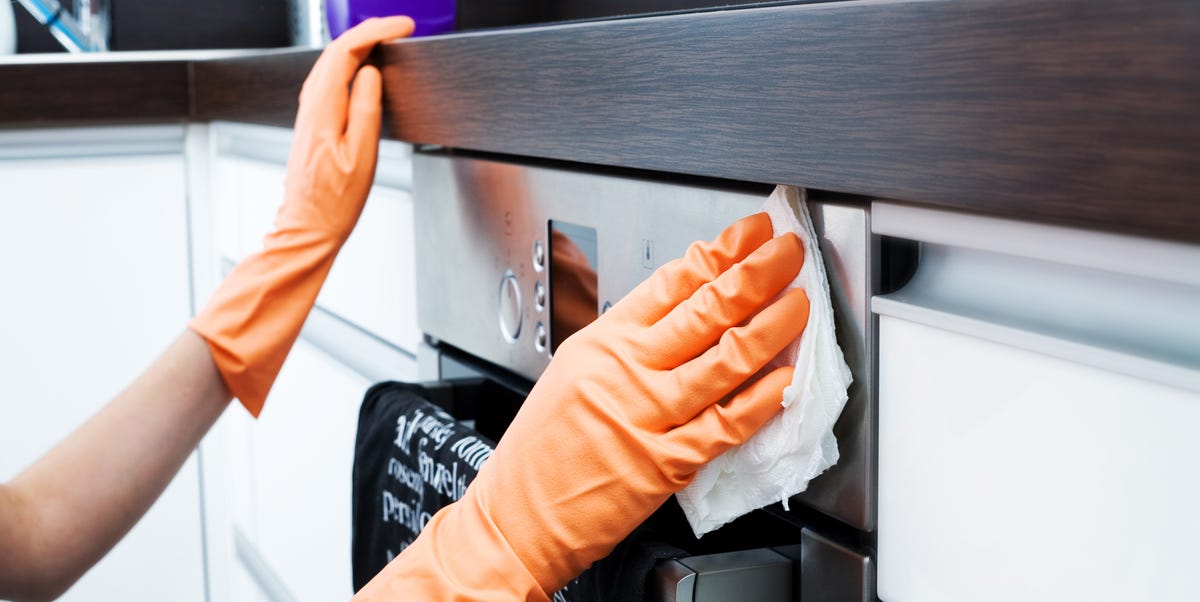
Stainless steel has a talent for looking expensive, modern, and slightly judgmental all at once. One fingerprint on a refrigerator door and suddenly your beautiful kitchen looks like it just hosted a toddler convention. The good news? Learning how to clean and preserve stainless steel is not complicated. The bad news? Stainless steel is not actually “stain-proof.” It is stain-resistant, which means it needs the right care to keep its shine, strength, and polished personality.
Whether you are dealing with stainless steel appliances, cookware, sinks, range hoods, countertops, grills, or bathroom fixtures, the same basic rule applies: be gentle, clean with the grain, rinse away residues, and dry completely. Stainless steel rewards consistency. Treat it kindly and it will sparkle for years. Attack it with bleach, steel wool, and random mystery sprays from under the sink, and it may respond with scratches, dull patches, or rust spots. Drama, but metallic.
Why Stainless Steel Needs Special Care
Stainless steel stays beautiful because of a thin protective layer that forms naturally on its surface. This invisible layer helps resist corrosion and staining. However, harsh chemicals, salty residue, acidic spills, iron particles, and abrasive scrubbing can weaken that protection. When the surface is scratched or contaminated, stainless steel may develop discoloration, pitting, or small rust-colored marks.
This is why proper stainless steel maintenance is less about scrubbing harder and more about cleaning smarter. You do not need an aggressive cleaning routine. You need the right tools, mild products, and a few simple habits.
The Best Everyday Method to Clean Stainless Steel
For most stainless steel surfaces, the safest everyday cleaning method is warm water, a small amount of mild dish soap, and a clean microfiber cloth. That simple combination removes fingerprints, grease, food splatter, dust, and light smudges without damaging the finish.
Step 1: Identify the Grain
Look closely at the surface. Stainless steel usually has faint horizontal or vertical lines. That is the grain. Always wipe in the same direction as those lines. Cleaning against the grain can leave streaks and may create tiny scratches over time. Think of it like brushing a cat: go with the fur unless you enjoy chaos.
Step 2: Use Mild Soap and Warm Water
Mix a few drops of dish soap into warm water. Dampen a microfiber cloth or soft sponge, then wipe the stainless steel in the direction of the grain. For greasy areas near a stove, let the warm, soapy cloth sit on the surface for a minute before wiping. This softens residue and saves you from unnecessary scrubbing.
Step 3: Rinse the Surface
Soap residue can leave streaks or dull the finish, so follow with a clean damp cloth. Use fresh water and wipe again with the grain. This step is especially important on food-contact surfaces such as sinks, countertops, cookware, and prep tables.
Step 4: Dry Completely
Drying is not optional. Water spots can form when minerals in tap water remain on the surface. Use a dry microfiber towel and buff gently with the grain. This final step is what turns “clean enough” into “wow, did you hire someone?”
How to Remove Fingerprints and Smudges
Fingerprints are the unofficial love language of stainless steel appliances. Refrigerator handles, dishwasher doors, and microwave panels collect them constantly. For fresh fingerprints, a damp microfiber cloth is usually enough. For oily smudges, use warm water with a tiny amount of mild dish soap, then rinse and dry.
If the appliance manufacturer allows it, a stainless steel cleaner or polish can help reduce fingerprints and restore shine. Apply only a small amount and buff with a clean cloth. Avoid overusing polish because heavy residue can attract dust and make the surface feel greasy.
How to Clean Stainless Steel Appliances
Stainless steel appliances need regular but gentle care. Refrigerators, ovens, dishwashers, microwaves, and range hoods often have brushed finishes that show streaks when cleaned incorrectly. Always check the owner’s manual first, especially if your appliance has a fingerprint-resistant, black stainless, coated, or specialty finish.
For Refrigerators and Dishwashers
Start with warm water and mild soap. Wipe handles, door edges, and control areas carefully because these spots collect oils from hands. Rinse with a clean damp cloth and dry immediately. If the surface still looks streaky, buff it with a dry microfiber cloth in long strokes following the grain.
For Ovens and Range Hoods
Grease is the main enemy here. Use a warm, soapy microfiber cloth and give the cleaner a little contact time before wiping. Do not use oven cleaner on exterior stainless steel unless the product label and appliance manual specifically say it is safe. Many oven cleaners are too harsh for stainless steel finishes.
For Microwaves
Microwave exteriors often need only a damp cloth and mild soap. Avoid spraying cleaner directly onto vents, buttons, or electronic panels. Spray the cloth instead, then wipe. Dry the surface fully to prevent streaks.
How to Clean Stainless Steel Cookware
Stainless steel cookware is durable, but it can still discolor, develop rainbow stains, or collect burnt-on food. The best first step is always soaking, not scraping. Fill the pan with warm water and dish soap, let it sit, then loosen food with a soft sponge or non-scratch scrubber.
For Burnt Food
Add water to the pan and bring it to a gentle simmer. This helps loosen stuck-on food. After the pan cools, wash with dish soap and a nonabrasive sponge. For stubborn residue, make a paste of baking soda and water. Apply it to the stain, let it sit briefly, then rub gently with the grain or circularly inside the pan, depending on the surface pattern.
For Rainbow Discoloration
Rainbow stains are usually heat-related mineral discoloration. They may look suspiciously magical, but they are common. A baking soda paste or a stainless steel cookware cleaner can help restore the appearance. Rinse thoroughly afterward so no cleaner remains on the cooking surface.
For White Water Spots
White spots often come from minerals in water. Soak the pan briefly with warm water, wash normally, and dry immediately. For recurring hard-water marks, consider drying cookware by hand instead of air-drying.
How to Clean a Stainless Steel Sink
A stainless steel sink works hard. It handles coffee, tomato sauce, pasta water, soap, toothpaste, pet bowls, and the occasional spoon that somehow becomes invisible for three days. To clean it well, rinse away loose debris first. Sprinkle a small amount of baking soda on the damp sink, then rub gently with a soft sponge in the direction of the grain.
Rinse thoroughly and dry with a microfiber cloth. Drying matters because sinks are exposed to water constantly. Standing water, salt, and food acids can encourage staining or pitting over time. Keep a small towel nearby and give the sink a quick dry at night. It takes less than a minute and makes a noticeable difference.
What Not to Use on Stainless Steel
The fastest way to ruin stainless steel is to treat it like a garage floor. Avoid harsh scrubbing and aggressive chemicals. Stainless steel is strong, but the finish can be surprisingly easy to scratch or discolor.
Avoid Chlorine Bleach
Bleach and chlorine-based cleaners can damage stainless steel and increase the risk of corrosion. This includes some disinfecting sprays, bathroom cleaners, and mildew removers. Always read labels before using a product near stainless steel.
Avoid Steel Wool and Metal Scrubbers
Steel wool can scratch the surface and may leave tiny iron particles behind. Those particles can rust, making it look like the stainless steel itself is rusting. Use microfiber cloths, soft sponges, or non-scratch pads instead.
Avoid Abrasive Powders Unless Approved
Some abrasive powders are too gritty for appliance finishes. If you use a stainless steel cleaner for cookware or sinks, make sure it is appropriate for that specific surface. Never assume a cleaner that works on a pan is safe for a refrigerator door.
Avoid Leaving Acidic or Salty Spills
Tomato sauce, vinegar, citrus juice, pickle brine, salty water, and food spills should be wiped up promptly. Short contact is usually not a disaster, but long exposure can stain or pit some stainless steel surfaces.
How to Preserve Stainless Steel Long-Term
Cleaning stainless steel is only half the job. Preserving it means preventing damage before it starts. The goal is to protect the finish, keep the surface dry, and stop corrosive residue from sitting too long.
Clean Lightly but Often
Daily or weekly light cleaning is better than waiting until grime becomes a full-time resident. Wipe appliance handles, sinks, and high-touch areas regularly with a damp microfiber cloth. This prevents buildup in the grain and reduces the need for heavy scrubbing later.
Dry After Cleaning
Moisture is one of the biggest causes of water marks. After cleaning, always dry stainless steel with a soft towel. This is especially important in humid kitchens, coastal areas, and homes with hard water.
Use the Right Cleaner for the Right Surface
There is a difference between stainless steel cookware, appliance panels, sinks, grills, and commercial prep surfaces. Cookware can usually tolerate stronger cleaning than coated appliance doors. Specialty finishes may require only mild soap and water. When in doubt, choose the gentlest option first.
Protect Against Scratches
Do not drag rough pans, tools, cans, or cleaning buckets across stainless steel counters or sinks. Use sink grids, cutting boards, trivets, and soft cloths where needed. Scratches are not just cosmetic; they can trap soil and make future cleaning harder.
How Often Should You Clean Stainless Steel?
The best schedule depends on use. Appliance fronts can be wiped weekly or whenever fingerprints appear. Refrigerator handles may need attention every few days. Stainless steel sinks should be rinsed and dried daily if used heavily. Cookware should be cleaned after every use and dried before storage. Outdoor stainless steel grills or fixtures may need more frequent cleaning because weather, salt air, pollen, and pollution can speed up discoloration.
Quick Stainless Steel Cleaning Checklist
- Use warm water, mild dish soap, and a microfiber cloth for everyday cleaning.
- Wipe with the grain, not against it.
- Rinse away soap or cleaner residue.
- Dry completely with a clean towel.
- Avoid bleach, chlorine cleaners, steel wool, and gritty pads.
- Clean salty, acidic, or greasy spills as soon as possible.
- Check the manufacturer’s instructions for coated or fingerprint-resistant finishes.
Common Stainless Steel Problems and Simple Fixes
Problem: Streaks After Cleaning
Cause: Too much cleaner, soap residue, or wiping against the grain. Fix it by rinsing with a clean damp cloth, then buffing dry with the grain.
Problem: Rust-Colored Spots
Cause: Iron particles, hard water, scratches, or residue from metal scrubbers. Use a baking soda paste or an approved stainless steel cleaner. Rinse well and dry completely.
Problem: Dull Finish
Cause: Buildup from grease, cleaner residue, or hard water. Clean with mild soap and water, rinse, dry, and buff. Use stainless steel polish only if the surface instructions allow it.
Problem: Scratches
Cause: Abrasive pads, gritty cloths, or cleaning against the grain. Minor scratches may blend over time, but deep scratches are difficult to remove. Prevention is the best strategy.
Real-World Experience: What Actually Works in a Busy Home
In everyday life, stainless steel care becomes much easier once you stop treating it like a special weekend project. The best results usually come from small habits. For example, a refrigerator door that gets wiped with a damp microfiber cloth every couple of days almost never needs a dramatic deep clean. A sink that gets rinsed and dried after dinner stays brighter than one that is scrubbed aggressively once a month. Stainless steel likes calm, regular attention. It does not need a cleaning opera.
One practical experience that makes a big difference is keeping two microfiber cloths near the kitchen: one damp cloth for wiping and one dry cloth for buffing. This sounds almost too simple, but it solves most streak problems. Many people clean stainless steel and stop while the surface is still wet. Then the water dries unevenly, minerals remain, and the surface looks cloudy. The dry buffing step is the little secret. It takes the finish from “washed” to “polished.”
Another useful lesson is to avoid experimenting with every viral cleaning hack. Stainless steel is not the place to audition harsh bathroom sprays, bleach mixtures, abrasive erasers, or mystery pastes from social media. Some tricks work once but slowly dull the surface over time. A mild approach is usually safer and more reliable. Dish soap, warm water, baking soda paste for tougher residue, and a manufacturer-approved stainless steel cleaner can handle most household situations.
Cookware teaches the same lesson. When food burns onto a stainless steel pan, the instinct is to grab the roughest scrubber available and battle like a medieval knight. A better method is to add water, warm the pan, and let time do the heavy lifting. Once the stuck food softens, a non-scratch sponge often removes it easily. Baking soda paste can help with the remaining marks. The pan survives, your arm survives, and nobody has to apologize to the cookware.
For sinks, the biggest improvement comes from controlling water and salt. Leaving salty pasta water, pickle brine, or wet sponges sitting in the sink can create spots or dull areas. Rinsing the basin after messy tasks and drying it at the end of the day keeps it looking newer. A sink grid can also help reduce scratches from pots and pans. It is not glamorous, but neither is explaining to guests why your sink looks like it fought a raccoon.
Finally, preservation is about patience. Stainless steel develops character, but it should not be abused into aging early. Clean with the grain, dry the surface, avoid chlorine bleach, and do not use metal scrubbers. These habits are boring in the best possible way. They work. With consistent care, stainless steel appliances, cookware, and fixtures can remain bright, sanitary, and stylish for many years.
Conclusion
Knowing how to clean and preserve stainless steel is mostly about respecting the finish. Use mild cleaners, soft cloths, warm water, and steady habits. Wipe with the grain, rinse thoroughly, and dry completely. Avoid bleach, steel wool, harsh abrasives, and long exposure to acidic or salty spills. When stainless steel is cleaned correctly, it stays sleek, strong, and impressively low-maintenance. It may still collect fingerprints, because apparently that is its hobby, but now you know exactly how to handle them.
Note: Always follow the care instructions for your specific appliance, cookware, sink, or fixture. Specialty finishes such as black stainless steel, coated stainless steel, and fingerprint-resistant stainless steel may require gentler cleaning methods than traditional stainless steel.