Your leather steering wheel is one of the hardest-working surfaces in your car. It deals with sunscreen, hand lotion, coffee residue, fast-food fingerprints, sweat, dust, and the occasional “I definitely washed my hands” mystery film. Over time, that soft matte leather can become shiny, sticky, slippery, or slightly grimy around the 10-and-2 positions where your hands naturally rest.
The good news? Cleaning a leather steering wheel is not complicated. The bad news? Using the wrong product can turn a simple cleanup into a slippery, glossy, sad little science experiment. The key is to clean gently, avoid soaking the leather, remove residue completely, and condition lightly only when needed.
This guide walks you through exactly how to clean a leather steering wheel in 9 steps using safe, practical methods inspired by automaker care recommendations and professional detailing habits. You do not need a garage full of fancy bottles. A few microfiber towels, a leather-safe cleaner, a soft brush, and a little patience will do the job beautifully.
Why Your Leather Steering Wheel Gets Dirty So Fast
A steering wheel is a high-touch surface, which means it collects oils and grime faster than almost anything else inside your vehicle. Even if your car looks spotless, your wheel is quietly gathering hand oils, perspiration, dust, makeup, sunscreen, food grease, and residue from cleaning products used in the past.
One common mistake is assuming shiny leather means “well-conditioned leather.” In many cars, shine is actually a warning sign. Fresh automotive leather usually has a clean, satin or matte appearance. When a steering wheel starts looking glossy, that glow may be built-up body oil and grime rather than healthy leather. In other words, your steering wheel is not glowing with luxury. It is glowing with evidence.
Because the steering wheel affects grip and driving control, the goal is not to make it slick or heavily dressed. The goal is to restore a clean, natural feel. A properly cleaned leather steering wheel should feel smooth but not slippery, soft but not greasy, and clean without smelling like a perfume counter crashed into an auto parts store.
What You Need Before You Start
Gathering the right supplies makes the job faster, safer, and less dramatic. Leather is durable, but steering wheel leather can be thinner and more stressed than leather seats because it is constantly gripped, twisted, heated by sunlight, and exposed to skin oils.
Recommended supplies
- Two to four clean microfiber towels
- A soft detailing brush or very soft toothbrush
- A pH-balanced automotive leather cleaner
- A small bowl of clean lukewarm water
- A leather conditioner or leather protectant made for automotive interiors
- Cotton swabs for seams and tight areas
- Painter’s tape or a towel to protect buttons and trim, if needed
Products to avoid
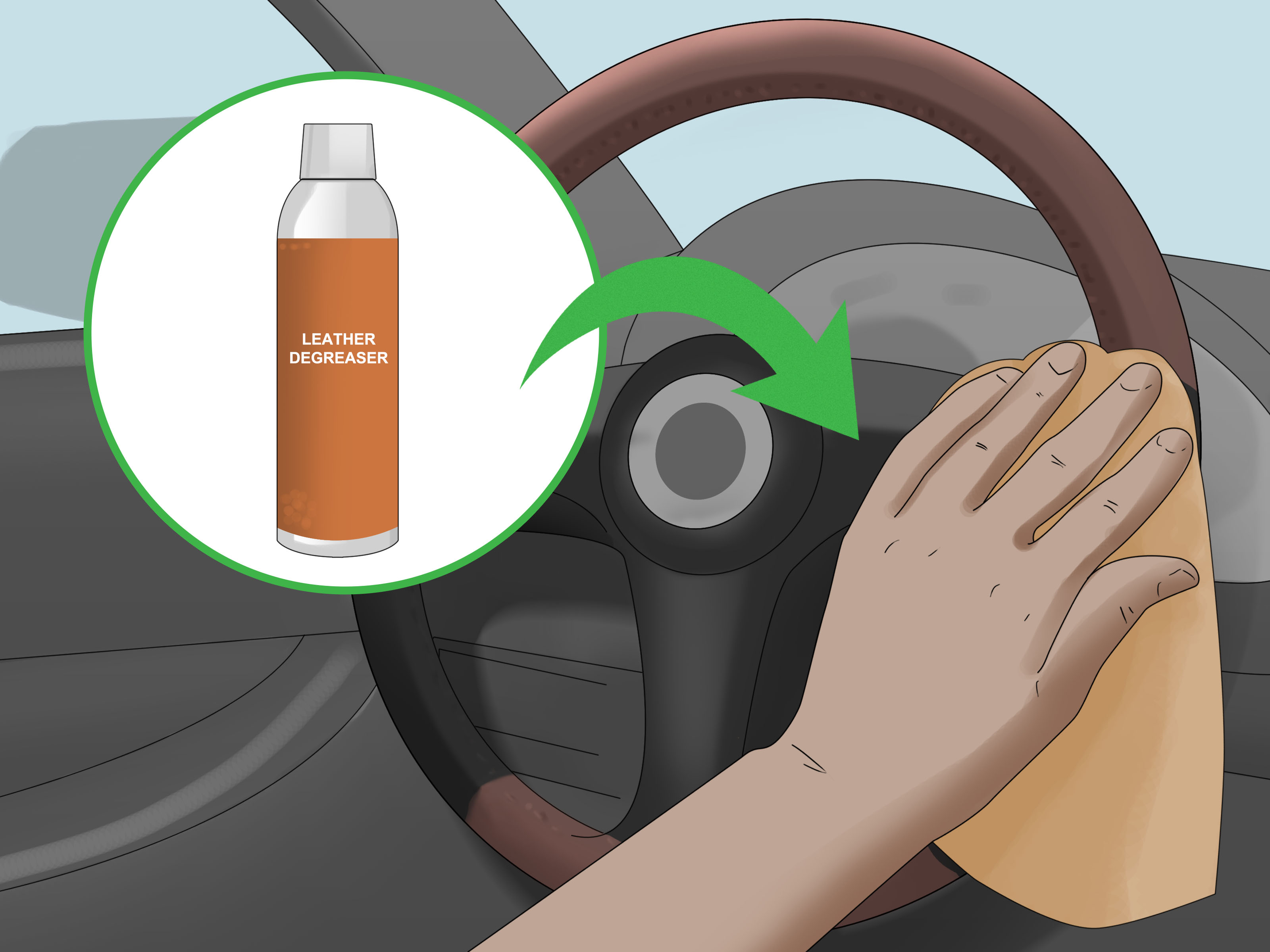
Avoid bleach, harsh degreasers, ammonia-based cleaners, abrasive pads, magic erasers used aggressively, heavy silicone dressings, and household cleaners that are not labeled safe for leather. Also avoid soaking the steering wheel. Leather does not need a bath. It needs a polite wipe-down with boundaries.
How to Clean a Leather Steering Wheel: 9 Steps
Step 1: Park in the Shade and Turn the Car Off
Start with the vehicle parked in a cool, shaded area. Heat makes cleaners evaporate too quickly and may cause residue to dry before you can wipe it away. A hot steering wheel can also make leather feel stickier, which may tempt you to scrub harder than necessary.
Turn off the car, remove the key or keep the fob away, and make sure the steering wheel is cool to the touch. If the wheel has heated steering controls, confirm the heat is off. Cleaning a warm wheel is like trying to frost a cake fresh out of the oven: technically possible, emotionally questionable.
Step 2: Dust the Wheel First
Before applying any cleaner, wipe the steering wheel with a dry microfiber towel. This removes loose dust, crumbs, and grit. Tiny particles can act like sandpaper if you rub cleaner over them, especially around textured leather grain and stitching.
Pay close attention to seams, thumb grips, stitching, and the lower inside curve of the wheel. These areas collect surprising amounts of debris. If your steering wheel has perforated leather, use a soft brush lightly to loosen dust without pushing dirt deeper into the holes.
Step 3: Test the Cleaner in a Hidden Spot
Always test your cleaner before applying it to the entire steering wheel. Choose a small, less visible area on the underside of the wheel. Apply a tiny amount of cleaner to a microfiber towel, wipe gently, and inspect the towel.
If the towel picks up dirt, that is normal. If it picks up leather dye, stop. The cleaner may be too strong, the leather may be worn, or the finish may already be compromised. In that case, dilute the product if the label allows it, switch to a milder leather cleaner, or use a very light neutral soap-and-water solution.
Step 4: Apply Cleaner to the Towel, Not Directly to the Wheel
Spray or dab the leather cleaner onto a microfiber towel rather than directly onto the steering wheel. This gives you better control and helps keep liquid away from buttons, seams, stitching, airbag areas, and electronic controls.
Your towel should be damp, not dripping. If liquid runs down the wheel, you are using too much. Leather cleaning is not a water park. A controlled amount of product works better and reduces the risk of residue building up in seams or around trim pieces.
Step 5: Wipe in Small Sections
Clean the steering wheel in small sections, working around the rim slowly. Use gentle pressure and short strokes. Do not scrub like you are removing graffiti from a sidewalk. Most leather steering wheel grime comes from oils and residue, so patience and repeated light passes usually work better than force.
Focus on the areas where your hands rest most often: commonly the left and right upper sides, the thumb grips, and the lower curve. If the towel becomes dirty, switch to a clean section of the towel. Rubbing old grime back into the leather is like washing dishes in soup.
Step 6: Use a Soft Brush for Texture, Stitching, and Sticky Spots
If your leather steering wheel still feels sticky or shiny after the first wipe, use a soft detailing brush. Apply a small amount of cleaner to the brush or towel, then gently agitate the surface in circular motions. The goal is to loosen grime from the leather grain, not punish the wheel for its life choices.
For stitching, use a soft toothbrush or cotton swab with minimal moisture. White or light-colored stitching can darken when it collects hand oils. Work gently and wipe immediately with a clean damp towel. Avoid soaking threads because moisture trapped in stitching can take longer to dry.
Step 7: Remove Cleaner Residue With a Damp Microfiber Towel
After cleaning each section, wipe the area with a separate microfiber towel lightly dampened with clean water. This step is important because leftover cleaner can attract dust, create a tacky feel, or leave the steering wheel slightly slippery.
Use very little water and wring the towel well. Think “barely damp,” not “monsoon season.” Go over the entire wheel once or twice until the surface feels clean and residue-free.
Step 8: Dry the Wheel Completely
Use a dry microfiber towel to buff the leather gently. Then let the steering wheel air-dry in the shade. Do not use a hair dryer, heat gun, or direct sunlight to speed up drying. Excess heat can dry leather unevenly and may contribute to stiffness or premature wear.
Once dry, check the feel. A clean leather steering wheel should feel natural, not greasy. If it still feels slick, wipe it again with a clean, lightly damp microfiber towel and dry it thoroughly.
Step 9: Apply a Light Leather Conditioner or Protectant
Conditioning is optional for some modern coated automotive leather, but a light application can help maintain softness and reduce dryness, especially on older wheels. Use a product designed for automotive leather and apply it sparingly with a microfiber towel or foam applicator.
The most important rule is this: do not over-condition a steering wheel. Heavy conditioner can make the wheel slippery, attract dust, and leave a shiny finish. Apply a thin layer, let it sit according to the product directions, then buff off every bit of excess. If the wheel feels slick afterward, you used too much or did not buff enough.
How Often Should You Clean a Leather Steering Wheel?
For most drivers, a quick wipe once a week and a deeper clean every one to three months is a sensible routine. If you drive daily, eat in the car, use hand lotion often, live in a hot climate, or park in the sun, you may need to clean more frequently.
A good rule is to clean the wheel when it starts to feel sticky, look shiny, or lose its natural grip. Do not wait until the wheel looks like it has been glazed for a holiday ham. Light maintenance is easier and safer than aggressive rescue cleaning.
Common Mistakes to Avoid
Using too much product
More cleaner does not mean more clean. It usually means more residue. Use small amounts and repeat the process if necessary.
Scrubbing aggressively
Hard scrubbing can damage the leather finish, especially on older or worn steering wheels. Use gentle agitation and let the cleaner do the work.
Leaving conditioner on the surface
Conditioner should not sit on top of the steering wheel like frosting. Buff thoroughly until the wheel feels dry and natural.
Using shiny dashboard dressing
Never use greasy interior shine products on a steering wheel. A glossy dashboard may be annoying in sunlight, but a slippery steering wheel is a safety problem.
Ignoring buttons and seams
Cleaner can creep into steering wheel controls, seams, and stitching. Apply cleaner to the towel first and keep moisture under control.
How to Handle Special Leather Steering Wheel Problems
If the wheel is sticky
Sticky leather is often caused by body oils, old conditioner, heat, or residue from previous cleaners. Clean in several light passes with a leather-safe cleaner. Use a soft brush only if the towel method is not enough. Wipe away residue with a damp towel and dry completely.
If the wheel is shiny
Shine usually means buildup. Clean gently, focusing on the high-contact areas. Once clean, the wheel should return closer to a satin or matte finish. If the leather remains glossy even after cleaning, the finish may be worn smooth from years of use.
If the leather is cracked
Cleaning will not repair cracks. It can remove grime and make the wheel look better, but cracked leather may need professional repair, dye restoration, or a replacement wrap. Avoid soaking cracked leather because moisture can enter damaged areas more easily.
If the wheel has perforated leather
Use less product. Perforations can trap cleaner and conditioner. Apply cleaner to a towel, wipe gently, and use a soft brush only with minimal moisture. Avoid pushing conditioner into the holes.
Best Cleaner for a Leather Steering Wheel
The best cleaner for a leather steering wheel is usually a pH-balanced automotive leather cleaner or a very mild neutral soap-and-water solution. Many automakers recommend gentle cleaning methods for leather interiors, and detailing brands often emphasize microfiber towels, soft brushes, and residue removal.
For routine cleaning, choose a non-greasy leather cleaner that does not leave gloss behind. For older leather, a separate conditioner may be useful after cleaning. For modern coated leather, a cleaner-and-protectant product can work well if it leaves a dry, natural finish.
Whatever you choose, read the label. Make sure it is safe for automotive leather, sealed leather, or coated leather. Household products may be convenient, but convenience is not always your friend. So is cake for breakfast, and look where that gets us.
Experience Notes: What Cleaning a Leather Steering Wheel Teaches You
The first time you clean a leather steering wheel properly, the biggest surprise is usually the towel. You start with a clean microfiber cloth, add a little leather cleaner, wipe what looks like a fairly clean wheel, and suddenly the towel turns grayish-brown. It is humbling. It is also a tiny bit horrifying. The steering wheel may have looked fine in daylight, but the cloth tells the truth like an over-caffeinated detective.
One practical lesson is that the dirtiest areas are not always obvious. Many people expect the front center of the wheel to be the worst, but the real grime often lives where the palms rest: the upper left, upper right, thumb grips, and lower inside curve. If you drive with one hand, that side of the wheel may be noticeably dirtier. Your steering wheel quietly keeps a diary of your driving habits.
Another experience-based tip is to clean slowly. Rushing usually leads to using too much product. When the towel is soaked, cleaner gets into seams, buttons, stitching, and trim edges. Then you spend extra time chasing residue. A lightly damp towel gives better control. It may feel less dramatic, but it works better. Detailing is often less about muscle and more about restraint.
It also becomes clear that conditioner should be treated with respect. A little can make leather feel cared for. Too much can make the wheel feel like it has been buttered for a seafood dinner. On seats, a slightly richer conditioner might not be a disaster. On a steering wheel, slickness matters. After conditioning, always buff the wheel with a clean dry towel and test the grip before driving.
One of the best habits is keeping a microfiber towel in the car for quick maintenance. A dry wipe every few days removes dust and light oils before they turn into buildup. If you apply sunscreen, hand cream, or sanitizer before driving, give the wheel a quick wipe later. This small habit can prevent the sticky, shiny feeling that makes people think the leather is failing when it is really just dirty.
Owners of older vehicles should be extra gentle. A ten-year-old leather steering wheel may have worn coating, faded dye, or softened areas near the stitching. If you clean too aggressively, you may remove more than dirt. Always test first, use mild products, and accept that some wear is character. There is clean leather, and then there is “brand-new leather.” Cleaning can restore the first; it cannot magically time-travel to the second.
The most satisfying part of the process is the final feel. A properly cleaned leather steering wheel does not scream for attention. It simply feels right: dry, smooth, secure, and comfortable. The car feels fresher even if you did nothing else. That is because the steering wheel is the part of the interior you physically connect with every time you drive. Clean it well, and the whole car feels better behaved.
In short, the best experience comes from treating the steering wheel like a precision surface, not a kitchen counter. Use the mildest effective cleaner, work in sections, keep moisture low, remove residue, and avoid greasy finishes. Do that, and your leather steering wheel will reward you with better grip, better looks, and far fewer “why is this sticky?” moments.
Conclusion
Cleaning a leather steering wheel is simple when you follow the right process. Start with a cool wheel, remove dust, test your cleaner, wipe gently in small sections, use a soft brush only when needed, remove residue, dry thoroughly, and apply conditioner sparingly. The goal is not a shiny steering wheel. The goal is a clean, natural, non-slippery finish that feels good in your hands and helps preserve the leather over time.
With regular maintenance, you can prevent sticky buildup, reduce premature wear, and keep your car interior feeling fresher. Your steering wheel may be small compared with the rest of the vehicle, but it has a big impact on the driving experience. Treat it well, and it will stop silently judging your drive-thru habits.