Note: This article is for educational purposes only. Heart block can be mild, serious, or life-threatening depending on the type and symptoms. Anyone with chest pain, fainting, severe shortness of breath, or a very slow heartbeat should seek emergency medical care.
What Is Heart Block?
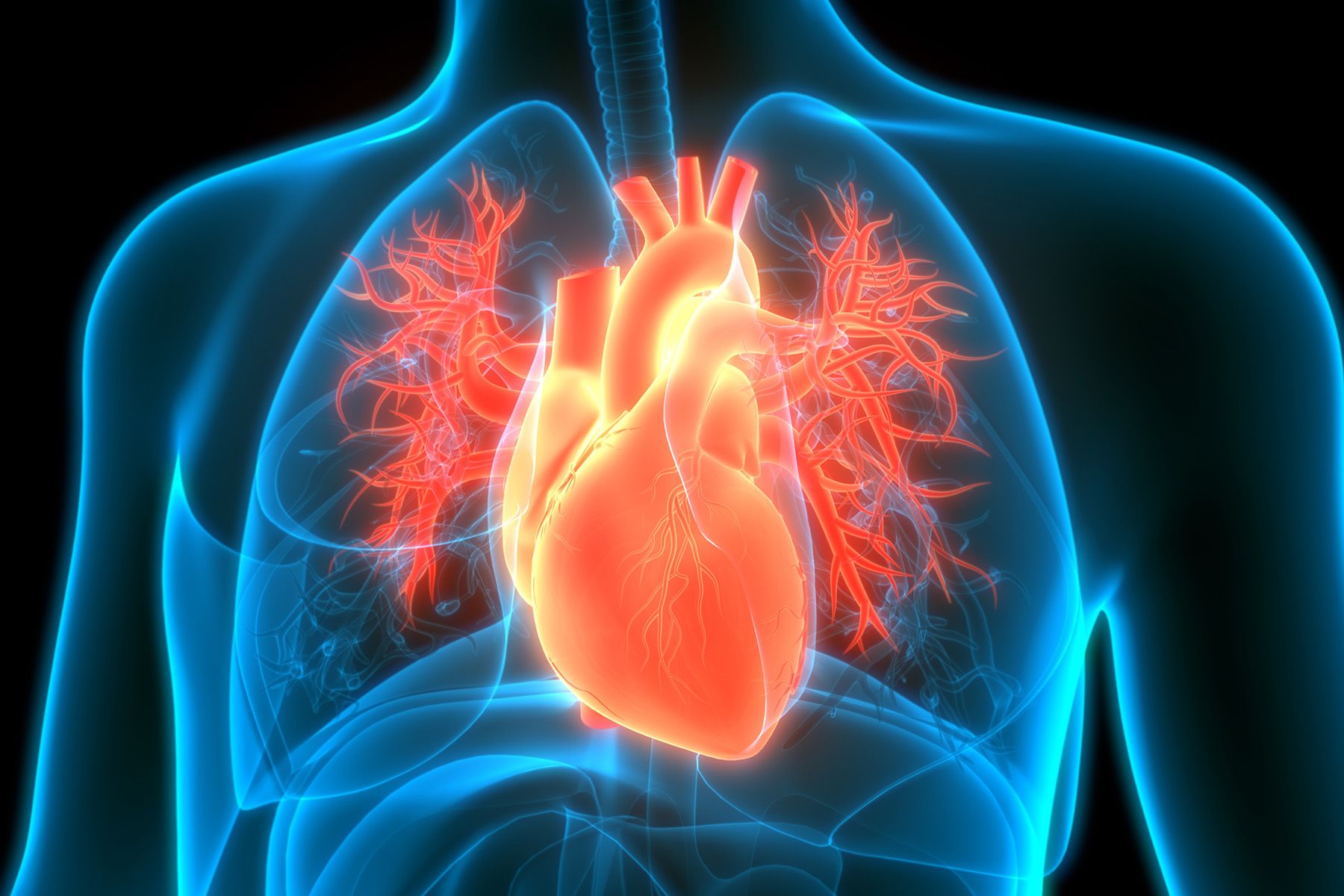
Heart block sounds like something that happens when your heart gets emotionally offended and refuses to answer your texts. In reality, it is a problem with the heart’s electrical system. Your heart has its own built-in wiring, and that wiring tells the upper chambers, called the atria, and the lower chambers, called the ventricles, when to squeeze. When those electrical signals slow down, get delayed, or fail to travel properly, the result may be heart block.
The medical term often used for this condition is atrioventricular block, or AV block. “Atrio” refers to the atria, “ventricular” refers to the ventricles, and the AV node is the important electrical checkpoint between them. When the signal has trouble getting through that checkpoint, the heart may beat too slowly, skip beats, or pump less efficiently.
Not every case of heart block is dangerous. Some people have first-degree heart block and never know it until a routine electrocardiogram, or EKG, notices the delay. Others have higher-grade heart block that can cause dizziness, fainting, fatigue, shortness of breath, or even cardiac arrest. The key is understanding the type, the cause, and whether symptoms are present.
How the Heart’s Electrical System Normally Works
The heart is not just a pump; it is a pump with a tiny electrical department that likes punctuality. A normal heartbeat begins in the sinus node, the heart’s natural pacemaker. The signal spreads through the atria, making them contract and move blood into the ventricles. Then the signal passes through the AV node, travels down the bundle of His, and moves through the bundle branches into the ventricles.
When this process works smoothly, the heart beats in a coordinated rhythm. When the signal slows or stops somewhere along the route, the heartbeat can become too slow or irregular. That is the basic idea behind heart block.
Types of Heart Block
First-Degree Heart Block
First-degree heart block is the mildest form. The electrical signal still reaches the ventricles, but it moves more slowly than usual through the AV node. Many people with first-degree heart block have no symptoms and do not need treatment. It is often discovered by accident during an EKG for another reason, such as a physical exam, pre-surgery testing, or evaluation for palpitations.
Think of first-degree heart block like a cautious driver at a four-way stop. The signal still gets where it needs to go; it just takes an extra moment.
Second-Degree Heart Block
Second-degree heart block means some electrical signals reach the ventricles, but others do not. This can cause the heart to miss beats. There are two main forms: Mobitz type I and Mobitz type II.
Mobitz type I, also called Wenckebach block, usually involves a gradually slowing signal until one beat is dropped. It may be less dangerous, especially in young healthy people or athletes, but it still deserves medical evaluation.
Mobitz type II is more concerning. In this form, signals suddenly fail to reach the ventricles without the gradual warning pattern. It can progress to complete heart block and may require a pacemaker, especially if symptoms occur.
Third-Degree Heart Block
Third-degree heart block, also called complete heart block, is the most serious type. In this condition, electrical signals from the atria do not reach the ventricles at all. The atria and ventricles beat independently, as if the heart’s rhythm section split into two bands playing different songs in the same room.
The ventricles may create their own backup rhythm, but it is often too slow or unreliable to support normal blood flow. Complete heart block can cause fainting, severe fatigue, confusion, chest pain, shortness of breath, or cardiac arrest. It usually requires urgent medical attention and often treatment with a pacemaker.
Common Causes of Heart Block
Heart block can happen for many reasons. Some causes are temporary and reversible; others are related to long-term changes in the heart’s electrical system.
Age-Related Changes
As people get older, the heart’s electrical pathways can develop scar-like changes. This natural wear and tear is one of the most common causes of heart block in adults. The heart may still be strong, but the wiring can become less reliable over time.
Heart Disease
Conditions that damage the heart muscle can also affect electrical conduction. Coronary artery disease, heart attack, cardiomyopathy, heart failure, and inflammation of the heart muscle may all contribute to heart block. A heart attack, especially one involving areas that supply blood to the AV node, can temporarily or permanently interrupt electrical signals.
Medications
Some medicines can slow the heart’s electrical signals. Examples include beta-blockers, certain calcium channel blockers, digoxin, and some antiarrhythmic drugs. These medications are useful for many heart conditions, but in some people they can tip the rhythm into “too slow” territory. Never stop a prescribed heart medication without medical guidance, because suddenly stopping can be risky.
Congenital Heart Block
Some babies are born with heart block. Congenital heart block may be related to structural heart problems or, in some cases, immune conditions affecting the mother during pregnancy. Children with congenital heart block need careful evaluation by pediatric cardiology specialists.
Infections and Inflammation
Lyme disease, myocarditis, endocarditis, and other inflammatory or infectious conditions can interfere with heart conduction. In some cases, treating the infection or inflammation improves the block. In others, the damage may persist.
Heart Procedures or Surgery
Heart surgery, catheter-based procedures, valve replacement, or ablation procedures can sometimes affect the electrical pathways. This does not mean these procedures are unsafe; it means the heart’s wiring runs close to important structures, and doctors monitor rhythm carefully before and after treatment.
Electrolyte and Metabolic Problems
Abnormal potassium levels, thyroid disease, and other metabolic issues may contribute to slow heart rhythms. Blood tests can help identify these causes, which may be treatable.
Heart Block Symptoms
Symptoms of heart block depend on how severe the block is, how slow the heart rate becomes, and whether enough blood reaches the brain and body. First-degree heart block may cause no symptoms at all. Higher-grade heart block is more likely to cause noticeable problems.
Common symptoms include:
- Dizziness or lightheadedness
- Fainting or near-fainting
- Unusual fatigue
- Shortness of breath
- Chest pain or chest pressure
- Heart palpitations or skipped beats
- Nausea
- Confusion, especially in older adults
- Exercise intolerance
- A slow pulse
Symptoms can be sneaky. One person may faint dramatically in the grocery store aisle, while another simply says, “I’m tired all the time,” and blames it on work, age, poor sleep, or the mysterious gravitational pull of the couch. That is why persistent symptoms should not be brushed aside.
When Heart Block Is an Emergency
Seek emergency medical care if heart block symptoms include fainting, chest pain, severe shortness of breath, sudden weakness, confusion, bluish lips, or a pulse that is extremely slow. These signs may mean the heart is not pumping enough blood to the body.
Complete heart block can become life-threatening. If someone collapses, is not breathing normally, or has no pulse, call emergency services immediately and begin CPR if trained to do so.
How Heart Block Is Diagnosed
Diagnosing heart block usually starts with a medical history, physical exam, and a close look at the heart rhythm. The goal is not just to prove that heart block exists, but to identify the type, severity, cause, and best treatment.
Electrocardiogram
An electrocardiogram, commonly called an EKG or ECG, is the main test for heart block. It records the electrical activity of the heart and shows whether signals are delayed, intermittently blocked, or completely blocked. Doctors look at patterns such as the PR interval, dropped beats, and the relationship between atrial and ventricular activity.
Holter Monitor or Event Monitor
If symptoms come and go, a short EKG in the clinic may miss the problem. A Holter monitor records heart rhythm for 24 to 48 hours, while an event monitor or patch monitor may track rhythm for days or weeks. This can connect symptoms like faintness or palpitations with actual rhythm changes.
Exercise Stress Testing
In some cases, doctors may use exercise testing to see how the heart’s electrical system behaves during physical activity. This can help determine whether symptoms occur with exertion and whether the conduction problem improves or worsens when the heart rate rises.
Blood Tests
Blood tests may check electrolyte levels, thyroid function, medication levels, infection markers, or signs of heart damage. These tests are especially important when doctors suspect a reversible cause.
Echocardiogram
An echocardiogram uses ultrasound to create images of the heart. It can show how well the heart pumps, whether valves are working properly, and whether structural heart disease may be contributing to the rhythm problem.
Electrophysiology Study
An electrophysiology study is a specialized test that maps the heart’s electrical system from inside the body. It is not needed for every person with heart block, but it may help in complex cases or when doctors need to locate the exact area of conduction delay.
Treatment for Heart Block
Treatment depends on the type of heart block, symptoms, underlying cause, and overall health. There is no one-size-fits-all plan, because first-degree heart block and complete heart block are very different medical situations.
Monitoring
First-degree heart block often requires no specific treatment if there are no symptoms and no serious underlying condition. Doctors may simply monitor the rhythm over time, review medications, and recommend follow-up visits.
Treating Reversible Causes
If heart block is caused by a medication, electrolyte problem, infection, or thyroid disorder, treatment may focus on correcting that cause. For example, adjusting a medication dose or treating Lyme disease may improve conduction in some patients. The medical team decides this carefully, because the same drugs that slow rhythm may also be protecting the heart in other ways.
Temporary Pacing
In urgent situations, temporary pacing may be used to stabilize the heart. This can help maintain a safe heart rate while doctors treat the underlying cause or decide whether a permanent pacemaker is needed.
Permanent Pacemaker
A pacemaker is a small device that sends electrical impulses to help the heart beat at a safe rate. It is commonly used for symptomatic second-degree heart block, Mobitz type II block, high-grade AV block, and third-degree heart block. The pacemaker does not “take over your personality,” set off airport alarms like a cartoon robot, or make you part toaster. It simply helps keep the heartbeat from getting too slow.
Modern pacemakers are highly sophisticated. Some have leads that connect to the heart, while certain newer devices are leadless and placed directly inside the heart. The best choice depends on the patient’s condition, anatomy, age, activity level, and expected pacing needs.
Managing Underlying Heart Conditions
If heart block is linked to coronary artery disease, heart failure, valve disease, or cardiomyopathy, doctors also treat those conditions. This may involve medications, lifestyle changes, procedures, or cardiac rehabilitation. Managing the whole heart is often more effective than focusing only on the rhythm strip.
Can Heart Block Be Prevented?
Not all heart block can be prevented. Age-related conduction changes and congenital heart block may occur despite healthy habits. Still, protecting heart health can reduce the risk of some causes.
Helpful strategies include controlling blood pressure, managing cholesterol, treating diabetes, avoiding smoking, staying physically active, eating a heart-healthy diet, limiting alcohol, and getting regular checkups. People taking medications that slow heart rate should follow dosing instructions and report symptoms such as fainting, dizziness, or unusual fatigue.
Living With Heart Block
Living with heart block depends on severity. Some people need only periodic monitoring. Others live very well with a pacemaker and return to normal routines after recovery. The important part is follow-up. Heart rhythm problems are not ideal candidates for the “ignore it and hope it gets bored” strategy.
Patients with pacemakers usually need regular device checks. These visits help confirm battery status, pacing settings, and rhythm activity. Many devices can be monitored remotely, making follow-up more convenient. People with pacemakers should also tell healthcare providers and dentists about the device before procedures.
Real-World Experiences: What Heart Block Can Feel Like
Heart block does not always arrive with flashing warning lights. In everyday life, it can feel confusing, random, and easy to mislabel. One common experience is the “almost fainted but didn’t” episode. A person may stand up from a chair, walk across the room, and suddenly feel as if the lights dimmed for two seconds. They grab the counter, blame dehydration, and move on. If this happens once after skipping breakfast, maybe it is nothing dramatic. If it keeps happening, especially with a slow pulse, it deserves medical attention.
Another common experience is fatigue that feels out of proportion. This is not ordinary “Monday morning and my inbox has multiplied” tiredness. It may feel like the body’s battery drains too quickly. Climbing stairs, carrying groceries, or walking the dog may suddenly feel harder than usual. Because fatigue is such a broad symptom, people may blame stress, aging, poor sleep, or being out of shape. Heart block is not the most common cause of tiredness, but it is one possible explanation when fatigue comes with dizziness, fainting, shortness of breath, or an unusually slow heart rate.
Some people describe palpitations or skipped beats. The heart may feel as if it pauses, thumps, or restarts. That sensation can be alarming, especially when it happens during quiet moments. A person may be sitting on the couch, watching television, and suddenly notice a strange gap in the rhythm. The mind naturally jumps to worst-case scenarios. While not every skipped beat is dangerous, repeated episodes should be evaluated, particularly in people with heart disease or symptoms of poor blood flow.
Diagnosis can also be an emotional experience. Many people feel surprised when an EKG shows heart block, especially if they came in for something unrelated. The phrase “heart block” sounds severe, and it can cause immediate worry. A good clinician will explain the degree of block, whether it is mild or serious, what tests are needed, and whether treatment is urgent. Understanding the specific type often reduces fear. First-degree heart block is very different from complete heart block.
For patients who need a pacemaker, the idea may feel intimidating at first. It is normal to wonder about surgery, scars, batteries, exercise, airport security, sleeping positions, and whether life will feel different. Many people adjust well after the healing period and feel better because the heart rate no longer drops too low. Some even realize they had been living with low-energy symptoms for longer than they thought. The pacemaker is not a cure for every heart condition, but for the right patient, it can be a life-changing safety net.
Family members also play a role. They may be the first to notice that someone looks pale, gets winded, has near-fainting spells, or seems unusually tired. Encouraging evaluation without panic is helpful. The goal is not to turn every dizzy spell into a medical drama, but to respect warning signs. Heart block is manageable when identified and treated properly, and early attention can prevent dangerous complications.
Conclusion
Heart block is a problem with the heart’s electrical signaling system. It can be mild and symptom-free, or it can be serious enough to require urgent treatment. The major types include first-degree, second-degree, and third-degree heart block. Causes range from age-related electrical changes and heart disease to medications, infections, congenital conditions, and metabolic problems.
The most important step is proper diagnosis. An EKG, heart monitor, blood tests, echocardiogram, and sometimes specialized rhythm testing can help determine what is happening. Treatment may involve monitoring, correcting reversible causes, temporary pacing, or a permanent pacemaker. Anyone with fainting, chest pain, severe shortness of breath, or signs of a dangerously slow heartbeat should seek emergency care.
In plain English: heart block is a wiring issue, not a character flaw. The heart may need monitoring, repair, or a little electrical backup. With accurate diagnosis and the right treatment plan, many people continue living active, full lives.