Bacterial meningitis is one of those health topics that sounds like it belongs in a medical textbook until, suddenly, it becomes very real. It is a serious infection involving the meningesthe protective membranes surrounding the brain and spinal cord. When bacteria invade this space, inflammation can build quickly, and the situation may become dangerous in hours rather than days. In other words, bacterial meningitis is not the kind of illness you “sleep off” with soup, fuzzy socks, and optimism.
The good news is that bacterial meningitis is not as common as many everyday infections, and several major causes can be prevented with vaccines. The not-so-good news is that when it does happen, it demands immediate medical attention. Understanding the causes of bacterial meningitis, how it spreads, who is most at risk, and what prevention steps actually matter can help people respond faster and make smarter health decisions.
This guide explains bacterial meningitis in plain Englishno scary medical fog machine required. We’ll look at the bacteria most often responsible, how they move from person to person, why some cases come from food or childbirth rather than coughing, and what families, students, caregivers, and older adults should know.
What Is Bacterial Meningitis?
Bacterial meningitis is an infection that causes swelling of the meninges. These membranes protect the brain and spinal cord, so inflammation in this area can affect the nervous system, blood flow, hearing, thinking, movement, and other vital functions. Unlike viral meningitis, which is often milder, bacterial meningitis is usually treated as a medical emergency.
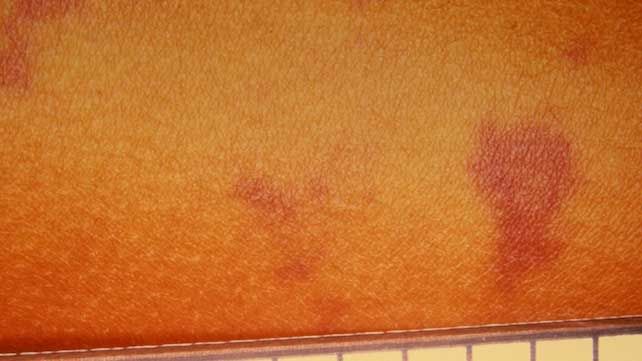
Symptoms may begin suddenly and can include fever, severe headache, stiff neck, nausea, vomiting, confusion, sleepiness, sensitivity to light, and sometimes a rash. In babies, signs may be less obvious. A baby may be unusually sleepy, irritable, feeding poorly, vomiting, crying in a high-pitched way, or showing a bulging soft spot on the head.
Because early symptoms can look like flu or another common infection, bacterial meningitis can be tricky at first. That is one reason health experts emphasize speed: if meningitis is suspected, emergency care is the safest choice. Waiting for symptoms to “prove themselves” is like waiting for smoke to become flames before leaving the kitchen.
Main Causes of Bacterial Meningitis
Several bacteria can cause meningitis. The most common cause depends on age, vaccination status, immune health, pregnancy status, and exposure history. The major bacterial causes include Streptococcus pneumoniae, Neisseria meningitidis, Haemophilus influenzae type b, Group B Streptococcus, Listeria monocytogenes, and certain bacteria such as Escherichia coli in newborns or people with specific risks.
Streptococcus pneumoniae: A Leading Cause in Adults
Streptococcus pneumoniae, often called pneumococcus, can cause pneumonia, bloodstream infections, ear infections, sinus infections, and meningitis. Pneumococcal meningitis can occur when bacteria spread from the nose and throat into the bloodstream or from nearby infections such as sinusitis or ear infections. It is especially concerning in young children, older adults, and people with weakened immune systems or certain chronic health conditions.
Pneumococcal bacteria spread mainly through respiratory droplets. That means close contact, coughing, sneezing, and shared airspace can matter, especially when people are carrying the bacteria in the nose or throat. Vaccination has made pneumococcal disease more preventable, but it has not disappeared.
Neisseria meningitidis: The Close-Contact Germ
Neisseria meningitidis, also known as meningococcus, can cause meningococcal meningitis and bloodstream infection. This bacterium is famous for spreading in close-contact settings such as dormitories, military barracks, crowded households, and social groups where people share drinks, utensils, or lots of face-to-face time.
Meningococcal bacteria can live in the nose and throat without making a person sick. That person may still spread the bacteria through saliva or respiratory secretions. Kissing, coughing, sneezing, sharing water bottles, or spending prolonged time in close quarters can increase risk. Thankfully, meningococcal vaccines help protect against several important strains.
Haemophilus Influenzae Type b: Much Rarer Thanks to Vaccines
Haemophilus influenzae type b, or Hib, used to be a major cause of bacterial meningitis in young children. Routine Hib vaccination changed that dramatically. Today, Hib meningitis is far less common in places with strong childhood vaccination programs.
Hib bacteria can spread through respiratory droplets and close contact, especially among young children. Unvaccinated children, children too young to have completed their vaccine series, and people with certain immune problems may be at higher risk.
Group B Streptococcus: A Newborn Concern
Group B Streptococcus, often shortened to GBS, is a major cause of serious infection in newborns, including meningitis. Many adults can carry GBS bacteria without symptoms. During labor and delivery, a pregnant person can pass the bacteria to the baby. This is why screening during pregnancy and antibiotics during labor, when recommended by a healthcare professional, are important prevention tools.
GBS meningitis does not usually spread through casual classroom-style contact. It is mainly a concern around birth and early infancy, although GBS can also cause severe illness in older adults and people with certain medical conditions.
Listeria Monocytogenes: The Foodborne Route
Listeria monocytogenes is different from the classic “cough and sneeze” meningitis bacteria. It is usually linked to contaminated food. Listeria can grow in refrigerated foods and has been associated with items such as unpasteurized dairy products, soft cheeses made with unpasteurized milk, deli meats, ready-to-eat foods, and improperly handled refrigerated products.
Listeria is especially risky for pregnant people, newborns, adults 65 and older, and people with weakened immune systems. In high-risk groups, listeriosis can become invasive and may lead to meningitis or bloodstream infection. This is why food safety adviceboring as it may sound at a partyis actually powerful prevention.
How Bacterial Meningitis Spreads
One confusing point is that meningitis itself is inflammation; what spreads is the bacteria that can cause it. Not every person exposed to these bacteria gets meningitis. Some people carry bacteria in the nose or throat and never become ill. Others develop mild infections. A smaller number develop invasive disease such as meningitis or sepsis.
Respiratory Droplets and Throat Secretions
Many bacteria linked to meningitis spread through respiratory and throat secretions. This includes coughing, sneezing, kissing, and close face-to-face contact. Meningococcal and pneumococcal bacteria are common examples. Sharing drinks, straws, vape devices, toothbrushes, or eating utensils may increase exposure to saliva. Your toothbrush, by the way, should remain a solo actnot a community project.
Close or Prolonged Contact
Casual contact, such as walking past someone in a grocery store, is usually not the main concern. Risk is higher with close or prolonged contact. Household members, roommates, intimate partners, daycare contacts, and people who spend many hours together in crowded settings may face greater exposure if someone has certain types of bacterial meningitis.
This is one reason college students living in dorms are often highlighted in meningococcal vaccine education. Dorm life has many wonderful thingsnew friends, late-night study sessions, and mysterious mini-fridge odorsbut it also brings people into close contact.
Birth and Newborn Exposure
Some newborn meningitis cases occur when bacteria are passed from mother to baby during delivery. Group B Streptococcus is the classic example. Preventive screening and treatment during labor can reduce the risk of early-onset GBS disease in newborns.
Contaminated Food
Listeria-related meningitis can happen when high-risk people eat contaminated food. Unlike many bacteria, Listeria can survive and grow at refrigerator temperatures. That does not mean your fridge is plotting against you, but it does mean food storage, expiration dates, reheating deli meats when advised, and avoiding unpasteurized products are especially important for high-risk groups.
Nearby Infections or Direct Entry
Sometimes bacteria reach the meninges from another infection in the body. Ear infections, sinus infections, skull fractures, neurosurgery, or certain medical devices can create routes for bacteria to enter areas they should never visit. In these cases, meningitis may not be about catching bacteria from another person but about bacteria spreading internally or entering through a structural problem.
Who Is at Higher Risk?
Anyone can develop bacterial meningitis, but some groups have higher risk. Babies and young children are more vulnerable because their immune systems are still developing. Teens and young adults may have higher meningococcal risk, especially in close-living environments. Older adults face higher risk from pneumococcal disease and Listeria. People with weakened immune systems, HIV, sickle cell disease, no spleen, cochlear implants, cerebrospinal fluid leaks, or certain chronic illnesses may also be more vulnerable.
Pregnant people are at higher risk for Listeria infection, and newborns are at risk for GBS and other bacteria. Travelers to areas where meningococcal disease is more common, laboratory workers exposed to meningococcal bacteria, and people in outbreak settings may need extra vaccine guidance.
Symptoms That Should Never Be Ignored
Bacterial meningitis can move fast, so symptom awareness matters. In older children and adults, warning signs may include fever, severe headache, stiff neck, confusion, vomiting, sleepiness, sensitivity to light, and a rash that does not fade when pressed. Not every person has every symptom. A stiff neck is common, but its absence does not rule out meningitis.
In infants, symptoms can be subtle. Watch for poor feeding, unusual crying, extreme sleepiness, irritability, vomiting, fever or low temperature, breathing changes, or a bulging soft spot. When a baby seems seriously unwell, it is better to seek urgent care than to play “internet detective” at 2 a.m.
How Doctors Diagnose and Treat Bacterial Meningitis
Diagnosis often involves a physical exam, blood tests, imaging in some cases, and a lumbar puncture to test cerebrospinal fluid. Doctors need to identify whether meningitis is bacterial, viral, fungal, or caused by another issue because treatment differs.
Bacterial meningitis is usually treated with intravenous antibiotics as soon as possible. In some cases, corticosteroids may be used to reduce inflammation and lower the risk of complications. People with certain types of bacterial meningitis may need isolation precautions while they are contagious, and close contacts may need preventive antibiotics, depending on the bacteria involved.
Prevention: What Actually Helps?
Stay Up to Date on Vaccines
Vaccines are one of the strongest defenses against several major causes of bacterial meningitis. Hib vaccination helps protect young children against Hib disease. Pneumococcal vaccines help protect children, older adults, and people with certain risk conditions. Meningococcal vaccines help protect teens and other higher-risk groups against meningococcal disease.
Because vaccine recommendations can vary by age, health history, and risk group, people should check with a healthcare provider or pharmacist. This is especially important before college, military service, travel, pregnancy, or if someone has a condition that affects the immune system.
Practice Smart Hygiene Without Becoming a Germ Detective
Basic habits still matter. Wash hands regularly, cover coughs and sneezes, avoid sharing drinks or personal items, and clean frequently touched surfaces when someone is sick. These steps will not create an invisible superhero shield, but they reduce exposure to germs that spread through respiratory secretions.
Use Food Safety for Listeria Prevention
People at higher risk for Listeria should be extra careful with refrigerated ready-to-eat foods, unpasteurized dairy products, deli meats, leftovers, and food recalls. Keep the refrigerator cold, use leftovers within safe timeframes, wash produce, separate raw and ready-to-eat foods, and reheat foods when recommended.
Take Exposure Notices Seriously
If you are told you were a close contact of someone with meningococcal disease or Hib disease, follow public health instructions. Preventive antibiotics may be recommended for certain close contacts. Do not borrow leftover antibiotics or guess your way through prevention. This is a job for healthcare professionals, not the medicine cabinet treasure hunt.
Common Myths About Bacterial Meningitis
Myth 1: “Only children get it.”
Children are important risk groups, but adults can get bacterial meningitis too. Older adults and people with certain medical conditions may face serious risk.
Myth 2: “If I feel okay, I can’t spread bacteria.”
Some bacteria that cause meningitis can live in the nose or throat without causing symptoms. A person may carry bacteria and still spread them to others.
Myth 3: “All meningitis spreads the same way.”
Not true. Meningococcal bacteria often spread through close contact and saliva. Pneumococcal bacteria spread through respiratory droplets. GBS may pass from mother to baby during birth. Listeria often comes from contaminated food.
Myth 4: “Vaccines cover every possible cause.”
Vaccines greatly reduce the risk of several major bacterial causes, but they do not prevent every type of meningitis. Prevention also includes hygiene, food safety, quick medical care, and following public health advice after exposure.
Real-World Experiences and Practical Lessons About Bacterial Meningitis
When people hear the phrase “bacterial meningitis,” they often imagine a rare medical emergency that happens somewhere else, to someone else, in a dramatic hospital show with very intense background music. Real life is usually quieter. It may begin with a teenager who seems to have the flu after a weekend with friends. It may look like a college student who develops a fever and stiff neck during finals week. It may involve a grandparent who becomes suddenly confused after days of feeling “off.” Or it may be a newborn who is not feeding well and seems unusually sleepy.
One practical experience families often describe is confusion at the beginning. Bacterial meningitis does not always arrive wearing a name tag. Fever, headache, vomiting, and fatigue can look like many ordinary illnesses. That is why the pattern matters. A severe headache with fever and neck stiffness is concerning. Fever plus confusion is concerning. A rash with sudden illness is concerning. A baby who is difficult to wake, breathing strangely, or refusing feeds needs urgent attention. The lesson is simple: when symptoms feel severe, unusual, or fast-moving, do not wait for a perfect checklist.
Another everyday lesson involves close contact. In dorms, shared apartments, and busy family homes, people often share more than they realize. Drinks get passed around. Lip balm disappears and reappears like a tiny magician. Someone sneezes into a hand and then touches the refrigerator handle. Most of the time, nothing terrible happens. But with bacteria that spread through respiratory secretions or saliva, reducing sharing during illness is a smart habit. Separate cups, handwashing, covering coughs, and not sharing toothbrushes or utensils are small changes that can lower risk.
Parents and caregivers also learn that vaccines are not just paperwork for school forms. Hib, pneumococcal, and meningococcal vaccines protect against bacteria that once caused far more severe disease. Keeping vaccination records updated may feel like administrative homework, but it is actually prevention with a calendar. For teens heading to college, the meningococcal vaccine conversation is especially important because close living conditions can raise risk.
Food safety is another experience-based lesson, especially for pregnant people, older adults, and immunocompromised individuals. Listeria does not announce itself with a flashing sign on the deli counter. Checking recalls, avoiding unpasteurized dairy, reheating certain ready-to-eat foods when advised, and keeping the refrigerator clean may sound ordinary, but ordinary habits can prevent extraordinary trouble.
The final lesson is emotional: bacterial meningitis is frightening, but knowledge helps. You do not need to live in panic or sanitize your entire personality. You need to know the warning signs, respect fast-changing symptoms, keep vaccines current, avoid risky sharing habits, practice food safety when it matters, and seek medical care quickly when meningitis is possible. That combination is practical, calm, and far more useful than fear.
Conclusion
Bacterial meningitis is serious because it affects the protective membranes around the brain and spinal cord and can worsen quickly. Its causes vary by age and situation. Pneumococcus, meningococcus, Hib, Group B Streptococcus, Listeria, and other bacteria can all play a role. Some spread through respiratory droplets and close contact; others are linked to childbirth, contaminated food, or bacteria spreading from nearby infections.
The most important takeaway is not to memorize every bacterium like you are preparing for a microbiology spelling bee. The key is to understand the risk patterns: close contact, shared saliva, crowded living spaces, newborn exposure, high-risk foods, weakened immunity, and incomplete vaccination. Prevention works best when it combines vaccines, hygiene, food safety, and fast medical response.
If bacterial meningitis is suspected, urgent medical care is essential. Quick treatment can save lives and reduce the risk of long-term complications. In health, speed is not always everythingbut with bacterial meningitis, it comes very close.
Note: This article is for educational purposes only and should not replace professional medical advice. Anyone with symptoms that may suggest meningitis should seek emergency medical care immediately.