Note: This article is written for web publication in original language and style, based on real reporting and marketing analysis, with no source links included in the body copy.
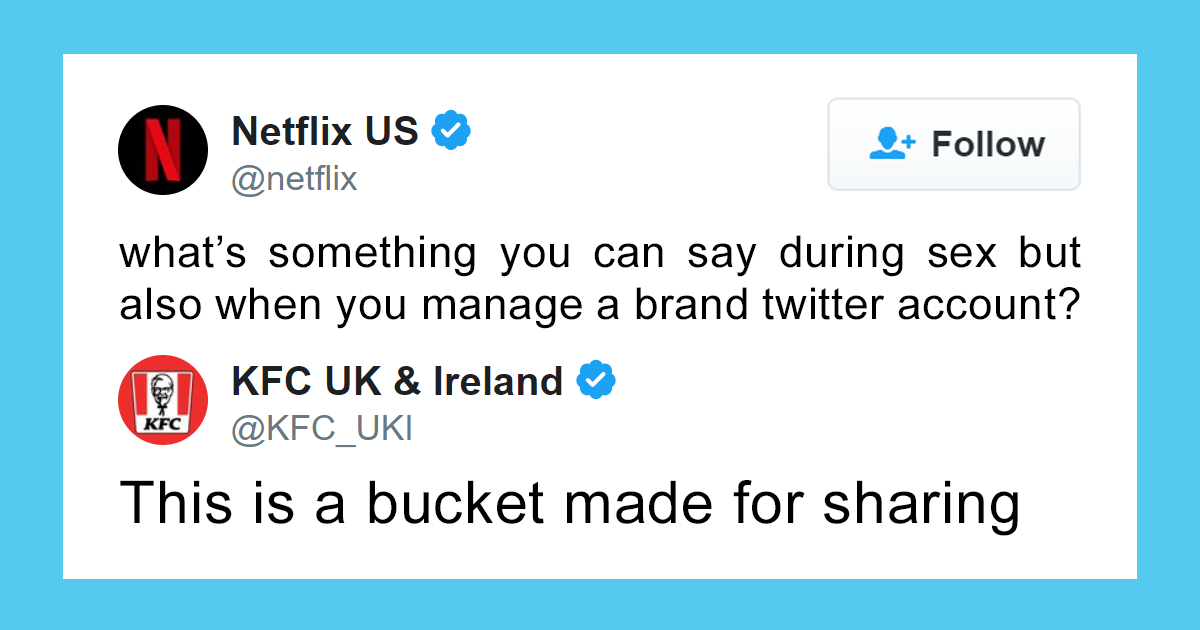
There are moments on social media when the internet stops behaving like a collection of apps and starts acting like one giant sleep-deprived improv class. This was one of those moments. Netflix tossed out a cheeky prompt on Twitternow Xand brands flocked to it like seagulls to a dropped french fry. The challenge was simple: come up with a suggestive double entendre without totally face-planting into corporate cringe. Naturally, the replies ranged from slick to shameless, and the result was a wonderfully chaotic thread that felt less like advertising and more like a group project led by the class clown.
The reason this viral moment still works is not just that the jokes were funny. It is that the thread captured a very specific era of internet culture, when brand Twitter was at its sharpest, weirdest, and most self-aware. Companies were no longer satisfied with posting bland announcements and coupon codes. They wanted punchlines. They wanted personality. They wanted the kind of engagement that makes people say, “I cannot believe a global corporation just tweeted that.” Netflix, already one of the strongest entertainers on social media, knew exactly how to set the table. Then other brands showed up with their sleeves rolled up and their HR departments hopefully looking the other way.
Why This Netflix Twitter Thread Took Off
At first glance, the appeal seems obvious: people love a naughty joke that still technically qualifies as office-safe. But the bigger reason the thread exploded is that Netflix understood the culture of the platform. Twitter has always rewarded speed, wit, and a little bit of chaos. It is not the place for polished corporate speeches. It is the place for timing, tone, and the digital equivalent of raising one eyebrow and letting the room do the rest.
Netflix had already built a reputation for sounding less like a company and more like the funniest person in your group chat. Its social media voice often leaned into fandom, memes, and the way people actually talk online. That matters. A joke from a faceless corporation usually lands like a brick through a window. A joke from a brand that already understands internet language lands like a wink. In this case, Netflix was not barging into the conversation. It was the conversation.
The thread also worked because it invited participation instead of broadcasting a message. That distinction is huge. Traditional advertising says, “Here is our content, please consume it.” Great social media says, “Come play.” Netflix gave other brands a format, a tone, and a challenge. Suddenly the reply section became the main event. The comments were not filler. They were the show.
The Secret Sauce: Suggestive, Not Graphic
Let us give credit where it is due: the humor here relied on restraint. The best replies were playful, sly, and self-aware. They used innuendo the way a good sitcom uses a well-timed pause. Nothing had to be explicit. The laughs came from implication, timing, and the reader’s own brain connecting the dots like an overenthusiastic intern with a red-string conspiracy board.
That is an important reason the thread felt fun instead of gross. It lived in the sweet spot between mischievous and mainstream. These were not jokes trying to shock people into attention. They were jokes designed to make readers snort, screenshot, and send to a friend with a message that probably said, “Okay but this is actually funny.” In internet terms, that is premium real estate.
And because the jokes stayed in double-entendre territory, brands could keep their identities intact. A streaming giant could sound bold. A snack company could sound flirty. A gaming brand could sound smug in exactly the right way. The format was flexible enough for different personalities, which made the whole thread feel like a parade of brand voices rather than one repetitive gag copied 65 times.
What Made the Replies So Funny
1. They sounded human
The funniest brand replies did not read like they had gone through seven rounds of committee edits and two emergency legal reviews. They sounded spontaneous, conversational, and a little recklessin a good way. Audiences on social media are very good at detecting corporate deodorant. The minute a joke smells manufactured, people scroll away. The brands that succeeded here sounded like actual people with internet instincts, not like an annual report that discovered memes.
2. They matched the brand voice
This is where many companies go wrong. They see another brand go viral with a spicy joke and think, “Great, now we should become unhinged.” That is how you end up with a bank tweeting like a 19-year-old comedian on zero sleep. Netflix’s thread worked because the best replies still felt on-brand. The joke was bold, but the voice was consistent. Good brand humor is not random chaos; it is controlled chaos wearing a nametag.
3. They understood the platform
Twitter rewards brevity, sharpness, and rhythm. The best replies landed fast and clean. No long setup. No explanation. No giant paragraph trying to prove how clever it was. Just the digital version of stepping onto stage, delivering one line, and leaving before anyone can ask a follow-up question.
4. They made audiences feel in on the joke
People do not just share funny posts because they laughed. They share them because sharing lets them borrow some of that wit. Posting a screenshot of a hilarious brand reply says, “Look what I found, and yes, I too am culturally literate enough to appreciate this nonsense.” Social media is part entertainment, part identity performance, and Netflix’s thread served both at once.
Netflix’s Bigger Win Wasn’t the Joke. It Was the Positioning.
Here is the clever bit: Netflix did not have to sell anything directly in that moment. No hard pitch. No forced product plug. No awkward “stream now” elbow jab. The company simply reinforced something it already wanted audiences to believethat Netflix understands online culture better than most traditional brands do.
That is powerful branding. When people think of Netflix, they do not just think of shows and movies. They think of cultural presence. They think of memes, fandom, reactions, and moments that spill beyond the screen into the social feed. The Twitter thread supported that image beautifully. It turned Netflix from a streaming platform into a ringleader for online fun.
In branding terms, this is more valuable than a one-off viral hit. Viral moments fade. Personality scales. When a brand consistently sounds like itself, audiences start to anticipate the next post. They follow not only for updates but for entertainment. That is a hard habit to build and an even harder one to fake.
The Golden Age of Brand Twitter
This Netflix thread also belongs to a larger chapter in internet history: the era when brand Twitter became its own genre of comedy. Wendy’s roasting competitors. Fast food chains flirting with meme culture. State accounts and snack brands sounding like they had all hired the same sarcastic cousin. For a while, the platform became a stage where companies competed to prove they were not boring.
Audiences rewarded that shift because traditional marketing language had become wallpaper. Funny brand tweets broke through the clutter. They gave people something to feel besides mild indifference. And in a feed crowded with outrage, politics, bad takes, and your high school lab partner trying to become a thought leader, humor felt refreshing.
Still, the Netflix thread is a standout because it was collaborative. Instead of one brand trying to dominate the timeline, it created a mini-festival of brand personalities. It felt like watching a roast, a meme sprint, and a social strategy case study all at once.
Why Funny Brand Tweets Still Work
Humor remains one of the fastest ways to earn attention online because it compresses value. A funny post does several jobs at once: it entertains, humanizes, differentiates, and invites sharing. That is a ridiculous amount of work for one sentence and a well-placed comma.
It also helps that audiences generally prefer funny, relatable, and authentic content over polished perfection. People rarely form emotional bonds with sanitized corporate language. They do, however, remember brands that make them laugh without trying too hard. A good joke can create warmth faster than a full-page manifesto about mission and values.
But there is a catch. Humor is effective only when it feels native to the brand. The internet is full of examples of companies trying to be funny and ending up sounding like an uncle who just discovered slang. Consumers can smell desperation the way sharks smell blood. When the joke comes from a real voice, it can be magnetic. When it comes from panic, it becomes a screenshotted cautionary tale.
The Risks of Going Full Corporate Comedian
Of course, not every brand should be making suggestive jokes online. In fact, many absolutely should not. Humor is one of the most powerful tools in marketing, but it is also one of the easiest to misuse. Tone travels badly when it is forced. And not every audience wants their insurance provider acting like it moonlights as a stand-up comic.
That is why Netflix’s thread is best understood as a lesson in fit, not imitation. The takeaway is not “be raunchy.” The takeaway is “know your audience, know your platform, and know how far your voice can stretch without snapping.” A playful entertainment brand has more room to flirt with innuendo than, say, a hospital system or a tax software company. Context is everything. So is common sense, which on social media is sometimes treated like a rare collector’s item.
There is also the issue of shelf life. A funny tweet can age beautifully or die overnight. Cultural references shift fast. Meme formats burn bright and vanish. What felt fresh in one era can feel painfully try-hard in another. That is why the best brand humor is not just trendy; it is rooted in a recognizable point of view.
What Brands Can Learn From Netflix’s 65-Tweet Moment
Lead with voice, not with templates
The internet does not reward brands for copying each other’s personality homework. It rewards distinct voices. Netflix’s success came from being comfortable in its own tone, not from chasing a generic “funny brand” formula.
Invite participation
People engage more when they are part of the bit. A good prompt can turn your audienceor in this case, other brandsinto collaborators. That instantly raises the entertainment value and increases the chance of viral spread.
Make the joke brand-relevant
The strongest replies in threads like this are not interchangeable. They sound like they could only come from that particular brand. That specificity is what makes humor memorable instead of disposable.
Know where the line is
You can be cheeky without being crass. You can be bold without becoming embarrassing. The winners in the Netflix thread understood that difference, and that is why the jokes felt clever rather than cheap.
Why This Viral Thread Still Holds Up
Years later, the Netflix brand-joke thread still feels like a snapshot of social media at its most entertaining. It reminds us that brand marketing does not always have to be polished, solemn, or suspiciously eager to “drive synergies.” Sometimes it can just be funny. Sometimes the smartest thing a company can do is stop sounding like a company for five minutes and start sounding like someone worth following.
That is what makes the 65-tweet roundup memorable. It is not just a collection of jokes. It is a case study in timing, tone, and the strange magic that happens when corporate accounts understand the culture well enough to join the party without killing it. Netflix did not merely ask for replies. It created a stage. The brands that answered well became the opening acts, the headliners, and the punchline all at once.
And honestly, that may be the funniest part of all: in a digital world overflowing with content, one of the most memorable entertainment moments came not from a trailer, a billboard, or a giant launch campaign, but from a bunch of brands trying to out-joke each other in a reply thread. Social media is weird. Bless it for that.
Extra: The Experience of Watching Brand Twitter Completely Lose Its Cool
If you were online when threads like this were peaking, you know the feeling. You open the app for one harmless scroll, maybe to check a sports score or procrastinate for seven minutes, and suddenly you are 38 replies deep into a corporate joke war. A streaming company says something cheeky. A food brand tops it. A gaming brand sneaks in with absurd confidence. Then some random public agency tries its luck and either wins the internet or gets escorted directly into the Hall of Secondhand Embarrassment. There is no middle ground. That is part of the thrill.
Watching a thread like Netflix’s unfold feels a little like stumbling onto a live comedy show where none of the comedians were formally invited but all of them brought a microphone anyway. Every new reply carries suspense. Will this one be clever? Will it be painfully forced? Will a brand with absolutely no business being here somehow drop the funniest line of the day? The answer is often yes, and that unpredictability is what makes the experience so addictive.
There is also a delicious kind of cultural whiplash to it. Most of us grew up with brands acting like polished adults in khakis. Then social media arrived and suddenly those same brands were tweeting punchlines, posting memes, and behaving like they had spent the weekend marinating in group chats. It was bizarre at first. Then it became normal. Then, somehow, it became expected. If a major brand had a perfect setup and failed to deliver a good joke, people reacted with the disappointment usually reserved for a missed game-winning free throw.
Netflix understood this shift better than most. Its online presence often felt less like corporate outreach and more like someone live-commenting the internet while holding a giant library of shows and movies in the background. So when Netflix tossed out a prompt built for innuendo and fast wit, it did not feel random. It felt like a host kicking off a party everyone secretly hoped would get a little out of hand.
And let’s be honest: part of the fun comes from seeing big companies abandon their polished PR masks just enough to seem mortal. A funny brand tweet creates the illusion that there is a very clever, very caffeinated human behind the logo, typing at high speed and praying the boss says, “Sure, post it.” That illusion matters. It makes giant corporations feel briefly legible. Not lovable, exactly. Let’s not get carried away. But legible. Approachable. Entertaining. And in a feed that can often feel exhausting, entertaining goes a very long way.
That is why people still remember threads like this one. They were communal internet moments. You did not just read them; you watched them develop in real time, alongside thousands of other people having the exact same thought: “I cannot believe this brand just said that.” Then you laughed, took a screenshot, sent it to a friend, and waited for the next reply to raise the bar. For a few minutes, marketing stopped feeling like marketing. It felt like a game everyone was in on. And when social media can pull that off, even briefly, it becomes something far more valuable than promotion. It becomes culture.