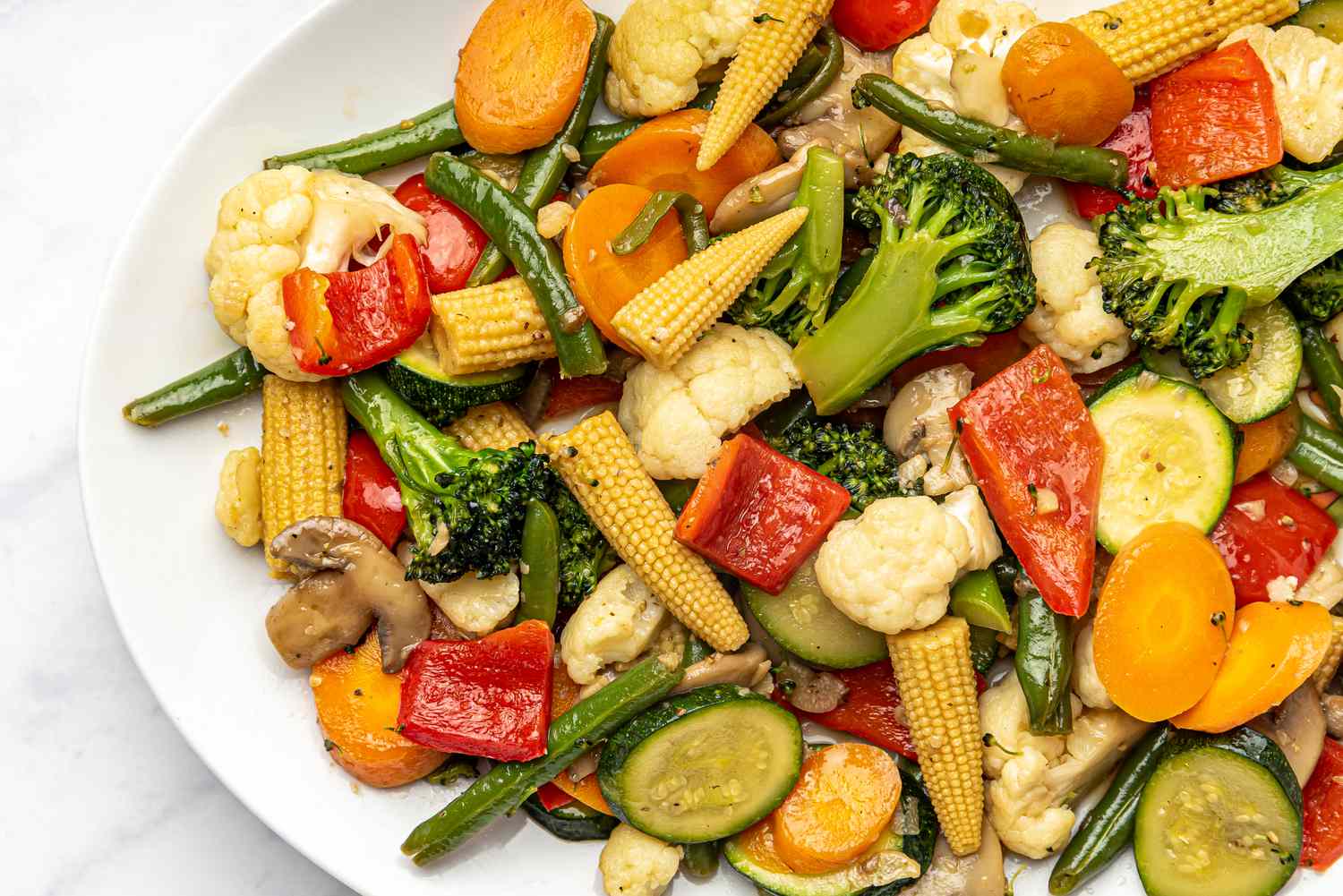
Some recipes politely ask for your attention. This Vietnamese stir-fried mixed vegetables recipe grabs a wok, claps twice, and says, “Dinner is in 20 minuteskeep up.” Known in Vietnamese as rau xào thập cẩm, this colorful vegetable stir-fry is the kind of dish that makes a weeknight table look brighter, fresher, and far more intentional than your actual energy level may suggest.
The beauty of Vietnamese stir-fried vegetables is balance. The vegetables stay crisp-tender, the garlic smells like someone made excellent life choices, and the sauce is savory without drowning everything in a salty puddle. It is light, fast, flexible, and friendly to whatever vegetables are currently giving you side-eye from the crisper drawer.
This version uses broccoli, carrots, mushrooms, snap peas, bell pepper, baby corn, and bok choy, but the formula is more important than the exact lineup. Once you understand the order, sauce, and heat level, you can make Vietnamese mixed vegetables with what you have on handand still serve something that tastes like it came from a tiny, wonderful kitchen where the wok never gets a day off.
What Makes Vietnamese Stir-Fried Mixed Vegetables So Good?
Vietnamese vegetable stir-fry is not usually heavy or overly saucy. Instead, it leans on fresh produce, garlic, a little sugar for balance, white pepper, and a savory base such as fish sauce, oyster sauce, soy sauce, or a combination of all three. The result is clean but flavorful, simple but not boring, and quick enough to make while the rice cooker is still deciding whether it wants to participate.
In many Vietnamese family meals, stir-fried vegetables are served as a side dish alongside steamed rice, soup, braised fish, grilled meat, tofu, or eggs. That said, this recipe can easily become the main event. Add pan-fried tofu, shrimp, chicken, beef, or cashews, and suddenly your side dish has promoted itself to dinner manager.
Vietnamese Stir-Fried Mixed Vegetables Recipe Overview
Prep time: 15 minutes
Cook time: 8 minutes
Total time: 23 minutes
Servings: 4 as a side dish, 2 as a light main
Best served with: steamed jasmine rice, brown rice, rice noodles, tofu, grilled chicken, shrimp, or fried eggs
Ingredients
For the Vegetables
- 1 cup broccoli florets, cut small
- 1 medium carrot, thinly sliced on the diagonal
- 1 red bell pepper, sliced into strips
- 1 cup snap peas or snow peas, trimmed
- 1 cup baby bok choy, chopped into 2-inch pieces
- 1 cup mushrooms, sliced
- 1/2 cup baby corn, halved lengthwise
- 4 cloves garlic, finely chopped
- 1 small shallot, thinly sliced
- 2 tablespoons neutral oil, such as avocado, canola, peanut, or vegetable oil
- 2 tablespoons water or low-sodium vegetable broth
- 2 green onions, sliced, for garnish
- Fresh cilantro or Thai basil, optional
- Freshly ground white or black pepper, to taste
For the Vietnamese Stir-Fry Sauce
- 1 tablespoon fish sauce
- 1 tablespoon oyster sauce
- 1 tablespoon low-sodium soy sauce
- 1 teaspoon sugar
- 1 teaspoon rice vinegar or fresh lime juice
- 1 teaspoon cornstarch
- 3 tablespoons water
- 1/2 teaspoon sesame oil, optional, added at the end
- 1 small red chili, thinly sliced, optional
How to Make Vietnamese Stir-Fried Mixed Vegetables
Step 1: Cut Everything Before You Start
Stir-frying moves fast. This is not the time to lovingly slice a carrot while garlic burns in the pan and your smoke alarm auditions for a drama series. Wash, dry, and cut every vegetable before turning on the stove. Keep firmer vegetables like carrots and broccoli in one bowl, medium vegetables like mushrooms and baby corn in another, and quick-cooking greens like bok choy and snap peas in a third.
Step 2: Mix the Sauce
In a small bowl, whisk together fish sauce, oyster sauce, soy sauce, sugar, rice vinegar, cornstarch, and water. The sugar softens the salty edges, the vinegar adds brightness, and the cornstarch helps the sauce lightly cling to the vegetables. You are not making gravy; you are making a glossy coat. Think “silk scarf,” not “winter blanket.”
Step 3: Heat the Wok or Skillet
Place a wok or large skillet over high heat. Let it get hot before adding oil. A hot pan helps vegetables sear quickly instead of steaming into sadness. Add the neutral oil and swirl to coat the surface.
Step 4: Stir-Fry the Aromatics
Add the shallot and garlic. Stir constantly for 20 to 30 seconds, just until fragrant. Garlic should smell sweet and bold, not bitter. If it turns dark brown too quickly, lower the heat slightly and pretend this was a controlled culinary experiment.
Step 5: Add the Firm Vegetables First
Add the carrots and broccoli. Stir-fry for about 1 minute. Add the water or vegetable broth, then cover the pan for 60 to 90 seconds to help the vegetables soften slightly while staying bright. This quick steam-fry method is especially helpful on home stoves, which often do not get as intensely hot as restaurant wok burners.
Step 6: Add the Medium Vegetables
Add mushrooms, baby corn, and bell pepper. Stir-fry for another 2 minutes. The mushrooms should soften, the bell pepper should stay slightly crisp, and the baby corn should bring its cheerful little crunch to the party.
Step 7: Add the Tender Greens
Add snap peas and bok choy. Toss quickly for 1 to 2 minutes, just until the greens are vivid and tender-crisp. Avoid overcooking. Vietnamese stir-fried vegetables should taste fresh, not like they spent the afternoon trapped in a cafeteria steam tray.
Step 8: Sauce and Finish
Give the sauce one more stir, then pour it around the edges of the wok or skillet. Toss everything quickly until the vegetables are glossy and evenly coated, about 30 to 60 seconds. Turn off the heat. Add sesame oil if using, then finish with green onions, herbs, chili, and pepper.
Pro Tips for the Best Vietnamese Vegetable Stir-Fry
Use High Heat, But Stay in Control
High heat is essential for crisp-tender vegetables and light browning. However, high heat does not mean chaos. Keep ingredients ready, stir often, and adjust slightly if the garlic starts to burn. The goal is fast cooking, not vegetable fireworks.
Cut Vegetables by Cooking Time
Hard vegetables should be thin or small. Soft vegetables can be larger. Carrots need a head start; bok choy leaves do not. This simple habit makes the difference between a balanced stir-fry and a pan where half the vegetables are crunchy and the other half have emotionally retired.
Do Not Overcrowd the Pan
If you double the recipe, cook in batches. Too many vegetables at once will release moisture, lower the pan temperature, and turn stir-fry into a vegetable sauna. A little steam is useful; a swamp is not.
Use the Sauce Lightly
Vietnamese mixed vegetables should taste like vegetables enhanced by sauce, not sauce interrupted by vegetables. Start with the recipe amount, then adjust at the end with a splash of fish sauce, soy sauce, lime juice, or water if needed.
Easy Variations
Vegetarian Vietnamese Stir-Fried Mixed Vegetables
For a vegetarian version, replace fish sauce with soy sauce or a vegetarian fish sauce alternative. Use vegetarian oyster sauce made from mushrooms instead of regular oyster sauce. The result is still savory, aromatic, and deeply satisfying.
Vietnamese Stir-Fried Vegetables with Tofu
Pan-fry firm tofu cubes until golden, remove them from the pan, then add them back after the vegetables are cooked. Tofu absorbs the sauce beautifully and turns this side dish into a protein-rich main meal.
Vietnamese Stir-Fried Vegetables with Shrimp
Cook peeled shrimp in the hot pan for 1 to 2 minutes per side, remove them, then stir-fry the vegetables. Add the shrimp back with the sauce. This keeps the shrimp tender instead of rubbery.
Spicy Garlic Vegetable Stir-Fry
Add sliced bird’s eye chili, chili garlic sauce, or a spoonful of sambal. Keep it moderate unless your dinner guests enjoy sweating as a group activity.
What to Serve with Vietnamese Stir-Fried Mixed Vegetables
This dish is excellent with steamed jasmine rice because the rice catches the light sauce without competing with it. It also works with vermicelli noodles, brown rice, quinoa, or rice paper rolls. For a Vietnamese-style family meal, serve it with caramelized fish, lemongrass chicken, fried tofu, egg drop soup, or a simple omelet with fish sauce and scallions.
You can also spoon the vegetables over rice and top them with a fried egg. The runny yolk mixes with the savory sauce, creating a quick lunch that tastes far more luxurious than the effort required. This is what we call “weekday math,” where low effort plus garlic equals happiness.
Storage and Reheating
Vietnamese stir-fried mixed vegetables taste best right after cooking, when the colors are bright and the texture is crisp. Still, leftovers are useful. Store them in an airtight container in the refrigerator for up to 3 days. Reheat quickly in a skillet over medium-high heat with a splash of water, or microwave until hot. Avoid reheating again and again, because vegetables can become soft and watery.
If you are meal prepping, undercook the vegetables slightly during the first cook. That way, they have room to soften during reheating without turning mushy. Keep rice and vegetables in separate containers for the best texture.
Common Mistakes to Avoid
Adding Sauce Too Early
If you add sauce before the vegetables have seared, they may steam instead of stir-fry. Cook the vegetables first, then add sauce near the end.
Using Wet Vegetables
After washing vegetables, dry them well. Excess water cools the pan and dilutes the sauce. A salad spinner or clean towel works wonders.
Cooking Everything at Once
Vegetables do not cook at the same speed. Add firm vegetables first, tender vegetables last, and leafy greens right before the sauce. Your broccoli and bok choy will both thank you in their own quiet vegetable language.
Skipping the Garlic
Technically, you can skip garlic. Emotionally, why would you? Garlic is the backbone of this dish. It gives the stir-fry its fragrant, unmistakably comforting character.
Experience Notes: What Cooking Vietnamese Stir-Fried Mixed Vegetables Teaches You
The first time you make Vietnamese stir-fried mixed vegetables, it may feel almost too fast. You spend more time chopping than cooking, which can seem suspicious until you understand the rhythm of the dish. Stir-fry rewards preparation. Once the pan is hot, everything happens quickly: garlic blooms, carrots brighten, mushrooms soften, greens collapse slightly, and the sauce turns glossy. In less than 10 minutes, a pile of raw vegetables becomes a complete dish with color, aroma, and personality.
One of the most useful lessons is that vegetables have different “personalities.” Broccoli is sturdy and needs a little patience. Carrots are sweet but stubborn, so thin slicing helps. Mushrooms are sponges that soak up flavor but release water if crowded. Bok choy looks delicate, yet its stems need a short head start before the leaves. Snap peas are best when they still have crunch. Once you understand those differences, you stop treating mixed vegetables like a random pile and start cooking them with intention.
This recipe also teaches restraint. Many home cooks want to keep adding sauce because more sauce feels like more flavor. In Vietnamese cooking, flavor often comes from balance instead of volume. A small amount of fish sauce can season the entire pan. A little sugar rounds out sharp edges. A touch of vinegar or lime wakes everything up. Garlic does the heavy lifting, while herbs and green onions add freshness at the end. Nothing needs to shout when everyone is singing in tune.
Another experience worth noting is how flexible this dish becomes once you trust the method. No snap peas? Use green beans. No bok choy? Try cabbage, spinach, choy sum, or water spinach if you can find it. No baby corn? The dinner police will not arrive. The key is to group vegetables by cooking time and keep the pan hot. That one habit makes the recipe adaptable without becoming random.
Vietnamese stir-fried mixed vegetables are also a smart dish for family meals because they bring freshness to richer foods. Put them next to grilled pork, fried fish, roasted chicken, or tofu, and the whole plate feels lighter. The vegetables cut through salty, fatty, or smoky dishes. They add crunch where rice is soft and brightness where sauces are deep. In other words, they are not just “the vegetable side.” They are the plate’s balance team, wearing green uniforms and doing excellent work.
Finally, this recipe is a reminder that simple food is not the same as plain food. A hot pan, fresh vegetables, garlic, and a well-balanced sauce can create something deeply satisfying without complicated steps. It is the kind of recipe you make once from instructions, twice from memory, and eventually by instinct. You will start glancing at leftover vegetables and thinking, “I know exactly what to do with you.” That is when the recipe has officially moved into your kitchen.
Conclusion
This Vietnamese stir-fried mixed vegetables recipe is quick, colorful, and endlessly adaptable. With crisp-tender vegetables, fragrant garlic, and a light savory sauce, it delivers everything a great weeknight dish should: speed, flavor, freshness, and just enough elegance to make takeout jealous. Serve it with rice, add your favorite protein, or enjoy it as a bright vegetable side dish that never feels like an afterthought.