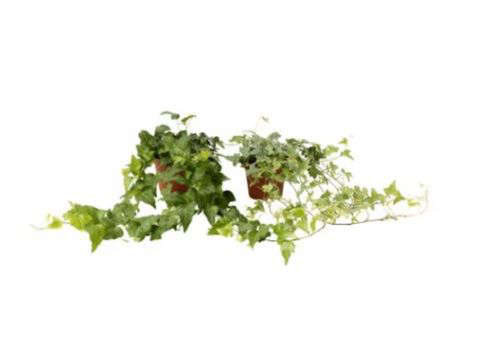
If houseplants had a fashion week, Hedera helix Gold Child would arrive wearing gold-trimmed leaves and acting like it had someplace elegant to be. This variegated English ivy cultivar is one of those plants that manages to feel both classic and fresh at the same time. It trails, it climbs, it softens hard edges, and it makes plain containers look like they suddenly developed taste.
But let’s not let the good looks distract us from the full story. Gold Child is still an English ivy, which means it comes with all the charm, vigor, and occasional bad habits that make this group of plants both beloved and controversial. As a houseplant, it can be a delight. In containers, it can be downright gorgeous. In the wrong outdoor setting, though, it can turn from “what a lovely accent” into “why is this vine trying to annex my yard?”
This guide takes a close look at Gold Child ivy: what it looks like, how to grow it, where it shines, what can go wrong, and why smart gardeners often treat it as a stylish plant that benefits from clear boundaries. In other words, think of it as the talented actor who does best with a strong director.
What Is Hedera helix Gold Child?
Hedera helix Gold Child is a variegated cultivar of English ivy, an evergreen woody vine grown for its foliage rather than flashy flowers. The leaves are the main event here. They usually have a soft gray-green to green center with broad golden-yellow margins, creating a bright, marbled effect that catches light beautifully without looking loud.
The leaf shape is part of the appeal too. Gold Child typically shows the classic lobed ivy form, but with a somewhat rounded, refined look that feels less severe than some darker green ivies. The overall effect is polished and decorative, which helps explain why this cultivar has remained popular for containers, topiary forms, hanging baskets, and low walls.
Unlike some plants that need blooms to earn their keep, Gold Child works year-round. It is grown because the foliage stays interesting through the seasons. Even when everything else in a mixed planting is having an off day, this ivy tends to keep the arrangement looking intentional.
Why Gardeners Love Gold Child
There are plenty of ivies in the world, but Gold Child has a special talent for brightening shady or softly lit spaces. Dark corners, muted patios, plain ceramic pots, and winter containers all benefit from its golden edges. It adds contrast without requiring flowers, and that makes it surprisingly useful in design.
Gardeners also like it because it is versatile. You can grow it as a trailing accent, train it upward on a small support, shape it into a topiary, or let it spill over the lip of a planter. It plays well with ferns, heucheras, begonias, and other foliage-first companions. It also looks excellent around shrubs or perennials in a formal garden bed, where the gold margins pick up nearby flower colors.
Another reason it stays popular is that the plant has personality without being high drama. Yes, it has preferences. No, it does not want to be baked in harsh sun, drowned in a soggy pot, or ignored until spider mites move in and start charging rent. But compared with fussier ornamentals, Gold Child is still fairly manageable.
How Gold Child Differs from Plain English Ivy
If standard English ivy is the dependable navy blazer, Gold Child is the same blazer with excellent tailoring and a much better social life. The difference is visual first. Gold Child has striking variegation, which makes it far more decorative in containers and indoor displays than many plain green forms.
It also responds to light and temperature in a way gardeners quickly notice. In cooler weather and brighter conditions, the gold tones often appear more vivid. In heavier shade or hotter weather, the variegation may soften toward a buttery yellow. That does not mean the plant is unhappy; it simply means Gold Child is a little moody about its wardrobe.
Because it is variegated, it may grow a bit less aggressively than all-green English ivy in some situations. That can actually be a benefit for indoor gardeners who want a plant with charm rather than a leafy coup. Still, “less aggressive than standard ivy” does not mean “slow as a sleepy cactus.” This plant still likes to move.
Best Growing Conditions for Hedera helix Gold Child
Light
The sweet spot for Hedera helix Gold Child care is bright, indirect light or partial shade. Indoors, a bright room with filtered sun usually works well. Outdoors, morning sun with afternoon shade is often a comfortable arrangement. Too little light can make growth weak and reduce the contrast in the foliage. Too much hot direct sun can scorch leaves or wash the gold into a tired-looking yellow.
Think “bright but not brutal.” Gold Child wants enough light to stay compact and colorful, but not so much that it feels like it is being interviewed under stage lamps.
Soil
Use a well-draining potting mix with decent organic matter. This is not a plant that enjoys sitting in muck. A regular quality potting mix works for containers, as long as the pot has drainage holes. Outdoors, the plant tolerates a range of soil types, but it performs best where the soil drains well and does not stay waterlogged.
The roots like moisture, but they also like oxygen. Those two facts should be best friends in your planting plan.
Water
Gold Child prefers evenly moist soil, especially while establishing, but it should never stay soggy for long. Water thoroughly, then allow the top layer of soil to begin drying before watering again. Indoors, check the soil with a finger instead of guessing from across the room like a weather forecaster with low confidence.
Overwatering is one of the fastest ways to make ivy miserable. Brown edges, yellowing foliage, limp growth, and root problems often begin with too much enthusiasm from the watering can.
Temperature and Humidity
English ivy generally prefers cooler conditions than many tropical houseplants, and Gold Child follows that pattern. It appreciates cool to moderate temperatures and tends to look best when not exposed to constant hot, dry air. Indoors, keep it away from heating vents, radiators, and icy drafts from doors or windows.
Average home humidity can work, but very dry indoor air can encourage spider mites. If your home feels like a toasted cracker in winter, a pebble tray, gentle humidification, or occasional leaf cleaning can help.
Fertilizer
This is not a plant that needs a weekly pep talk in liquid form. Feed lightly during active growth in spring and summer with a balanced or foliage-friendly fertilizer at a modest rate. Too much fertilizer can create soft, leggy growth and spoil the neat appearance that makes the plant attractive in the first place.
Pruning, Training, and Propagation
Gold Child responds well to pruning. In fact, regular trimming is part of what keeps it handsome. Cut stems just above a leaf node to encourage branching and fuller growth. If the plant starts producing long, wandering vines with a “finding myself” energy, a haircut will bring it back to a denser form.
For topiary or trellis use, gently guide the stems rather than forcing them into sharp angles. The plant climbs with small aerial roots and can be trained into decorative shapes over time. In hanging baskets, pinching back the tips helps prevent a stringy look.
Propagation is usually straightforward from stem cuttings. Healthy juvenile growth roots readily when given clean tools, a sterile rooting medium, bright indirect light, and consistent moisture. Water propagation may work, but rooting in a proper medium often gives stronger results once the plant is potted up.
Common Problems to Watch For
Pests
Like many indoor ivies, Gold Child can attract spider mites, aphids, scale, mealybugs, and occasionally whiteflies. Spider mites are especially fond of dry indoor conditions and neglected foliage. If the leaves start looking dusty, stippled, or generally annoyed, inspect the undersides.
Routine leaf cleaning helps. So does not stressing the plant with poor light, soggy soil, or desert-level indoor air. A healthy ivy is still not invincible, but it is much better at avoiding a pest meltdown.
Diseases
Leaf spots and root problems are the usual troublemakers. Wet foliage, poor airflow, and overwatering create exactly the kind of environment plant diseases love. If your watering method resembles a small tropical storm, Gold Child would prefer that you stop.
Water the soil instead of splashing the leaves, use clean potting mix, and avoid overcrowding plants. Good sanitation sounds boring, but it is the sort of boring that keeps your ivy pretty.
Reversion
Occasionally, variegated ivies can produce greener shoots. These more vigorous stems may outgrow the variegated parts if left alone. Prune them out promptly to preserve the color pattern of Gold Child. Think of it as protecting the brand identity.
Should You Grow It Outdoors?
This is where the article removes its gardening gloves and gets honest. English ivy is invasive in many parts of the United States, and multiple extension and conservation sources caution against planting it freely outdoors. That warning matters even when the cultivar is attractive and commonly sold.
Gold Child can be used outdoors in containers, controlled beds, or carefully managed spots, but it should not be treated casually in regions where English ivy escapes cultivation and spreads into natural areas. When ivy climbs trees, matures, and shifts into its adult phase, it can flower and produce berries. Birds then help with distribution, which is how a “decorative ground cover” becomes everybody else’s woodland problem.
If you love the look, the safest approach in many areas is simple: grow Gold Child in a pot, hanging basket, window box, or tightly maintained feature planting. Enjoy the beauty. Skip the ecological drama.
Design Ideas for Using Gold Child
One of the best things about variegated ivy is that it acts like a visual connector. It softens hardscape, links container ingredients together, and brightens compositions that might otherwise lean too dark. Gold Child is especially useful in:
- Hanging baskets where the golden edging is easy to appreciate up close
- Mixed shade containers paired with begonias, coleus, or ferns
- Small topiary forms for porches, patios, or bright indoor rooms
- Window boxes where trailing foliage adds movement
- Low walls or raised planters where the vines can spill without being given free rein
It also works beautifully in neutral containers. Black, white, terracotta, and weathered stone all flatter the foliage. Gold Child does not need a flashy pot. It already brought its own accessories.
Is Hedera helix Gold Child a Good Houseplant?
Yes, with a few sensible caveats. As an indoor ivy plant, Gold Child is a strong choice for gardeners who want trailing foliage, topiary potential, and year-round color. It is especially appealing in cooler rooms with bright indirect light. It is not the best pick for people who overwater every plant in sight or who want something that thrives in dark corners forever without complaint.
It is also important to remember that English ivy is considered toxic to pets and people if ingested. So if your cat sees every leaf as a personal challenge, or your dog believes all greenery is a snack subscription box, placement matters.
Final Thoughts
Hedera helix Gold Child earns its popularity honestly. It is elegant, adaptable, and useful in more ways than many foliage plants. The gold-edged leaves brighten containers, soften interiors, and add a refined twist to the familiar look of English ivy. It can trail, climb, spill, or be shaped, which makes it a flexible tool for both traditional and modern planting styles.
Still, the smartest appreciation of Gold Child is a balanced one. Admire the foliage, use it creatively, prune it regularly, and think carefully before letting it loose outdoors. This is a plant that rewards attention and clear boundaries. Give it the right conditions, and it will look polished for months. Give it too much freedom, and it may begin writing its own expansion plan.
In short, Gold Child is a beautiful ivy with excellent manners, provided you are the one setting the rules.
Real-World Experiences Growing Hedera helix Gold Child
Gardeners who spend time with Gold Child often discover that the plant is more expressive than expected. On paper, it sounds simple: a variegated English ivy with gold margins and a trailing habit. In real life, it becomes a plant that reacts visibly to placement, temperature, pruning, and even the mood of the season. That makes it a surprisingly instructive plant to grow.
One common experience is noticing how dramatically the foliage changes depending on light. In a bright room with indirect sun, the leaves usually look crisp, and the contrast between the center and the margins becomes more pronounced. Move the same plant deeper into shade, and it often stays attractive, but the color softens. It is not an ugly phase, exactly, but it does look like the plant traded its tailored jacket for a comfortable cardigan.
Another frequent observation is that Gold Child tends to look best when it is trimmed just a little more often than most people expect. New growers often let the vines run, assuming longer stems automatically mean a better display. Then the plant starts looking thin in the middle, full only at the ends, like it has very strong opinions about gravity. A quick pinch or prune changes that fast. Within a few weeks, it usually responds with denser growth and a fuller silhouette.
Container gardeners also talk about how useful Gold Child is as a “finishing” plant. You can have a nice mixed planter, but the moment a gold-edged ivy starts spilling over the rim, the arrangement suddenly looks composed. It adds movement and brightness without competing too hard with flowering plants. In that sense, Gold Child behaves like a gifted supporting actor who quietly steals the scene.
Indoor growers often learn the humidity lesson sooner or later. In cool, bright rooms, Gold Child can look almost effortless. In dry heated air, especially during winter, the plant may become more vulnerable to spider mites. Many people first realize this when the leaves lose their fresh look and fine webbing appears underneath. After that, regular inspection becomes part of the routine. Wiping the leaves, improving airflow, and avoiding stress usually makes a noticeable difference.
There is also the outdoor experience, which is a split story. In a controlled container or on a small, managed wall, Gold Child can be outstanding. It brightens shady patios and gives structure to mixed plantings long after seasonal flowers fade. But experienced gardeners in regions where English ivy spreads aggressively tend to become cautious. Many have seen what starts as a decorative planting turn into a difficult removal project later. That experience changes how they use the plant. They may still grow it, but with a pot underneath, pruners nearby, and zero illusions about what happens when ivy is underestimated.
Perhaps the most consistent real-world impression is this: Gold Child is rewarding because it shows you what it needs. Better light improves color. Better pruning improves shape. Better watering improves vigor. It is not a mysterious diva. It is more like a stylish, honest plant that says, “I can absolutely look amazing here, but let’s not pretend neglect is a design strategy.”