Note: Milk can be a fun, old-school beauty ingredient, but it is not magic in a carton. Use pasteurized milk only, avoid it if you have a milk allergy, and do not apply it to broken, infected, or severely irritated skin. If you have acne, eczema, psoriasis, rosacea, or persistent irritation, check with a board-certified dermatologist before turning your bathroom into a tiny dairy spa.
Milk has been linked to skin care for centuries, mostly because it feels soothing, contains fats that can leave skin feeling softer, and naturally includes lactic acid, a type of alpha hydroxy acid often used in exfoliating skin care. That does not mean a splash of milk will replace your cleanser, moisturizer, sunscreen, or dermatologist. It does mean that, when used carefully, milk can become a gentle add-on for smoother-feeling, more comfortable skin.
The key phrase is used carefully. Good skin is not about chasing flawless perfection. It is about supporting your skin barrier, reducing unnecessary irritation, staying consistent, and choosing ingredients that actually make sense for your skin type. Milk may help some people with temporary softness and mild exfoliation, but overdoing it can lead to stinging, dryness, clogged pores, or a face that feels like it is filing a formal complaint.
This guide explains how to get good skin with milk in 10 practical steps, including how to patch test, how to make a simple milk bath, how to use milk as a short-contact treatment, and when to skip it completely. Think of it as a realistic, skin-friendly approach: less “Cleopatra in a palace,” more “person with a clean towel and common sense.”
Why Milk Is Used in Skin Care
Milk contains water, fats, proteins, sugars, minerals, and small amounts of naturally occurring lactic acid. In cosmetic skin care, lactic acid is known as a gentler alpha hydroxy acid that can help loosen dead skin cells on the surface. This may make skin feel smoother and look less dull. Milk fats may also give temporary softness, especially in a bath or compress.
However, regular dairy milk is not the same as a professionally formulated lactic acid serum or moisturizer. Skin care products are designed with controlled pH, preservative systems, and tested concentrations. Milk from the refrigerator is food, not a lab-balanced cosmetic. That is why the safest approach is short contact, gentle application, and careful rinsing.
How to Get Good Skin with Milk: 10 Steps
1. Start with a Patch Test
Before putting milk on your face or body, test it on a small area first. Apply a little pasteurized milk to the inside of your arm or behind your ear, leave it for 5 to 10 minutes, rinse, and watch the area for 24 hours. If you notice itching, burning, swelling, hives, or a rash, skip milk-based skin care. Your skin just gave you a very clear customer review.
A patch test is especially important if you have sensitive skin, eczema-prone skin, a history of allergies, or a damaged skin barrier. Milk may sound gentle, but even gentle ingredients can irritate the wrong skin at the wrong time.
2. Use Pasteurized Milk Only
If you use milk on your skin, choose pasteurized milk. Raw or unpasteurized milk can contain harmful germs and is not worth the risk. This matters even if you are not drinking it, because bacteria can still be a problem around irritated skin, small cuts, lips, eyes, and hands.
Whole milk is often used in DIY milk baths because its fat content can leave skin feeling softer. For the face, many people prefer plain whole milk or plain yogurt, but both should be used briefly and rinsed well. Avoid flavored milk, sweetened condensed milk, chocolate milk, and anything with added fragrance. Your skin does not need a dessert menu.
3. Cleanse First with a Gentle Cleanser
Milk should not replace basic cleansing. If your skin has sunscreen, makeup, sweat, pollution, or excess oil on it, start with a gentle, fragrance-free cleanser. This helps remove buildup without stripping your skin. After cleansing, milk can be used as a brief softening step, but it should not be treated as the main tool for hygiene.
A simple routine usually works best: cleanse, apply the milk treatment briefly, rinse, moisturize, and use sunscreen in the morning. Skin often responds better to calm repetition than to complicated routines with 17 steps and the emotional energy of a reality show finale.
4. Try a Short Milk Compress for Dry Areas
For dry elbows, knees, hands, or rough patches, a milk compress can be a gentle starting point. Soak a clean, soft cloth in cool or lukewarm pasteurized milk, place it on the dry area for 5 to 10 minutes, then rinse with lukewarm water. Pat dry and apply a fragrance-free moisturizer while your skin is still slightly damp.
This method works best for mild dryness or rough texture. Do not use it on open wounds, cracked bleeding skin, infected areas, or rashes that are spreading. If your skin is painful, oozing, or hot to the touch, milk is not the solution; medical advice is.
5. Make a Simple Milk Bath for Softer-Feeling Skin
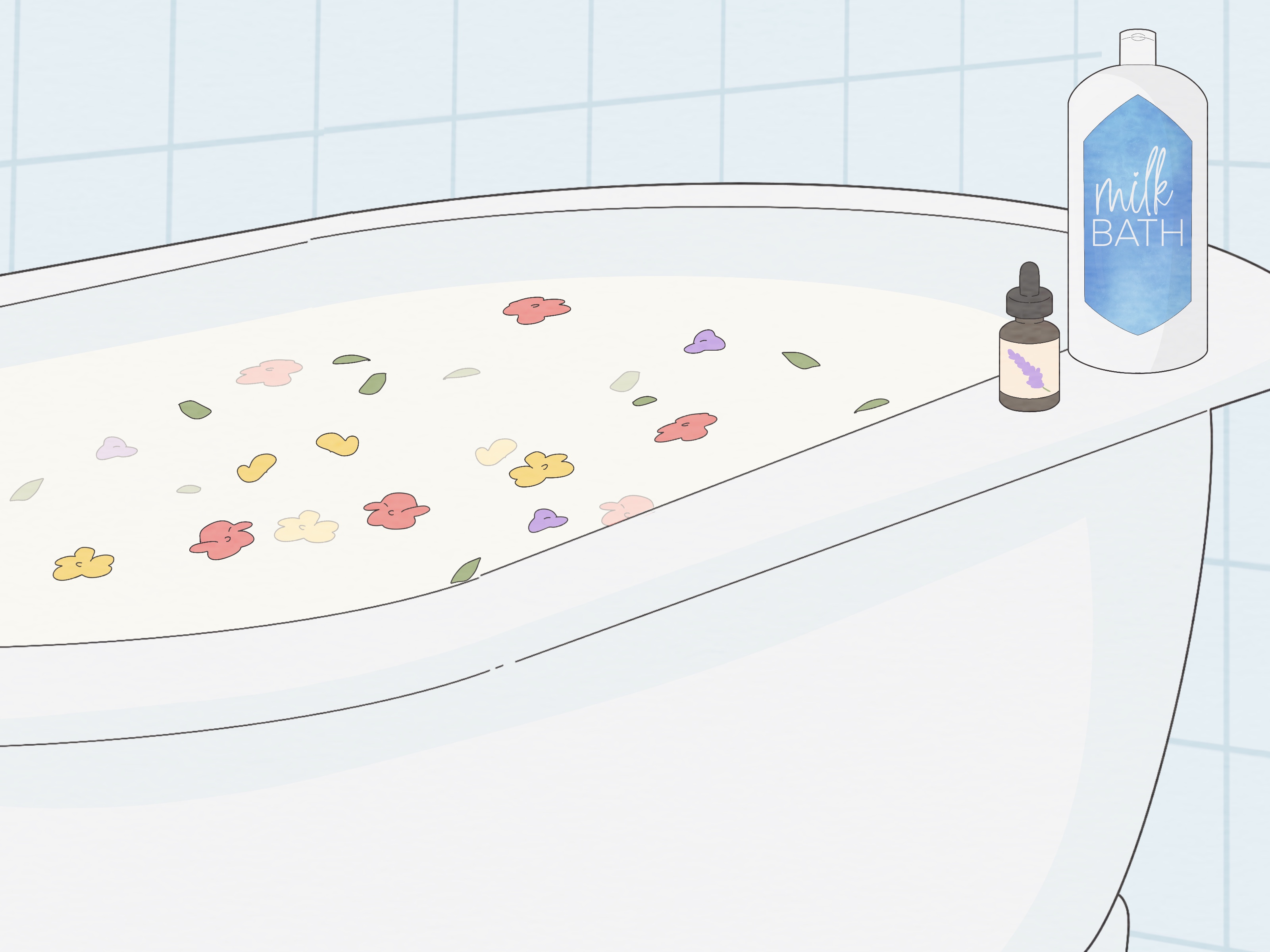
A milk bath is one of the easiest ways to use milk for the body. Fill a tub with lukewarm water, add 1 to 2 cups of pasteurized whole milk or powdered milk, stir the water, and soak for 10 to 15 minutes. Keep the water warm, not hot. Hot water can strip natural oils and make dryness worse.
After soaking, rinse lightly with clean lukewarm water, gently pat your skin dry, and apply moisturizer. This last step is important. A milk bath may make skin feel silky, but moisturizer helps lock in hydration and support the skin barrier.
6. Add Colloidal Oatmeal for Comfort
If your skin is dry or itchy, colloidal oatmeal can be a better-supported soothing ingredient than many random DIY add-ins. You can combine a milk bath with a small amount of colloidal oatmeal for a more comforting soak. Choose plain, finely milled colloidal oatmeal made for bathing, not a packet of maple-brown-sugar breakfast oatmeal. Your bathtub does not need toppings.
People with eczema or chronic itch should be careful with DIY treatments and follow their dermatologist’s guidance. Milk may irritate some sensitive skin types, while colloidal oatmeal is commonly used in products designed for dry, itchy skin. When in doubt, keep the routine simple and dermatologist-approved.
7. Use Milk as a Gentle Exfoliating Add-On, Not a Daily Peel
Because milk contains lactic acid, it may offer very mild surface exfoliation. But more is not better. Using milk treatments every day, especially on the face, may irritate the skin barrier. Start with once a week. If your skin stays calm, you may try twice a week for body areas that tolerate it well.
Signs you are overdoing it include tightness, burning, flaking, redness, increased sensitivity, or breakouts. If that happens, stop the milk treatments and return to a basic routine: gentle cleanser, moisturizer, and sunscreen. Skin barriers are like friendships; once damaged, they need patience, not more drama.
8. Moisturize Immediately After Rinsing
The best time to moisturize is shortly after bathing, washing, or rinsing, while the skin is still slightly damp. Choose a fragrance-free moisturizer with ingredients such as glycerin, hyaluronic acid, petrolatum, ceramides, or dimethicone. These ingredients help reduce water loss and keep the skin feeling comfortable.
If your goal is good skin, this step matters more than the milk itself. Milk can be a bonus. Moisturizer is the dependable friend who actually shows up on moving day. For dry skin, use a cream or ointment rather than a thin lotion. For oily or acne-prone skin, choose a non-comedogenic moisturizer.
9. Wear Sunscreen Every Morning
Any exfoliating ingredient, including lactic acid, can make skin more sensitive to the sun. Even if milk is mild, sunscreen should be part of your morning routine. Use a broad-spectrum sunscreen with SPF 30 or higher, apply it generously, and reapply when needed, especially if you are outdoors.
Sunscreen helps prevent sunburn, uneven tone, premature signs of aging, and dark spots from getting darker. If you want smoother-looking, healthier-looking skin, sunscreen is not optional. It is the quiet hero of skin care, wearing a cape made of zinc oxide or modern UV filters.
10. Know When Milk Is Not the Right Choice
Skip milk on the skin if you have a milk allergy, active hives, open cuts, infected skin, severe acne inflammation, a sunburn that hurts, or a flare of eczema or psoriasis that has not been evaluated. Also be cautious if you are using prescription acne treatments, retinoids, benzoyl peroxide, exfoliating acids, or strong peels. Combining too many active ingredients can irritate the skin.
Milk is also not a proven acne cure. Some research has found associations between drinking cow’s milk and acne in some people, but that does not mean everyone must avoid dairy or that applying milk to the face will clear breakouts. If acne is persistent, painful, or leaving marks, a dermatologist can recommend treatments that are much more reliable than raiding the refrigerator.
Best Milk-Based Skin Care Ideas by Skin Type
For Dry Skin
Try a weekly milk bath followed by a rich moisturizer. Keep bath time short and water lukewarm. Dry skin usually benefits more from consistent moisturizing than from frequent exfoliation.
For Oily or Acne-Prone Skin
Be careful with milk on the face. Use short contact only, rinse thoroughly, and watch for clogged pores or new breakouts. A gentle cleanser, non-comedogenic moisturizer, and evidence-based acne treatment will usually do more than DIY milk masks.
For Sensitive Skin
Patch test first. Use milk treatments rarely, if at all. Avoid mixing milk with lemon juice, baking soda, toothpaste, cinnamon, or essential oils. These popular DIY ingredients can irritate skin and create more problems than they solve.
For Dull or Rough Skin
A short milk compress or occasional milk bath may help skin feel smoother. For more predictable results, consider a properly formulated lactic acid product used according to directions. Start slowly and avoid layering it with multiple exfoliants.
Common Mistakes to Avoid
One common mistake is leaving milk on the face for too long. Ten minutes is enough for most DIY uses. Another mistake is using milk every day because “natural” sounds automatically safe. Natural ingredients can still irritate skin. Poison ivy is natural too, and nobody invites it to a spa night.
Do not mix milk with harsh DIY ingredients. Lemon juice can irritate skin and increase sensitivity to sunlight. Baking soda can disrupt the skin’s natural pH. Sugar scrubs can be too rough for facial skin. If you want exfoliation, gentle and controlled is better than aggressive and crunchy.
Finally, do not expect milk to erase dark spots, cure acne, remove wrinkles, or treat medical conditions. It may support a soft, smooth feel, but healthy skin depends on sleep, hydration, nutrition, sun protection, stress management, and a routine your skin can tolerate.
A Simple Weekly Milk Skin Routine
Once weekly for the body: Take a lukewarm milk bath for 10 to 15 minutes, rinse lightly, pat dry, and apply moisturizer.
Once weekly for rough areas: Use a cool milk compress on elbows, knees, or hands for 5 to 10 minutes, rinse, and moisturize.
Daily basics: Cleanse gently, moisturize, and wear sunscreen in the morning. This simple routine supports your skin far better than any single DIY ingredient.
Extra Experience: What It Is Really Like to Use Milk for Skin
Using milk for skin care sounds glamorous until you actually stand in the bathroom holding a measuring cup of milk and wondering whether your life choices have become too cinematic. The experience is surprisingly simple, though. A milk bath feels creamy in the water, and after 10 or 15 minutes, skin may feel softer and less tight. The effect is usually temporary, but pleasant. It is the kind of skin care step that feels relaxing rather than dramatic.
The most noticeable benefit tends to be on rough body areas, not necessarily the face. Elbows, knees, shins, and hands often respond better because the skin there is less reactive than facial skin. A short milk compress on dry hands, followed by a thick moisturizer, can leave the skin feeling smoother by bedtime. It will not transform your hands overnight, but it can make them feel less papery, especially during colder or drier weather.
Milk baths also teach an important skin care lesson: the aftercare matters. People often focus on the milk and forget the moisturizer. Without moisturizing afterward, the softness may fade quickly. When moisturizer is applied right after rinsing, the result feels much better. This is true for nearly every bath routine, not just milk baths. Water can hydrate the surface briefly, but moisturizer helps keep that comfort from disappearing.
The face is where caution becomes more important. Some people may like the soft feel after a short milk application, while others may notice stinging, clogged pores, or irritation. Facial skin is more exposed, more reactive, and often already dealing with sunscreen, acne products, shaving, makeup, pollution, or exfoliants. For that reason, milk should be treated as an occasional experiment, not a daily facial treatment.
The smell is another real-life detail nobody mentions enough. Plain milk does not smell like a luxury spa candle. If it sits too long, especially in a warm bathroom, it can smell sour. That is why short contact and thorough rinsing matter. Clean the tub afterward, wash any cloths you used, and do not leave milk mixtures sitting around for later. DIY skin care should not become a science fair project with suspicious bubbles.
The best experience comes from keeping things boring in the best possible way. Use pasteurized milk, lukewarm water, a clean cloth, a short soak, and a fragrance-free moisturizer. Avoid complicated recipes. Avoid viral “hacks” that combine milk with lemon, baking soda, or harsh scrubs. If your skin feels calm afterward, great. If it feels irritated, stop. Good skin care is not about forcing your skin to like something because the internet said it was cute.
Over time, the biggest takeaway is that milk can be a cozy supporting player, not the star of the entire show. It may help skin feel softer, but the real glow comes from consistency: gentle cleansing, moisturizing, sun protection, enough sleep, and not attacking your face like it owes you money. Milk can make a Sunday bath feel special. Your daily routine is what does the long-term work.
Conclusion
Learning how to get good skin with milk is really about learning how to treat your skin gently. Milk may offer mild exfoliating and softening effects because of its lactic acid and fat content, but it should be used carefully, briefly, and realistically. Choose pasteurized milk, patch test first, avoid raw milk, rinse well, moisturize afterward, and wear sunscreen daily.
For many people, a weekly milk bath or short compress can be a relaxing way to support softer-feeling skin. For others, especially those with allergies, acne-prone skin, or sensitive conditions, milk may not be the best fit. Listen to your skin. If it feels calm, comfortable, and happy, you are probably on the right track. If it burns, itches, or breaks out, your skin is politely asking you to stop bringing dairy into the conversation.