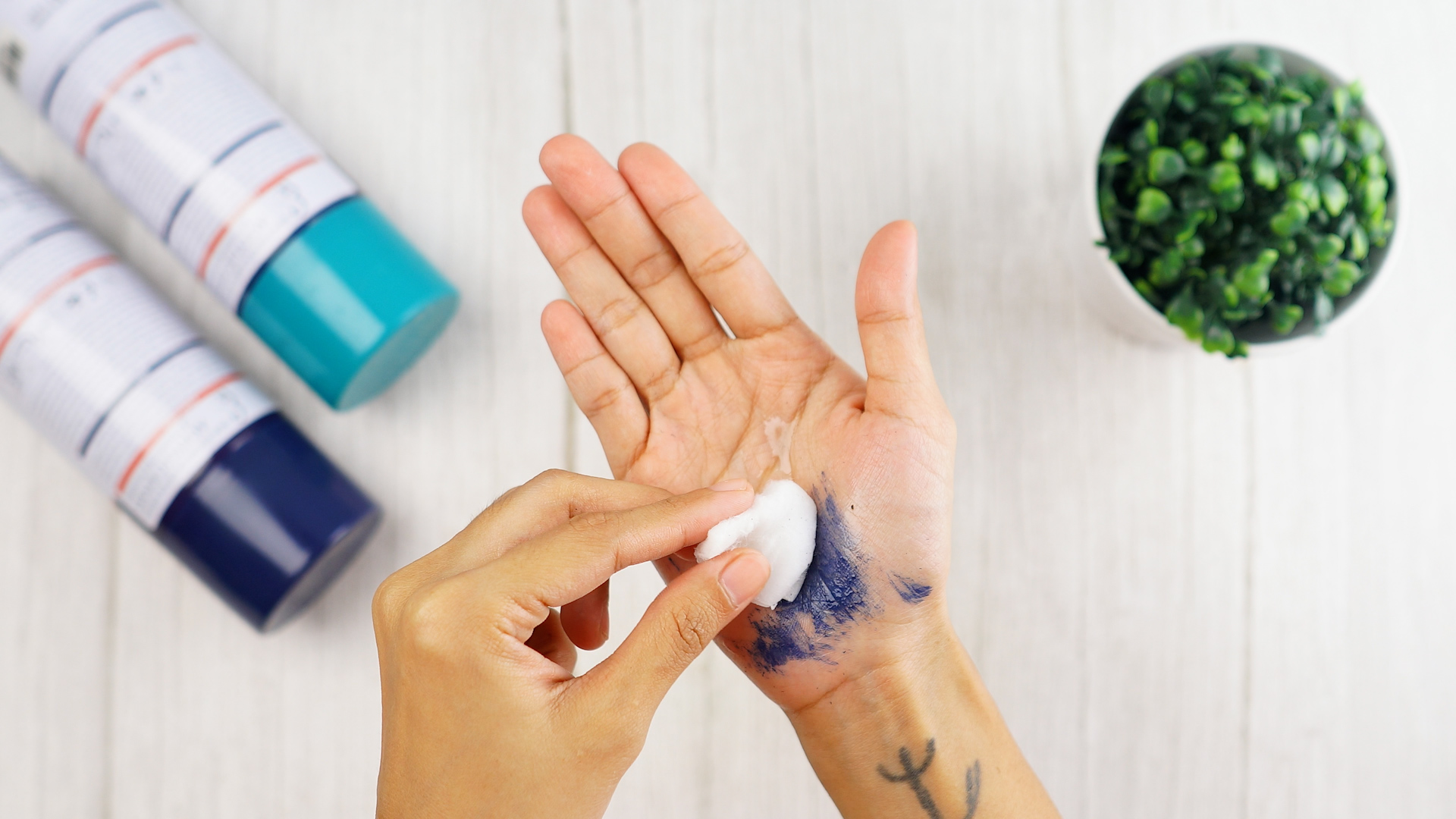
Spray paint has an impressive ability to miss a chair, fence, or flowerpot and land directly on your fingers. One minute you are refreshing an old patio table; the next, your hands look like they have joined an experimental art movement.
Fortunately, most small amounts of spray paint can be removed safely at home. The trick is to begin with the gentlest method, work patiently, and avoid harsh solvents that may remove the paint along with your skin’s protective oils. Whether you are dealing with fresh water-based paint, stubborn enamel, or dried overspray around your fingernails, the following methods can help you clean up without turning a minor mess into a dermatology appointment.
Before You Start: Identify the Spray Paint
Check the product label before reaching for a cleaner. Spray paints can use water-based, oil-based, acrylic, enamel, lacquer, or specialty formulas. Water-based products are generally easier to clean while wet, whereas oil-based and enamel coatings often need an oily substance to loosen their grip.
The label or safety data sheet may include specific first-aid and cleanup instructions. Follow those directions whenever they differ from general advice. Paint manufacturers commonly recommend washing exposed skin with soap and plenty of water, while occupational safety guidance warns against using organic solvents as hand cleaners.
Gather a Few Basic Supplies
You will not need a chemistry laboratory. Depending on the method, gather mild soap, warm water, cooking oil, baby oil, petroleum jelly, a washcloth, a soft nail brush, sugar, an oil-based cleansing balm, or a commercial hand cleaner made for paint and grease.
Check Your Skin First
Do not apply alcohol, acetone, abrasive cleaners, or strongly scented products to cuts, cracked skin, burns, eczema, or an existing rash. If the area is already painful, blistered, swollen, or intensely red, rinse it thoroughly and seek medical advice rather than experimenting with nine increasingly enthusiastic cleaning techniques.
1. Wash Fresh Paint With Warm Water and Mild Soap
Soap and water should always be your first move, especially when the spray paint is still wet or the label identifies it as water-based. Hold your hands under comfortably warm running water and apply a mild liquid soap. Work the soap over your palms, fingers, knuckles, and nail edges for at least 30 seconds.
Use a soft washcloth to create gentle friction. Avoid scalding water and aggressive scrubbing, both of which can dry or irritate your skin. Rinse, inspect your hands, and repeat once if needed.
Best For
This method works particularly well for fresh acrylic or water-based spray paint. It may also remove the top layer of still-tacky oil-based paint, making the next method more effective.
Helpful Tip
Clean your hands as soon as you notice the overspray. Spray paint becomes considerably less cooperative after it cures. Fresh paint is an inconvenience; dried enamel has signed a lease.
2. Massage the Paint With Cooking Oil
Vegetable oil, olive oil, canola oil, or coconut oil can help loosen oil-based spray paint without exposing your hands to industrial solvents. Pour about a teaspoon of oil into one palm and massage it into the painted areas for one to two minutes.
Pay special attention to creases and the sides of your fingers. As the paint softens, wipe it away with a paper towel or old cloth. Finish by washing your hands with mild soap and warm water to remove the oil and loosened pigment.
Why Oil Helps
Many stubborn spray coatings contain resins and oily components that do not mix readily with water. Cooking oil can penetrate and loosen the film, allowing soap to lift the residue afterward.
Best For
Use cooking oil for enamel, oil-based spray paint, primer, and dried overspray that did not respond to soap alone. It is also one of the gentler options for people whose hands become dry easily.
3. Try Baby Oil, Mineral Oil, or Petroleum Jelly
Baby oil and cosmetic-grade mineral oil work similarly to cooking oil but may be easier to massage into tight areas. Petroleum jelly is thicker, so it stays in place while softening isolated spots of paint.
Coat the painted skin, wait two or three minutes, and rub gently with your fingertips or a soft cloth. Wipe away the loosened paint and wash with soap and water. Repeat the process rather than scrubbing harder.
Mineral Oil Is Not Mineral Spirits
These products have confusingly similar names but are not interchangeable. Cosmetic-grade mineral oil is used in many personal-care products. Mineral spirits are petroleum solvents intended for paint-related work, not routine skin cleaning. Do not pour mineral spirits, paint thinner, turpentine, or lacquer thinner onto your hands.
4. Use an Oil-Based Cleansing Balm or Makeup Remover
An oil-based makeup remover or cleansing balm can be surprisingly effective against light spray-paint residue. These products are designed to dissolve stubborn, water-resistant cosmetics while remaining suitable for skin when used as directed.
Apply a small amount to dry hands and massage it over the paint for approximately one minute. Add a little warm water to emulsify the product, then rinse and wash normally. A cotton pad can help with small marks around the knuckles, although repeatedly rubbing the same spot may cause irritation.
Best For
This approach is useful for fine overspray, metallic pigments, and thin patches that remain after an initial wash. It is also convenient when you have no cooking oil nearby but apparently own enough skincare products to stock a small airport store.
5. Make a Gentle Oil-and-Sugar Scrub
When softened paint remains trapped in the texture of your skin, mild physical exfoliation may help. Mix one teaspoon of cooking oil with approximately one teaspoon of granulated sugar. Massage the paste over the painted area using light circular motions for 20 to 30 seconds.
Rinse thoroughly and wash with mild soap. Stop immediately if the scrub stings or leaves your skin red. Do not use this method on cuts, irritated skin, hangnails, or areas affected by dermatitis.
Why Not Scrub With Something Harsher?
Steel wool, stiff wire brushes, rough scouring pads, and aggressive pumice stones can damage the skin barrier. Once the skin becomes raw, chemicals can irritate it more easily. Your goal is to remove paint, not erase your fingerprints.
A Baking Soda Alternative
A small amount of baking soda mixed with oil can provide gentle abrasion, but it may irritate sensitive or already-dry skin. Sugar is often the milder starting point. Whichever material you choose, use minimal pressure and rinse promptly.
6. Use a Painter’s Hand Cleaner
Commercial hand cleaners formulated for mechanics, painters, and industrial workers are designed to remove substances such as grease, adhesives, ink, and paint. Many contain skin-safe surfactants combined with pumice or another fine scrubbing material.
Read the product directions carefully. Some hand cleaners should be applied to dry hands before water is added. Typically, you massage the cleaner over the stain, add a small amount of water, continue rubbing until it forms a lather, and rinse thoroughly.
Choose a Skin-Cleaning Product
Do not confuse a painter’s hand cleaner with a paint remover intended for furniture, masonry, automotive parts, or tools. Look for wording such as “hand cleaner,” “skin cleaner,” or “dermatologically tested.” Surface strippers and graffiti removers may contain chemicals that should never be used on the body.
Best For
A professional hand cleaner is useful when you frequently work with spray paint or have pigment lodged in fingerprints and nail creases. It is often more effective and less irritating than improvising with household solvents.
7. Dab Small Spots With Rubbing Alcohol
Isopropyl alcohol may break down some acrylic, ink-like, or resinous residues that remain after oil and soap have been tried. Because alcohol removes protective oils from the skin, reserve it for small, stubborn spots rather than soaking both hands.
Dampen a cotton pad with rubbing alcohol and gently dab the paint for several seconds. Wipe the softened residue away, then immediately wash the area with mild soap and water. Apply a fragrance-free moisturizer afterward.
Important Precautions
Use rubbing alcohol in a ventilated area and keep it away from flames, cigarettes, heaters, and sparks. Do not use it on broken, inflamed, or severely dry skin. Stop if you experience intense burning, increasing redness, or swelling.
8. Use Acetone Nail Polish Remover as a Last Resort
Acetone can dissolve certain dried coatings, but it is considerably more drying than oil or soap. It should be treated as a limited last resort for tiny patches, not as a hand bath.
Place a small amount of acetone-based nail polish remover on a cotton swab. Touch it only to the paint, wipe gently, and wash the skin immediately afterward. Do not leave acetone sitting on your hands or repeatedly reapply it to irritated areas.
When to Skip Acetone
Avoid this method if you have sensitive skin, eczema, cuts, cracked cuticles, or an unexplained rash. Acetone is highly flammable, so keep it far from open flames and ignition sources. Strong fumes are another reason to use it only in a well-ventilated space.
Do Not Escalate to Industrial Solvents
If acetone does not remove the stain quickly, do not move on to gasoline, brake cleaner, paint stripper, lacquer thinner, or similar chemicals. These substances may defat the skin, trigger dermatitis, or create additional inhalation and fire hazards.
9. Soak, Brush Gently, and Let Time Finish the Job
A faint stain does not always require immediate removal. Soak your hands in warm, soapy water for five to ten minutes, then use a soft nail brush around your fingernails and cuticles. Keep the brush moving and avoid digging underneath the nail with sharp tools.
Afterward, rinse, dry, and apply moisturizer. Thin traces of paint commonly fade through ordinary handwashing and natural shedding of the outermost skin cells. Waiting until the next day can be safer than repeating harsh cleaning methods during one determined session.
When Patience Is the Best Cleaner
If the paint is no longer sticky, the skin is comfortable, and only a cosmetic stain remains, stop cleaning. Excessive washing and scrubbing can produce more discomfort than the remaining pigment. Your hands do not need to pass a white-glove inspection before bedtime.
How to Remove Spray Paint From Around Your Fingernails
Paint near the nails can be particularly stubborn because it settles into cuticles, grooves, and the skin beneath the free edge of the nail. Begin by soaking your fingertips in warm, soapy water. Massage a small amount of oil around each nail and allow it to sit for several minutes.
Use a soft nail brush or clean toothbrush to brush across the nail and along the cuticle. Do not scrape with scissors, knives, metal files, or other pointed tools. These can puncture the skin, damage the nail bed, and push paint deeper into irritated areas.
Finish by washing your hands and applying hand cream or cuticle oil. Any remaining discoloration usually becomes easier to remove after another shower or routine handwashing.
What You Should Never Use on Your Hands
The fastest-looking solution is not always the safest one. Products made to strip paint from metal or wood may dissolve skin oils, produce irritating vapors, or contain ingredients that can be absorbed through damaged skin.
- Gasoline or diesel fuel
- Lacquer thinner
- Paint thinner or mineral spirits
- Turpentine
- Automotive brake or carburetor cleaner
- Furniture and aircraft paint stripper
- Graffiti remover not specifically labeled for skin
- Bleach or mixtures of household cleaning chemicals
- Steel wool, razor blades, or wire brushes
Never mix cleaners in an attempt to create a stronger paint remover. Chemical combinations can generate dangerous fumes or cause burns. When one safe method fails, rinse your hands and move to a different skin-appropriate method rather than building a countertop science experiment.
What to Do After the Paint Is Gone
Repeated washing, oil removal, alcohol, and abrasives can leave the skin barrier dry. Pat your hands dry rather than rubbing them vigorously, then apply a fragrance-free hand cream or ointment. A thicker moisturizer is especially helpful around knuckles and cuticles.
Over the next day, avoid unnecessary exposure to strong detergents. Wear suitable gloves when washing dishes, cleaning, or returning to the painting project. If gloves become wet or filled with paint, remove them rather than leaving chemicals trapped against your skin.
When to Contact a Medical Professional
Small accidental splashes generally improve after prompt washing, but professional advice may be necessary if you develop persistent burning, severe pain, blistering, swelling, spreading redness, numbness, breathing problems, dizziness, or a worsening rash.
Seek immediate guidance if paint enters the eyes, covers a large area of the body, soaks through clothing, or involves an unknown industrial coating. Remove contaminated clothing and rinse exposed skin with plenty of water. For eye exposure, begin rinsing immediately and continue while arranging professional assistance.
In the United States, Poison Control can provide product-specific guidance at 1-800-222-1222. Call emergency services for severe breathing difficulty, loss of consciousness, or other life-threatening symptoms.
How to Prevent Spray Paint From Getting on Your Hands
The easiest paint stain to remove is the one that never arrives. Wear gloves compatible with the product listed on the can or safety data sheet. Disposable nitrile gloves are commonly useful for brief DIY projects, but no glove material is suitable for every chemical.
Inspect gloves for tears, avoid touching your face, and replace gloves if paint gets inside. Spray outdoors or in a properly ventilated workspace, keep the nozzle pointed away from your body, and maintain the recommended distance from the surface.
A spray-can trigger handle may improve control and reduce paint buildup around the index finger. Keep soap, oil, paper towels, and a clean cloth nearby so that you can remove splashes before they dry.
Practical Experience: Lessons From a Typical Spray-Paint Cleanup
Consider a common weekend project: repainting a faded metal patio chair. The chair has been sanded, the weather is cooperative, and the first few passes look surprisingly professional. Then the spray nozzle begins to sputter. While adjusting the angle, paint coats the index finger, thumb, and part of the palm. The gloves are still sitting unopened on the workbench, where they are providing excellent protection to the cardboard box.
The first practical lesson is that timing matters. When the paint is cleaned within a few minutes, warm water and mild soap can remove much of the uncured material. A washcloth adds enough friction to lift the loose coating without grinding it into the skin. After this first wash, the bright surface paint may disappear while a darker stain remains in fingerprints and around the nail.
The second lesson is that repeating the same unsuccessful method is rarely helpful. Five aggressive rounds of soap do not necessarily outperform one careful wash followed by an oil treatment. In this scenario, a teaspoon of vegetable oil massaged into dry hands softens the remaining enamel. Within a minute, small rolls of pigment begin appearing on the fingertips. A paper towel removes the loosened material, and a second soap wash clears the greasy residue.
The third lesson involves fingernails. Paint trapped beside the cuticle can make the entire cleanup appear unsuccessful even when 95 percent of the stain is gone. Soaking the fingertips for several minutes and using a soft nail brush works better than scraping with a metal tool. Scraping may remove a speck of paint, but it can also create a cut that makes every later cleaning product sting.
Another useful observation is that darker colors often look worse than they are. Black, navy, red, and metallic spray paints can leave pigment in the fine texture of the skin after the binding material has been removed. A faint shadow may remain even though there is no meaningful layer of paint left. At that point, more solvent is not necessarily the answer. Normal washing over the next day often takes care of the remaining color.
Commercial hand cleaner becomes valuable for people who paint frequently. During a larger project involving several chairs, planters, or automotive parts, a skin-formulated cleaner with fine pumice may save considerable time. Applied according to its instructions, it can reach paint embedded in fingerprints without requiring repeated exposure to alcohol or acetone. The important distinction is that it must be a hand cleaner, not a general-purpose paint remover.
A final lesson is that cleanup should not become a contest. Once the skin starts feeling tight, hot, or tender, stop. Apply moisturizer and give your hands time to recover. A tiny gray mark on the side of a finger is generally less troublesome than red, cracked skin caused by excessive scrubbing.
The next project usually goes more smoothly. Gloves are put on before the can is shaken, a trigger handle is attached, and a bottle of cooking oil waits near the sink. Overspray may still happen because spray paint has ambitions of its own, but the cleanup becomes a five-minute routine instead of an evening-long battle.
Conclusion
To get spray paint off your hands safely, start with warm water and mild soap. If the stain remains, move gradually through cooking oil, baby oil, petroleum jelly, cleansing balm, a gentle scrub, or a skin-formulated painter’s hand cleaner. Rubbing alcohol and acetone should be reserved for small stubborn spots and used cautiously.
Avoid gasoline, paint thinner, lacquer thinner, paint stripper, and other industrial solvents. They may remove color quickly, but they can also damage the skin barrier and expose you to unnecessary chemical risks. When only a faint stain remains, moisturize your hands and let ordinary washing finish the cleanup.