Washi tape is proof that the smallest design tool in the craft drawer can have the biggest personality. It is colorful, lightweight, easy to use, and much less intimidating than a bucket of paint, a power drill, or that mysterious Allen wrench left over from your last furniture assembly adventure. Whether you live in a rental apartment, a dorm room, a first home, or a house that simply needs a little visual caffeine, washi tape can help you refresh your space without turning the weekend into a construction documentary.
Originally inspired by Japanese paper tape, washi tape is often made with thin decorative paper and a gentle adhesive. That combination makes it popular for crafts, journaling, gift wrapping, scrapbooking, and, yes, home decor. It comes in stripes, metallics, florals, solids, gingham, terrazzo patterns, minimalist neutrals, neon colors, and designs so cute they make plain masking tape look like it gave up in 1987.
The real beauty of washi tape home decor is flexibility. You can create a feature wall today, peel it off next month, and replace it with something completely different when your style decides to move from “soft Scandinavian” to “maximalist disco garden.” For renters, students, and budget-conscious decorators, that is a design superpower.
Why Washi Tape Works So Well for Home Decor
Washi tape is popular because it solves several common decorating problems at once. It is affordable, easy to cut, simple to apply, and usually removable from many smooth surfaces. Unlike wallpaper, it does not require paste. Unlike paint, it does not require drop cloths, drying time, or a brave conversation with your landlord. Unlike buying all-new furniture, it does not require your savings account to fake its own disappearance.
It Is Great for Renters
One of the best things about washi tape decor is that it can add color and pattern without a permanent commitment. If you are living with beige walls, builder-grade cabinets, plain closet doors, or a bedroom corner that looks like it was designed by a cardboard box, washi tape can create a stylish update that is easy to change later.
It Is Budget-Friendly
A few rolls of washi tape can cost far less than new art, new furniture, peel-and-stick wallpaper, or custom window treatments. The price depends on the brand, width, quality, and design, but even a small collection of tape can handle several small projects around the home.
It Encourages Creative Experimenting
Washi tape is forgiving. If a line goes crooked, peel it up and try again. If a pattern feels too busy, remove a few strips. If your first design looks like a raccoon decorated during a power outage, no problem. That is called “process.”
Before You Start: Smart Washi Tape Decorating Tips
Before you cover every visible surface in your home with tiny printed tape, take a moment to plan. Washi tape is simple, but a little preparation helps your project look polished instead of “I did this at midnight while eating cereal.”
Test the Surface First
Always test a small piece of tape in an hidden area before decorating a wall, cabinet, table, or frame. Most washi tape is designed to be removable, but paint quality, wall texture, humidity, sunlight, and surface finish can affect how well it sticks and how cleanly it comes off.
Clean Before Applying
Dust, oil, and kitchen grease can make tape peel faster. Wipe the surface with a soft cloth and allow it to dry fully. For furniture or cabinets, a mild cleaner may help, but avoid leaving residue behind.
Use a Ruler and Level
Freehand lines can look charming on small projects, but for walls, doors, cabinets, and faux headboards, measuring makes a huge difference. Use a ruler, pencil marks, painter’s level, or removable guide marks to keep lines straight and spacing consistent.
Choose Quality Tape for Larger Projects
Thin bargain tape is fine for cards and labels, but larger home decor projects benefit from better adhesive, cleaner edges, and stronger color. Wide washi tape works especially well for doors, furniture, and wall patterns because it makes a stronger visual impact.
1. Create a Washi Tape Accent Wall
A washi tape accent wall is one of the most dramatic ways to use decorative tape at home. It can turn a blank wall into a focal point without paint, wallpaper, or a long-term design commitment. This idea works beautifully in bedrooms, home offices, entryways, kids’ rooms, craft rooms, and small apartments.
For a modern look, try a grid, diamond pattern, herringbone layout, or simple vertical stripes. For something playful, use colorful short strips to create a confetti wall. Black washi tape on a white or beige wall can feel graphic and modern, while soft pastels create a lighter, cheerful effect.
How to Make It Work
Start with one wall or one small section rather than taping an entire room. Measure the area, choose your pattern, and mark light guide points with pencil. Apply tape slowly, smoothing it with your fingers or a clean cloth as you go. Step back every few strips to check the spacing. Your eyeballs are helpful, but they are also known liars.
2. Design a Faux Headboard
A washi tape faux headboard is perfect for small bedrooms, dorm rooms, guest rooms, and kids’ spaces. It creates the feeling of a headboard without buying furniture, drilling into the wall, or carrying a giant upholstered rectangle up three flights of stairs.
You can outline a classic rectangular headboard, create an arched shape, build a geometric pattern, or make a whimsical mountain, sunburst, or scalloped design. Use metallic tape for a grown-up look, muted neutrals for a calm bedroom, or colorful patterns for a child’s room.
Style Tip
Match the width of the design to your mattress or slightly wider. Keep the bottom edge low enough that pillows overlap the tape. This makes the design feel intentional and integrated with the bed rather than floating awkwardly like a confused window.
3. Frame Art and Photos Without Frames
Washi tape can create instant picture frames directly on the wall. This is a fantastic idea for postcards, children’s artwork, travel photos, small prints, magazine clippings, and inspirational quotes. It is especially useful for gallery walls that you want to update often.
Instead of buying matching frames, use tape to make borders around each piece. Mix colors for a playful look or use one consistent tape design for a cleaner gallery. You can create simple rectangles, layered borders, corner tabs, or decorative frames with diagonal edges.
Best Places to Try It
This idea works well above a desk, along a hallway, in a breakfast nook, inside a closet door, or in a child’s room where art changes faster than snack preferences.
4. Upgrade Plain Light Switch Plates
Light switch plates are tiny, but they have a special talent for looking boring in every room. Washi tape can turn a plain switch plate into a small design detail. Remove the plate from the wall, cover it with tape, trim the edges carefully, and cut openings for the switch and screws.
This project is quick, inexpensive, and ideal for using leftover tape from larger projects. Try marble-pattern tape for a polished look, florals for a cottage-style room, metallic tape for glam decor, or bold stripes for a kids’ space.
Safety Note
Do not place tape inside electrical boxes or near exposed wiring. Decorate only the removable plate cover, and reinstall it securely.
5. Give Furniture a Fast Makeover
Washi tape can dress up furniture without paint or hardware changes. Use it on drawer fronts, cabinet doors, bookshelf edges, table legs, chair backs, storage carts, nightstands, or plain desks. It is a smart way to test patterns before committing to a bigger makeover.
For a simple update, run tape along the edge of shelves or drawers like trim. For a bolder look, create diagonal stripes, geometric blocks, or color-blocked panels. On a plain white desk, one or two strips of patterned tape along the front edge can make the whole piece feel custom.
Where It Works Best
Washi tape usually performs best on smooth, clean surfaces such as laminate, sealed wood, metal, plastic, and painted furniture. It may not stick well to rough wood, heavily textured surfaces, or areas that get frequent moisture or heavy friction.
6. Refresh Cabinet Doors
Kitchen cabinets, bathroom vanities, and storage cupboards can benefit from washi tape, especially if they are flat-front and plain. Use tape to outline the cabinet panels, create faux molding, or add a geometric accent across the doors.
This is a great option if your cabinets are structurally fine but visually sleepy. A few clean lines can make basic cabinetry look more intentional. Use neutral tape for a subtle effect or a bold color for an eye-catching design.
Practical Advice
Kitchens are humid and greasy, so clean cabinet doors well before applying tape. Avoid areas close to the stove, sink, or dishwasher where heat and moisture may loosen the adhesive.
7. Decorate Closet Doors
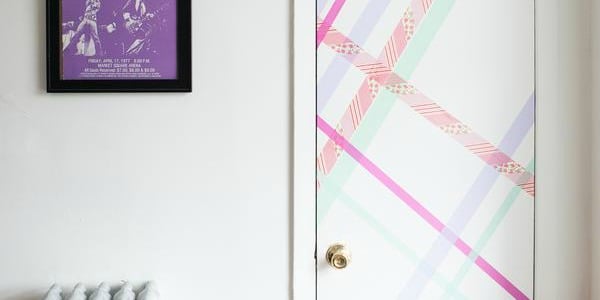
Closet doors are basically blank canvases that open. Washi tape can turn them into a design feature with stripes, borders, chevrons, arches, grids, or panel outlines. This is especially helpful in rental bedrooms where closet doors often dominate the room but have the personality of unbuttered toast.
For a modern look, use thin black tape to create faux paneling. For a cheerful bedroom, try vertical rainbow stripes. For a minimalist room, add a simple border around each door panel.
8. Make a Washi Tape Lampshade
A plain lampshade can become a colorful accent with a few strips of tape. Apply tape vertically, horizontally, diagonally, or around the top and bottom edges. You can also decorate the inside of a shade with warm metallic tape to create a subtle glow when the lamp is on.
Keep the design light and balanced. Lampshades are curved, so short strips are easier to control than long strips. Smooth each piece carefully to avoid bubbles or wrinkles.
Important Safety Tip
Use washi tape only on shades that stay cool and keep tape away from bulbs or heat sources. LED bulbs are generally cooler than incandescent bulbs, but always check the lamp’s safety guidelines.
9. Build a Seasonal Card Display
Washi tape is ideal for seasonal decorating because it can be removed when the holiday is over. Create a Christmas card tree, a Valentine’s photo wall, a spring postcard display, or a Halloween bat pattern on a wall or door.
For a holiday card tree, form a large triangle with green, gold, or patterned tape. Add horizontal tape lines inside the triangle, then attach cards along the lines. It looks festive, uses wall space efficiently, and does not require pine needles, tangled lights, or a philosophical debate about where the tree stand went.
10. Label and Beautify Storage
Organization does not have to look like a tax office. Washi tape can make storage bins, jars, folders, baskets, pantry containers, craft boxes, and office supplies more attractive. Use tape as labels, borders, color codes, or drawer markers.
In a home office, assign different tape colors to bills, receipts, family documents, and project files. In a pantry, use tape labels for dry goods. In a craft room, mark bins by category. The result is both functional and charming, which is the organizational equivalent of finding money in a coat pocket.
11. Create Custom Wall Art
You do not need to be a painter to make washi tape art. Start with a blank canvas, poster board, or heavyweight paper. Use tape to create abstract shapes, stripes, mountain silhouettes, sunbursts, city skylines, or minimalist line art. Frame the finished piece or tape it directly to the wall.
This project is perfect for beginners because the materials are low-cost and the design can be changed easily. If you dislike the result, peel off the tape and start again. That is not failure; that is editing with flair.
12. Add Detail to Mirrors and Frames
Mirrors and picture frames can look instantly fresher with washi tape borders. Apply tape around the frame edge, create striped corners, or layer two tape designs for extra dimension. This works especially well on inexpensive frames, thrift-store finds, and simple mirrors that need a little personality.
If your room already has a color palette, choose tape that repeats one of those colors. This makes the project look connected to the room rather than like the craft drawer sneezed on the wall.
13. Make a Playful Kids’ Room Design
Kids’ rooms are perfect for washi tape because their tastes change constantly. Today it is dinosaurs. Tomorrow it is outer space. Next week it is outer-space dinosaurs who run a bakery. Washi tape can keep up.
Use tape to make roads for toy cars, stars above a bed, a growth chart, a reading corner border, or frames for rotating artwork. Because the tape is easy to adjust, children can help design their own space under supervision.
14. Try Washi Tape on Doors and Entryways
An entryway sets the tone for the entire home. If your front area lacks architectural detail, washi tape can create the illusion of depth and separation. Add vertical lines to elongate a wall, use diagonal strips for energy, or create a simple border around hooks, a bench, or a mirror.
Interior doors can also benefit from tape. Try faux panels, a single vertical stripe, or a geometric corner detail. This is an easy way to distinguish a home office, pantry, laundry room, or child’s bedroom without buying new door hardware or signs.
15. Style a Desk or Home Office
A home office should be practical, but it does not have to look like it was assembled during an emergency. Washi tape can brighten a desk edge, decorate pencil cups, mark planner pages, label cords, and create a calendar grid on the wall.
If you use a whiteboard or corkboard, add tape around the border or divide it into zones for deadlines, ideas, reminders, and “things I will absolutely do after one more coffee.”
How to Choose the Right Washi Tape for Your Decor Style
The best washi tape for home decor depends on your room, color palette, and project size. Thin tape is useful for delicate details, while wide tape works better for walls, doors, and furniture. Solid colors are easier to coordinate, but patterns can add character quickly.
For Modern Spaces
Choose black, white, gray, navy, metallic, or simple geometric patterns. Use clean lines and repeat shapes for a polished effect.
For Boho Rooms
Try warm terracotta, mustard, sage green, blush, botanical prints, or hand-drawn patterns. Layering two or three designs can create a relaxed collected look.
For Kids’ Rooms
Use bright colors, stars, animals, rainbows, dots, or themed tape. Keep patterns easy to remove and replace as interests change.
For Minimalist Decor
Stick with one color and one simple pattern. A thin black line around a door frame or a soft beige grid behind a desk can add detail without clutter.
Common Mistakes to Avoid
Washi tape is easy, but a few mistakes can make a project look messy or short-lived. First, avoid applying tape to dusty, damp, or greasy surfaces. Second, do not stretch the tape too hard while applying it; stretched tape may lift later. Third, avoid using too many patterns in one small area. A little contrast is stylish. Too much contrast can look like a stationery store exploded.
Also, be careful with freshly painted walls. Paint needs time to cure fully before any tape is applied. If you are unsure, wait several weeks and test first. For valuable furniture, delicate paint, antique finishes, or textured wallpaper, skip the tape or test very carefully.
of Real-Life Experience: What Washi Tape Decor Feels Like in Practice
The first time you use washi tape for home decor, it may feel almost too easy. That is part of the charm. There is no giant equipment list, no complicated technique, and no moment where you wonder whether you accidentally bought the wrong kind of wall anchor. You simply choose a surface, clean it, measure a little, and start taping. Within minutes, a plain object begins to look designed.
One of the most satisfying projects is a small wall pattern behind a desk. A blank work corner can feel cold, especially if the desk faces a wall. Adding a simple grid or a few diagonal lines makes the area feel intentional. The change is immediate, and because the materials are lightweight, the room still feels calm. This is especially helpful in apartments where painting is not allowed or where you are not ready to commit to wallpaper.
Another surprisingly useful project is labeling. At first, labeling storage boxes with washi tape may not sound like decor. But once you see a shelf of matching bins with neat tape labels, the visual effect is real. It makes the room look more organized, even if one of the bins contains three chargers, a birthday candle shaped like a dinosaur, and a manual for an appliance you no longer own. The tape creates order, or at least the convincing appearance of order, which is sometimes enough.
Using washi tape on furniture is fun, but it teaches patience. Long strips need to be applied slowly, especially on drawer fronts or table edges. If the tape bubbles, lift it gently and smooth it again. If the pattern repeats, line it up carefully so the finished project looks clean. The difference between “cute DIY” and “craft emergency” is often just ten extra minutes of measuring.
Washi tape also works beautifully for temporary seasonal decor. A holiday card display, paper garland, or themed wall shape can make a room festive without filling closets with bulky decorations. When the season ends, remove the tape and move on. There is something refreshing about decor that does not ask to live in your basement forever.
The biggest lesson is to start small. Decorate a frame, switch plate, storage box, or desk accessory before attempting an entire wall. Small projects help you understand how the tape behaves, how strongly it sticks, and how your colors look in the room’s actual light. Once you gain confidence, larger projects become much easier.
Most of all, washi tape reminds us that home decor does not always have to be expensive, permanent, or serious. Sometimes a room just needs a playful line, a bright border, or a little pattern in an unexpected place. Washi tape gives you permission to experiment, change your mind, and enjoy the process. In a world of complicated renovations and endless design rules, that kind of easy creativity feels like a tiny roll of freedom.
Conclusion
Washi tape home decor ideas are perfect for anyone who wants a stylish update without a major renovation. From accent walls and faux headboards to cabinet details, gallery displays, lampshades, storage labels, and seasonal decorations, this small roll of decorative tape can do a surprising amount of design work. It is affordable, flexible, renter-friendly in many cases, and wonderfully forgiving.
The best approach is to choose one project, test your surface, measure carefully, and have fun with the design. Whether your style is modern, playful, boho, minimalist, colorful, or somewhere between “carefully curated” and “I found this at a flea market and love it,” washi tape can help your home feel more personal. And if the design does not work? Peel it off and try again. That is not just decorating. That is decorating with an undo button.