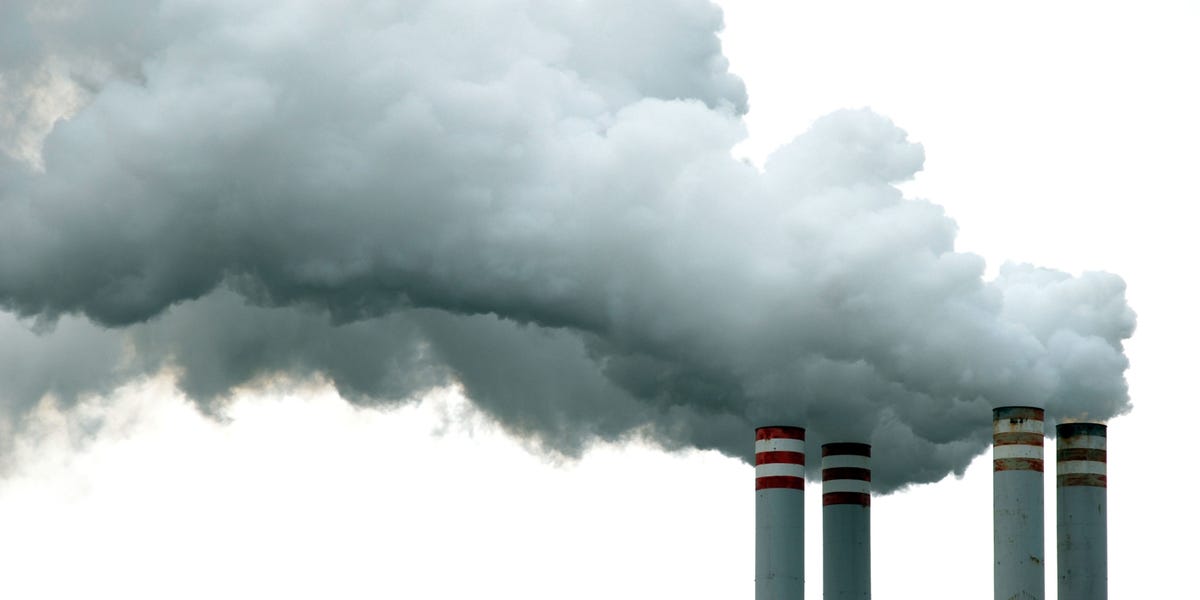
Carbon capture used to sound like something from a climate scientist’s wish list: grab carbon dioxide before it reaches the sky, tuck it away underground, and let humanity breathe a little easier. Today, that idea is no longer just a lab-coat daydream. Large carbon capture systems are operating, restarting, expanding, and learning the hard lessons that every first-generation technology must learn. In other words, the world’s biggest carbon-cleanup machines are not sitting on a whiteboard anymore. They are humming, piping, compressing, injecting, and occasionally making engineers stare very intensely at pressure gauges.
The phrase “the world’s largest carbon capture tech is now online” can refer to different milestones depending on the type of carbon capture being discussed. Petra Nova in Texas became famous as one of the largest post-combustion carbon capture systems attached to a coal power plant. Climeworks’ Mammoth facility in Iceland is now the world’s largest operating direct air capture and storage plant. Norway’s Longship and Northern Lights projects have begun showing what a full industrial carbon capture, transport, and storage chain can look like. And in Texas, the planned STRATOS direct air capture facility aims to raise the scale even further.
So, what does all of this mean? Is carbon capture finally ready to help fight climate change, or is it just a very expensive vacuum cleaner with excellent public relations? The honest answer is more interesting than either extreme. Carbon capture is not a magic eraser for fossil fuels, but it may become an important tool for cutting emissions from industries that are stubbornly difficult to clean up.
What Is Carbon Capture Technology?
Carbon capture technology refers to systems that separate carbon dioxide from other gases, then either store it permanently underground or use it in industrial processes. The most common form is carbon capture, utilization, and storage, often shortened to CCUS. It usually works at a point source, such as a power plant, cement factory, ethanol plant, natural gas processing facility, or steel mill.
Instead of allowing carbon dioxide to flow out of a smokestack, the facility diverts the gas stream through a capture unit. Chemical solvents, solid sorbents, membranes, or other materials separate the CO2. After that, the captured carbon dioxide is compressed into a dense fluid and transported by pipeline, truck, rail, or ship. Finally, it is injected deep underground into suitable geological formations, used in products, or sent to oil fields for enhanced oil recovery.
That last useenhanced oil recoveryis where the debate gets spicy. Supporters argue that injecting captured CO2 underground can keep large volumes of carbon out of the atmosphere while improving industrial economics. Critics counter that using captured CO2 to produce more oil can weaken the climate benefit. This is why the future of carbon capture depends not only on whether the equipment works, but also on what happens to the carbon after capture.
Petra Nova: The Giant That Put Carbon Capture on the Map
Petra Nova, located at the W.A. Parish power plant near Houston, Texas, is one of the most important carbon capture projects ever built for the power sector. The system was designed to capture about 90% of the carbon dioxide from a slipstream of flue gas from one coal-fired unit. At full design capacity, the facility can capture roughly 1.4 million metric tons of CO2 per year, or more than 5,000 tons per day.
The technology uses a post-combustion capture process based on amine solvent chemistry. In simple terms, the solvent acts like a chemical sponge. It absorbs carbon dioxide from exhaust gas, then releases it when heated so the CO2 can be purified, compressed, and transported. The captured CO2 is sent through a pipeline to the West Ranch oil field, where it is injected underground.
Petra Nova’s story is useful because it is not a fairy tale. It started operations in 2017, captured millions of tons of carbon dioxide, then shut down in 2020 when low oil prices damaged the economics of using the CO2 for enhanced oil recovery. The facility later restarted in September 2023, and by early 2025 it had reportedly captured, transported, and sequestered more than five million metric tons of carbon dioxide across its operating life.
That timeline tells us something crucial: carbon capture is not just an engineering challenge. It is also a business model challenge. The pipes, absorbers, compressors, and monitoring systems can work, but the economics need to work too. A billion-dollar carbon capture system cannot run on good intentions and inspirational conference panels alone.
Mammoth: The World’s Largest Direct Air Capture Plant
If Petra Nova captures carbon dioxide from a power plant, Climeworks’ Mammoth facility in Iceland does something even more futuristic: it captures CO2 directly from ordinary air. Mammoth began operations in 2024 near Hellisheidi, Iceland, and is designed to capture up to 36,000 tons of CO2 per year once fully ramped up. That makes it the largest operating direct air capture and storage facility of its kind.
Direct air capture, or DAC, is different from point-source carbon capture. At a power plant or cement kiln, carbon dioxide is relatively concentrated. In the open air, CO2 is much more diluted, which means DAC machines must move enormous volumes of air to capture meaningful amounts of carbon. It is like trying to collect powdered sugar from a football stadium after someone sneezed near the concession stand.
Mammoth uses modular collector units with large fans that pull air through specialized filters. When the filters are full, the system heats them to release concentrated CO2. In Iceland, Climeworks partners with Carbfix, which mixes the captured CO2 with water and injects it into basalt rock formations. Over time, the CO2 mineralizes, turning into solid carbonate minerals underground.
The big advantage of direct air capture is flexibility. It can remove historical emissions already in the atmosphere, not just emissions from a single facility. The big disadvantage is scale. Mammoth is a landmark project, but 36,000 tons per year is tiny compared with global annual carbon dioxide emissions, which are measured in tens of billions of tons. Mammoth is not the finish line. It is the first serious lap around the track.
Carbon Capture vs. Direct Air Capture: What’s the Difference?
Point-Source Carbon Capture
Point-source capture catches CO2 where it is produced. This includes power plants, cement plants, steel mills, fertilizer facilities, refineries, and other industrial sites. Because the carbon dioxide is more concentrated, point-source systems are usually less energy-intensive than direct air capture. They are especially relevant for industries where emissions come from chemical processes, not just fuel combustion.
Direct Air Capture
Direct air capture removes carbon dioxide from ambient air. This makes it a form of carbon dioxide removal rather than simply emissions reduction. DAC could help offset emissions from sectors like aviation, shipping, agriculture, and certain industrial processes that are difficult to eliminate completely. However, DAC requires clean energy, careful siting, durable storage, and major cost reductions to scale responsibly.
Storage Matters
Capturing CO2 is only half the story. The climate benefit depends on where the carbon goes. Permanent geological storage offers stronger climate value than short-lived utilization. Turning CO2 into fizzy drinks, for example, is not the same as locking it underground for thousands of years. Delicious? Yes. Climate solution? Not exactly.
How Carbon Capture Works Step by Step
1. Capture the Carbon Dioxide
The system separates CO2 from a gas stream. In post-combustion capture, exhaust gas passes through a chemical solvent or filter that binds with carbon dioxide. In direct air capture, fans push air through materials designed to grab CO2 at very low concentrations.
2. Release and Purify the CO2
Once the capture material is saturated, heat, pressure changes, vacuum, moisture, or chemical reactions release the CO2. The gas is then purified so it can be compressed and transported safely.
3. Compress and Move It
Carbon dioxide is compressed into a dense phase, making it easier to move. Pipelines are common for large projects, but ships and rail can also play roles, especially where industrial sites are far from storage basins.
4. Store It Underground
Captured CO2 can be injected into deep saline aquifers, depleted oil and gas reservoirs, or basalt formations. Good storage sites require the right geology, monitoring, regulation, and long-term responsibility.
5. Monitor the Site
Carbon storage is not a “set it and forget it” operation. Operators monitor pressure, plume movement, well integrity, and potential leakage pathways. Trust in carbon capture depends heavily on transparent measurement, reporting, and verification.
Why the World Is Betting on Carbon Capture
The main reason carbon capture keeps attracting attention is simple: some emissions are extremely hard to avoid. Cement production releases CO2 when limestone is heated. Steel, chemicals, refining, and fertilizer production also involve high-temperature processes and complex supply chains. Electrification can solve a lot, but it cannot solve everything overnight.
Carbon capture could help reduce emissions from existing industrial assets while cleaner alternatives mature. It can also support low-carbon hydrogen, sustainable fuels, and carbon removal markets. In regions with strong geological storage resources, CCUS may become part of a broader industrial decarbonization strategy.
The technology also offers a practical political advantage. It can preserve certain industrial jobs while cutting emissions, which matters in communities built around energy, cement, steel, chemicals, and manufacturing. Climate policy tends to work better when it brings workers along instead of simply handing them a pamphlet titled “Good Luck Out There.”
The Hard Truth: Carbon Capture Is Not a Free Pass
Carbon capture has real potential, but it also has real limitations. First, it costs moneyoften a lot of it. Capture equipment, compressors, pipelines, injection wells, monitoring systems, permits, and energy all add up. First-of-a-kind projects are especially expensive because engineers are still learning how to build and operate them efficiently.
Second, carbon capture uses energy. If that energy comes from high-emission sources, the net climate benefit shrinks. The best projects pair capture systems with low-carbon energy and carefully account for all emissions across the full lifecycle.
Third, not every project captures all emissions. Petra Nova, for example, captured CO2 from a slipstream of flue gas rather than the entire power plant. That does not make it meaningless, but it does mean headlines need context. “Captures 90%” can sound like the whole facility is nearly carbon-free, when the reality may be narrower.
Fourth, public trust is fragile. Communities want to know where pipelines will run, how storage sites are monitored, who is liable if something goes wrong, and whether projects will extend the life of polluting facilities. Those concerns are not anti-science. They are exactly the kinds of questions serious infrastructure projects must answer.
What Norway’s Longship Project Adds to the Story
Another important development is Norway’s Longship project, which connects industrial capture with ship transport and offshore storage. Heidelberg Materials’ Brevik cement plant is designed to capture about 400,000 tons of CO2 per year, roughly half of the plant’s emissions. The captured CO2 is liquefied, shipped, and stored through the Northern Lights system beneath the North Sea.
This matters because cement is one of the toughest industries to decarbonize. Even if a cement plant runs on clean energy, the chemistry of turning limestone into clinker releases CO2. Carbon capture is one of the few available tools that can directly address those process emissions.
Longship also shows why carbon capture is becoming a network business. Not every factory can build its own storage site. Shared transport and storage infrastructure could allow multiple emitters to plug into the same system, much like airports, ports, or power grids support many users. That shared model may be essential if CCUS is going to move from heroic one-off projects to ordinary industrial practice.
What Comes Next for Carbon Capture Technology?
The next phase will be about scale, cost, credibility, and speed. Planned projects such as STRATOS in Texas aim to capture far more CO2 through direct air capture than today’s operating DAC facilities. Meanwhile, industrial CCS hubs are being designed to connect multiple factories to shared pipelines and storage sites.
To succeed, the sector needs better capture materials, lower energy use, faster permitting, durable policy support, and stronger carbon accounting. It also needs a clear hierarchy: reduce emissions first, capture what cannot be avoided, and use direct air capture for truly residual or historical emissions. Carbon capture should be a cleanup crew, not a permission slip to keep making the mess bigger.
Corporate buyers are also shaping the market. Companies in technology, aviation, finance, construction, and consumer goods are purchasing carbon removal credits to address residual emissions. Those purchases can help early projects survive, but voluntary demand alone may not be enough. Long-term growth will likely require public procurement, carbon pricing, tax incentives, regulated clean product standards, and transparent verification.
Is the World’s Largest Carbon Capture Tech a Climate Breakthrough?
Yesbut with an asterisk large enough to require its own building permit. The largest carbon capture systems now online prove that the technology can operate at meaningful industrial scale. Petra Nova showed that post-combustion carbon capture can remove millions of tons of CO2 from a power-sector source. Mammoth shows that direct air capture is moving from pilot scale toward modular industrial deployment. Brevik and Northern Lights show that full-chain capture, transport, and storage can work for hard-to-abate industries.
But the world cannot capture its way out of climate change while continuing to emit without restraint. Carbon capture must complement rapid emissions cuts, renewable energy, electrification, efficiency, methane reduction, clean fuels, and smarter land use. It is a tool in the toolbox, not the entire toolbox, the hardware store, and the contractor’s pickup truck.
The most exciting thing about these projects is not that they solve climate change today. They do not. The exciting part is that they turn abstract climate engineering into operational experience. Every pump, fan, solvent loop, pipeline, injection well, and monitoring report teaches the next project how to be cheaper, cleaner, safer, and more reliable.
Experiences and Reflections: What This Technology Feels Like in the Real World
Thinking about the world’s largest carbon capture technology from a distance is easy. It becomes a neat diagram: smokestack, pipe, underground rock, happy planet. Seeing the idea through real-world experience is messier and more revealing. Carbon capture is not a single machine with a big red “save climate” button. It is a chain of decisions, materials, workers, local permits, energy inputs, land use questions, corporate promises, and public expectations.
Imagine visiting a large carbon capture site for the first time. The first surprise is that it may not look futuristic in the Hollywood sense. No glowing blue portal. No dramatic laser beam shooting into the sky. Instead, you see steel, ducts, tanks, compressors, control rooms, and pipes arranged with the practical seriousness of heavy industry. The technology feels less like science fiction and more like a refinery, a power plant, and a chemistry lab had a very ambitious child.
The second surprise is the sound. Fans move air. Compressors work hard. Pumps circulate fluids. Valves open and close. Carbon capture is physical. It handles real gases at real pressures in real weather. That matters because climate conversations often become abstract: parts per million, gigatons, net zero pathways, model scenarios. A carbon capture facility turns those abstractions into bolts, welds, maintenance schedules, and safety procedures.
For engineers, the experience is probably both thrilling and humbling. Capturing CO2 is possible, but doing it consistently, affordably, and cleanly is the difficult part. A solvent may perform well in theory, then face corrosion, degradation, water management problems, or energy penalties in practice. A storage site may look promising, then require years of characterization. A pipeline may be technically straightforward, yet socially complicated. Infrastructure does not happen in a vacuum, even when the machine is literally trying to clean the air.
For nearby communities, the experience can be mixed. Some people see jobs, investment, and a chance to keep industrial regions relevant in a low-carbon economy. Others worry about prolonging fossil fuel use, pipeline safety, local pollution, or whether promised climate benefits will be measured honestly. Both reactions deserve attention. Carbon capture will not earn trust through glossy renderings alone. It will earn trust through transparent data, enforceable rules, emergency planning, community benefits, and proof that captured carbon stays stored.
For climate-conscious readers, carbon capture can feel emotionally complicated. On one hand, it is encouraging to see real machines removing or preventing carbon emissions. On the other hand, the scale gap is enormous. A facility that captures tens of thousands or even millions of tons per year sounds huge until it is compared with global emissions. That comparison can feel like bringing a mop to a flood. Still, mops matter when the alternative is standing ankle-deep in water arguing about whether cleaning is “realistic.”
The best way to understand carbon capture is as disciplined optimism. It is not a miracle, and it is not a scam by default. It is an industrial tool with specific uses, strengths, weaknesses, costs, and risks. Used carefully, it can help reduce emissions from cement, steel, chemicals, power, and other hard-to-abate sectors. Used carelessly, it can become a distraction. The difference will depend on policy, project design, public oversight, and whether society keeps the main priority clear: stop putting so much carbon into the atmosphere in the first place.
The world’s largest carbon capture tech being online is a milestone worth noticing. It means the climate toolbox is getting heavier, more practical, and more industrial. Now comes the harder job: proving that these tools can scale without becoming excuses, and that captured carbon can become a genuine climate benefit rather than just another impressive-looking pipe.
Note: This publish-ready article synthesizes real information from reputable government, industry, scientific, and energy-news sources. Source links are intentionally not embedded in the article body.