Renal tubular acidosis (RTA) sounds like the sort of diagnosis that requires a medical dictionary, three cups of coffee, and a very patient nephrologist. Fortunately, the basic idea is easier to understand: the kidneys are supposed to keep the body’s acid-base chemistry balanced, and in RTA, certain kidney tubules do not handle acid or bicarbonate properly.
The result is usually a form of metabolic acidosis in which bicarbonate levels fall and chloride levels rise, producing what clinicians call a normal-anion-gap, or hyperchloremic, metabolic acidosis. Depending on the type of renal tubular acidosis, potassium may become dangerously low or unusually high.
The encouraging part is that RTA is often manageable. Treatment can correct blood acidity, improve growth in children, protect bones, reduce kidney stone formation, and address dangerous electrolyte abnormalities. Outcomes depend heavily on the RTA type, its underlying cause, how quickly treatment begins, and whether complications have already developed.
Medical note: This article is educational and is not a substitute for diagnosis or individualized treatment from a physician. Significant potassium abnormalities and severe metabolic acidosis can become medical emergencies.
What happens in renal tubular acidosis?
The kidneys constantly perform chemistry that would make a laboratory technician proud. They filter blood, reclaim substances the body needs, remove metabolic waste, regulate electrolytes, and help maintain blood pH within a very narrow range.
Two particularly important jobs are reclaiming filtered bicarbonate and eliminating hydrogen ions, or acid. RTA develops when part of this system fails even though overall kidney filtration may initially remain relatively well preserved.
Doctors generally recognize three major forms:
- Type 1, or distal renal tubular acidosis: The distal portions of the kidney tubules cannot excrete acid effectively.
- Type 2, or proximal renal tubular acidosis: The proximal tubules lose too much bicarbonate instead of reabsorbing it.
- Type 4, or hyperkalemic renal tubular acidosis: Reduced aldosterone activity or impaired response to aldosterone interferes with potassium and acid excretion.
The old term “type 3 RTA” is rarely used because it generally describes an uncommon combination of proximal and distal defects.
Renal tubular acidosis treatment depends on the type
There is no single pill labeled “Fix RTA.” Treatment is designed around the specific biochemical problem. In many cases, the physician must accomplish two things at once: correct the acidosis and address whatever caused the kidney tubules to malfunction.
Alkali therapy: the foundation for many patients
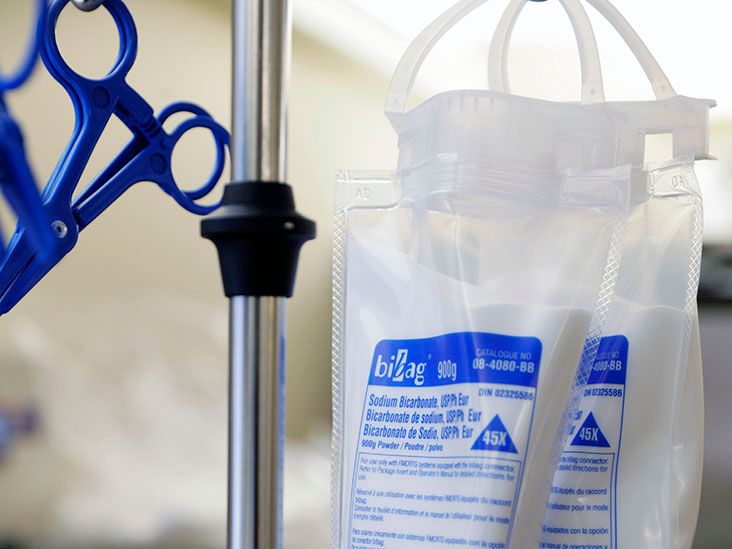
For distal and proximal RTA, treatment commonly includes an alkaline medication such as sodium bicarbonate, sodium citrate, or potassium citrate. These medications replace lost base or neutralize excess acid, helping increase the serum bicarbonate concentration toward an appropriate range.
This is not merely about making a laboratory result prettier. Persistent metabolic acidosis can affect muscles, bones, growth, kidney stone risk, and kidney function. Correcting acidosis may therefore prevent or improve important complications.
The amount and form of alkali needed differ substantially among patients. Proximal RTA can require considerably more alkali replacement because the kidneys may continue spilling bicarbonate into the urine.
Treatment for type 1 distal RTA
People with distal renal tubular acidosis typically receive alkali replacement. Potassium citrate can be particularly useful when potassium is low or when kidney stones and low urinary citrate are concerns.
Long-term treatment can help reduce the conditions that encourage calcium phosphate stones and calcium deposits within the kidneys. In children with inherited distal RTA, maintaining acid-base balance is also important for normal growth and bone development.
If distal RTA resulted from an autoimmune disorder such as Sjögren syndrome or lupus, physicians may also investigate and treat that disease. Medication-associated RTA may require changing the suspected drug when medically appropriate.
Treatment for type 2 proximal RTA
Proximal RTA is treated with alkali replacement as well, although management can be trickier because bicarbonate given to the patient may simply be filtered and lost again.
Type 2 RTA frequently occurs as part of Fanconi syndrome, in which the proximal tubules lose several valuable substances rather than bicarbonate alone. Patients may therefore require evaluation and replacement of potassium, phosphate, vitamin D, or other nutrients depending on laboratory findings.
Some patients are treated with a thiazide diuretic under specialist supervision. Mild volume contraction produced by the medication can increase proximal sodium and bicarbonate reabsorption, reducing the amount of alkali needed. The trade-off is that thiazides can also affect potassium, sodium, blood pressure, glucose, and hydration.
Treatment for type 4 RTA
Type 4 RTA deserves special attention because it usually involves high potassium rather than low potassium. It is frequently associated with diabetes, chronic kidney disease, urinary obstruction, low aldosterone activity, or medications that interfere with the renin-angiotensin-aldosterone system.
Treatment may include:
- Reviewing medications that raise potassium
- Managing the underlying kidney or endocrine disorder
- Adjusting dietary potassium when medically necessary
- Using diuretics that increase potassium excretion in selected patients
- Using potassium-binding medications when appropriate
- Correcting metabolic acidosis
In selected patients with true mineralocorticoid deficiency, a physician may consider fludrocortisone. However, it can cause sodium retention, swelling, or hypertension and is therefore not suitable for everyone.
Side effects of renal tubular acidosis treatment
RTA medications can be remarkably effective, but kidneys are fussy chemistry departments. Changing one electrolyte may change another, which is why laboratory monitoring matters.
Side effects of sodium bicarbonate and sodium citrate
Oral sodium-based alkali may cause gastrointestinal discomfort, bloating, nausea, or a sensation of fullness. The sodium content can also matter in people with hypertension, edema, heart failure, or certain kidney conditions.
Excessive alkali treatment can potentially push bicarbonate too high and cause metabolic alkalosis, although careful dose adjustment and monitoring are designed to prevent this.
Potassium changes during treatment
Potassium requires particularly close attention. Patients with distal or proximal RTA may already have hypokalemia. In proximal RTA, alkali treatment can sometimes increase urinary potassium losses and worsen low potassium unless potassium is replaced appropriately.
At the opposite end of the spectrum, potassium-containing supplements can be dangerous when potassium is already high, particularly in type 4 RTA or significantly impaired kidney function.
This is one reason self-treating suspected RTA with potassium products is a bad experiment. Potassium is an electrolyte with very little appreciation for improvisation.
Possible side effects of diuretics
Thiazide and loop diuretics may be helpful in selected RTA cases, but possible effects include dehydration, dizziness, low sodium, abnormal magnesium levels, and changes in potassium.
Patients taking these medications typically need periodic blood pressure assessment and laboratory testing.
How doctors know whether RTA treatment is working
Treatment success is not judged by symptoms alone. Someone may feel perfectly fine while potassium or bicarbonate is heading in the wrong direction.
Follow-up may include measurements of:
- Serum bicarbonate
- Potassium
- Sodium and chloride
- Creatinine and estimated kidney function
- Calcium and phosphate when indicated
- Urine pH
- Urinary citrate or calcium in patients with kidney stones
Children may also have height and weight monitored carefully because untreated chronic acidosis can interfere with growth.
Patients with recurrent kidney stones or nephrocalcinosis may periodically require urine studies or kidney imaging.
Potential complications if RTA is not adequately treated
Kidney stones and nephrocalcinosis
Distal RTA is strongly associated with calcium phosphate kidney stones and nephrocalcinosis, meaning calcium accumulates within kidney tissue. An alkaline urinary environment combined with changes in urinary citrate and calcium promotes stone formation.
Effective alkali treatment, particularly therapy that restores citrate when appropriate, can reduce this risk.
Bone disease
Chronic metabolic acidosis can interfere with normal bone mineralization. Children may develop rickets or growth problems, while adults may experience osteomalacia, bone discomfort, or reduced bone strength.
Correcting the chronic acid load is therefore part of protecting the skeleton, not simply correcting a number on a blood test.
Muscle weakness and abnormal heart rhythms
Severe hypokalemia can cause weakness, cramps, paralysis, and cardiac rhythm disturbances. Severe hyperkalemia can also interfere with normal electrical conduction in the heart and may become life-threatening.
Sudden profound weakness, palpitations, fainting, severe confusion, or significant breathing changes deserve urgent medical evaluation.
What are the long-term outcomes of renal tubular acidosis?
The prognosis for renal tubular acidosis varies considerably, but properly treated RTA can have a favorable outcome.
Outlook for distal RTA
Many patients with distal RTA respond well to sustained alkali therapy. Correcting acidosis can support normal growth in children and help prevent or slow complications such as kidney stones and bone disease.
Inherited forms generally require long-term or lifelong management. Some inherited distal RTA syndromes are also associated with hearing loss, making audiology follow-up an important part of care.
Chronic kidney disease can occur, particularly when nephrocalcinosis, recurrent stones, or long-standing metabolic abnormalities have damaged the kidneys. Early diagnosis and consistent treatment improve the odds of preserving kidney health.
Outlook for proximal RTA
In proximal RTA, prognosis depends heavily on the cause. An isolated reversible tubular injury may improve after the triggering problem disappears, while inherited Fanconi syndromes or persistent systemic diseases may require long-term management.
Growth and bone abnormalities can improve when acidosis and associated mineral deficiencies are corrected.
Outlook for type 4 RTA
For type 4 RTA, the underlying condition often determines the long-term picture. Diabetes and chronic kidney disease, for example, may continue to require treatment even after potassium and bicarbonate have been stabilized.
Medication review can sometimes make an enormous difference. However, drugs that increase potassium may also provide important heart or kidney benefits, so they should never be stopped simply because a patient reads that they can contribute to hyperkalemia. The treatment decision requires balancing risks and benefits.
Diet and lifestyle considerations
There is no universal “renal tubular acidosis diet.” Nutrition recommendations depend on the RTA type, potassium level, kidney function, stone history, blood pressure, medications, and other medical conditions.
People with hyperkalemic type 4 RTA may sometimes need to reduce high-potassium foods. A person with hypokalemic distal RTA, meanwhile, could require an entirely different plan. Copying someone else’s kidney diet from the internet can therefore produce the nutritional equivalent of wearing another person’s prescription glasses.
Hydration may be especially important for patients prone to kidney stones unless another medical condition requires fluid restriction. Sodium intake may also require attention when sodium-containing alkali therapy, high blood pressure, swelling, heart disease, or chronic kidney disease is present.
When should someone with RTA seek urgent medical care?
Patients with diagnosed or suspected renal tubular acidosis should seek prompt medical attention for symptoms that could indicate severe acidosis or an electrolyte disturbance, including:
- New severe muscle weakness or paralysis
- Fainting or severe dizziness
- New palpitations or an abnormal heartbeat
- Significant confusion or decreased alertness
- Seizures
- Persistent vomiting with inability to keep medications or fluids down
- Severe dehydration
- Major changes in breathing
These symptoms do not automatically mean RTA is responsible, but serious potassium and acid-base abnormalities should not be diagnosed from the couch.
Conclusion: RTA is manageable, but precision matters
Renal tubular acidosis is not a single disease with a single treatment. Distal RTA involves impaired acid secretion, proximal RTA involves excessive bicarbonate loss, and type 4 RTA is typically characterized by reduced aldosterone activity or response and high potassium.
For many patients, renal tubular acidosis treatment relies on carefully selected alkali therapy, correction of potassium and other electrolyte abnormalities, and treatment of the underlying disorder. Good management can improve symptoms and help prevent kidney stones, bone disease, growth problems, and progressive kidney complications.
The important word is “carefully.” Sodium, potassium, bicarbonate, medications, kidney function, and urine chemistry interact with one another. Successful RTA management therefore depends less on finding a magic supplement and more on regular laboratory monitoring, appropriate medication adjustments, and follow-up with a clinician who understands acid-base disorders.
Living with renal tubular acidosis: practical treatment experiences
The everyday experience of managing RTA can feel quite different from the tidy diagrams in a nephrology textbook. The following observations represent common practical themes rather than testimonials from any single patient.
The diagnosis may take longer than expected
One recurring experience is that RTA is not always immediately obvious. A person may initially seek medical attention because of fatigue, recurring kidney stones, unexplained low potassium, muscle weakness, poor growth, or an abnormal blood test discovered for a completely different reason.
The diagnostic trail may include repeat electrolyte tests, blood gas measurements, urine pH testing, medication reviews, autoimmune testing, kidney imaging, and occasionally specialized acidification studies. For someone who originally came in because “I feel tired,” suddenly discussing bicarbonate reabsorption can feel like the plot took an unexpected turn.
Once the type of RTA is established, however, the treatment plan usually becomes much more logical.
Getting the alkali regimen right can take adjustment
Starting alkali treatment is not necessarily a one-and-done event. Physicians may adjust therapy based on serum bicarbonate, potassium, symptoms, growth, stone risk, kidney function, and how well the patient tolerates the medication.
Some people find liquid preparations easier to take, while others prefer tablets. Large pill burdens can become inconvenient, particularly in proximal RTA where substantial alkali replacement may be necessary. Taste and gastrointestinal effects can also affect adherence.
This makes consistency surprisingly important. Missing occasional medication may not create obvious symptoms immediately, but repeated missed doses can allow chronic acidosis to return. Practical routinessuch as linking doses to meals or using medication remindersmay therefore matter almost as much as remembering the name of every electrolyte on the laboratory report.
Laboratory results become part of everyday vocabulary
People receiving long-term treatment often become familiar with numbers they had never previously considered: bicarbonate, chloride, potassium, creatinine, urine pH, citrate, and sometimes calcium or phosphate.
Rather than focusing on one isolated result, clinicians usually look for trends. A slightly abnormal value may simply prompt another measurement, whereas a rapidly changing potassium concentration can require immediate attention.
Patients often benefit from keeping an updated medication list because seemingly unrelated drugs can alter potassium levels or kidney tubular function. Over-the-counter medicines and supplements matter too.
Kidney stones can be an important warning sign
For some adults, recurrent stones are what eventually leads to recognition of distal RTA. Once treatment corrects chronic acidosis and improves urinary chemistry, stone risk may decrease substantially.
That improvement can be one of the most tangible outcomes of successful treatment. Fewer emergency visits for stone pain are considerably more exciting than a perfect bicarbonate result, although the two may be related.
Children may show progress gradually
When chronic acidosis has affected childhood growth or bones, improvement is usually measured over months rather than days. Correcting acid-base abnormalities allows the body to use nutrients and minerals more normally, but height does not suddenly jump after Tuesday’s bicarbonate dose.
Pediatric care may therefore involve nephrologists working alongside primary care clinicians, dietitians, endocrinologists, genetic specialists, and audiologists when an inherited form of distal RTA is suspected.
The biggest lesson is that RTA management is individualized
Two people labeled with “renal tubular acidosis” may receive noticeably different treatment. One may need potassium citrate because potassium is low and stones are recurring. Another person with type 4 RTA may need the exact opposite strategy because potassium is dangerously high.
That contrast explains why regular follow-up matters so much. With appropriate monitoring and treatment, many people can keep their acid-base balance stable and reduce the risk of long-term complications. The objective is not simply to chase laboratory numbersit is to protect muscles, bones, heart rhythm, kidney function, childhood growth, and day-to-day quality of life.