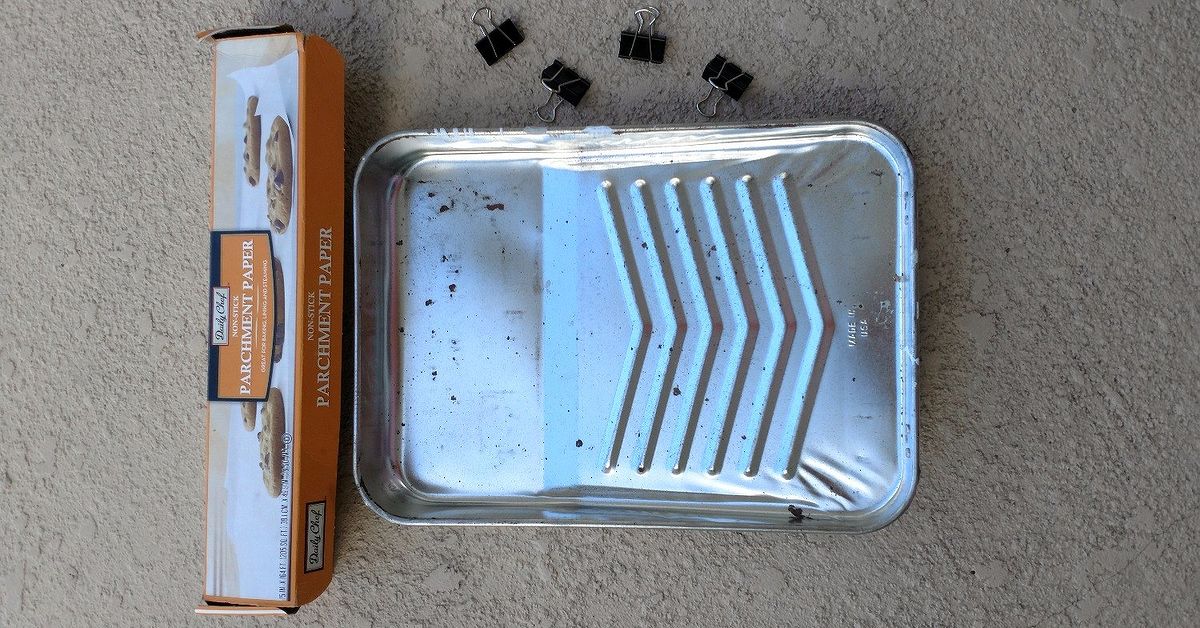
Parchment paper is usually introduced as the quiet sidekick of chocolate chip cookies. It lines the pan, prevents sticking, catches a few runaway chocolate chips, and then exits without demanding applause. Useful? Absolutely. Exciting? Not exactly.
But limiting parchment paper to baking sheets is like buying a smartphone and using it only as an alarm clock. This flexible, nonstick kitchen material can help steam fish, shape dough, separate frozen foods, protect work surfaces, create piping bags, control evaporation, simplify air-fryer cleanup, and rescue you from several surprisingly sticky situations.
Once you understand how parchment worksand where it should never be useda basic roll of baking paper becomes one of the most versatile tools in the kitchen.
What Makes Parchment Paper So Useful?
Parchment paper is food-safe paper treated to resist grease and moisture. Most consumer products also have a thin silicone coating that creates a smooth, nonstick surface. That combination allows parchment to release sticky foods, tolerate moderate oven heat, and remain strong when exposed to steam or cooking juices.
Temperature ratings vary by product. Some brands specify a maximum of 425°F, while others are rated closer to 450°F. The number printed on the packagenot a random cooking videois the one that matters. Parchment is heat-resistant, but it is not fireproof. It should not touch an open flame, exposed heating element, oven wall, or broiler.
Research basis: Reynolds Brands, King Arthur Baking, Food Network, The Kitchn and Better Homes & Gardens.
Parchment Paper Is Not Wax Paper
Wax paper and parchment paper may look like twins wearing slightly different outfits, but their heat tolerance is dramatically different. Wax paper is coated with wax and is intended primarily for cold storage, wrapping, rolling, and countertop preparation. In an uncovered high-heat application, the wax can melt, smoke, or create a fire risk.
Parchment paper is the appropriate choice for most oven applications because its coating is designed to withstand heat. You can often use parchment instead of wax paper for a room-temperature task, but you should not casually replace parchment with wax paper in an oven recipe.
Research basis: Reynolds Brands, Better Homes & Gardens, Martha Stewart, Bon Appétit and Food Network.
Smart Parchment Paper Uses Beyond Baking
1. Roast Vegetables Without Cementing Them to the Pan
Roasted vegetables are delicious. Scrubbing caramelized sweet potato residue from a sheet pan is less inspiring. A fitted sheet of parchment creates a barrier between the food and the metal, reducing sticking and making cleanup much faster.
It works particularly well with foods coated in sticky marinades, honey, barbecue sauce, grated cheese, or sugary glazes. Carrots, cauliflower, Brussels sprouts, squash, tofu, chicken pieces, and fish can all be roasted on parchment, provided the cooking temperature stays within the paper’s rating.
Do not let large corners extend beyond the pan. Loose edges can lift in a convection oven and move too close to a heating element. Trim the sheet so it sits comfortably inside the pan.
Research basis: Epicurious, Martha Stewart, The Kitchn and Reynolds Brands.
2. Cook a Complete Meal En Papillote
En papillote is a cooking method in which food is sealed inside a folded parchment packet. As the packet heats, moisture from the ingredients turns into steam. That steam gently cooks the food while keeping aromatic flavors trapped inside.
Fish is the classic choice because thin fillets cook quickly. Place a fillet on a large parchment heart, add sliced vegetables, herbs, lemon, seasoning, and a small amount of oil, stock, or wine. Fold the other half over the food, then crimp the edges tightly. The packet should be sealed well enough to hold steam but spacious enough to expand.
Chicken breast, shrimp, firm tofu, and thin pork portions can also work. Ingredients that cook slowlysuch as potatoes or thick carrotsshould be sliced thinly or partially cooked first. Otherwise, the fish may be ready while the potato is still reconsidering its career choices.
Research basis: Serious Eats, Bon Appétit, Food Network and Southern Living.
3. Make a Parchment Lid for Braising and Poaching
A round piece of parchment placed directly over simmering food is called a cartouche. It acts like a lightweight inner lid, slowing evaporation while allowing some steam to escape.
This technique is helpful when poaching fruit, braising vegetables, simmering sauces, or cooking foods that need to stay partially submerged. Unlike a heavy pot lid, a cartouche rests close to the food. It can help distribute moisture more evenly and prevent the exposed surface from drying out or developing a skin.
To make one, fold a square of parchment into a narrow triangle, measure it against the radius of the pot, trim the end, and unfold it into a circle. Cut a small vent in the center if the dish needs gentle evaporation.
Research basis: Food & Wine and Food Network.
4. Roll Sticky Dough With Less Flour
Rolling pie dough, cookie dough, crackers, pastry, or homemade pasta between two sheets of parchment reduces sticking without requiring a blizzard of extra flour. That matters because excessive flour can make some doughs dry, tough, or difficult to shape.
Parchment also makes chilling and transferring easier. Roll the dough to the desired thickness, slide the entire sheet onto a pan, and refrigerate it without peeling the dough from the work surface. When it is firm, remove the top sheet and cut or shape the dough.
This method is especially useful for gluten-free dough, which may be delicate, and for buttery pastry that softens quickly in a warm kitchen.
Research basis: King Arthur Baking, Southern Living and Delish.
5. Transfer Pizza, Bread, and Pastry Safely
Moving a soft loaf or fully topped pizza can feel like transporting a water balloon across a room filled with thumbtacks. Parchment provides a simple support layer.
Shape bread or assemble pizza directly on a parchment sheet. The paper can then be lifted onto an inverted sheet pan, pizza peel, Dutch oven, or baking surface. This helps preserve the shape of delicate dough and reduces the chance of toppings performing an unscheduled floor landing.
High-temperature pizza baking requires extra caution. Exposed parchment edges can darken or char as temperatures rise. Trim the paper close to the dough, follow the product’s temperature limit, and monitor it carefully.
Research basis: King Arthur Baking.
6. Separate Foods Before Freezing
Cut parchment into small squares and place them between burger patties, pancakes, tortillas, cookies, raw portions of dough, bread slices, or cooked waffles. The layers keep the food from freezing into a single uncooperative brick.
After layering, place the stack in an airtight freezer container or freezer bag. Parchment helps with separation, but it is not a complete freezer-storage system because it does not provide an airtight seal. Its job is to let you remove one portion without thawing the entire batch.
7. Create a Disposable Prep Surface
Place a sheet of parchment under messy ingredients before grating cheese, coating food in breadcrumbs, drizzling chocolate, decorating cookies, or seasoning meat. When the task is complete, lift the edges to gather crumbs and spills.
For dry ingredients, the paper can do double duty. After measuring or sifting flour, sugar, cocoa, chopped nuts, or spices onto the sheet, bend the parchment into a shallow channel and guide the ingredients into a bowl. The technique works like a temporary funnel and leaves fewer dishes to wash.
Research basis: Food Network, Epicurious and Martha Stewart.
8. Make a Piping Cone in Seconds
A parchment cone, often called a cornet, is excellent for piping melted chocolate, royal icing, caramel, sauces, or tiny decorative details. Because the tip can be cut to nearly any size, a cornet offers more precision than a large plastic pastry bag.
Cut a parchment triangle, curl it into a cone, fold the loose ends inward, and fill it no more than halfway. Fold the top closed and snip a very small opening at the tip. Start smaller than you think you need; you can always enlarge the hole, but parchment has not yet developed the technology to grow its corner back.
Research basis: Bon Appétit, King Arthur Baking and Southern Living.
9. Line a Bamboo or Metal Steamer
Dumplings, buns, fish, and sticky rice can cling stubbornly to a steamer basket. A perforated parchment round creates a nonstick surface while leaving openings for steam to circulate.
Cut the paper slightly smaller than the basket and punch several holes across the surface. Alternatively, arrange small parchment squares beneath individual dumplings. Do not completely block the steamer’s openings, or the food may cook unevenly.
Research basis: Bon Appétit and Food Network.
10. Simplify Air-Fryer Cleanup
Perforated parchment liners can reduce food residue in an air-fryer basket while preserving the airflow required for browning. The liner should fit inside the basket and remain weighted down by food.
Never preheat an air fryer with an empty loose sheet of parchment inside. The circulating fan may pull the paper toward the heating element, where it can burn. Add the liner at the same time as the food, avoid blocking the basket completely, and follow the appliance manufacturer’s instructions.
Research basis: Philips, Reynolds Brands and Food & Wine.
11. Cover Food in the Microwave
A loose sheet of parchment can cover a microwave-safe plate or bowl, helping contain splatters while allowing steam to escape around the edges. It can also cover vegetables while they reheat or steam with a small amount of water.
Do not tightly seal the container, and make sure the dish contains food. Follow the parchment manufacturer’s microwave directions, especially when reheating fatty or sugary foods that can become unusually hot.
Research basis: Reynolds Brands.
12. Portion Doughnuts and Other Delicate Foods
Small parchment squares can make it easier to move proofed doughnuts without knocking out the air. Place each shaped doughnut on its own square before the final rise. When it is time to fry, lower the doughnut with the parchment attached and remove the paper carefully once it releases.
This is a specialized technique, so confirm that the parchment’s heat rating is suitable, keep the paper trimmed, and work cautiously around hot oil. It is not an excuse to toss an entire stationery department into the fryer.
Research basis: King Arthur Baking.
13. Form Makeshift Muffin Liners
When the paper liners are gone but the muffin batter is already mixed, cut parchment into approximately 5-inch squares. Center each square over a muffin cup and press it down with the bottom of a small glass. The corners will rise above the pan, creating the tall, rustic liners often seen in bakeries.
A dab of butter or cooking spray in the pan can help hold each square in place while the batter is added.
Research basis: Southern Living.
14. Lift Food Cleanly From Deep Pans
Create a parchment sling by leaving extra paper extending over two opposite sides of a loaf pan, square pan, or casserole dish. Once the food has cooled enough to handle, grasp the overhanging ends and lift the entire item from the pan.
The sling is useful for cheesecakes, chilled desserts, meatloaf, granola bars, sticky rice dishes, and layered foods that would otherwise require an awkward upside-down flip. For heavy dishes, use two crossed strips or support the bottom while lifting.
Research basis: King Arthur Baking and Food & Wine.
15. Separate and Store Sticky Treats
Parchment squares can separate brownies, candy, caramel, cookies, chocolate bark, cheese slices, and other foods that may stick together during storage. It is also useful for lining gift boxes, tins, serving baskets, and lunch containers.
Because parchment is not airtight, perishable foods still require an appropriate covered container and refrigeration. Think of the paper as a separator and presentation tool, not as an invisible refrigerator door.
How to Use Parchment Paper Safely
The most important rule is to read the package. Parchment products do not all share the same temperature rating or appliance approval. A sheet rated for a conventional oven may not be approved for a toaster oven, broiler, grill, or direct stovetop use.
Keep parchment away from open flames and exposed heating elements. Trim large sheets so they stay inside the cookware, particularly in convection ovens and air fryers. Never leave loose parchment unattended around intense heat.
Stovetop parchment hacks require special caution. Although trimmed paper may be used by some cooks over low or medium heat, a burner can create temperatures beyond the paper’s safe limit. Overhanging edges are especially dangerous on a gas range. A seasoned cast-iron, stainless-steel, ceramic, or conventional nonstick pan is generally the safer choice.
Research basis: Reynolds Brands and Allrecipes.
Can Parchment Paper Be Reused?
A sheet used for a clean batch of cookies, bread, or another low-grease food may be reusable. Allow it to cool, brush away crumbs, and inspect it carefully. Discard the sheet if it is brittle, deeply browned, torn, heavily greasy, contaminated with raw meat juices, or carrying strong odors.
Reusing parchment for a similar food is usually more practical than switching from savory cooking to a delicately flavored dessert. Garlic-roasted parchment and vanilla meringues are not natural roommates.
Research basis: Food & Wine, Martha Stewart, Food Network and Southern Living.
Is Parchment Paper Compostable?
The answer depends on the product, what touched it, and the rules of the local composting program. Some unbleached parchment products are marketed as compostable, while other coated or treated papers may not be accepted. Paper covered with grease, meat juices, or non-compostable residue may also be rejected.
Check the packaging for compostability certification and confirm the requirements of your municipal or commercial composting service. When possible, reduce waste by cutting only the amount needed and reusing clean sheets safely.
Research basis: Better Homes & Gardens, Epicurious and Food Network.
A Week of Using Parchment Paper More Creatively
Consider what happens when an ordinary home cook decides to move the parchment roll from the back of the baking drawer to the front of the kitchen. On Monday, dinner is a tray of chicken, broccoli, and sweet potatoes coated in a maple-mustard glaze. Normally, the glaze welds itself to the sheet pan with the determination of industrial adhesive. With a fitted parchment liner, the food lifts away cleanly, and the pan needs only a quick wash instead of a lengthy soaking.
Tuesday brings homemade burger patties for the freezer. In the past, stacking them directly created a frozen tower that required a butter knife, several bad decisions, and possibly a minor kitchen injury to separate. This time, small parchment squares go between the patties. Two days later, one burger slides from the stack without disturbing the others. It is not a dramatic culinary triumph, but it feels suspiciously luxurious.
On Wednesday, a sticky cracker dough is rolled between parchment sheets. There is no flour cloud on the counter and no dough attached to the rolling pin. The entire sheet slides into the refrigerator for a short chill before cutting. The crackers are evenly shaped, while the kitchen looks as though a responsible adult has been in charge.
Thursday’s experiment is salmon en papillote. The fish goes into a parchment packet with lemon slices, dill, zucchini ribbons, salt, and a splash of broth. The packet puffs in the oven as steam builds. Opening it at the table releases a burst of citrus and herbs, providing just enough dinner theater to make a weeknight meal feel planned. More importantly, the fish remains moist, and there is no skillet full of stuck salmon skin waiting by the sink.
Friday calls for chocolate-covered strawberries. A parchment sheet protects the counter and provides a nonstick landing zone while the chocolate sets. Leftover melted chocolate goes into a homemade parchment cone and becomes thin decorative lines instead of an uncontrolled spoon drizzle. The result is not likely to frighten a professional pastry chef, which counts as progress.
Over the weekend, parchment performs several smaller jobs. A perforated circle lines a bamboo steamer for dumplings. A clean sheet funnels chopped nuts into a storage jar. Squares separate pancakes before freezing. Another sheet forms a sling inside a loaf pan, allowing a chilled dessert to lift out without flipping, shaking, or quietly bargaining with it.
The practical lesson is not that parchment paper should replace every container, pan, lid, liner, and kitchen tool. It should not. Reusable equipment is usually the better long-term choice when it performs the job equally well. The lesson is that parchment fills the awkward spaces between specialized tools. It provides a temporary nonstick surface, a flexible support, a steam-trapping wrapper, a disposable funnel, or a clean divider exactly when one is needed.
By the end of the week, the roll no longer feels like a baking-only supply. It feels like inexpensive kitchen problem-solving materialprovided it is trimmed properly, kept away from flames, and treated with more respect than social media hacks sometimes suggest.
Conclusion
Parchment paper may never be the most glamorous object in the kitchen, but it has an impressive résumé. Beyond baking, it can support dough, protect pans, separate freezer portions, line steamers, create air-fryer liners, control moisture, form piping cones, cover microwave dishes, and turn simple ingredients into aromatic parchment-packet dinners.
The best parchment paper uses are not complicated tricks. They are small improvements that reduce sticking, protect delicate food, simplify transfers, and shorten cleanup. Keep a roll or stack of pre-cut sheets nearby, follow the printed temperature limit, and remember that heat-resistant paper is still paper. Give it the right job, and this humble kitchen supply will earn far more than its tiny amount of drawer space.
Note: Temperature limits and approved appliances vary by parchment-paper brand. Always follow the instructions on the package and the safety guidance provided by the appliance manufacturer.