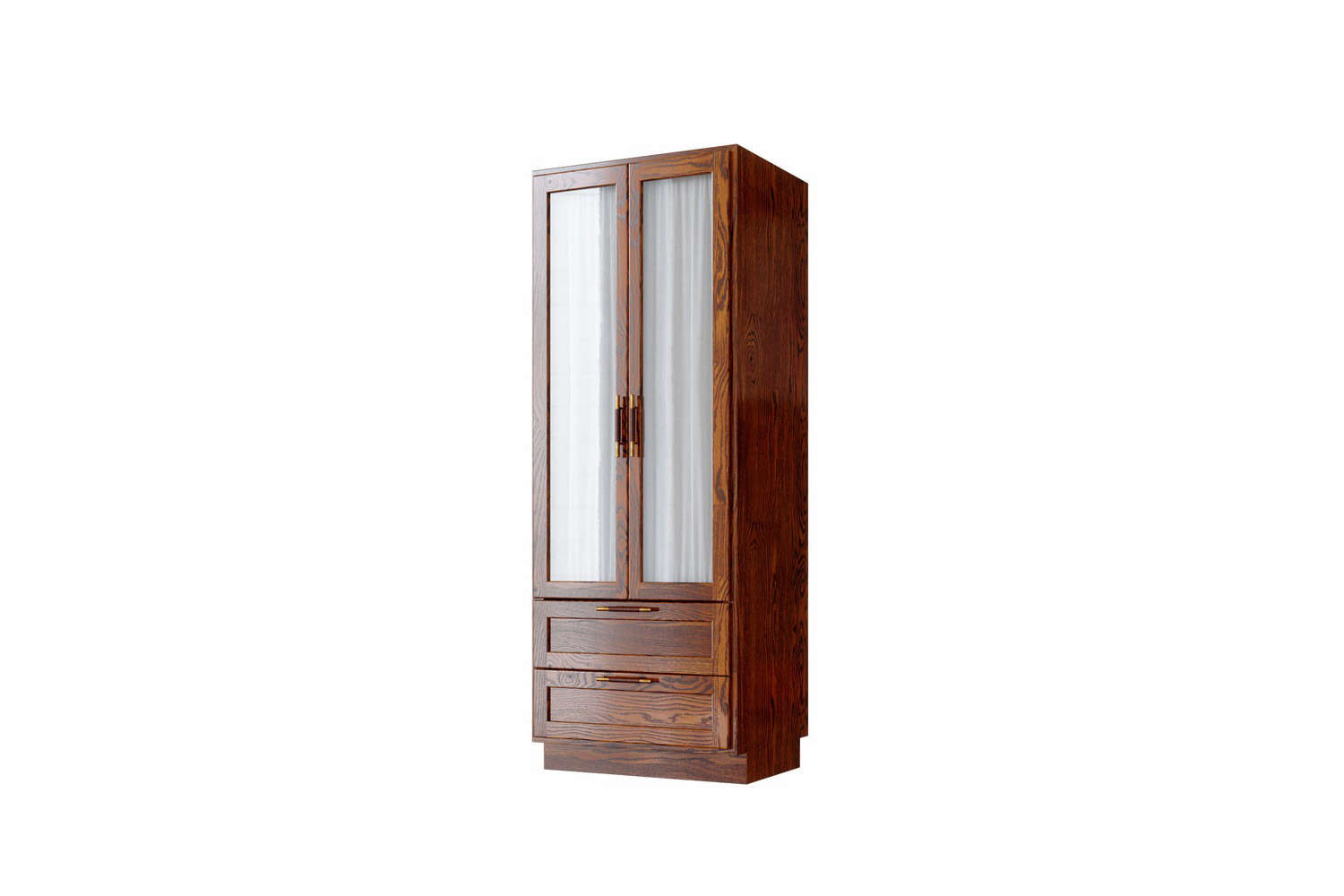
The Lind + Almond Wardrobe for Sanders is the kind of furniture piece that does not need to shout. It simply stands there, beautifully proportioned, quietly confident, looking as though it has a passport full of stamps, a favorite jazz record, and strong opinions about hotel lighting. Designed for Sanders, Copenhagen’s luxury boutique hotel, this wardrobe blends European oak, rattan texture, and understated Scandinavian elegance into a storage piece that feels more like architecture than furniture.
At first glance, it looks simple: a tall wardrobe, clean lines, natural materials, warm tones. But the longer you look, the more details appear. The wood grain softens the silhouette. The rattan adds movement and breathability. The proportions feel hotel-smart: compact enough for a refined bedroom, substantial enough to anchor the space, and handsome enough that you may suddenly feel guilty about the pile of laundry hiding nearby.
This article explores the design story, materials, styling ideas, care tips, and real-life experience behind the Lind + Almond Wardrobe for Sanders. Whether you are researching high-end wardrobes, oak and rattan furniture, boutique hotel interiors, or simply looking for storage that does not make your bedroom feel like a warehouse aisle, this guide will help you understand why this piece has earned attention among design lovers.
What Is the Lind + Almond Wardrobe for Sanders?
The Lind + Almond Wardrobe for Sanders is a handcrafted wardrobe originally developed for Hotel Sanders in Copenhagen. It is associated with the Sanders Collection, a furniture line inspired by the hotel’s interior design language. The piece has been described as made from European oak and rattan, available in timber tones such as natural oak and chestnut, with bespoke sizing options depending on the maker or retailer listing.
Its published dimensions have been listed at approximately 750 mm wide, 600 mm deep, and 2050 mm high, making it tall and relatively slim. That matters. Many wardrobes either dominate a room like an overfed refrigerator or disappear into generic flat-pack anonymity. This one sits in the Goldilocks zone: tall enough for useful hanging storage, narrow enough for smaller rooms, and elegant enough to be seen rather than hidden.
The wardrobe is not just a storage box with doors. It is part of a larger design atmosphere. Hotel Sanders is known for interiors that feel intimate, layered, and theatrical without slipping into costume drama. Lind + Almond, the studio led by Pernille Lind and Richy Almond, designed spaces that combine hospitality comfort with refined craftsmanship, natural tones, and worldly eclecticism. The wardrobe carries that same mood: practical, warm, and quietly cinematic.
The Design Story: From Boutique Hotel to Beautiful Home
Hotel furniture has a difficult job. It must survive heavy use, suit many types of guests, photograph well, and make a room feel special within five seconds of someone opening the door. That is not easy. Most hotel furniture solves the problem by becoming bland, wipeable, and emotionally unavailable. The Sanders wardrobe takes another path.
It was designed for a hotel that wanted to feel personal rather than corporate. Sanders sits in central Copenhagen, near the city’s theater district, and its interiors draw from travel, performance, Danish design heritage, and a sense of “home away from home.” The wardrobe fits naturally into this story. It feels like something a sophisticated traveler might discover in a private residence, not something ordered by the thousand from a catalog called “Contract Furniture: Beige Edition.”
Lind + Almond’s approach is concept-driven. The studio often works across interior architecture, furniture design, styling, sourcing, and branding, which explains why the wardrobe feels so integrated. It was not created as a random object and then dropped into a room. It was part of the room’s character from the beginning. That is why it works so well as inspiration for residential interiors: it proves storage can be functional and atmospheric at the same time.
Materials: Why Oak and Rattan Work So Well Together
European Oak: Strong, Warm, and Timeless
Oak is one of the great furniture woods because it offers strength, visible grain, and a tone that can move between rustic and refined. In the Lind + Almond Wardrobe for Sanders, oak gives the piece structure and permanence. It creates the architectural frame: the part that says, “Yes, I can hold your coats, your linen shirts, and possibly your unrealistic capsule wardrobe goals.”
European oak is especially effective in interiors that aim for calm luxury. It does not feel glossy or showy. Instead, it brings warmth and subtle texture. In natural oak, the wardrobe can brighten a room and pair beautifully with pale walls, linen bedding, stone floors, and muted rugs. In a darker chestnut tone, it becomes moodier and more club-like, perfect for bedrooms with deep greens, ochre textiles, aged brass, or charcoal accents.
Rattan: Texture Without Visual Noise
Rattan is a natural material made from climbing palms, prized for flexibility, lightness, and strength. It has been used in furniture for generations because it brings texture without heaviness. In a wardrobe, rattan panels soften the large vertical surface. Instead of a flat wooden slab, you get woven movement, shadow, and a little visual rhythm.
Rattan also gives furniture a relaxed elegance. It can lean tropical, coastal, colonial, mid-century, or Scandinavian depending on how it is framed. In the Sanders wardrobe, the oak keeps it grounded and refined, while the rattan prevents the piece from feeling too formal. Think tailored jacket with linen trousers. Smart, but not trying too hard.
Why the Wardrobe Fits Modern Interior Design
Modern interiors often struggle with a simple problem: too many smooth surfaces. Painted walls, glass windows, flat cabinet doors, polished floors, sleek appliances, and suddenly the room feels like it has been moisturized into submission. A piece like the Lind + Almond Wardrobe for Sanders adds necessary texture.
The wardrobe works especially well in design styles that value natural materials and quiet craftsmanship. It can suit Scandinavian interiors, Japandi bedrooms, boutique hotel-inspired spaces, modern rustic homes, and mid-century modern rooms. Its design does not rely on loud ornament. Instead, it uses proportion, material contrast, and subtle detailing.
That is why oak and rattan wardrobes are having a moment. People want storage that feels human. They want furniture with texture, grain, and tactility. They want pieces that make the room feel finished without turning the bedroom into a furniture showroom where nobody is allowed to sit down.
Best Rooms for the Lind + Almond Wardrobe for Sanders
Bedroom
The obvious place for this wardrobe is the bedroom. Its tall profile makes it ideal for clothing storage, especially in rooms without built-in closets. Place it against a plain wall and allow breathing room around it. A beautiful wardrobe deserves space, much like a celebrity chef deserves a sharp knife and fewer people asking for substitutions.
Guest Room
Because the wardrobe was born from a hotel context, it is perfect for a guest room. It offers visitors a place to hang clothes, tuck away bags, and feel genuinely hosted. A rattan and oak wardrobe makes the room feel considered, even if your guest is only staying one night and has packed as though moving continents.
Entry Hall
In a larger hallway, the wardrobe can become a refined coat cabinet. Use it for jackets, umbrellas, scarves, tote bags, and the mysterious collection of reusable shopping bags that seems to multiply when nobody is looking. The rattan texture keeps the piece from looking too heavy near an entrance.
Boutique Retail or Studio Space
The wardrobe can also inspire styling in small retail spaces, salons, studios, or offices. It offers storage while adding atmosphere. In a boutique, it could hold folded textiles, samples, or display pieces. In a creative studio, it brings the room a sense of maturity, as if the business has its invoices and its lighting plan under control.
How to Style an Oak and Rattan Wardrobe
Styling this type of wardrobe is mostly about restraint. The piece already has texture and material interest, so the surrounding room should support it rather than compete with it. Start with a calm base: warm white, soft beige, muted gray, pale clay, or gentle olive walls. These colors allow oak and rattan to glow.
For bedding, choose natural fabrics such as linen, cotton, or wool. A slightly rumpled linen duvet pairs beautifully with the wardrobe’s hotel-at-home mood. Add a bedside lamp with a ceramic, brass, or paper shade. Avoid lighting that is too cold. This wardrobe wants warm light. Under blue-white bulbs, even the finest oak can start to look like it is waiting in a dentist’s office.
Rugs are another opportunity. A flatweave rug, vintage-style wool rug, or low-pile neutral carpet can ground the wardrobe. If the room feels too beige, add contrast through art, books, or a single darker textile. The wardrobe is versatile, but it looks best when paired with objects that feel collected rather than mass-produced.
Practical Buying Considerations
Measure Before You Fall in Love
Before buying any wardrobe inspired by the Lind + Almond Wardrobe for Sanders, measure the space carefully. Check width, depth, height, door swing, skirting boards, ceiling height, and delivery access. A wardrobe can be perfect online and still become a domestic comedy when it refuses to turn the corner on the stairs.
Think About Internal Storage
Look closely at the interior configuration. Do you need hanging space, drawers, shelves, or a mix? Hotel wardrobes often prioritize elegant simplicity, but home storage may need more flexibility. If bespoke sizes are available, consider whether you want extra drawers, adjustable shelves, or a rail height suited to long coats and dresses.
Check Finish and Tone
Natural oak and chestnut create very different moods. Natural oak feels airy and Nordic. Chestnut feels warmer, deeper, and more traditional. Order finish samples when possible. Wood changes dramatically under different lighting, and the color that looks perfect online may look completely different next to your curtains, floor, or the wall color you once called “warm taupe” but now suspect is “sad oatmeal.”
Care Tips for Oak and Rattan Furniture
Oak and rattan are durable materials, but they appreciate sensible care. Dust the wardrobe regularly with a soft cloth. For oak surfaces, use a lightly damp cloth when needed and dry the surface afterward. Avoid harsh chemical cleaners unless the maker specifically recommends them. Wood finishes can be sensitive, and aggressive sprays often create more problems than they solve.
Rattan should be treated gently. Use a soft brush, vacuum brush attachment, or dry microfiber cloth to remove dust from the weave. Avoid soaking natural rattan. Too much moisture can weaken fibers, encourage warping, or create mildew issues. If you need to clean a spot, use a barely damp cloth and allow the area to dry thoroughly.
Also consider placement. Keep the wardrobe away from direct, intense sunlight when possible, since UV exposure can fade wood and dry natural fibers over time. Avoid placing it directly next to radiators or vents. Like most natural furniture, it prefers stable indoor conditions, not the climate drama of a greenhouse in July.
Why This Wardrobe Feels Luxurious Without Being Loud
The Lind + Almond Wardrobe for Sanders is luxurious because it is thoughtful, not because it is flashy. Luxury here means proportion, craft, material honesty, and atmosphere. The wardrobe does not need oversized handles, mirror panels, or shiny finishes to prove its worth. It relies on the kind of details people notice slowly.
This is an important lesson for anyone designing a bedroom. The best rooms do not always announce themselves immediately. They reveal comfort through touch, light, scale, and quiet repetition. Oak repeats the warmth of floors or bedside tables. Rattan repeats baskets, lampshades, or chair seats. Brass or leather details can echo hardware, picture frames, or reading lights. When those elements line up, the room feels intentional.
That is the great strength of the Sanders wardrobe. It is not just a place to hide clothing. It is a mood-setter. It brings the boutique hotel idea home: refined, personal, slightly romantic, and practical enough to keep your socks from staging a rebellion.
Alternatives and Similar Looks
If the original Lind + Almond Wardrobe for Sanders is outside your budget or difficult to source, you can still borrow its design principles. Look for wardrobes made with solid oak or oak veneer, cane or rattan panels, slim vertical proportions, and simple hardware. Prioritize natural finishes over overly glossy ones. Avoid pieces that imitate rattan with cheap plastic unless durability in a damp or high-traffic setting is your main concern.
For a more affordable approach, combine a simple oak wardrobe with rattan accessories nearby: a cane chair, woven laundry basket, rattan lamp shade, or textured screen. The goal is not to copy the piece exactly. The goal is to recreate the balance: wood structure, woven warmth, clean silhouette, and a relaxed hospitality feeling.
Experience Notes: Living With a Sanders-Inspired Wardrobe
After spending time with wardrobes inspired by the Lind + Almond Wardrobe for Sanders, the biggest lesson is that good storage changes how a room behaves. A basic wardrobe stores things. A beautiful wardrobe organizes the room emotionally. That may sound dramatic, but anyone who has upgraded from a wobbly cabinet to a well-made piece knows the difference. Suddenly the bedroom feels calmer. Getting dressed feels less chaotic. Even folding clothes becomes slightly less tragic.
The oak and rattan combination is especially easy to live with because it does not demand a perfect room. Some luxury furniture looks wonderful only when surrounded by museum-level silence and a single sculptural vase. This wardrobe is more forgiving. It can sit beside linen bedding, vintage art, a stack of books, a woven basket, or even a chair holding tomorrow’s outfit that has quietly become last week’s outfit. The natural materials make everyday mess feel less offensive.
One of the best experiences is how the rattan changes the visual weight of the wardrobe. A fully solid door can make a tall cabinet feel heavy, especially in a small bedroom. Rattan breaks that mass. The weave catches light during the day and creates soft shadow in the evening. Under a warm lamp, the wardrobe has a glow that feels more like a boutique hotel suite than ordinary storage. This is the sort of detail you notice at night when the room is quiet and the phone is finally face down.
In practical use, the tall and narrow shape is helpful for rooms where every inch matters. It can hold seasonal coats, dresses, shirts, or guest linens without taking over the wall. For small apartments, the key is to keep the surrounding area uncluttered. Leave a little floor space visible around the wardrobe. Add one artwork, one lamp, or one chair nearby, not seven decorative objects auditioning for attention. The wardrobe looks best when it can breathe.
Another real-life benefit is flexibility. The piece does not lock you into one style. If your room leans Scandinavian, it fits. If your space is more vintage, it fits. If you like boutique hotel interiors with layered textiles and moody lighting, it absolutely fits and may start asking for a martini. Change the bedding, rug, or wall color, and the wardrobe still works. That makes it a smarter long-term investment than trend-driven furniture with a short aesthetic expiration date.
Maintenance is manageable, but it rewards consistency. Dusting the rattan regularly prevents buildup in the weave. Wiping the oak with a soft cloth keeps the finish looking fresh. The main habit is restraint: do not soak it, scrub it aggressively, or attack it with mystery cleaners from under the sink. Natural materials age beautifully when treated kindly. They age less beautifully when treated like a kitchen countertop after a spaghetti incident.
The most memorable experience, however, is the feeling it creates. A Sanders-inspired wardrobe makes a bedroom feel intentional. It suggests that storage can be graceful, that hotel design can translate into daily life, and that practical furniture does not have to be boring. Every home needs pieces that work hard. The best homes choose pieces that work hard and still look like they have excellent manners.
Conclusion
The Lind + Almond Wardrobe for Sanders is more than a stylish oak and rattan wardrobe. It is a clear example of how hospitality design can influence the modern home. Born from the atmosphere of Hotel Sanders in Copenhagen, it combines Scandinavian restraint, mid-century warmth, natural materials, and handcrafted character. It offers storage, yes, but it also offers mood, texture, and a sense of quiet luxury.
For homeowners, designers, and boutique hotel lovers, the lesson is simple: storage should not be an afterthought. A wardrobe can shape the entire feeling of a bedroom. Choose one with honest materials, balanced proportions, and timeless detailing, and it will do more than hold clothes. It will make the room feel lived-in, layered, and quietly elegant. And if it also makes you fold your shirts properly once in a while, consider that a bonus feature.