Thrift stores used to be the place you went when your budget was whispering, “Please don’t make me cry.”
You’d stroll in expecting $3 jeans, a 99-cent mug, and maybe a suspiciously charming lamp that looked like it
once starred in a ’70s sitcom. Thenbamyour eyes land on a wobbly plastic cheese grater tagged at $4.99,
like it’s made of artisanal Swiss engineering and not something that came free with a coupon.
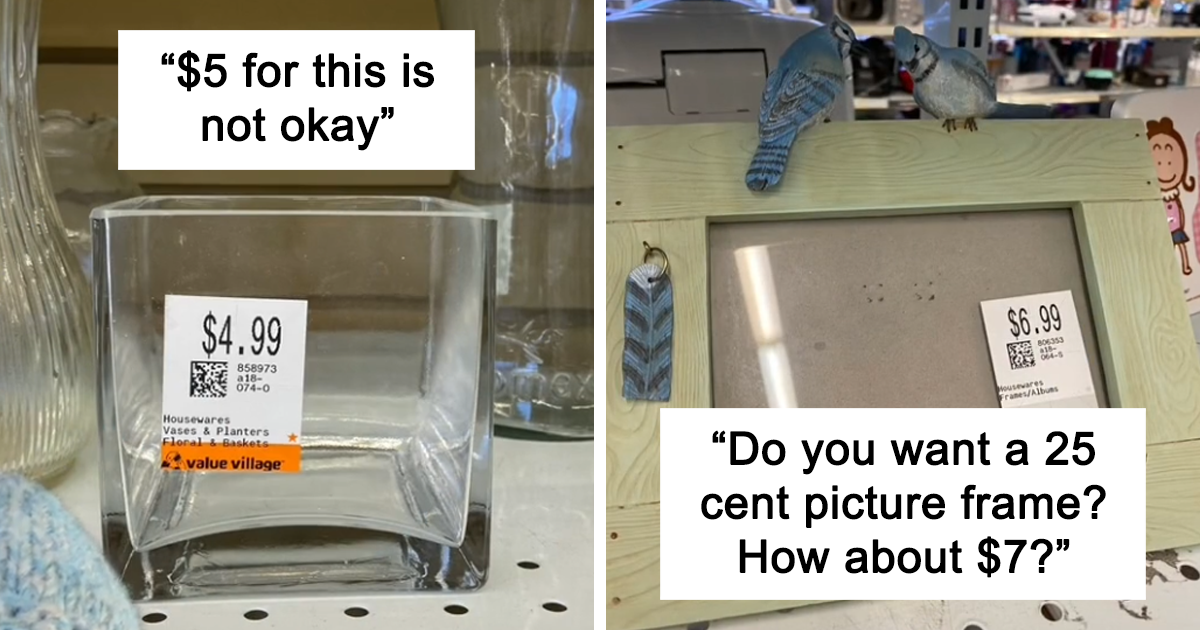
That sticker shock is exactly what fueled a viral moment: a woman shopper, fed up with “thrift inflation,”
called out a major thrift chain by posting a set of photos showing everyday secondhand items priced ator even
abovewhat similar items cost brand new. She didn’t just complain. She brought receipts… or at least tags.
Fourteen of them. And the internet, as the internet does, showed up with popcorn and opinions.
But here’s the twist: the outrage isn’t only about one store or one shopper. It’s about what thrifting has
becomepart treasure hunt, part budget strategy, part social media sportand how pricing has shifted in ways
that can feel downright backwards. Let’s break down the “14 examples” style callout, what it reveals about
modern thrift store pricing, and how to shop secondhand without feeling like you’re paying boutique prices
for a mystery stain.
Why People Are So Mad: Thrift Stores Were Supposed to Be the “Affordable Option”
Thrift stores sit in a weird cultural sweet spot. For some people, they’re a lifelinewhere you can outfit
kids for school, replace a broken toaster, or grab a winter coat without wrecking your rent payment. For others,
thrifting is a hobby and a sustainability choice: buying used to keep stuff out of landfills and reduce demand
for fast fashion.
When prices jump, both groups feel it. Budget shoppers feel priced out. Hobby thrifters feel like the “hunt”
has turned into a full-time job with questionable pay. And everyone feels mildly insulted when a cracked candle
costs as much as a brand-new one that hasn’t lived through three power outages.
The 14 Examples: What “Thrift Grift” Looks Like in the Wild
The viral post that inspired this headline focused on everyday itemsthings that are common, worn, or clearly not
“rare vintage.” The specific tags vary by region and store, but the pattern is familiar: used items priced like
they’re new, and “cheap” items priced like they’re collectibles. Here are 14 examples that capture the kind of
price tags that tend to set people off (and why).
-
Dollar-store kitchen tool priced higher than the dollar store.
Why it hurts: If the original price label is still on it, the math does itselfand it’s rude. -
Basic fast-fashion T-shirt priced close to new retail.
Why it hurts: You’re paying “new-ish” money for “definitely-not-new” quality. -
Chipped mug tagged like it’s a limited-edition artisanal ceramic.
Why it hurts: You’re not buying “character.” You’re buying a sharp edge. -
Worn-out shoes priced like they still have a future.
Why it hurts: If the soles are pleading for retirement, so is the price tag. -
Used candle priced like it hasn’t already done its job.
Why it hurts: Half-burned is not a “limited supply.” It’s literally less product. -
Board game missing pieces tagged as “complete” in spirit.
Why it hurts: Monopoly without money is just a lecture on capitalism. -
Paperback book priced higher than online used copies.
Why it hurts: The whole point was a cheap read, not a small investment portfolio. -
Scratched nonstick pan priced like it’s still nonstick.
Why it hurts: That coating is supposed to stay on the pan, not move into your dinner. -
Generic picture frame priced like “farmhouse chic” is a material.
Why it hurts: It’s MDF. The vibe does not justify the upcharge. -
Old plastic storage bins priced like “organization is luxury.”
Why it hurts: The bin is already tired, and now your wallet is too. -
Used baby clothes priced like they were worn once (but clearly weren’t).
Why it hurts: Parents thrift to survive growth spurts, not finance them. -
“Vintage” denim priced like it’s curated designer resale.
Why it hurts: Sometimes it’s true vintage. Sometimes it’s just… old jeans. -
Small appliance priced close to new, with no guarantee it works.
Why it hurts: Paying near-retail for a mystery toaster is a brave choice. -
Holiday decor priced like it’s collectibledespite visible wear.
Why it hurts: If Santa’s beard is falling off, Santa shouldn’t be $14.99.
Notice what most of these have in common: they aren’t rare. They aren’t pristine. And they aren’t the kind of
items people expect to fundraise with via “market pricing.” Which raises the big question…
So… Why Are Thrift Store Prices Rising?
It’s tempting to blame one villainresellers, rich people, influencers, or a manager with a label maker and a dream.
But thrift store pricing is messy because thrifting has changed. Here are the main forces pushing prices up.
1) Thrifting got wildly popular (and demand changes everything)
Secondhand shopping isn’t niche anymore. It’s mainstreamdriven by cost-of-living pressures, sustainability concerns,
and the plain old thrill of finding something cool for cheap. When more people want the same racks of stuff,
stores have less incentive to price like it’s 2009.
2) Thrift stores price faster nowand “fast pricing” creates weird outcomes
In many stores, workers have seconds to tag items. That speed leads to inconsistent pricing: identical items can get
wildly different tags depending on who priced them, what they noticed, or whether they saw a trendy brand name.
Sometimes it’s not greed. Sometimes it’s chaos with a barcode.
3) “Market value” pricing has moved from online resale into the thrift aisle
Years ago, the pricing logic was simple: shirts in one range, pants in another, housewares in another. Now, many
stores behave as if every item has a “true value” that can be discovered by looking at online listings, brand hype,
or what a reseller might pay. The result is that common items occasionally get tagged like they’re rareespecially
if the store thinks someone will flip it.
4) The hidden costs of “free inventory” are very real
Yes, donations come in for free. But turning a donation into something sellable isn’t free. Items must be sorted,
priced, stocked, cleaned (sometimes), and disposed of if they’re broken or unsafe. Stores also pay rent, utilities,
insurance, and wages. When operating costs rise everywhere, thrift stores aren’t magically protected.
5) Donations aren’t always “good donations” anymore
A lot of donated goods today are lower quality than in past decadesespecially clothing. Fast fashion wears out
faster, stains easier, and often isn’t worth reselling at any price. That means thrift stores may have to move
more volume, process more unusable items, and compensate by pricing “good” items higher.
6) Social media reshaped thrifting into contentand content changes behavior
“Thrift hauls” and “flip finds” made thrifting look like a gold rush. Resellers do affect demand for certain
categoriesespecially vintage, denim, leather, and recognizable brands. But it’s not only resellers. Plenty of
everyday shoppers learned how to spot value because the internet taught them. Once everyone knows what to look for,
the store knows too.
The Uncomfortable Part: Who Gets Hurt When Thrift Stores Get Pricey?
Rising thrift store prices don’t hit everyone the same way. If you thrift for fun, you can decide it’s “not worth it”
and walk out with your dignity and your $40 still intact. If you thrift because you need to, you don’t always have
that luxury.
This is why the “gentrification of thrifting” debate keeps popping up online: when secondhand becomes trendy,
the people who relied on it first can end up competing with shoppers who have more spending power. And when
thrift chains chase higher margins, the gap widens. In short: higher prices can turn a community resource into
just another retail experienceexcept with fewer fitting rooms and more mystery odors.
How to Thrift Smarter (and Avoid Paying Boutique Prices for Used Stuff)
You shouldn’t need a finance degree to buy a secondhand sweater, but here we are. The good news: you can still find
dealsif you shop with a little strategy and a lot of “nope” energy.
Set “price ceilings” before you walk in
Decide what you’re willing to pay for basics: a plain tee, a mug, a kids’ jacket, a blender. If the tag is over your
limit, you don’t argue with the universeyou move on. The best thrifting skill is leaving.
Check tags like a detective
If an item still has an original price sticker, compare it. If the thrift tag is higher than the original retail,
that’s your sign to put it back gently, like it’s a sleeping rattlesnake.
Shop sale days and color-tag discounts
Many stores run rotating markdowns (often by tag color). If you can time your visit, the same overpriced mug can
become reasonably priced… eventually. Patience is a thrift superpower.
Try smaller local thrift shops and charity-run stores
Big chains tend to have standardized pricing goals. Smaller shops sometimes price more modestly, especially if
their mission prioritizes access for the community. Also: rummage sales and church thrift shops can still be the
Wild West of bargainsin a good way.
Know when buying new is actually cheaper
If socks, underwear, nonstick cookware, or small appliances are priced close to retail, new may be the better deal
(and safer). Thrifting is about value, not suffering.
What Thrift Stores Could Do Better (Without Losing Their Mission)
It’s fair to say thrift stores need revenue. It’s also fair to say shoppers deserve pricing that makes sense.
These ideas come up again and again in public debates about thrift store price hikes:
- More transparent pricing rules (so pricing feels consistent instead of random).
- Basic affordability lanes (like capped prices for essentials: kids’ clothes, coats, workwear).
- Better quality control (charging premium prices for damaged goods is where goodwilllowercase gdies).
- Clear separation between “boutique” items and basics (curate all you want, but don’t price the whole store like a curated shelf).
- Community discount programs (some stores do this already; more could).
When thrifting works, it’s a win-win: shoppers save money, donations stay in circulation, and stores fund programs
that matter. When it doesn’t work, it feels like paying a cover charge to enter a rummage sale.
The Big Picture: Secondhand Is BoomingAnd That’s Why This Fight Isn’t Going Away
Secondhand shopping isn’t a quirky side quest anymore. It’s an increasingly normal way to buy clothing, gifts, and
household itemsespecially when budgets are tight and prices everywhere feel stubborn. The secondhand economy has
grown fast in recent years, and industry reports frequently point to strong momentum in both in-store thrifting and
online resale.
That growth brings opportunity (more reuse, less waste, more access) and friction (more competition, higher prices,
more “market pricing”). Viral callouts like the “14 examples” post resonate because they capture a real tension:
people want thrift stores to stay affordable, but thrift stores are reacting to a world where secondhand has become
big business.
Conclusion: The Price Tag Isn’t Just a NumberIt’s a Message
The woman who shared 14 examples didn’t invent the frustrationshe just put it into a neat little slideshow that
made everyone say, “Wait… why is this used thing priced like it’s new?” And that question matters.
If thrift stores price everything like a boutique, they risk losing the trust of the people who rely on them most.
If shoppers assume every thrift chain is “thrift grift,” they may stop donatingor stop shoppingshrinking the
whole ecosystem. The healthier path sits somewhere in the middle: fair pricing, transparent rules, and a shared
understanding that secondhand should still mean value.
In the meantime, take heart: deals still exist. You just have to be willing to walk past the $9.99 cracked mug,
keep your standards high, and remember the most powerful thrift phrase of all:
“No thanks.”
Extra: of Real-Life Thrifting Experiences (Sticker Shock Edition)
If you’ve thrifted even a little, you probably have a “you will not believe this” story. One shopper described
going in for a winter coat and leaving with a single paperbackbecause every coat on the rack was priced like it
had a personal trainer and a publicist. The book, at least, didn’t judge her. Another thrifter swears she watched
someone pick up a dusty vase, flip it over, and sigh dramatically when they saw the tag: $19.99. They placed it
back on the shelf with the tenderness of returning a baby bird to its nest. A stranger nearby muttered, “For that
price, it better come with flowers,” and the entire aisle bonded through shared disbelief.
Parents have their own version of thrift frustration. A mom looking for kids’ jeans said she found pairs priced
only a couple dollars below discount-store new pricesexcept these had worn knees and a mystery marker streak.
She still bought two pairs, because kids grow fast and budgets don’t. Her “win” came later: she found a near-new
jacket on a half-off color tag day and felt like she’d hacked the system. That’s the modern thrifting emotional
roller coaster: despair in aisle three, triumph by the registers, and confusion when your receipt totals more than
dinner.
Then there are the thrifters who treat price shock like a game. One college student keeps a running note on her
phone titled “Thrift Store Math Crimes.” She logs sightings like “single potholder: $3.49” and “plastic tumbler:
$5.99,” then texts her friends the wildest ones. It’s not just complainingit’s survival through humor. Another
shopper said she now carries a mental “new price list” for basics, and when the thrift tag exceeds it, she simply
walks away. “I came here for bargains,” she joked, “not to sponsor someone’s label-maker addiction.”
Plenty of people still have success stories, too, which is why they keep coming back. Someone furnishing a first
apartment found a solid wood side table for less than the price of a fast-food mealbecause it was tucked behind a
row of overpriced particleboard shelves. A thrifter hunting for workwear found a blazer that fit perfectly and
looked barely worn; the tag was reasonable, and she felt like she’d won a tiny lottery. That’s the magnetism of
secondhand shopping: not every trip is a win, but the possibility of a win keeps people searching.
The common lesson across these experiences is simple: thrifting still works best when you’re strategic, patient,
and willing to leave empty-handed. The “14 examples” callout hit a nerve because it put a spotlight on pricing
that feels disconnected from reality. But it also reminded shoppers that they have power, toothrough where they
donate, where they shop, and what they refuse to buy. Sometimes the best deal isn’t on the shelf. It’s the money
you didn’t spend on a chipped mug that thought it was famous.