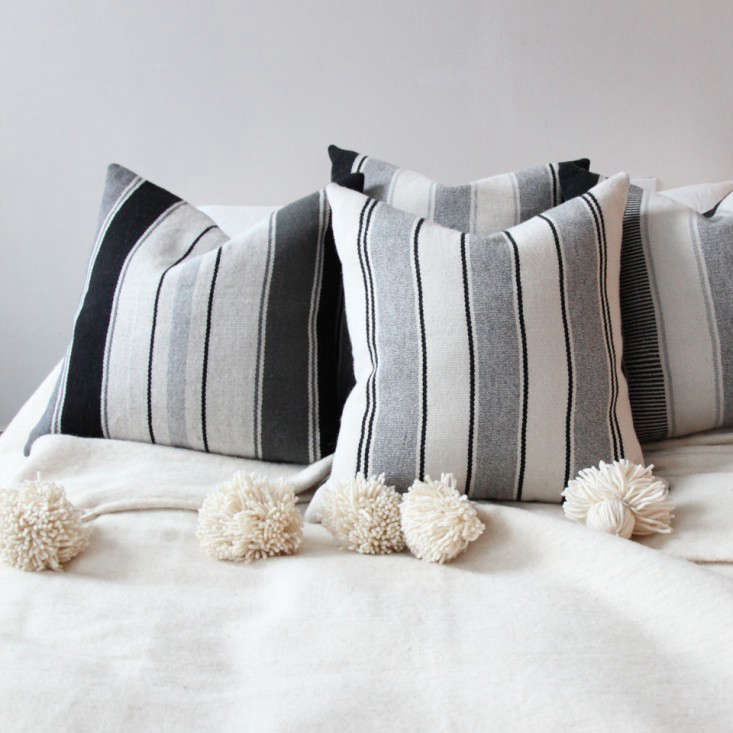
Some pillows whisper. Some pillows shout. And then there are alpaca pillows in grey and vertical black stripesthe kind of home accent that calmly walks into a room wearing a tailored coat, perfect posture, and just enough attitude to make the sofa look underdressed.
At first glance, this pillow style sounds simple: soft alpaca texture, a grey base, and clean vertical black stripes. But in interior design, simple is rarely boring. Grey gives the eye a restful neutral. Black stripes add rhythm, height, and a little graphic drama. Alpaca fiber brings softness, warmth, and a natural-luxury feel that synthetic fabrics try very hard to copy while quietly sweating under the pressure.
Whether you are styling a modern apartment, refreshing a farmhouse sofa, warming up a minimalist bedroom, or trying to make a reading chair look less like “I gave up halfway through decorating,” grey alpaca pillows with vertical black stripes can do serious visual work. They are decorative, practical, tactile, and surprisingly versatile. In this guide, we will explore what makes them special, how to style them, how to choose quality pieces, and how to care for them so they keep their good looks longer than your last “quick weekend decluttering project.”
What Are Alpaca Pillows?
Alpaca pillows are pillows made with alpaca fiber, alpaca-blend fabric, alpaca fleece filling, or decorative covers woven from alpaca yarn. Alpaca fiber comes from alpacas, animals native to South America and now raised in several parts of the United States as well. The fiber is known for being soft, lightweight, warm, breathable, and naturally free of lanolin, the waxy substance found in sheep’s wool that can bother some sensitive skin types.
In home textiles, alpaca is often prized because it feels luxurious without looking flashy. It has a smooth hand, a cozy surface, and a natural drape that works beautifully for pillow covers, throws, blankets, and bedding. While not every product labeled “alpaca pillow” is made the same way, quality versions usually fall into one of three categories: pillows with alpaca-filled inserts, pillows with alpaca-fiber covers, or decorative pillows made from alpaca blends combined with cotton, wool, acrylic, or other fibers for durability and structure.
Why Alpaca Fiber Feels Different
Alpaca fiber is often compared to wool and cashmere, but it has its own personality. It can feel softer than many traditional wools, and because it does not contain lanolin, it may be more comfortable for people who dislike the itchiness sometimes associated with sheep’s wool. It also has a natural ability to help regulate temperature, which is why alpaca is used in everything from winter accessories to bedding.
For pillows, this means alpaca brings more than “looks nice on the couch.” It gives the pillow a cozy, premium texture that invites touch. A grey alpaca pillow with black vertical stripes is not just a square of fabric; it is a small architectural moment with a very soft landing.
Why Grey And Vertical Black Stripes Work So Well
Grey is one of the most flexible colors in home decor. It can lean warm, cool, modern, rustic, industrial, elegant, or casual depending on the surrounding palette. Black, meanwhile, adds definition. Put them together in a vertical stripe pattern, and you get a design that feels clean, structured, and timeless.
Vertical stripes are especially useful because they create a sense of height and movement. On a pillow, they guide the eye upward, making the piece feel taller and sharper. This is helpful on low-profile sofas, deep lounge chairs, platform beds, and benches where the furniture can otherwise look visually heavy.
The Power Of The Grey Base
A grey base makes the pillow easy to blend with other colors. Light grey feels airy and Scandinavian. Charcoal grey feels moody and modern. Warm greige feels cozy and transitional. Because grey does not compete aggressively with surrounding decor, it gives the black stripes room to stand out without turning the room into a barcode convention.
Grey also hides minor dust and everyday wear better than pure white or cream. That makes it practical for family rooms, pet-friendly homes, reading corners, and places where people actually live instead of pretending they are in a furniture catalog where nobody eats crackers.
Why Black Vertical Stripes Add Structure
Black stripes bring contrast. They sharpen the pillow’s silhouette and make it easier to pair with black metal legs, dark picture frames, black lamps, charcoal rugs, or matte black hardware. The vertical direction gives the pillow a more tailored feel than horizontal stripes, which can look more casual or nautical.
The result is a pillow that works like a bridge. It can connect light and dark elements in a room, soften hard furniture lines, and add pattern without making the space feel noisy.
Best Rooms For Alpaca Pillows With Grey And Black Stripes
The beauty of this pillow style is that it fits almost anywhere. It is neutral enough for quiet rooms but graphic enough for spaces that need a little energy. Here are some of the best places to use it.
Living Room Sofas
A sofa is the natural habitat of the decorative pillow. On a beige, white, charcoal, tan, or leather sofa, grey alpaca pillows with vertical black stripes add instant polish. They can stand alone as a pair or mix with solid pillows in cream, rust, olive, navy, or camel.
For a modern look, use two striped alpaca pillows at the ends of the sofa and one solid lumbar pillow in the center. For a cozier layered look, combine them with chunky knit pillows, boucle cushions, or linen covers. The stripes keep the arrangement from becoming too soft and sleepy.
Bedrooms
On a bed, striped alpaca pillows create a boutique-hotel effect without requiring you to fold towels into swans. They look especially strong against white sheets, charcoal bedding, oatmeal linen, or textured quilts. Because the pattern is vertical, it can make the pillow arrangement feel taller and more intentional.
Try placing two grey-and-black striped pillows in front of larger sleeping pillows, then add a smaller solid accent pillow in black, ivory, or muted sage. The combination feels calm, layered, and stylish without looking like you held a committee meeting about cushions.
Reading Chairs And Accent Chairs
A single alpaca striped pillow can completely change the mood of an accent chair. On a black leather chair, it softens the edge. On a grey upholstered chair, it adds pattern. On a wood-framed armchair, it brings warmth and texture. This is the design equivalent of adding a great scarf to a plain outfit.
Entryway Benches
Entryway benches often look bare because they are built for function first. A grey alpaca pillow with vertical black stripes makes the area feel welcoming while still looking tidy. Add a woven basket beneath the bench, a black wall hook, and a simple mirror, and suddenly your entryway looks planned rather than “shoes live here now.”
How To Style Alpaca Pillows – Grey And Vertical Black Stripes
Styling striped pillows is all about balance. The goal is to let the stripes do their job without letting them take over the room like an overconfident drum solo.
Pair With Solid Colors
The easiest way to style these pillows is with solids. Since the pillow already has a pattern, solid companions give the eye a place to rest. Good choices include ivory, warm beige, camel, charcoal, black, soft taupe, moss green, or muted terracotta.
If your room is mostly neutral, use the striped pillows as the graphic anchor. If your room already has color, let the grey base calm things down while the black stripes connect to darker accents.
Mix With Other Patterns Carefully
You can absolutely mix stripes with other patterns. The secret is changing the scale. If the alpaca pillow has narrow vertical black stripes, pair it with a larger plaid, a soft floral, or a subtle geometric pattern. Avoid putting too many similar stripe sizes together unless you are intentionally going for a bold, pattern-heavy look.
A good formula is one stripe, one solid, and one organic texture. For example: a grey alpaca striped pillow, a cream linen pillow, and a nubby boucle cushion. That trio gives you pattern, calm, and texture in one tidy little pillow family.
Use Texture As A Design Tool
Alpaca’s soft texture is one of its biggest strengths. It pairs beautifully with smoother materials like leather, cotton canvas, polished wood, and metal. It also works with cozy materials such as wool rugs, linen throws, and woven baskets.
If your room feels too flat, alpaca texture adds depth. If your room feels too cold, it adds warmth. If your room feels too formal, it makes the space more touchable and relaxed. Basically, alpaca is the friend who shows up and says, “Everybody calm down, I brought comfort.”
Choosing A Quality Alpaca Pillow
Not all alpaca pillows are created equal. Some are made with genuine alpaca fiber, some are blends, and some may simply use “alpaca” as a style description. Before buying, check the product details carefully.
Look At The Fiber Content
A pillow cover labeled 100% alpaca will usually feel very soft and luxurious, but it may require more careful handling. Alpaca blends can be more durable and easier to maintain, depending on what other fibers are included. Cotton-alpaca blends may feel breathable and structured. Wool-alpaca blends can feel warm and resilient. Synthetic blends may lower the price and improve shape retention, but they may not offer the same natural feel.
If you want the most authentic texture, look for a high alpaca percentage. If you want a decorative pillow for a high-traffic sofa, a thoughtful blend may be the smarter choice.
Check The Weave And Stripe Alignment
For grey and vertical black stripes, alignment matters. The stripes should look straight, intentional, and evenly spaced. Crooked stripes can make a pillow look cheap, even if the fiber is lovely. Also check the seams. A well-made pillow will have secure stitching, a clean zipper or closure, and corners that are filled properly instead of sagging like they just received bad news.
Consider The Insert
The insert affects comfort and shape. Down and feather inserts create a plush, relaxed look and can be fluffed easily. Down-alternative inserts are better for people avoiding animal fill or allergens. Foam inserts provide structure but may feel firmer. Alpaca-filled inserts can offer natural temperature regulation and a soft, breathable feel, though they may be less common and more expensive.
For decorative use, choose an insert slightly larger than the cover. For example, use a 22-inch insert in a 20-inch cover. This creates a fuller, designer-style shape instead of a pancake pillow that looks like it has seen things.
Decor Styles That Love This Pillow
Grey alpaca pillows with vertical black stripes are flexible enough to work across several popular decor styles.
Modern Minimalist
In a minimalist room, every object needs a reason to exist. This pillow earns its place because it adds pattern, texture, and contrast without clutter. Pair it with low furniture, clean lines, white walls, and black accents.
Scandinavian
Scandinavian interiors love natural fibers, soft neutrals, and simple patterns. A grey alpaca striped pillow fits right in with pale woods, white walls, cozy throws, and warm lighting.
Modern Farmhouse
In farmhouse spaces, the pillow adds a fresh graphic twist. It works well with shiplap, aged wood, black hardware, woven baskets, and creamy upholstery. The alpaca texture prevents the black stripes from feeling too stark.
Industrial
Industrial decor often includes metal, leather, concrete, and dark finishes. Alpaca softens those harder materials while the black stripes echo the bold lines common in industrial interiors.
Transitional
Transitional style blends classic and modern elements. The grey base feels timeless, while the vertical black stripes add a contemporary edge. Use it with upholstered sofas, traditional rugs, and updated lighting.
Care Tips For Alpaca Pillows
Alpaca deserves gentle care. Always start with the care label because construction, dye, lining, and fiber blend can change the best cleaning method.
Spot Clean First
For small marks, spot cleaning is usually the safest first step. Use a clean cloth, cool water, and a small amount of mild detergent if needed. Blot gently rather than scrubbing. Scrubbing can disturb the fibers and make the surface look fuzzy or uneven.
Avoid Heat And Harsh Washing
Heat can shrink or damage natural fibers. Avoid hot water, high dryer settings, bleach, and aggressive agitation unless the care label specifically says the item can handle it. Many alpaca and alpaca-blend covers are best hand washed or professionally cleaned.
Air Dry Properly
If the cover is washable, reshape it while damp and lay it flat to dry. Hanging a wet natural-fiber cover can stretch it out. Make sure both the cover and insert are fully dry before reassembling the pillow. Dampness trapped inside a pillow is not “cozy.” It is an invitation for odor, mildew, and regret.
Fluff And Rotate
Fluff pillows regularly to keep their shape. Rotate them if one side gets more sunlight or use. This helps prevent uneven fading and wear. If the pillow is mostly decorative, a quick shake once a week can keep it looking fresh.
Buying Tips: What To Know Before You Click “Add To Cart”
Before buying alpaca pillows in grey and vertical black stripes, think about size, placement, material, and maintenance.
Choose The Right Size
For sofas, 20-by-20-inch pillows are a popular all-purpose size. Larger sofas can handle 22-by-22-inch pillows. Accent chairs often look best with an 18-inch square pillow or a lumbar shape. Beds can handle larger Euro-style pillows or layered square cushions depending on the bedding style.
Match The Stripe Scale To The Room
Thin vertical stripes feel refined and subtle. Wide stripes feel bolder and more modern. If your room already has many patterns, choose thinner stripes. If the room is simple and needs a focal point, wider stripes can make a stronger statement.
Think About Touch
Because alpaca is tactile, texture matters as much as color. If possible, read product descriptions carefully and look for words such as soft, brushed, woven, hand-loomed, or textured. Reviews can also reveal whether a pillow feels plush, scratchy, delicate, or durable in real life.
Common Mistakes To Avoid
The biggest mistake is buying only for looks and ignoring care needs. A beautiful alpaca pillow may not be ideal for a sticky-finger snack zone unless it has a removable cover or a durable blend. Another mistake is overusing stripes. One or two striped pillows can elevate a sofa. Six striped pillows can make the furniture look like it is trying to direct traffic.
Also avoid matching everything too perfectly. Grey and black pillows do not require grey and black everything. They often look better when paired with warmer tones, natural textures, and a little contrast. A room should feel collected, not assembled from a single spreadsheet.
Of Real-Life Experience: Living With Grey Alpaca Pillows And Vertical Black Stripes
There is something quietly satisfying about bringing home a pillow that looks simple in the store or online, then discovering it solves three design problems at once. That is the experience many people have with grey alpaca pillows with vertical black stripes. They do not scream for attention, but once they land on the sofa, the room suddenly looks more finished.
Imagine a living room with a plain beige couch. Comfortable? Yes. Exciting? About as thrilling as a bowl of unsalted oatmeal. Add two grey alpaca pillows with vertical black stripes, and the couch instantly gets structure. The stripes create a visual frame, the grey keeps everything soft, and the alpaca texture makes the whole setup feel more expensive than it probably was. Add a folded cream throw over one arm, and now the couch looks like it belongs to someone who owns matching mugs and maybe even waters their plants on schedule.
In a bedroom, the experience is different but just as useful. These pillows can make an ordinary bed look layered and intentional. White sheets and a grey quilt can feel peaceful but slightly plain. Place striped alpaca pillows in front, and the bed gets contrast without losing calm. The black stripes add definition, while the soft fiber keeps the arrangement from becoming too sharp. It is the difference between “I made the bed” and “I have my life together before 9 a.m.” Even if that second statement is wildly optimistic, the pillows are doing their part.
They also perform well in small spaces. In apartments, studios, and compact rooms, every decor item needs to earn its square inches. A grey striped alpaca pillow adds pattern and texture without requiring wall art, new furniture, or a dramatic weekend involving paint samples and emotional uncertainty. On a small accent chair, one pillow can create a focal point. On a storage bench, it can make the area look styled instead of purely functional.
The touch factor is another part of the experience. Alpaca has a softness that makes people instinctively reach for it. Guests may not immediately say, “Ah yes, a refined grey alpaca pillow with vertical black stripes,” because most guests are not narrating a design show. But they will notice that the room feels cozy. They may lean against it, touch the fabric, or ask where it came from. That is the quiet magic of good texture: it changes how a room feels, not just how it photographs.
Maintenance does require a little discipline. These are not pillows to throw into a hot wash while hoping for the best. Spot cleaning, gentle handling, and regular fluffing keep them looking polished. But that care is part of owning natural-fiber decor. Treat them well, and they reward you with warmth, texture, and timeless style.
The best experience comes when the pillow feels connected to the rest of the room. Pair it with black picture frames, a charcoal lamp, wood furniture, or a soft neutral rug. Let the stripes repeat small dark accents already present in the space. When that happens, the pillow stops looking like an accessory and starts looking like the missing piece that finally arrived, fashionably late, wearing stripes.
Conclusion
Alpaca pillows – grey and vertical black stripes are a smart choice for anyone who wants softness, structure, and style in one compact home accent. The alpaca fiber brings warmth and a premium tactile feel. The grey background keeps the look versatile. The vertical black stripes add rhythm, height, and modern contrast. Together, they create a pillow that can refresh sofas, beds, chairs, benches, and small spaces without overwhelming the room.
They are especially useful because they work across many decor styles, from Scandinavian and minimalist to farmhouse, transitional, and industrial. Choose quality fiber content, check construction details, select the right size, and care for the pillow gently. Do that, and this understated striped accent can remain stylish long after trendier pieces have wandered off into the clearance section of history.
Note: This article is written in original American English for web publishing and synthesizes real information about alpaca fiber, pillow care, and interior styling best practices.