Every home has a secret storage department. It is not in the garage, not under the stairs, and not behind the door you promise to clean “next weekend.” It is hiding in plain sight: empty jars, old crates, unused baskets, shoeboxes, coffee cans, ladders, trays, tins, and that one lonely suitcase in the closet that has seen fewer vacations than your houseplant.
Repurposed storage is the art of turning “Why do I still own this?” into “Why didn’t I do this years ago?” It is budget-friendly, eco-conscious, surprisingly stylish, and perfect for anyone who wants a more organized home without buying a cart full of plastic bins. Inspired by practical home-improvement thinking, this guide gathers 25 clever repurposed storage ideas you can use in kitchens, bathrooms, bedrooms, laundry rooms, garages, craft corners, entryways, and small apartments.
The goal is simple: reduce clutter, reuse what you already have, and create storage that works with your real life. Because an organizing system only succeeds if you can keep using it after the motivational music stops playing.
Why Repurposed Storage Works So Well
Repurposed storage works because it solves three problems at once. First, it gives homeless items a dedicated place. Second, it saves money by using materials already sitting around the house. Third, it keeps usable objects out of the trash. That is a beautiful little triangle of common sense.
It also adds personality. Brand-new containers can look neat, but repurposed storage tells a story. A vintage crate in the mudroom, a mason jar full of paintbrushes, or a retired ladder holding blankets brings warmth and charm to a room. Your house starts looking organized, not clinically sterilized.
25 Clever Ideas for Repurposed Storage
1. Turn Mason Jars Into Clear Storage Containers
Mason jars are the superheroes of repurposed storage. Use them for cotton swabs in the bathroom, buttons in the sewing room, nails in the garage, tea bags in the pantry, or crayons in a kids’ art corner. Because they are clear, you can see exactly what is inside. No more opening six mystery boxes to find one paper clip.
2. Use Tin Cans as Desk Drawer Organizers
Clean tin cans can become small organizers for pens, binder clips, rubber bands, charging cords, paintbrushes, or makeup pencils. Cover them with contact paper, leftover wallpaper, fabric scraps, or twine. Just make sure the edges are smooth before using them. Organization should not require a tetanus shot.
3. Repurpose Wooden Crates as Stackable Shelves
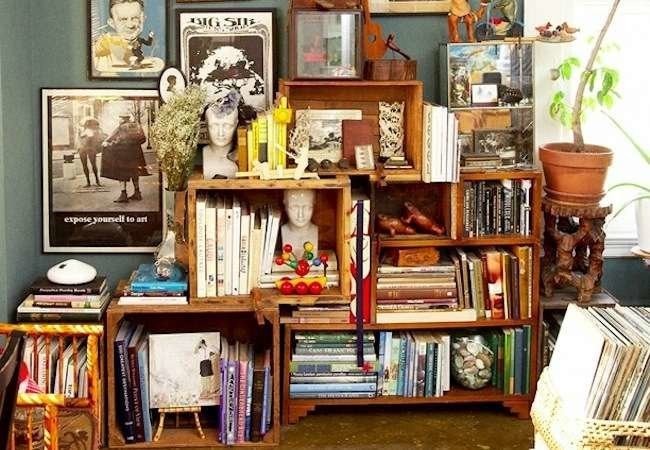
Old wooden crates are excellent for books, shoes, toys, towels, and entryway gear. Stack them vertically for a rustic bookcase, mount them to the wall as cubbies, or place one near the front door for dog leashes and umbrellas. Add casters if you want mobile storage that rolls out when needed.
4. Transform a Vintage Suitcase Into Hidden Storage
A hard-sided vintage suitcase can store seasonal scarves, keepsakes, gift wrap, craft supplies, or extra linens. Slide it under a bed, stack it as a bedside table, or place it on top of a wardrobe. It hides clutter beautifully while pretending to be decor. That is the kind of multitasking we respect.
5. Use a Ladder as a Blanket Rack
An old wooden ladder can become vertical storage for throws, quilts, towels, or magazines. Lean it against a wall in the living room, bedroom, or bathroom. This saves shelf space and gives textiles room to breathe, which is much better than stuffing blankets into a cabinet like fabric lasagna.
6. Turn Shoeboxes Into Drawer Dividers
Before tossing shoeboxes, cut them down to fit inside dresser drawers, bathroom vanities, or office desks. Use them to separate socks, cords, hair accessories, receipts, batteries, or small tools. Cover them with decorative paper for a cleaner look. Nobody needs to know your sock organizer used to house sneakers.
7. Use Ice Cube Trays for Tiny Items
Old ice cube trays are perfect for earrings, beads, screws, buttons, safety pins, pushpins, and other tiny objects that disappear faster than snacks during movie night. Place trays inside drawers or stack them in shallow bins for easy access.
8. Convert a Muffin Tin Into Craft Storage
A muffin tin can organize beads, thread spools, washers, jewelry findings, kids’ craft supplies, or small office items. It is especially useful for projects that require sorting by size or color. Bonus: It makes your craft table look charmingly productive, even if you are just staring at glitter.
9. Use a Wine Rack for Towels or Water Bottles
A countertop or wall-mounted wine rack can hold rolled hand towels, reusable water bottles, rolled magazines, or even hair tools. In a bathroom, it creates spa-style towel storage. In a kitchen, it keeps bottles from staging a tiny avalanche every time you open a cabinet.
10. Turn Magazine Holders Into Kitchen Helpers
Magazine files are surprisingly useful in the kitchen. Use them to store cutting boards, foil boxes, plastic wrap, baking sheets, or reusable grocery bags. Place one inside a cabinet or pantry shelf to make vertical use of narrow spaces.
11. Repurpose a Pegboard for Flexible Wall Storage
Pegboards are not just for garages. Use one in a kitchen for utensils, in a craft room for scissors and ribbon, in an office for supplies, or in a laundry area for brushes and stain removers. The beauty of pegboard storage is flexibility. Move a hook, shift a basket, and suddenly your wall has a new career.
12. Use Tension Rods Under the Sink
An extra tension rod can hold spray bottles under a kitchen or bathroom sink. This frees up the cabinet floor for bins, sponges, dishwasher pods, or cleaning cloths. It is simple, renter-friendly, and oddly satisfying.
13. Turn Old Drawers Into Under-Bed Storage
Removed drawers from an old dresser can become under-bed storage for shoes, toys, wrapping paper, or out-of-season clothes. Add small casters or felt pads so they slide easily. If the drawer front is pretty, let it show. If not, the bed skirt is your loyal accomplice.
14. Use Baskets for Open-Shelf Organization
Baskets bring texture and order to shelves, closets, pantries, and entryways. Use them for hats, mail, pet supplies, cleaning cloths, toys, or folded linens. The trick is to assign each basket a clear job. A basket labeled “winter gloves” works. A basket labeled “miscellaneous chaos” is just a junk drawer wearing a sweater.
15. Repurpose Glass Candle Jars
After the candle is finished, clean the jar and reuse it for cotton balls, matches, makeup brushes, coins, keys, or small bathroom supplies. Candle jars often have attractive lids and thick glass, making them look more expensive than they are.
16. Turn a Pallet Into Garage Tool Storage
A sturdy pallet can be mounted vertically to store rakes, shovels, brooms, sports gear, or garden tools. Sand rough edges and secure it properly to the wall. This is an easy way to get long-handled tools off the floor and prevent the classic garage dance move: tripping over a rake.
17. Use an Old Dresser as Entryway Storage
A small dresser can work beautifully in an entryway. Use drawers for hats, gloves, dog bags, sunscreen, sunglasses, and seasonal accessories. Place a tray on top for keys and mail. This gives every coming-and-going item a landing zone before it migrates across the house.
18. Repurpose a Shower Caddy for Cleaning Supplies
A spare shower caddy can organize cleaning sprays, microfiber cloths, scrub brushes, and gloves. Hang it in a utility closet, on the back of a door, or under the sink if space allows. It keeps supplies visible and portable, which is helpful when cleaning multiple rooms.
19. Use Old Trays as Clutter Corrals
Trays are magic because they turn scattered objects into a “collection.” Use a tray on a coffee table for remotes, on a dresser for perfume, on a kitchen counter for oils, or near the door for wallet and keys. The same items that looked messy five seconds ago now look intentional. Interior design is sometimes just boundaries.
20. Convert Cereal Boxes Into Paper Sorters
Cut cereal boxes diagonally, cover them with paper or fabric, and use them as magazine files or paper organizers. They are ideal for homework stations, office desks, recipe printouts, kids’ artwork, or mail sorting. Lightweight, cheap, and easy to customize, they are a classic repurposing win.
21. Use Baby Food Jars for Spices or Hardware
Small jars are great for spices, nails, screws, beads, seeds, and small craft materials. Label the lids and store them in a drawer, on a shelf, or attached under a cabinet if you are comfortable with a more permanent DIY setup.
22. Turn a Bookshelf Into a Pantry Station
An unused bookshelf can become open pantry storage, especially in small kitchens without enough cabinets. Add baskets for snacks, jars for dry goods, and trays for breakfast supplies. Keep heavier items on lower shelves and lighter items up top.
23. Repurpose File Organizers for Bathroom Tools
Metal or plastic file organizers can hold hair dryers, flat irons, curling irons, extra shampoo bottles, or washcloths. Place one inside a vanity cabinet to keep bulky items upright and easy to grab.
24. Use Door Backs for Bonus Storage
The back of a door is valuable real estate. Hang shoe organizers for cleaning supplies, scarves, toys, pantry snacks, toiletries, or craft materials. Cabinet doors can also hold measuring spoons, cutting boards, pot lids, or foil boxes with adhesive hooks or slim racks.
25. Turn an Old Cart Into a Rolling Storage Station
A rolling cart can become a coffee station, homework cart, craft cart, bathroom supply station, plant stand, laundry helper, or bedside organizer. The best part is mobility. You can roll it where you need it and tuck it away when guests arrive, because sometimes hospitality means hiding your glue sticks.
Room-by-Room Repurposed Storage Tips
Kitchen
In the kitchen, focus on visibility and access. Repurpose jars for dry goods, magazine files for wraps and cutting boards, trays for oils, and baskets for snacks. Keep daily-use items within easy reach and store occasional-use tools higher or deeper in cabinets.
Bathroom
Bathrooms need moisture-resistant storage. Glass jars, metal baskets, candle jars, and caddies work well. Avoid storing paper, fabric, or delicate items where steam and humidity can damage them. A bathroom should feel calm, not like a supply closet had a nervous breakdown.
Bedroom
Bedrooms benefit from hidden and soft storage. Try suitcases for seasonal accessories, drawers under the bed, baskets for blankets, and trays for jewelry or perfume. The less visual clutter you see before sleeping, the more restful the room feels.
Garage
Garages are ideal for pallets, pegboards, crates, jars, and labeled bins. Group items by task: gardening, car care, tools, sports, paint, and holiday decor. Repurposed storage works best here when it is sturdy, easy to clean, and clearly labeled.
How to Make Repurposed Storage Look Intentional
The difference between “creative storage” and “pile of random containers” is consistency. Choose a loose theme. Maybe you use natural baskets, clear glass jars, black metal bins, painted crates, or neutral labels. The items do not need to match perfectly, but they should look like they are having the same conversation.
Labels also matter. They reduce decision fatigue and help everyone in the household return items to the right place. Use simple labels such as “batteries,” “pet supplies,” “school papers,” “first aid,” or “gift wrap.” Avoid vague labels like “stuff.” Stuff is how clutter wins.
Finally, do not repurpose something just because you can. A clever idea still needs to be useful. If the container is too fragile, too small, too hard to clean, or too annoying to open, it will not last. Good storage should make life easier, not require a user manual and emotional support snack.
Extra Experience: What Repurposed Storage Teaches You After Actually Using It
The real test of any organizing idea is not how cute it looks on day one. It is whether it still works three weeks later when laundry is plotting against you, the mail is multiplying, and someone has put a screwdriver in the snack basket. After experimenting with repurposed storage around the house, a few lessons become very clear.
First, the best storage is close to where the mess happens. A beautiful basket in the hallway will not help if backpacks are always dropped by the kitchen island. Instead of fighting the natural traffic pattern, place storage where people already pause. Put a tray where keys land. Put a jar where loose change appears. Put hooks where coats are tossed. Organization becomes easier when the system meets the habit halfway.
Second, open storage is best for items used daily, while closed storage is better for visual clutter. For example, a ladder with blankets looks cozy because blankets are soft and attractive. But a pile of phone chargers, receipts, tape rolls, and mystery screws? That needs a drawer, box, or lidded container. Not every object deserves a public performance.
Third, repurposed storage should be edited regularly. It is surprisingly easy to turn every jar, box, and basket into “useful storage” until the containers themselves become clutter. Keep only the ones that solve a real problem. A good rule is this: if you cannot name what the container will hold, do not keep it “just in case.” Just-in-case storage is often clutter in a fake mustache.
Fourth, labels are not just for perfectionists. They are household communication. A labeled basket tells kids where toys go, tells guests where extra towels are, and tells your future self that the box in the closet contains extension cords, not tax documents from 2013. Labels save time and prevent the dramatic cabinet rummage that makes everyone late.
Fifth, small upgrades make repurposed pieces feel polished. Paint a crate. Add felt pads under a drawer. Tie matching tags onto baskets. Replace a rusty handle. Wash jars thoroughly and remove old labels. These tiny finishing touches help repurposed storage look purposeful instead of accidental.
Most importantly, repurposed storage changes how you see your home. You start noticing potential everywhere: the empty candle jar, the sturdy delivery box, the old dresser, the unused tray, the basket with no assignment. Instead of buying your way out of clutter, you begin designing your way through it. That shift saves money, reduces waste, and makes organizing feel more creative than punishing.
A perfectly organized home is not the goal. A home that supports your daily life is. If a mason jar keeps your cotton swabs neat, great. If a vintage suitcase hides spare linens, wonderful. If a basket by the door prevents the family’s shoes from forming a small mountain range, congratulationsyou have achieved domestic diplomacy.
Conclusion
Repurposed storage is practical, affordable, and full of personality. It helps you organize without overspending, reduce waste without sacrificing style, and turn overlooked household items into hardworking solutions. From mason jars and crates to trays, ladders, baskets, drawers, and carts, the best storage ideas often begin with things you already own.
Start small. Choose one messy drawer, one cluttered shelf, or one chaotic entryway corner. Match the problem with a repurposed container, label it clearly, and see how it works for a week. Before long, your home will feel calmer, your surfaces will look cleaner, and your old stuff will be enjoying a very impressive second act.
SEO Tags
Note: This article is original, written in standard American English, and synthesized from practical home organization, DIY storage, and reduce-reuse guidance from reputable U.S. home improvement and lifestyle sources.