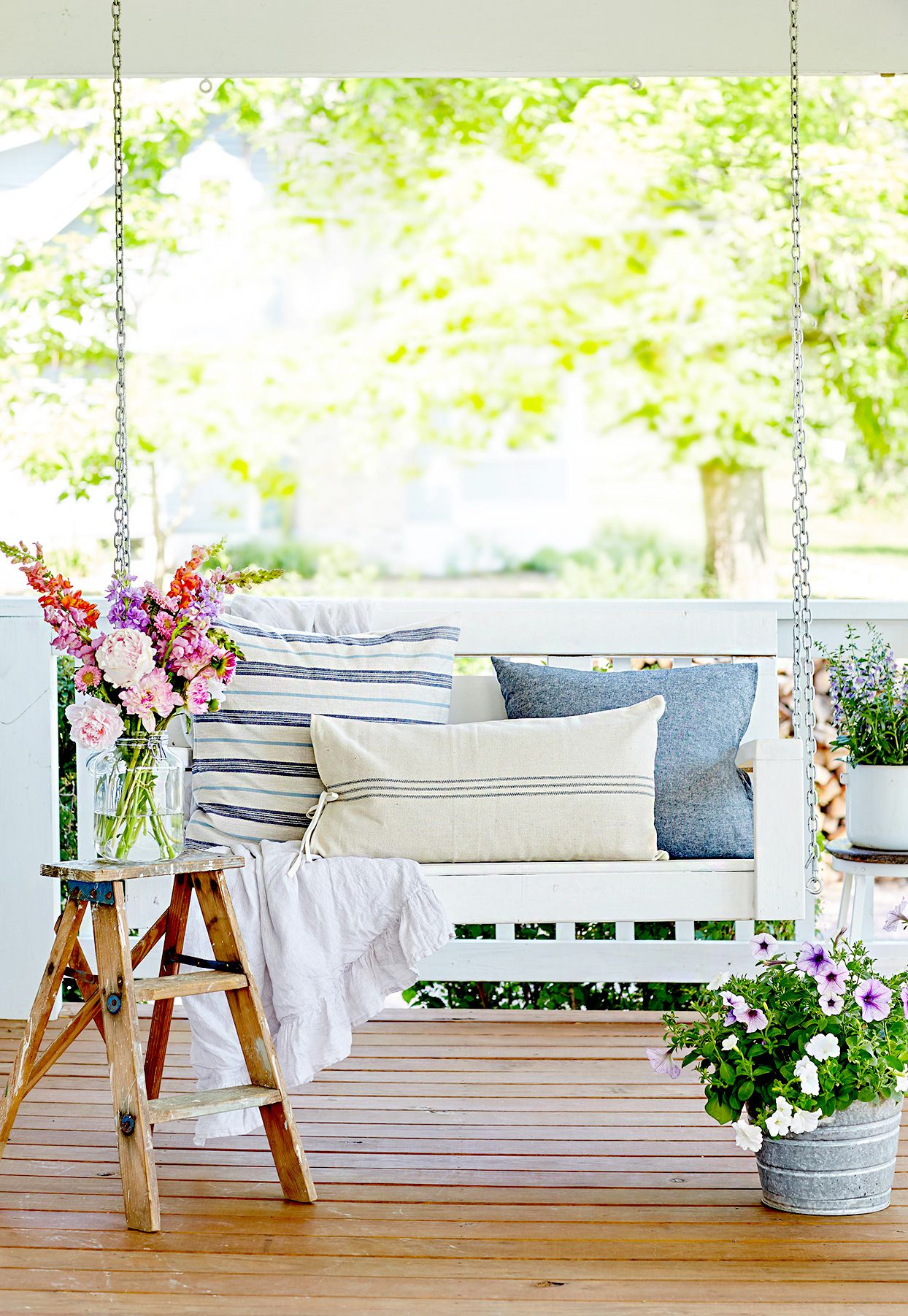
A small front porch can feel like the decorative equivalent of a postage stamp: tiny, public, and somehow expected to say a lot. But here is the good newsyour porch does not need mansion-level square footage to become the most charming “room” of the house. With the right small front porch ideas, even a narrow stoop or compact entry can become a cozy landing place for coffee, plants, neighborly waves, and that satisfying moment when you unlock the door and think, “Wow, I live here?”
The secret is not buying more stuff. In fact, please do not turn your porch into a storage closet with weather. The secret is choosing pieces that work hard: slim furniture, layered lighting, vertical planters, durable textiles, and decorative accents that make your home look welcoming without blocking the path to the door. Think of your front porch as a tiny outdoor living room with excellent people-watching privileges.
Below are 14 small front porch ideas that combine curb appeal, comfort, and practicality. Whether your style is farmhouse, modern, cottage, coastal, traditional, or “I found this planter on sale and now it is my personality,” these tips will help you transform a small porch into your favorite roomno square-footage miracle required.
1. Start With a Clean, Clear Porch
Before you buy a bench, paint the door, or name your future fern, start with the least glamorous idea: clean everything. Sweep the floor, wipe the door, wash the windows, remove cobwebs, polish hardware, and retire the welcome mat that has been through three storms and one questionable barbecue season.
Small porches become cluttered quickly because every item is visible. A pair of old shoes, a faded wreath, and one mystery box can make the entire entry feel crowded. Clearing the space gives you a better sense of what you actually have to work with. It also makes every later design decision look more intentional.
2. Choose One Compact Seating Piece
If your porch has room for seating, choose one smart piece instead of trying to squeeze in an entire patio set. A narrow bench, a single rocking chair, a small bistro chair, or a slim outdoor stool can make the porch feel useful without creating an obstacle course.
For a narrow front porch, place seating to one side so the door can open easily and guests can walk through without performing a sideways shuffle. If storage is limited, a bench with hidden storage can hold gardening gloves, outdoor pillows, or seasonal decorations. Just avoid stuffing it so full that opening it becomes a full-body workout.
3. Use Vertical Space Like a Design Pro
When floor space is limited, look up. Walls, railings, ceilings, and posts are valuable real estate on a small front porch. Hanging baskets, wall-mounted planters, vertical herb racks, and slim shelves can add greenery and personality without taking over the walkway.
A vertical plant display works especially well beside the front door or on a blank wall. Try herbs for fragrance, trailing ivy for softness, or seasonal flowers for color. The goal is to create height and movement, so the porch feels styled from top to bottom instead of crowded at ankle level.
4. Add a Small Outdoor Rug
An outdoor rug is one of the easiest ways to make a small front porch feel like an actual room. It defines the space, adds texture, and makes a plain concrete or wood floor look more finished. In design terms, a rug says, “This is a destination.” In real-life terms, it says, “Yes, we tried.”
Choose a weather-resistant rug that fits the porch without curling into the door swing. Stripes can make a narrow porch feel longer, while a simple geometric pattern adds style without overwhelming the entry. If your porch is very small, layer a decorative outdoor rug under a sturdy doormat for a polished, practical look.
5. Paint the Front Door for Instant Curb Appeal
A front door is the main character of a small porch. When there is not much room for furniture or decor, color becomes your best friend. A fresh coat of paint can make the whole exterior feel updated, even if the rest of the porch is basically one chair and a dream.
Classic black looks crisp and timeless. Deep green feels natural and elegant. Navy adds polish. Soft blue brings a cottage mood. Red, coral, or sunny yellow can make the entrance cheerful and memorable. Before painting, consider your siding, brick, trim, roof color, and landscaping so the door looks connected to the whole home.
6. Create Symmetry With Planters
Symmetry is a small-porch superpower. Two matching planters on either side of the door can make even a compact stoop feel balanced and intentional. The eye loves order, especially when the space is tiny.
Use tall planters if you want height, low bowls if you want a softer cottage look, or matching urns for a traditional entrance. Fill them with evergreens, ornamental grasses, seasonal flowers, or a “thriller, filler, spiller” combination: one tall focal plant, full middle plants, and trailing greenery that spills over the edge.
7. Layer Lighting for Evening Charm
Good porch lighting does more than help you find your keys. It makes the entrance safer, more welcoming, and far more atmospheric. A small porch can benefit from one stylish sconce, a pendant light, lanterns, or warm string lights tucked along the ceiling or railing.
If your current fixture is outdated, replacing it can change the whole mood of the porch. Choose a finish that works with your hardware, mailbox, house numbers, or door handle. Warm bulbs usually feel more inviting than harsh, cool light. Nobody wants their front porch lit like a grocery store freezer aisle.
8. Upgrade House Numbers and Hardware
Small details matter more in small spaces. New house numbers, a modern door knocker, a fresh mailbox, or updated door hardware can make your porch feel finished without taking up a single inch of floor space.
Oversized house numbers can look stylish and improve visibility from the street. Brass hardware adds warmth, matte black feels modern, and brushed nickel works well for clean transitional homes. Try to repeat finishes rather than mixing too many metals, unless your design style is “drawer full of leftovers.”
9. Bring in Plants That Match Your Light
Plants can turn a small front porch from plain to charming almost instantly, but the best porch plants depend on sunlight. A shady porch may love ferns, hostas, caladiums, or impatiens. A sunny porch can handle geraniums, lavender, petunias, herbs, succulents, or small citrus trees in warm climates.
For low-maintenance curb appeal, use a mix of evergreen structure and seasonal color. A small boxwood, dwarf conifer, or rosemary plant can provide year-round shape, while annual flowers bring the party. Just remember: a plant is decor only if it is alive. Once it becomes crispy, it is a tiny haunted forest.
10. Try a Mini Café Corner
If your porch is wide enough, create a mini café corner with a tiny table and one or two chairs. This setup works beautifully for morning coffee, evening tea, or pretending you are in a charming neighborhood bistro instead of checking emails in slippers.
Look for folding furniture or round tables with slim bases. A round table is easier to move around than a square one in tight spaces. Add one small potted plant or lantern on top, and keep the surface mostly clear so it remains usable.
11. Add Privacy Without Closing It Off
Front porches are social by nature, but that does not mean you want the entire neighborhood watching you enjoy a muffin. For gentle privacy, use hanging plants, outdoor curtains, lattice panels, tall planters, or a slim trellis with climbing vines.
The trick is to filter the view, not create a fortress. A porch should still feel open, safe, and welcoming. Plants are especially helpful because they soften the space while adding color and texture. Bonus: they never ask why you are wearing pajama pants at 2 p.m.
12. Decorate Seasonally, But Keep It Edited
Seasonal decor can make a small front porch feel fresh all year. In spring, use tulips, pansies, and a light wreath. In summer, try bright flowers and woven textures. In fall, add mums, pumpkins, grasses, or lanterns. In winter, use evergreen branches, pinecones, and warm lights.
The key word is “edited.” A tiny porch does not need 47 pumpkins, three signs, two scarecrows, and a hay bale named Gary. Choose a few pieces with impact and leave enough breathing room for the architecture to show.
13. Use Texture to Make the Porch Feel Cozy
Texture helps a small porch feel layered instead of flat. Combine materials such as wicker, wood, metal, ceramic, terracotta, cotton, jute, and greenery. A woven basket planter, a wood bench, a ceramic pot, and a linen-look outdoor pillow can make the porch feel warm and collected.
Choose outdoor-safe fabrics and weather-friendly finishes. If your porch is uncovered, look for quick-dry cushions and fade-resistant materials. For covered porches, you have more flexibility, but moisture and dust still exist, because apparently nature enjoys housekeeping challenges.
14. Create a Focal Point
Every small porch needs one clear focal point. It might be a painted front door, a statement planter, a porch swing, a bold light fixture, a beautiful wreath, or a charming bench. Without a focal point, the eye bounces around and the space can feel busy.
Choose the feature you want people to notice first, then let everything else support it. If your door is bold, keep planters simple. If your plants are dramatic, use quieter furniture. If your light fixture is the star, avoid cluttering the ceiling or wall around it.
How to Make a Small Front Porch Feel Like a Real Room
The best small front porch ideas work because they treat the porch as a room, not just a pass-through. A room has a purpose, a mood, and a few pieces that make it comfortable. Your porch can do the same, even if it is technically smaller than some walk-in closets.
Think in Zones
Even a compact porch can have tiny zones. The doorway is the traffic zone. A corner can become a seating zone. A railing or wall can become the plant zone. The floor can become the rug zone. Once you assign jobs to each area, decorating becomes much easier.
Keep the Walkway Open
Function comes first. Make sure the door opens fully, packages have a place to land, and visitors can stand comfortably. A beautiful porch that requires guests to step over a planter is not charming; it is an obstacle course with flowers.
Repeat Colors
Choose two or three main colors and repeat them. For example, black hardware, black planters, and a black lantern create unity. A blue door, blue pillow, and blue flower pot feel coordinated. Repetition makes a small porch look designed, not randomly assembled during a clearance sale sprint.
Budget-Friendly Small Front Porch Ideas
You do not need a full renovation to improve your front porch. Many upgrades are affordable and quick. Replace the doormat. Paint the door. Add matching planters. Swap the light fixture. Hang a wreath. Bring in one chair. Add a small rug. Clean the railings. Trim nearby shrubs. These changes can dramatically improve curb appeal without involving a contractor, a loan application, or a dramatic home improvement montage.
If the floor looks tired, consider painting or staining it if the material allows. If the railings feel dated, fresh paint may help. If your porch has no personality, choose one bold elementlike a colorful door or statement planterand build around it.
Common Small Porch Mistakes to Avoid
The biggest mistake is overcrowding. Small porches need breathing room. Too much furniture, too many signs, and too many plants can make the space feel smaller. Another common mistake is ignoring scale. A giant planter may look gorgeous online, but if it blocks half the steps, it is no longer decor. It is a decorative traffic cone.
Also avoid using indoor-only items outdoors. Regular pillows, untreated wood, and delicate rugs may fade, mildew, or fall apart. Choose materials designed for weather exposure, especially if your porch is uncovered.
My Experience: What Actually Works on a Small Front Porch
After looking at many small porch makeovers and testing ideas in real homes, one truth becomes obvious: the porch changes most when you stop treating it like leftover space. A small front porch is not just where packages go to experience suspense. It is the first emotional handshake your home gives to the world.
The most successful small porch updates usually begin with editing. People often think they need to add more, but the first improvement is usually removing what does not belong. Old pots, dusty faux flowers, faded mats, empty hooks, broken lanterns, and furniture that is too large can quietly steal charm. Once those items are gone, the porch suddenly looks bigger, even before anything new arrives.
Seating is another lesson learned the practical way. A bench looks lovely in photos, but it only works if people can still move around it. On very narrow porches, a single chair or stool may be better. One comfortable seat that fits is more valuable than two chairs that make everyone walk like they are sneaking through a movie theater row.
Plants make the biggest visual difference, but only when they match the porch conditions. A sunny porch and a shady porch are completely different worlds. I have seen beautiful sun-loving flowers sulk in shade and shade plants dramatically faint in direct afternoon heat. Before buying plants, watch the light for a day. Notice where the sun lands in the morning and afternoon. This tiny bit of homework saves money and prevents the sad “why is my plant now soup?” moment.
Lighting is another upgrade that feels small but changes everything. A warm porch light makes the entrance feel safe and welcoming. Lanterns can add charm, but they should not crowd the steps. Solar lights along the walkway can guide guests to the door and make the whole front entry feel more finished.
The best small porches also have personality. That does not mean covering every inch with signs that say “Welcome,” “Gather,” and “Porch Rules.” It means choosing details that feel connected to the homeowner. A vintage watering can used as a planter, a cheerful door color, a handmade wreath, or a favorite chair can make the porch memorable.
One of the easiest tricks is repeating materials. If your door hardware is black, try black lanterns or black planters. If you use terracotta pots, repeat terracotta in different sizes. If your home has warm wood tones, add a wood bench or natural basket. Repetition makes a small porch look calm and intentional.
Finally, the porch should be easy to maintain. If decor takes too much effort, it will slowly become clutter. Choose washable rugs, hardy plants, weather-safe pillows, and pieces that can survive your climate. A front porch should invite you outside, not add another chore to your weekend list.
When a small porch works, it becomes more than an entry. It becomes a morning coffee spot, a sunset seat, a place to wave at neighbors, a stage for seasonal flowers, and a tiny reminder that home starts before you even open the door. That is the magic of a small front porch: it does not need to be big to become the favorite room. It just needs to be thoughtful.
Conclusion
Small front porch ideas are really about making every inch count. With compact seating, vertical greenery, layered lighting, fresh paint, smart planters, and a few personal touches, your porch can become one of the most inviting spaces in your home. Start simple, keep the layout open, and choose pieces that are both beautiful and useful. Before long, your tiny porch may become the place you love mostproof that good design does not need a mansion-sized footprint. It just needs a little imagination, a clean doormat, and maybe one very photogenic fern.