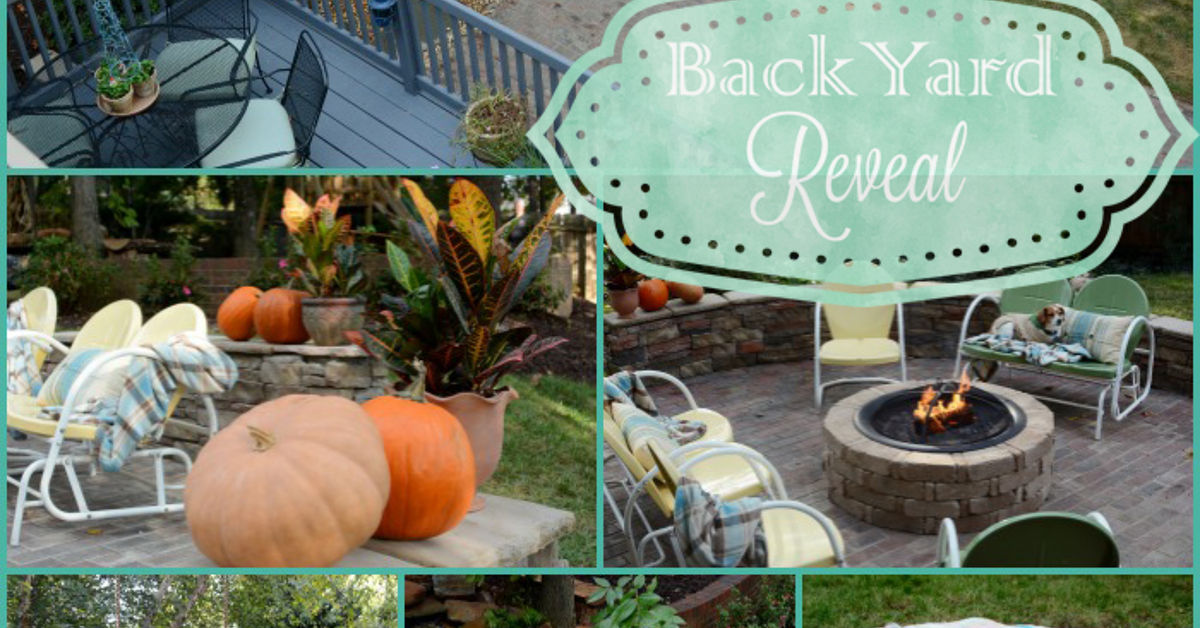
A backyard renovation is not just about tossing a few chairs outside and calling it “outdoor living.” That is how you end up with a lonely plastic table, one suspiciously wobbly umbrella, and a grill that looks like it has survived three pirate attacks. A successful backyard renovation turns unused outdoor space into a practical, beautiful, comfortable extension of your home.
Whether your yard is a blank rectangle of grass, a patchy dog racetrack, a jungle of mystery shrubs, or a concrete slab with emotional baggage, the right plan can transform it into a place for relaxing, entertaining, gardening, cooking, playing, and quietly pretending you cannot hear your phone buzzing inside.
This guide breaks down how to plan a backyard renovation from the ground up: budgeting, layout, patios, decks, landscaping, drainage, lighting, shade, privacy, outdoor kitchens, fire pits, plant choices, safety, maintenance, and real-world renovation lessons. The goal is simple: create a backyard that looks good, works hard, and does not require you to become a full-time landscape servant.
What Is a Backyard Renovation?
A backyard renovation is the process of improving an outdoor area through design, construction, landscaping, and functional upgrades. It can be as simple as refreshing mulch, adding seating, and improving lighting, or as complex as installing a patio, deck, pergola, outdoor kitchen, pool, retaining wall, irrigation system, and layered planting design.
The best backyard renovation ideas combine beauty with real use. A gorgeous yard that nobody uses is just an expensive postcard. A useful yard that looks chaotic can feel like a storage unit with grass. The sweet spot is a backyard that fits your lifestyle, climate, budget, and maintenance tolerance.
Start With a Backyard Renovation Plan
Before buying pavers, plants, furniture, or that dramatic fire bowl you saw online at midnight, pause and make a plan. Backyard renovation rewards patience. Measure first, dream second, spend third. Your wallet will thank you, possibly with tears.
Define How You Want to Use the Space
Ask what the backyard needs to do. Do you want a quiet retreat, a family play area, a garden, a dog-friendly zone, an outdoor dining space, a grilling station, or a full entertaining setup? A couple who loves coffee outdoors needs a very different backyard than a family hosting twenty relatives every Sunday.
Common backyard zones include:
- Outdoor lounge area with weather-resistant seating
- Dining patio near the kitchen entrance
- Grilling or outdoor kitchen zone
- Garden beds or edible landscaping
- Play area for children
- Pet-friendly turf or gravel run
- Fire pit seating area
- Storage shed or hidden utility zone
- Quiet corner for reading, yoga, or avoiding chores
Study Sun, Shade, Wind, and Drainage
A backyard renovation should respond to the site. Watch how sunlight moves through the yard during the day. Notice where water collects after rain. Identify windy corners, muddy paths, noisy neighbors, and areas that feel exposed. These details should guide every decision.
For example, placing a dining area in full afternoon sun may sound lovely until July arrives and your guests start melting into the cushions. A low corner that stays wet may be better suited for a rain garden than for a heavy patio. A windy spot may need a privacy screen, hedge, or fence before it becomes comfortable.
Set a Realistic Backyard Renovation Budget
Backyard renovation costs vary widely depending on yard size, location, materials, labor, grading, drainage, permits, and project complexity. A small refresh with mulch, plants, lighting, and furniture can be relatively affordable. A full backyard remodel with hardscaping, electrical work, irrigation, plumbing, structures, and custom features can become a serious investment.
As a practical rule, divide your budget into four categories: hardscape, landscape, comfort features, and contingency. Hardscape includes patios, decks, walkways, retaining walls, and built-in structures. Landscape includes soil, plants, trees, sod, mulch, gravel, and irrigation. Comfort features include furniture, lighting, shade, heating, outdoor cooking, and decor. Contingency is the money you save for surprises, because dirt has a talent for hiding problems.
Budget-Friendly Backyard Renovation Ideas
If you want a visible transformation without a luxury price tag, focus on cleanup, structure, and comfort. Remove clutter, edge the lawn, add fresh mulch, repaint fences, pressure-wash surfaces, install solar or low-voltage lights, create a gravel seating area, and use large planters for instant greenery.
Budget-friendly upgrades include:
- Gravel patio with metal edging
- Mulched garden beds with drought-tolerant plants
- DIY privacy screen using lattice or horizontal boards
- String lights or pathway lights
- Container gardens near seating areas
- Outdoor rug and cushions for color
- Simple fire pit with code-compliant clearance
- Raised beds for vegetables and herbs
Where to Spend More
Spend more on the bones of the backyard: grading, drainage, patio base preparation, deck structure, irrigation efficiency, retaining walls, and shade structures. These are not glamorous, but they determine whether your renovation lasts. Nobody brags at a party about proper patio compaction, but everyone notices when the patio turns into a tilted pancake.
Create Outdoor Rooms
One of the most effective backyard renovation strategies is to design outdoor rooms. Instead of treating the yard as one large leftover space, divide it into zones with clear purposes. A patio can become a dining room. A shaded corner can become a reading nook. A lawn can become a flexible play area. A planting bed can frame the view like living artwork.
The Outdoor Living Room
An outdoor living room should feel comfortable, not like a waiting area outside a dentist’s office. Choose durable seating, a coffee table or side tables, shade, and lighting. Add an outdoor rug if the space needs visual softness. Use pillows and cushions rated for outdoor use, and store them when storms roll in unless you enjoy the smell of wet sponge.
The Dining and Cooking Zone
If you entertain often, place the dining zone close to the kitchen door. This keeps food traffic simple and prevents the host from performing a marathon with salad bowls. A grill station, prep table, small counter, or outdoor kitchen can make cooking easier. For larger outdoor kitchens, plan for plumbing, electrical, gas lines, ventilation, weather protection, and local permits.
The Garden Zone
Planting areas bring life, color, texture, privacy, and seasonal change. Use a mix of trees, shrubs, perennials, ornamental grasses, groundcovers, and annual accents. Native and climate-adapted plants are often easier to maintain because they are better suited to local conditions. Group plants with similar water and sunlight needs together, because plants do not enjoy being forced into awkward roommate situations.
Choose the Right Hardscape
Hardscape gives structure to a backyard renovation. It includes patios, walkways, decks, steps, walls, edging, gravel areas, pergolas, and built-in seating. The best hardscape materials match your home’s architecture, climate, budget, and maintenance preferences.
Patios
A patio is one of the most popular backyard renovation upgrades because it creates a stable surface for seating, dining, grilling, and entertaining. Common patio materials include concrete, pavers, brick, flagstone, pea gravel, decomposed granite, and porcelain outdoor tile.
Concrete is versatile and often cost-effective. Pavers offer durability and design flexibility. Brick adds traditional charm. Flagstone creates a natural look but can be more labor-intensive. Gravel is budget-friendly and drains well when installed correctly, though it may not be ideal for every chair leg, high heel, or runaway toddler.
Decks
A deck can be a smart choice for sloped yards, elevated doors, or homes where a patio would require extensive grading. Wood decks offer warmth and classic appeal, while composite decking reduces staining and sealing demands. Decks must be designed for safety, load capacity, railing height, stairs, footings, and local building codes.
Walkways
Walkways guide movement and prevent muddy shortcuts across the lawn. A good path connects the house, patio, garden, shed, gate, and play area. Curved paths feel relaxed and natural, while straight paths feel formal and efficient. Use lighting along main routes for nighttime safety.
Fix Drainage Before Decorating
Drainage is not the glamorous part of backyard renovation, but it is one of the most important. Poor drainage can damage patios, drown plants, create mosquito-friendly puddles, erode soil, and turn a lawn into a swamp with property taxes.
Solutions may include regrading, French drains, dry creek beds, rain gardens, permeable pavers, downspout extensions, swales, or improved soil structure. A rain garden can capture runoff from roofs, patios, and walkways while supporting pollinators and reducing erosion. For serious water issues near foundations, consult a qualified drainage or landscape professional.
Make the Backyard Water-Wise
Outdoor water use can be a major part of household consumption, especially in hot or dry regions. A smart backyard renovation should reduce waste while keeping plants healthy. Choose plants suited to your climate, install mulch, improve soil, use drip irrigation where appropriate, and avoid watering pavement like it is trying to grow.
Water-wise backyard ideas include:
- Replacing thirsty lawn areas with native plants or groundcovers
- Installing drip irrigation in planting beds
- Using smart irrigation controllers
- Adding mulch to reduce evaporation
- Grouping plants by water needs
- Choosing permeable surfaces where possible
- Capturing runoff with rain gardens or rain barrels where allowed
Add Privacy Without Building a Fortress
Privacy matters. A backyard should not feel like a community theater stage for your neighbors. Fortunately, privacy can be created with fences, hedges, trellises, pergolas, screens, trees, shrubs, vines, and layered plantings.
For fast privacy, use fencing or prefabricated screens. For softer privacy, plant evergreen shrubs, ornamental grasses, small trees, or climbing vines. The most attractive privacy solutions often combine hardscape and plants. A fence alone can look harsh, but a fence with layered greenery looks intentional and welcoming.
Use Plants Like a Designer
Plants should do more than fill empty dirt. They should frame views, soften hard edges, create shade, attract pollinators, define zones, and provide seasonal interest. A good planting plan includes layers: tall background plants, medium shrubs, flowering perennials, groundcovers, and accents.
Backyard Planting Tips
- Choose plants that match your soil, sunlight, and climate.
- Use repeating plants for a cohesive look.
- Mix evergreen and seasonal plants for year-round structure.
- Place fragrant plants near seating areas.
- Use ornamental grasses for movement and texture.
- Plant shade trees where they can cool patios and windows.
- Avoid invasive species that can escape into natural areas.
If you are unsure what to plant, contact a local extension office, nursery, or landscape designer. Local advice matters because a plant that thrives in Arizona may faint dramatically in Maine, and a plant that loves Oregon rain may file a complaint in Texas.
Plan for Shade and Weather Comfort
Shade can make or break a backyard renovation. A beautiful patio in full sun may be unusable during peak summer heat. Shade options include pergolas, shade sails, umbrellas, awnings, covered patios, trees, and roof extensions.
Permanent structures cost more but offer long-term comfort and architectural impact. Umbrellas and shade sails are more flexible and budget-friendly. Trees are the most beautiful shade solution, but they require patience. Plant them early unless you have discovered how to negotiate with time.
Install Outdoor Lighting
Backyard lighting improves safety, mood, and usability. The best outdoor lighting is layered. Use path lights for movement, step lights for safety, uplights for trees, wall lights near doors, and warm ambient lights around seating areas.
Avoid lighting the backyard like a sports stadium unless you are actually hosting night baseball. Soft, warm lighting usually feels more inviting. Low-voltage systems are reliable, while solar lights can work well in sunny areas for accents. For complex wiring, hire a licensed electrician.
Consider Fire Features Carefully
Fire pits and fireplaces are popular backyard renovation features because they create a natural gathering spot. They also extend the use of the backyard into cooler evenings. Options include portable fire pits, built-in gas fire pits, wood-burning fire rings, outdoor fireplaces, and fire tables.
Before installing a fire feature, check local rules, burn restrictions, clearance requirements, fuel type, ventilation, and surface safety. Keep fire away from fences, overhanging branches, dry grasses, furniture, and structures. Fire is charming; accidental fence flambé is not.
Outdoor Kitchens: Worth It or Too Much?
An outdoor kitchen can be a fantastic upgrade for people who cook and entertain outside often. A simple grill station with counter space may be enough for many homeowners. Larger outdoor kitchens can include sinks, refrigerators, storage, pizza ovens, smokers, side burners, bars, and weatherproof cabinets.
Before going big, be honest about how you live. If you grill twice a year, a luxury outdoor kitchen may become a very expensive squirrel observation platform. If you host frequently, however, a well-planned outdoor kitchen can reduce indoor mess and make gatherings easier.
Design for Children and Pets
A family-friendly backyard should balance beauty with durability. Children need safe play surfaces, shade, visibility from the house, and age-appropriate equipment. Pets need secure fencing, non-toxic plants, shade, water, and surfaces that can handle zoomies, digging, and the occasional dramatic flop.
For play equipment, avoid placing structures over concrete, asphalt, or other hard surfaces. Use suitable impact-absorbing material and inspect equipment regularly. For dogs, consider artificial turf designed for pets, pea gravel, mulch paths, or designated digging zones. Also check plant toxicity before adding new landscaping.
Do Not Forget Storage
Backyards need storage for cushions, tools, toys, hoses, firewood, pool supplies, and garden equipment. Without storage, even the most beautiful renovation can slowly turn into a yard sale with landscaping.
Storage ideas include benches with hidden compartments, deck boxes, sheds, cabinets, fence-mounted tool racks, and screened utility corners. Place storage near where items are used. Garden tools belong near garden beds, not across the yard behind three chairs and a confused flamingo statue.
Common Backyard Renovation Mistakes
Many backyard renovation problems come from rushing. Homeowners buy furniture before measuring, plant before improving soil, install patios before solving drainage, or copy a design that looks great online but makes no sense for their climate.
Mistake 1: Ignoring Scale
Oversized furniture can swallow a small patio. Tiny furniture can look lost in a large yard. Measure everything, including chair pullback space, grill clearance, walkway width, and traffic flow.
Mistake 2: Choosing High-Maintenance Features
Water features, pools, lawns, and elaborate gardens can be wonderful, but they require care. Choose features that match your actual maintenance habits, not your fantasy version of yourself who wakes up at 6 a.m. joyfully pruning roses.
Mistake 3: Forgetting Permits and Utilities
Decks, electrical work, plumbing, gas lines, retaining walls, fences, pools, and covered structures may require permits. Always call 811 before digging in the United States to locate underground utilities. Hitting a utility line is not a renovation milestone.
Mistake 4: Planting Too Close Together
Small nursery plants grow. That adorable shrub may become a leafy monster blocking the walkway in three years. Read mature plant sizes and space accordingly.
Mistake 5: Prioritizing Trends Over Lifestyle
Trends can inspire, but lifestyle should lead. If you hate cooking outside, skip the outdoor kitchen. If you love reading, create a shaded lounge. If your dog owns the yard emotionally and legally, design for durability.
Backyard Renovation Ideas by Budget
Small Budget: Refresh and Define
Clean up the yard, trim overgrown plants, add mulch, create a gravel seating area, repaint old furniture, install pathway lights, and use planters to frame the patio. This level works well for renters, first-time homeowners, or anyone who wants quick improvement without major construction.
Medium Budget: Build Function
Add a paver patio, pergola, privacy screen, improved planting beds, irrigation updates, better furniture, and a fire pit. This budget level can dramatically change how the backyard functions.
Large Budget: Full Outdoor Living Space
A full backyard renovation may include a deck or patio system, outdoor kitchen, lighting plan, drainage work, retaining walls, pool, spa, custom planting design, built-in seating, shade structure, and professional landscape design. This creates a polished outdoor environment but requires careful planning and skilled installation.
Maintenance After a Backyard Renovation
A renovated backyard still needs care. Build maintenance into the plan from the beginning. Choose durable materials, right-sized plants, efficient irrigation, and easy-clean surfaces. Keep a seasonal checklist for pruning, fertilizing, cleaning furniture, checking lights, refreshing mulch, sealing surfaces, and inspecting drainage.
The easiest backyard to maintain is one designed honestly. If you do not enjoy mowing, reduce lawn. If you forget to water, choose drought-tolerant plants and drip irrigation. If you dislike cleaning, avoid features that collect leaves, algae, or regret.
Experience Notes: Real Lessons From Backyard Renovation
One of the biggest lessons from backyard renovation is that the first idea is rarely the best idea. Many homeowners begin with a dream feature: a pool, a pergola, a huge patio, or an outdoor kitchen. But after walking the space, checking sunlight, and thinking about daily habits, the smarter solution is often different. A family may discover they need shade more than a bigger lawn. A couple may realize they would use a small coffee patio every morning but only use a large dining area twice a year. Good renovation starts with behavior, not fantasy.
Another common experience is underestimating the importance of circulation. A backyard needs comfortable movement. People should be able to walk from the house to the grill, from the dining table to the garden, and from the gate to the patio without squeezing sideways like they are boarding a budget airline. Paths do not have to be fancy, but they should be obvious. Even stepping stones through mulch can make a yard feel more organized.
Homeowners also learn quickly that plants are not decoration in the same way throw pillows are decoration. Plants are alive, opinionated, and occasionally dramatic. A plant placed in the wrong sun exposure may struggle no matter how much you sweet-talk it. A shrub planted too close to a walkway will eventually demand half the sidewalk. Successful planting is about matching the plant to the place, then giving it enough room to become its adult self.
Drainage is another lesson that often arrives wearing muddy shoes. Many people want to start with the pretty things: furniture, flowers, lights, and decor. But if the yard holds water, those upgrades may not last. Fixing drainage first can feel boring, yet it protects every other investment. A dry, stable base under a patio matters more than the color of the cushions, even if the cushions are fabulous.
Backyard renovation also teaches the value of phasing. Not every project has to happen at once. In fact, phased renovation can produce better results because you learn how you use the space. Phase one might include cleanup, drainage, and a basic seating area. Phase two might add planting beds and lighting. Phase three might bring a pergola, outdoor kitchen, or fire feature. This approach spreads out cost and prevents expensive impulse decisions.
Finally, the best backyard renovations feel personal. They are not copies of showroom displays. They include the homeowner’s habits, climate, family, pets, favorite colors, and tolerance for maintenance. A great backyard does not need to impress strangers on the internet. It needs to make ordinary days better. If it gives you a place to drink coffee, laugh with friends, grow tomatoes, watch the kids play, read in the shade, or sit quietly after work, then the renovation has done its job beautifully.
Conclusion
A backyard renovation is one of the most rewarding ways to improve a home because it expands how you live. The best projects begin with a clear plan, realistic budget, smart drainage, useful zones, durable materials, climate-appropriate plants, comfortable seating, shade, lighting, and maintenance you can actually handle.
Do not renovate for trends alone. Renovate for the way you cook, rest, host, garden, play, and move through your day. A backyard should not be a museum of expensive outdoor objects. It should be a living space that earns its keep.
Start with the bones, add comfort, layer in plants, and finish with personality. Whether your dream backyard includes a peaceful garden, a fire pit lounge, a family play space, or a dining patio under warm lights, the right renovation can turn an overlooked yard into your favorite “room” of the house. Bonus: no ceiling required.
Note: This article is written for web publication in standard American English and is based on practical backyard renovation principles, current outdoor living trends, sustainable landscaping guidance, and real-world homeowner experience.

