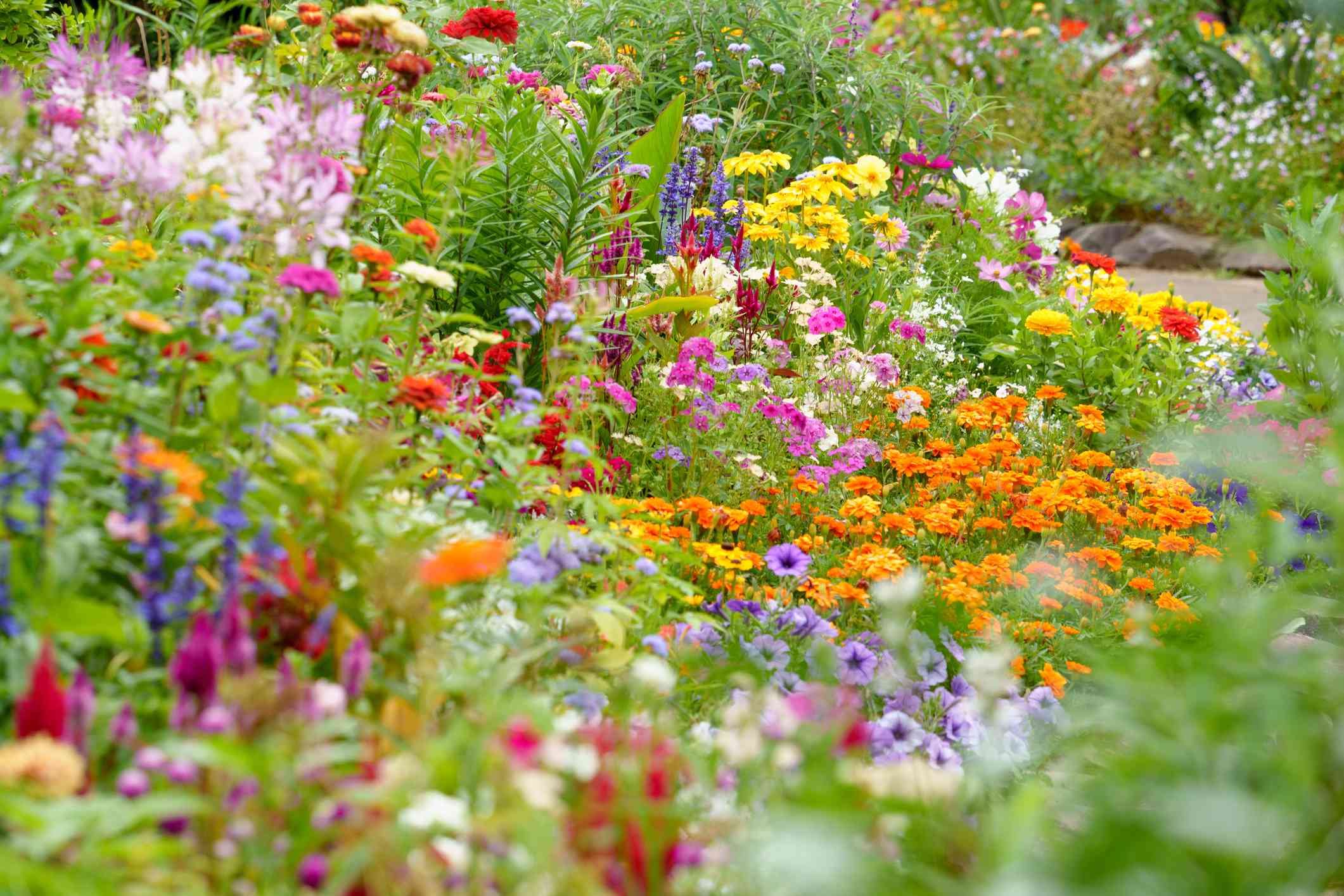
Some gardens are practical. Some gardens are pretty. And then there are edible flower gardens, which are the overachievers of the yard. They feed pollinators, brighten up beds and containers, and make your salad look like it finally got its life together. Better yet, many edible flowers are easy to grow, quick to bloom, and perfectly happy to spend summer showing off while you pretend you planned all that color on purpose.
If you want a garden that works hard and looks fantastic doing it, edible flowers are one of the smartest things to plant right now. In most American gardens, spring is the ideal time to sow or transplant many of these beauties so they can settle in and produce for weeks, and in some cases months. The best part is that edible flowers are not just decorative confetti. Some taste peppery, some citrusy, some lightly sweet, and some bring herbal notes that can wake up everything from lemonade to pasta to compound butter.
This guide rounds up 12 of the best edible flowers to plant now for nonstop summer color and flavor. You will also find practical growing advice, kitchen ideas, and a few common-sense safety rules, because “edible” is wonderful, but “correctly identified and chemical-free” is even better. Let’s get into the blooms that can make your garden look like a postcard and your dinner plate feel a little smug.
Before You Plant: The Golden Rules of Eating Flowers
Edible flowers are delightful, but this is not the moment for wild guessing. Not every flower is safe to eat, and even safe flowers should be grown specifically with eating in mind. That means no florist bouquets, no roadside blossoms, and no mystery petals plucked from a neighbor’s yard while you “admire the landscaping.” Choose flowers that are correctly identified, grown without pesticides or systemic chemicals, and harvested clean. In many cases, the petals are the part you want most, while bitter or less pleasant parts such as stamens, pistils, or the white petal base should be removed.
It is also smart to start small. Even safe edible flowers can bother people with allergies or sensitive stomachs, especially strongly aromatic varieties. Taste varies by cultivar, growing conditions, and harvest timing, so the same flower can taste magical in one garden and mildly disappointing in another. That is not a gardening failure. That is just nature being dramatic.
- Grow edible flowers separately from ornamental flowers treated with chemicals.
- Harvest in the morning when blooms are fresh and well hydrated.
- Rinse gently, dry carefully, and use quickly for the best texture and color.
- Use flowers to complement a dish, not ambush it.
12 Edible Flowers to Plant Now for a Gorgeous Summer Harvest
1. Nasturtiums
Nasturtiums are the all-stars of edible flower gardening. They grow fast, bloom generously, and offer bright shades of orange, yellow, red, and cream that practically shout “summer.” The flavor is peppery and lively, almost like watercress with a sunnier attitude. Both the flowers and leaves are edible, which makes nasturtiums especially useful when you want a plant that earns its keep.
Plant nasturtiums in full sun for the best blooms, though they can tolerate some light shade. They are fantastic in raised beds, window boxes, hanging baskets, and tucked along vegetable beds where they soften the edges. In the kitchen, toss the flowers into green salads, layer them into open-faced sandwiches, or scatter the petals over deviled eggs if you want your picnic table to look suspiciously elegant.
2. Calendula
Calendula brings bold gold and orange blooms that seem custom-built for summer gardens. The petals have a slightly tangy, faintly bitter, saffron-like quality and are often used more for color than intense flavor. That is not an insult. Plenty of great ingredients are famous for showing up, looking fabulous, and letting other flavors do the talking.
Calendula is easy from seed and looks right at home in cottage gardens, kitchen gardens, and mixed herb beds. Keep deadheading and you can encourage more blooms through the warm season. Use the petals in rice, butter, soft cheese, soups, or salads. If you want a flower that can make ordinary food look like it belongs in a magazine spread, calendula is your reliable little overachiever.
3. Borage
Borage is one of those plants gardeners try once and then keep talking about like they discovered a secret. Its star-shaped blue flowers are striking in the garden and have a clean cucumber-like flavor that works beautifully in summer drinks and chilled dishes. The plant itself has a loose, old-fashioned charm and attracts pollinators like it is hosting a neighborhood block party.
Sow borage directly after frost danger has passed, and consider succession sowing if you want a longer harvest window. Give it full sun and enough space to spread a little. The flowers are perfect in lemonade, iced tea, gin cocktails, fruit salads, and frozen in ice cubes for a party trick that never really gets old. Just remember the leaves and stems are hairy, so harvest gently and stick with the freshest, tender growth.
4. Pansies and Violas
Pansies and violas are edible flowers with major visual payoff. Their blooms come in jewel tones, pastels, near-black velvets, and cheerful mixes that look hand-painted. Flavor-wise, they are usually mild, fresh, and slightly grassy, which makes them incredibly versatile. Their real superpower is making simple food look instantly festive without adding a strong floral note that scares off cautious eaters.
These flowers shine as garnishes on cakes, cookies, yogurt bowls, fruit platters, and spring salads. They are also lovely candied or pressed onto soft cheese. In cooler regions, pansies may keep blooming well into the warm season if given some afternoon shade. In hotter climates, they are often best early, but even a shorter run is worth it for the sheer beauty they bring.
5. Chive Blossoms
If you already grow chives, congratulations, you are one step away from edible flower success. Chive blossoms are those puffy lavender-purple flower heads that appear in late spring and early summer, and they carry the same mild onion flavor as the leaves. In other words, they are useful, pretty, and conveniently already hanging out in many herb gardens.
Chives prefer full sun and well-drained soil rich in organic matter. They are perennial, clump-forming, and happy in beds or containers. Separate the tiny florets and sprinkle them into salads, over baked potatoes, onto omelets, or into softened butter. You can also steep whole blossoms in vinegar for a pink-tinted infusion that looks fancy enough to impress guests and simple enough to make on a Tuesday.
6. Bee Balm
Bee balm looks like a firework caught in flower form. The shaggy blooms come in shades of red, pink, lavender, and purple, and the flavor can be citrusy, minty, and a little spicy depending on the variety. It is a favorite in pollinator gardens for obvious reasons, and it also earns a place in edible landscapes because it brings height, drama, and real culinary value.
Plant bee balm where it gets good sun and decent air circulation. It fits beautifully in cottage-style borders and mixed perennial beds. Use the petals in teas, fruit salads, herb blends, or as a fragrant topping for desserts. If your garden style leans a little wild and a little romantic, bee balm is the flower that will absolutely encourage that behavior.
7. Lavender
Lavender is famous for fragrance first, flavor second, and that order matters. Used lightly, the blossoms add a sweet, perfumed, almost sophisticated note to baked goods, syrups, teas, lemonade, and shortbread. Used heavily, lavender can start tasting like your dessert wandered into a linen closet. Moderation is the secret.
Grow culinary lavender in a sunny spot with excellent drainage. It thrives in heat and does not appreciate soggy feet. Snip blooms just as they open for the best aroma and dry some for later use. Lavender pulls double duty in the landscape by looking polished and by attracting bees, so it is a natural choice for gardeners who want something tidy, fragrant, and quietly impressive.
8. Chamomile
Chamomile is gentle, cheerful, and wildly useful. The small daisy-like flowers have an apple-like scent and flavor and are especially beloved for tea. In the garden, chamomile brings a soft, airy look that pairs nicely with herbs and other cottage-garden favorites. It is not a loud flower, but it is a hardworking one.
Plant chamomile in a sunny area with decent drainage, and harvest blossoms regularly to keep them coming. Fresh flowers are lovely, but dried chamomile is where the plant really earns its pantry shelf. Beyond tea, you can use the blossoms in syrups, infused honey, or as a subtle garnish for fruit desserts. It is the floral equivalent of someone who is never trying too hard and somehow still looks put together.
9. Signet Marigolds
Not all marigolds are prized for eating, but signet marigolds are a great edible choice. Their smaller flowers and finely cut foliage make them look more delicate than standard marigolds, and the petals can bring a citrusy, spicy, tarragon-like note depending on the selection. They are cheerful, heat-friendly, and long-blooming, which makes them a solid choice for summer color.
Use signet marigold petals in salads, compound butter, or as a bright garnish over grilled vegetables. They also blend beautifully into ornamental-edible borders where you want warm color all season. If your garden tends to wilt under summer heat and look personally offended by August, signet marigolds help keep the show going.
10. Squash Blossoms
Squash blossoms are the edible flowers people plant almost by accident and then become obsessed with on purpose. If you are already growing zucchini or summer squash, you have a built-in flower crop. The blossoms are tender, delicate, and ideal for stuffing, frying, or folding into quesadillas and pasta dishes. They are less of a garnish and more of a full-on ingredient.
For the best harvest, pick some male flowers, which grow on thin stems, and leave enough behind for pollination. Remove the stamens and pistils before cooking. Squash vines need sun, warmth, moisture, and room to ramble, so think of them as hungry, sun-loving extroverts. Give them space and they will absolutely take it.
11. Roses
Rose petals are classic edible flowers for a reason. They can be sweet, floral, and elegant, with flavor ranging from delicate to surprisingly fruity depending on the variety. The trick is to use only unsprayed roses grown for safe eating and to remove the white base of the petals, which tends to be bitter. Once you do that, you have a seriously versatile ingredient.
Rose petals are lovely in sugar, jam, syrups, honey, tea blends, fruit salads, and desserts. They can also turn a bowl of whipped cream into something that looks like it belongs at a garden wedding. Even if you are not the type to host a garden wedding, the option is nice.
12. Bachelor’s Buttons
Bachelor’s buttons, also called cornflowers, bring cool blue tones to a garden that might otherwise lean too hard on warm summer colors. The flowers are lightly sweet and spicy, making them useful as a garnish for salads, cheese boards, cakes, or chilled soups. Their texture is delicate, but visually they do a lot of work.
These annuals are easy from seed and fit beautifully into cottage gardens and cutting beds. They also mix well with herbs and vegetables if you want an edible landscape that feels relaxed instead of rigid. Bachelor’s buttons are proof that blue flowers are not just rare and pretty; they can also earn a seat at the table.
How to Keep Edible Flowers Blooming All Summer
Choosing the right flowers is only half the game. If you want a garden that stays productive deep into summer, treat bloom production like an ongoing project instead of a one-time event. Most edible flowers perform best with plenty of sun, regular watering, and well-drained soil that is not constantly soggy. Deadheading spent blooms is one of the simplest ways to keep many annuals flowering instead of shifting into seed-making mode.
Succession sowing is another smart move, especially for quick annuals such as borage, calendula, and nasturtiums. Instead of planting everything once and hoping for the best, sow small batches every few weeks. This spreads out bloom time and saves you from the classic midsummer garden problem where everything peaks at once and then takes an emotional sabbatical.
Containers are also a great strategy. A pot of chives by the kitchen door, a window box of nasturtiums, or a container of violas and calendula can keep edible flowers close at hand and easier to monitor for chemical exposure. The simpler it is to harvest safely and often, the more likely you are to actually use them. And that is the point. Edible flowers should not be treated like precious museum pieces. They are meant to be enjoyed.
Practical Garden Experiences: What Growing Edible Flowers Is Really Like
One of the most useful things to know about edible flowers is that they tend to change how people garden. At first, many gardeners plant them for one reason only: they want pretty blooms they can eat. That is fair. But once the season gets rolling, edible flowers often become the plants people interact with most. They are close to the kitchen, harvested in small handfuls, and noticed every single day. You start paying attention to details you might otherwise ignore, like which blooms open earliest, which hold up best in heat, and which flowers make a plain salad feel suddenly intentional.
Gardeners also quickly learn that flavor is personal. Nasturtiums, for example, are a favorite for some because they bring a peppery punch, while others decide one taste is plenty and start using them more for color than intensity. Lavender is another classic lesson. It smells like a dream, but when overused, it can overpower a dish in a hurry. Roses can be lovely and soft, but the variety matters. Chamomile feels almost universally friendly, while borage tends to surprise people with how refreshing it tastes in drinks. The experience teaches you that edible flowers are not a novelty category. They are ingredients, and ingredients deserve a little trial and error.
Another common experience is discovering how useful edible flowers are in small spaces. A gardener with only a patio can still grow chives, nasturtiums, calendula, pansies, and lavender in containers and end up with a surprisingly productive setup. In fact, smaller gardens often make better edible flower gardens because the blooms are easy to reach, easy to monitor, and hard to forget. When the plants live right outside the back door, you are much more likely to snip a few blossoms for breakfast, lunch, or dinner instead of admiring them vaguely from a distance and never actually using them.
There is also the pollinator factor, which becomes impossible to ignore once the flowers get going. Bees absolutely love many of these plants. Bee balm, borage, calendula, lavender, and chives turn a calm garden into a very polite, very productive traffic jam of beneficial insects. That changes the whole feel of the space. The garden starts looking beautiful in a way that also feels alive and useful, not just staged. Many gardeners who begin with edible flowers for the kitchen end up keeping them for the pollinators just as much.
And then there is the social side. Edible flowers are conversation starters. Put rose petals on a cake, freeze borage flowers in ice cubes, or scatter chive blossoms over a potato dish, and somebody will ask about it. Usually more than one somebody. Children often get especially interested because flowers make food feel playful rather than dutiful. Adults are not immune either. A salad topped with pansies and nasturtiums can make even skeptical people pause, smile, and ask what else in the garden is edible. That curiosity is one of the nicest side effects of growing these plants. They pull people in.
Perhaps the most honest gardening experience of all is that not every flower will become a personal favorite, and that is perfectly normal. Some will look better than they taste to you. Some will bloom beautifully but not fit your cooking style. Others will become indispensable. The real success comes from growing a mix, experimenting a little, and letting the garden tell you what works in your climate, your kitchen, and your everyday routine. By the end of summer, most gardeners are not asking whether edible flowers are worth it. They are asking why they did not start sooner.
Final Thoughts
Edible flowers bring something rare to the garden: beauty you can actually use. They invite you to plant with flavor in mind, cook with color in mind, and enjoy the space more often because there is always something to snip, taste, or admire. Whether you start with easy classics like nasturtiums and calendula or branch into bee balm, roses, and squash blossoms, the result is the same. Your garden becomes more generous, more interesting, and a lot more fun.
Plant a few now, keep harvesting through summer, and do not be surprised if edible flowers become the part of gardening you talk about most. They have that effect on people. Bright, useful, a little showy, and completely unforgettable. Honestly, not a bad personality type for a flower.