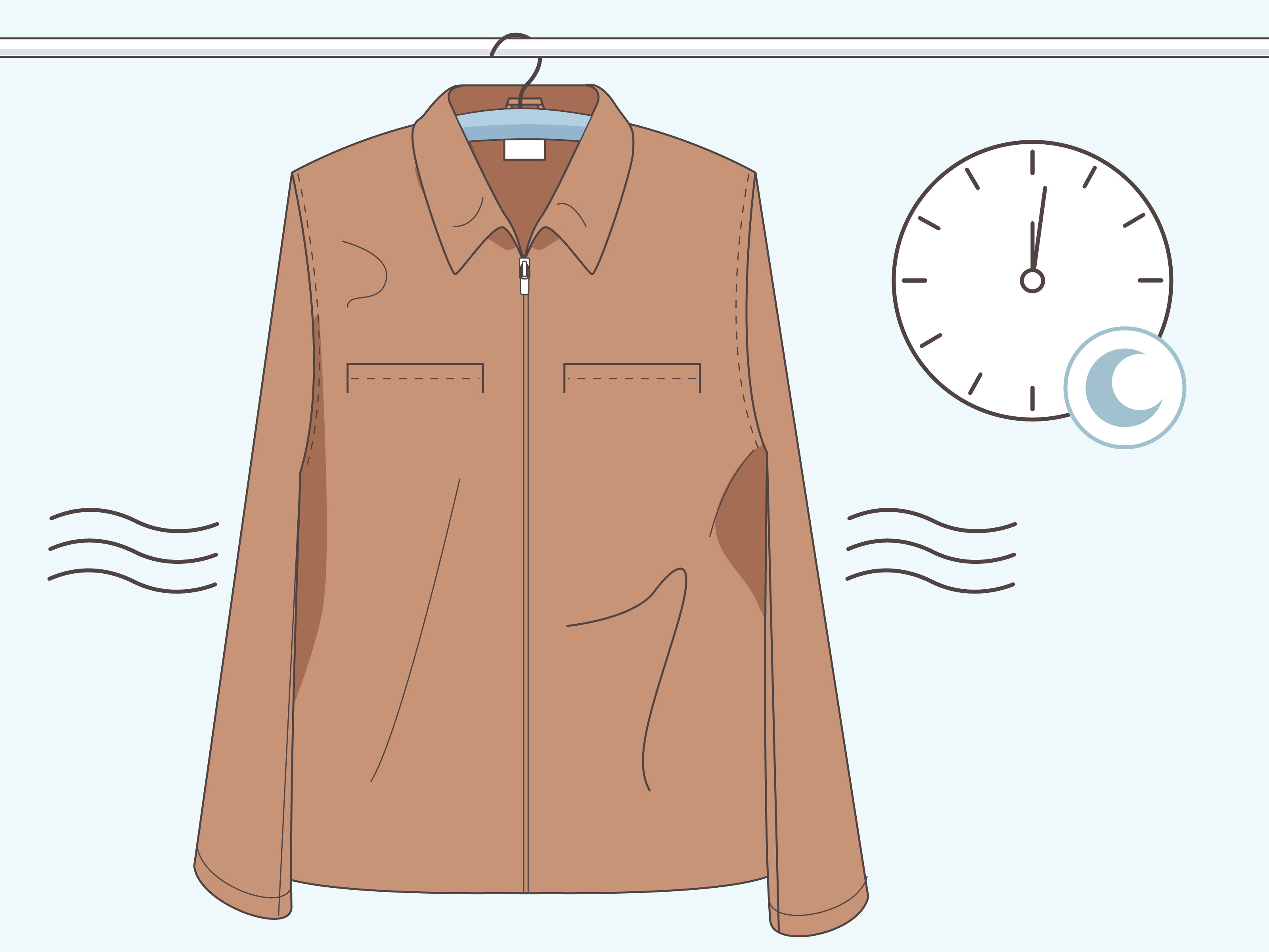
A leather jacket is one of those wardrobe pieces that can make you feel instantly cooler, even if you are only walking to the mailbox. But when that same jacket squeezes your shoulders like it is trying to win a wrestling match, the cool factor drops fast. The good news? Real leather naturally relaxes with wear, and with the right method, you can gently stretch a leather jacket without turning it into a sad, cracked souvenir.
Before we begin, let’s be clear: stretching leather is not the same as resizing a jacket. You can usually gain a little extra comfort in tight areas like the shoulders, chest, elbows, waist, or sleeves. You probably cannot turn a medium into an extra-large unless you also own a magic wand and a very patient cow. The goal is subtle improvement: a better fit, easier movement, and a jacket that feels broken-in rather than battle-ready.
This guide explains how to stretch a leather jacket in seven practical steps using safe, gradual techniques. You will learn how to soften leather, wear it strategically, use mild moisture or steam carefully, avoid common mistakes, and know when to call a professional leather specialist.
Can You Really Stretch a Leather Jacket?
Yes, a leather jacket can stretch, but only within reason. Leather is made from animal hide, which contains natural fibers. When those fibers are warm, conditioned, and gently moved, they become more flexible. That is why leather shoes, belts, gloves, and jackets often feel more comfortable after repeated use.
However, not every jacket stretches the same way. Full-grain and top-grain leather usually respond well to gradual stretching because they are durable and natural. Lambskin and goatskin are softer but more delicate, so they require a gentler touch. Suede and nubuck need special caution because water, oils, and heavy conditioners can stain or flatten the surface. Faux leather, meanwhile, does not stretch like real leather. It may loosen slightly at the seams, but the synthetic coating can crack if pulled too far.
In other words, leather is flexible, not inflatable. Treat it kindly and it may reward you with a better fit. Bully it, and it may punish you with creases, tears, discoloration, or that dreaded “what have I done?” feeling.
Before You Start: Check the Fit and Leather Type
Before stretching a leather jacket, put it on over the type of clothing you normally wear underneath. A T-shirt fit and a hoodie fit are two very different situations. Zip or button the jacket if possible, then move naturally: raise your arms, reach forward, sit down, and cross your arms. Notice where the tension happens.
Good Areas to Stretch
The best areas for light stretching are the shoulders, upper back, elbows, chest, waist, and sleeve openings. These areas naturally move with your body, so leather often relaxes there over time.
Risky Areas to Stretch
Be careful around seams, zippers, buttonholes, decorative stitching, lining, painted designs, and distressed finishes. These areas may not stretch evenly. Pulling too hard can damage the structure of the jacket before the leather itself gives way.
When Not to Stretch
Do not stretch a leather jacket if the leather is brittle, peeling, heavily cracked, moldy, wet through, or already tearing at the seams. In those cases, stretching is like asking a tired chair to become a trampoline. A professional leather cleaner or tailor is the smarter move.
How to Stretch a Leather Jacket: 7 Steps
Step 1: Clean the Jacket Gently First
Start with a clean surface. Dust, sweat, body oils, and dirt can settle into leather pores and make the material feel stiff. Use a soft, dry microfiber cloth to wipe the jacket. If there are light marks, use a barely damp cloth and gently dab the area. Do not soak the leather, scrub aggressively, or reach for harsh household cleaners.
For smooth leather, a pH-balanced leather cleaner can help remove buildup before conditioning. Always test any cleaner on a hidden area first, such as inside the hem or under the collar. Wait until the test spot dries before judging the result. If the color changes, the finish dulls, or the leather feels sticky, stop immediately.
Cleaning matters because conditioner and moisture work better on leather that is not coated with grime. Think of it like moisturizing your skin after washing your face, not after rolling around in a parking lot.
Step 2: Apply a Small Amount of Leather Conditioner
Leather conditioner is one of the safest tools for softening a tight leather jacket. It helps restore flexibility and makes the fibers more willing to move. Choose a conditioner made specifically for leather garments, not furniture polish, cooking oil, petroleum jelly, or “my cousin said this works” mystery goo.
Apply a small amount to a clean cloth and rub it gently into tight areas using circular motions. Focus on the shoulders, elbows, chest, or waist rather than drowning the entire jacket. Let the conditioner absorb according to the product directions, then buff away any excess with another clean cloth.
Less is more. Too much conditioner can darken leather, leave residue, clog pores, or make the jacket feel greasy. A well-conditioned jacket should feel supple, not like it has been dipped in salad dressing.
Step 3: Wear the Jacket Around the House
The safest way to stretch a leather jacket is also the least dramatic: wear it. Put the jacket on after conditioning and move around the house for 30 to 60 minutes. Bend your elbows, roll your shoulders, reach forward, and sit down. Natural body heat and motion help the leather mold to your shape.
If the jacket is only slightly tight, wear it over a thin shirt for the first session. If you need a little more room, wear a sweatshirt or thicker layer underneath. The extra layer creates gentle pressure from the inside, encouraging the leather to relax gradually.
Do not force the zipper if the jacket is too tight to close comfortably. A strained zipper can warp, break, or pull at the leather panels. Instead, wear the jacket open while moving your arms and shoulders. The goal is patient stretching, not a superhero transformation scene.
Step 4: Use the Layering Method for More Room
The layering method is ideal when you need a small amount of extra space in the chest, shoulders, or arms. Put on one or two layers underneath the jacket, such as a long-sleeve shirt and a hoodie. Then wear the jacket for short sessions while doing normal movements.
Try gentle stretches: reach both arms forward, clasp your hands, hug yourself lightly, raise your arms halfway, and rotate your shoulders. Hold each movement for a few seconds, then relax. Repeat several times during the session.
Do not do extreme poses, yank the sleeves, or perform a full gym workout in the jacket. Sweat can affect leather, and aggressive movement can stress seams. You are trying to convince the leather, not challenge it to a duel.
Step 5: Try Light Moisture Only If Needed
If wearing and conditioning are not enough, light moisture may help leather stretch. The key word is light. Use a spray bottle to mist only the tight areas, or wipe them with a slightly damp cloth. The leather should feel barely damp, not wet. Then wear the jacket and move gently until it begins to dry naturally.
This method can help because moisture temporarily relaxes leather fibers. However, water can also stain, darken, stiffen, or damage leather if overused. Never soak a leather jacket in water. Never put it in the washing machine. Never wear it in a rainstorm as a “stretching technique.” That is not leather care; that is leather chaos.
After the jacket dries naturally at room temperature, apply a small amount of conditioner if the leather feels dry. Keep it away from direct sunlight, radiators, fireplaces, dryers, or high heat. Heat may dry leather too quickly, causing cracking or shrinkage.
Step 6: Use Steam Carefully for Stubborn Tight Spots
Steam can soften leather, but it must be used with caution. Hold a garment steamer at a safe distance and lightly steam the tight area for only a few seconds. Do not saturate the leather. Once the area feels slightly warm and flexible, put the jacket on over a layer and move gently.
If you do not have a steamer, hanging the jacket in the bathroom while a hot shower runs nearby may create mild humidity. Keep the jacket away from direct water spray. Afterward, wear it briefly and move your arms, shoulders, or torso to encourage stretching.
Avoid using high heat from a hair dryer unless you are extremely careful. Direct heat can dry, shrink, or crack leather. If you use warm air, keep the dryer moving, use the lowest setting, and hold it several inches away from the jacket. The leather should become slightly pliable, not hot.
Step 7: Let the Jacket Rest, Then Repeat Gradually
Leather stretching works best in stages. After each session, hang the jacket on a wide, padded hanger and let it rest in a cool, dry area. Check the fit the next day. If it still feels tight, repeat the safest steps: condition lightly, wear it with layers, and move naturally.
Most jackets need several short sessions rather than one heroic stretching marathon. Gradual stretching helps the leather adapt without losing shape. It also gives you time to notice whether the jacket is improving or showing signs of stress.
If the jacket remains painfully tight after several attempts, it may simply be too small. A leather tailor may be able to adjust panels, replace side gussets, or modify seams, but there are limits. Sometimes the best stretching method is admitting the jacket belongs to someone with narrower shoulders and fewer snack-related ambitions.
Common Mistakes to Avoid When Stretching a Leather Jacket
Do Not Soak the Jacket
Too much water can damage leather, stain the finish, weaken the structure, or leave the jacket stiff after drying. Light dampening is different from soaking. If water is dripping, you have gone too far.
Do Not Use Rubbing Alcohol Casually
Some leather-stretching advice recommends alcohol, but it can strip oils, dry the leather, affect dye, and damage finishes. Unless a leather professional recommends a specific product for your jacket, avoid alcohol-based experiments.
Do Not Pull Hard on Seams
Leather panels may stretch, but stitching usually does not. Pulling near seams can cause puckering, thread breakage, or permanent distortion. Always stretch through wear and movement rather than brute force.
Do Not Use Heavy Oils
Products like coconut oil, olive oil, and thick greasy treatments can darken leather, create residue, and attract dirt. Use leather-specific conditioner and follow the directions.
Do Not Expect Miracles
A leather jacket may stretch about a small amount with careful wear, but it cannot be resized dramatically at home. If the jacket cuts into your arms, will not close at all, or restricts breathing, stretching is probably not enough.
How Much Can a Leather Jacket Stretch?
In most cases, a leather jacket can stretch enough to feel more comfortable but not enough to change sizes completely. You may notice better movement in the elbows, shoulders, and chest after several wears. The sleeves may relax slightly at the bends. The waist may feel less stiff. But the jacket’s basic cut will remain the same.
The amount of stretch depends on leather type, thickness, lining, construction, and age. A soft lambskin fashion jacket may relax faster than a thick motorcycle jacket. A lined jacket may feel more restrictive because the lining does not stretch like the leather shell. A vintage jacket may need conditioning before it can safely flex.
For best results, aim for comfort rather than size conversion. If you can already zip the jacket but feel some tightness when moving, stretching may help. If you cannot get your arms into the sleeves without making sound effects, look for a larger size or consult a pro.
When to Take Your Jacket to a Professional
Professional help is worth it when the jacket is expensive, vintage, designer, suede, heavily lined, or structurally tight. Leather specialists can evaluate whether the jacket can be stretched, softened, cleaned, repaired, or altered. They may use controlled equipment, garment forms, professional conditioners, or tailoring techniques that are safer than at-home guesswork.
Take the jacket to a professional if you notice cracking, peeling, color transfer, torn lining, broken stitching, tight armholes, or stress around the zipper. Also consider expert care if the jacket has sentimental value. Grandma’s vintage leather jacket deserves better than a bathroom steam experiment and blind optimism.
How to Keep a Leather Jacket Comfortable After Stretching
Once your jacket fits better, maintain it so it stays flexible. Wipe it down regularly with a soft cloth. Condition it occasionally based on wear, climate, and product directions. Store it on a wide hanger to support the shoulders. Keep it away from direct heat and sunlight. Let it breathe in a garment bag made from cotton or another breathable fabric instead of plastic.
Wear the jacket often enough to keep it broken in. Leather likes movement. A jacket abandoned in the back of a closet may stiffen over time, especially in dry environments. Think of it as a stylish pet: low maintenance, but not no maintenance.
Real-Life Experiences: What Stretching a Leather Jacket Actually Feels Like
Stretching a leather jacket is rarely an instant “before and after” moment. In real life, it feels more like negotiating with a stubborn but charming object. At first, the jacket may resist. The shoulders feel snug, the elbows complain when you bend them, and the zipper seems to judge your lunch choices. Then, after a few careful sessions, the leather begins to soften. The change is subtle but satisfying.
One common experience is the “new jacket stiffness” problem. A brand-new leather jacket can feel tight even when it is technically the correct size. The leather has not yet learned your body shape. In this case, the best solution is usually simple wear. Put it on while watching TV, answering emails, or making coffee. Move your arms every few minutes. After a week or two of short wear sessions, the jacket often feels less like armor and more like clothing.
Another common situation is the vintage jacket rescue. Vintage leather can be beautiful, but it may feel dry or stiff from years of storage. The first instinct is to stretch it immediately, but conditioning should come first. A small amount of leather conditioner can revive flexibility and reduce the risk of cracking. After conditioning, wearing the jacket over a light sweater can help it relax gradually. Patience matters here. Older leather has character, but it may also have trust issues.
People also run into trouble with jackets that fit in one area but not another. For example, the waist may be perfect, but the shoulders feel tight. Or the chest fits, but the elbows are stiff. Targeted stretching works best for these cases. Instead of treating the whole jacket, focus on the problem area. Condition the shoulders, wear the jacket over a thicker layer, and do gentle shoulder rolls. For elbows, bend and straighten your arms naturally while the leather is slightly softened. Small, repeated movements are more effective than one aggressive pull.
Some wearers find that the lining, not the leather, is the real issue. A leather shell may have room to stretch, but a polyester or satin lining can restrict movement. If your jacket pulls inside while the outside looks fine, stretching the leather may not solve the problem. A tailor may need to adjust the lining or check the armhole construction.
Weather can also affect the experience. In a dry climate, leather may feel stiff faster and need occasional conditioning. In humid areas, leather may soften more easily but also needs careful storage to prevent musty smells or mildew. After any moisture-based stretching, proper air drying is essential. Hang the jacket in a ventilated room and give it time. Do not rush the process with a heater. Leather has a dramatic personality when overheated, and cracking is its favorite tantrum.
The biggest lesson from real-world jacket stretching is this: slow stretching looks boring, but it works. The people who get the best results usually combine conditioning, wearing, layering, and patience. The people who get the worst results usually soak the jacket, blast it with heat, yank the seams, or use random oils from the kitchen. Your leather jacket is not pasta. Please do not treat it with olive oil and hope for the best.
A well-stretched leather jacket should still look like itself. It should not sag, wrinkle oddly, smell strange, or feel greasy. It should simply move better with your body. When done correctly, stretching does not ruin the jacket’s shape; it helps the jacket become more personal. That is the magic of leather. Over time, it collects your posture, your movements, your habits, and maybe a little of your personality. Ideally, it does not collect your panic from pulling too hard on the zipper.
Conclusion
Learning how to stretch a leather jacket is really about learning how to work with leather instead of fighting it. The safest approach is gradual: clean the jacket, condition it lightly, wear it often, use layers for gentle pressure, and apply moisture or steam only with caution. Real leather can relax and mold to your body, but it needs patience and care.
If your jacket is only slightly tight, these seven steps can help improve comfort without damaging the material. If it is extremely tight, fragile, suede, vintage, or expensive, professional leather care is the smarter option. A great leather jacket should feel confident, comfortable, and just rebellious enoughnot like it is trying to squeeze your ribs into a legal settlement.
Note: This article was written from a synthesis of reputable U.S. leather-care, garment-care, and professional cleaning guidance, including recommendations on conditioning, air drying, avoiding harsh heat, and using specialist care when needed. Always test products on a hidden area before applying them widely.