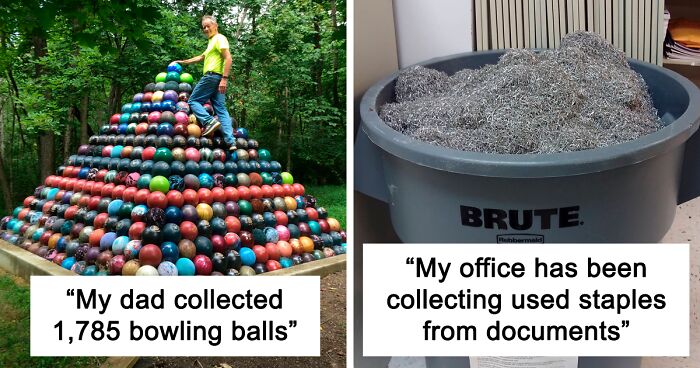
Note: This is an original editorial feature inspired by documented collecting practices. It does not reproduce individual contributor submissions or source-text phrasing.
Some people collect stamps. Some collect vinyl. And then there are the people who look at a motel key fob, a perfectly round pebble, or a tiny plastic dinosaur from a vending machine and think, “Yes. You belong with the others.”
Unique collections are proof that curiosity has absolutely no dress code. They can be elegant, nostalgic, educational, delightfully impractical, or so oddly specific that guests need a full minute to process what they are seeing. A collection may begin with one souvenir, one inherited box, one weekend flea-market find, or one object rescued from a sidewalk because it had “good vibes.”
What turns a random pile into a meaningful collection is intention. When objects are grouped by place, color, function, era, memory, or sheer glorious weirdness, they begin telling a story. Here are 50 fascinating collection ideas that show how ordinary things can become tiny museums of personality.
Why Unique Collections Are So Much Fun
Collecting is part treasure hunt, part time machine, and part excuse to say, “I only went in for coffee, but this 1970s promotional spoon was basically calling my name.” The appeal is not always financial value. Often, the value comes from the hunt, the memories attached to an item, or the satisfaction of noticing patterns that other people overlook.
A row of postcards can become a travel diary. A jar of beach glass can hold years of summer vacations. A pile of old employee badges can reveal a city’s industrial past. Even a collection of mismatched buttons can become a color study that would make a modern art gallery quietly jealous.
The best collections also have rules. Some collectors focus on a place, such as items from one hometown. Others limit themselves to a color, decade, material, or object type. Boundaries make the search more interesting. Without them, a collection can turn into a closet that has stopped believing in itself.
50 Unique Collections That Make Everyday Objects Extraordinary
Travel, Places, and Tiny Souvenirs
- Beach-Stone Alphabets: One collector gathers naturally shaped stones that resemble letters, then arranges them into words. It is part geology, part typography, and part scavenger hunt.
- Vintage Motel Key Tags: Bright plastic key fobs from old roadside motels preserve the cheerful design language of road trips before smartphone check-ins.
- Transit Tokens: Bus passes, subway tokens, and retired fare cards can trace the changing ways cities move their residents around.
- Postcards From Places Never Visited: A collector builds imaginary vacations through thrift-store postcards, handwritten notes, and faded tourist photography.
- Hotel Soap Wrappers: Tiny branded wrappers become miniature advertisements for vacations, business trips, and questionable continental breakfasts.
- Foldout Tourist Maps: These pocket maps are packed with old attractions, vanished restaurants, and roads that may no longer exist.
- Airport Luggage Tags: Retired baggage tags and airline labels make a colorful archive of travel before digital boarding passes took over.
- Souvenir Thimbles: Small, affordable, and wildly decorative, thimbles can represent cities, landmarks, animals, and more tiny castles than anyone expects.
- License Plate Fragments: Rather than collecting full plates, some people collect damaged or partial plates for their colors, typography, and local history.
- Restaurant Matchbooks: Old matchbooks preserve restaurant logos, diner slogans, and the kind of graphic design that once made a steakhouse feel glamorous.
Nature Finds With Big Personality
- Sea Glass by Color: Blue and red pieces are especially exciting, but even ordinary green glass can look magical when arranged in a sunlit jar.
- Shark Teeth Fossils: Fossil teeth offer a prehistoric thrill without requiring a backyard laboratory or a dramatic fedora.
- Pinecones From Different Regions: Pinecones vary far more than most people realize, from compact woody spirals to objects that look like dragon armor.
- Pressed Leaves: A carefully labeled leaf collection turns neighborhood walks into seasonal field research.
- Interesting Pebbles: Stripes, holes, quartz flecks, strange shapes, and smooth surfaces can make even a humble rock feel like a celebrity.
- Vintage Seed Packets: Old seed packets combine garden history, illustrated advertising, and vegetables wearing their best watercolor portraits.
- Shells Collected Responsibly: A shell collection can become a study in shape, texture, and shoreline memory when local rules are respected.
- Miniature Cacti Pots: Rather than collecting plants themselves, one person might collect tiny containers designed for small desert residents.
- Natural Heart Shapes: Stones, leaves, shells, and pieces of wood that resemble hearts make a surprisingly sweet visual archive.
- Unusual Tree Bark Photos: A digital collection of bark textures turns ordinary walks into an ongoing art project.
Vintage Objects That Refuse to Retire
- Old Employee Badges: Factory badges, store IDs, and company pins can preserve the design and labor history of a town.
- Vintage Cameras: Cameras are beautiful even when they no longer work. Their knobs, leather cases, and metal details practically demand shelf space.
- Typewriter Keys: A collector may gather loose keys, broken machines, or entire typewriters simply for the wonderful click-clack romance of old writing.
- Rotary Telephones: These phones prove that calling someone once involved both patience and finger exercise.
- Old Pocket Calendars: Tiny calendars from banks, pharmacies, and local businesses capture the visual language of past decades.
- Vintage Pharmacy Labels: Colorful medicine labels, apothecary bottles, and old packaging show how design once made even cough syrup look mysterious.
- Mechanical Pencils: Some collectors love the engineering of vintage pencils, especially models with unusual clips, erasers, or built-in rulers.
- Old Playing Cards: Decks from hotels, airlines, casinos, and long-closed shops offer tiny snapshots of commercial art.
- Lunch Boxes: Metal lunch boxes can carry memories of cartoons, superheroes, space travel, and sandwiches wrapped in foil.
- Advertising Tins: Coffee tins, candy tins, and biscuit tins are useful, decorative, and suspiciously good at multiplying in kitchens.
Small Objects, Serious Commitment
- Dice: A dice collection can include casino dice, handmade dice, novelty dice, tiny dice, giant dice, and dice that look far too fancy for board game night.
- Cocktail Stirrers: Plastic swizzle sticks from hotels, airlines, restaurants, and events are miniature pieces of advertising history.
- Buttons and Pins: Political buttons, concert pins, enamel pins, and vintage campaign buttons can create a wearable timeline.
- Keychains: A keychain collection can quickly become an encyclopedia of vacation spots, brands, sports teams, and forgotten local attractions.
- Novelty Erasers: Food-shaped erasers, animal erasers, glow-in-the-dark erasers, and erasers too cute to use all deserve a second life on display.
- Salt and Pepper Shakers: Collectors often choose pairs shaped like vegetables, animals, landmarks, or characters that look mildly confused.
- Miniature Books: Tiny books can be serious literary artifacts, dollhouse accessories, religious texts, or simply proof that small things are irresistible.
- Foreign Coins: Coins can connect a collector to world geography, historical leaders, national symbols, and currency designs from around the globe.
- Vintage Stamps: Stamp collecting remains a satisfying mix of history, design, geography, and the joy of finding one little rectangle that completes a page.
- Thread Spools: Wooden spools, colorful thread labels, and sewing ephemera create a charming collection that feels both practical and nostalgic.
Collections That Make Guests Ask Questions
- Ceramic Food: Decorative ceramic pies, fruit, vegetables, and pastries are ideal for people who appreciate food but do not want crumbs near the display case.
- Animal-Shaped Mugs: A mug collection becomes much more entertaining when every cup has ears, a beak, a tail, or an expression of deep concern.
- Vintage Exit-Sign Graphics: Collectors interested in typography may seek legally acquired signs, printed labels, or photographs of old emergency signage.
- Oddball Fridge Magnets: A refrigerator can become a rotating museum of tiny souvenirs, jokes, museum-shop finds, and possibly one alarming rubber lobster.
- Old Recipe Cards: Handwritten recipe cards often hold more personality than cookbooks, including stains, substitutions, and notes like “DO NOT OVERBAKE.”
- Specialty Spoons: Decorative spoons from museums, hotels, cities, and historic landmarks turn a kitchen drawer into a surprisingly elegant archive.
- Board Game Pieces: Lost pawns, odd dice, miniature tokens, and game pieces from incomplete sets can become a colorful collection of playful leftovers.
- Vintage Shopping Lists: Old grocery lists are tiny windows into everyday life, revealing meal plans, handwriting styles, and the eternal need for more milk.
- Single Gloves: A humorous collector may rescue lone gloves and photograph them as mysterious fashion artifacts abandoned by civilization.
- Things That Look Like Faces: Knobs, outlets, clouds, potatoes, car grilles, and tree trunks can all become part of a digital collection of accidental faces.
How to Start a Collection Without Turning Your Home Into a Storage Unit
The easiest way to begin is to choose a theme that already makes you pause. Maybe you always notice old signs, small animals on mugs, unusual rocks, or colorful packaging. Start with a tiny rule: only objects under five inches, only items from one state, only finds under ten dollars, or only pieces that have a story.
Document each item as you go. A simple notebook or spreadsheet can record where you found it, when you got it, what it cost, and why it matters. Those notes often become as valuable as the objects themselves. Fifty similar items can blur together; one sentence about the day you found each one brings the entire collection back to life.
Care matters, too. Keep paper items away from moisture and direct sunlight. Store fragile photos, letters, and postcards in quality folders or sleeves. Keep heavy objects from crushing delicate ones. Display fewer pieces at a time, rotate favorites, and clean the shelves occasionally. Dust is not a collector’s item, no matter how vintage it looks.
The Collector’s Experience: Why the Hunt Sticks With You
The experience of collecting is rarely about owning the most expensive thing in the room. It is about noticing. A collector learns to slow down in places other people rush through: thrift stores, flea markets, antique malls, beach paths, family attics, library sales, and the mysterious bottom shelf of a relative’s garage. The object may be small, but the moment of discovery can feel enormous.
There is also a special kind of hope built into collecting. Every outing becomes a possibility. You might leave an estate sale with nothing but a cup of coffee and a sunburn. Or you might find the exact postcard, tin, pin, or token that fills a gap you have been staring at for six months. That possibility makes ordinary errands feel a little more cinematic. Suddenly, picking up groceries includes a detour through a charity shop because destiny may be hiding near the used lamps.
Collections can create conversations, too. A wall of old maps invites people to point out places they have lived. A jar of beach glass makes guests tell vacation stories. A shelf of animal mugs exposes everyone’s secret favorite creature. Even the most unusual collection can become a bridge between people because objects are surprisingly good at unlocking memories.
The routine of arranging, labeling, cleaning, and displaying a collection can also be calming. It creates a manageable world with its own order. You decide what belongs, how it is grouped, and which item gets the prized front-row spot. For people whose days are filled with deadlines, notifications, and laundry that appears to reproduce overnight, this kind of small control can feel wonderfully satisfying.
Of course, every collector eventually faces the same question: where will the next item go? That is when the hobby becomes an exercise in editing. The smartest collectors learn that saying no is part of saying yes. A collection grows stronger when each new piece earns its place through beauty, history, usefulness, humor, or a story worth retelling.
In the end, a unique collection is a portrait without a frame. It shows what someone notices, what they remember, what makes them laugh, and what they refuse to let disappear. Whether it is a single shelf of strange mugs or a carefully cataloged archive of old transit tokens, every collection says the same thing: somebody looked at this ordinary object and saw a reason to keep it.