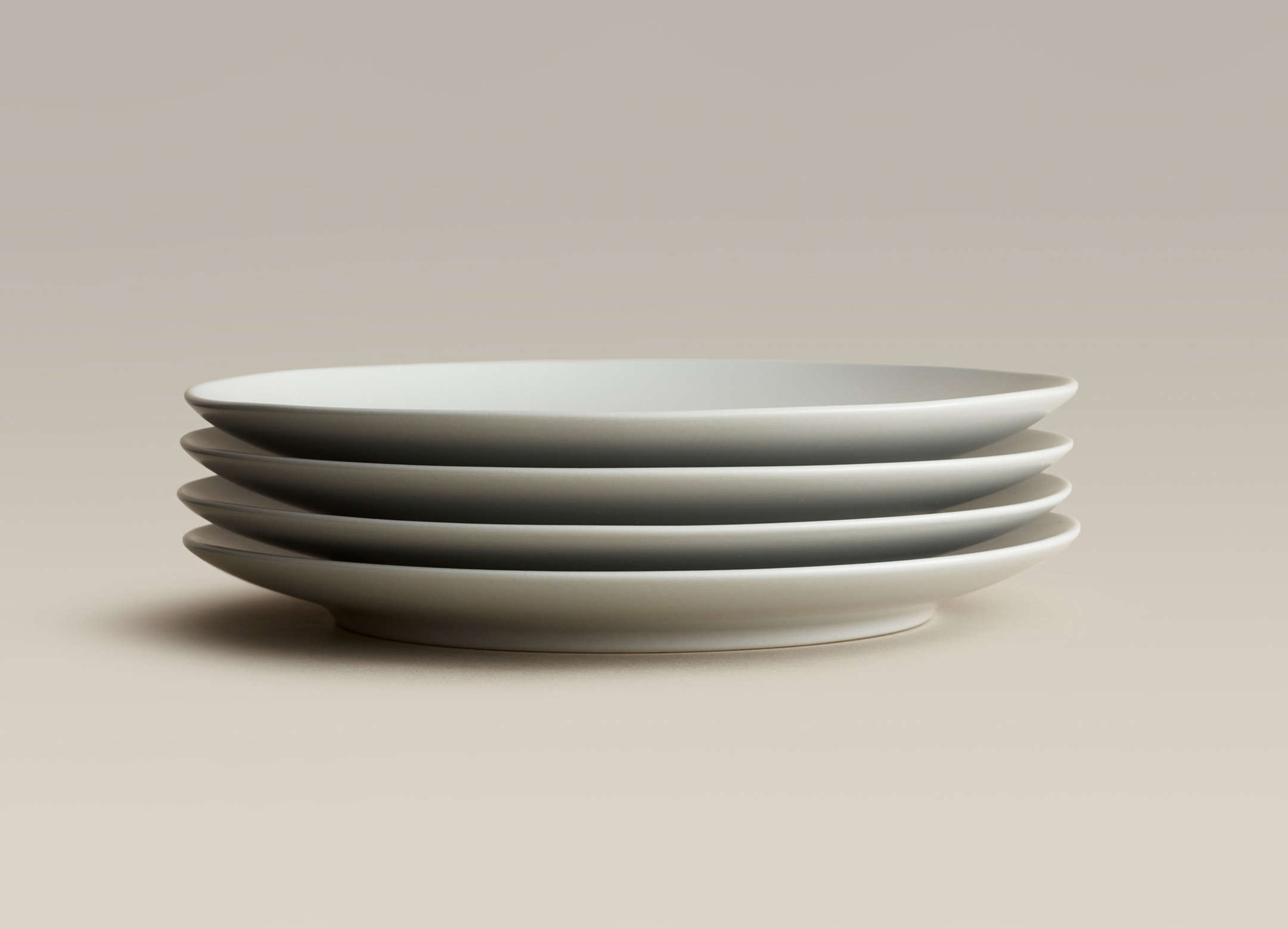
Some kitchen objects quietly do their job. Others seem to whisper, “Go ahead, put the cookie on me. I was born for this.” Year & Day Ceramics’s Small Plates belong to the second group. They are simple, rimless, coupe-style ceramic plates designed for salads, desserts, snacks, appetizers, side dishes, and those deeply important “I am not hungry, but I will stand near the counter eating cheese” moments.
At first glance, these small plates look almost too modest to be interesting. No scalloped edge. No gold peacock. No dramatic floral border that looks like it inherited a Tuscan villa. But that restraint is the whole point. Year & Day has built its dinnerware around clean shapes, soft colors, everyday durability, and a modern table aesthetic that does not require you to own linen napkins named after Italian grandmothers.
This article takes a close look at the design, function, styling potential, care requirements, and everyday value of Year & Day Small Plates. We will also explore how they fit into the broader world of ceramic dinnerware, minimalist table settings, and the growing love for small-plate dining at home. Spoiler: they are not just for salad, unless your salad happens to be a brownie wearing a tiny hat.
What Are Year & Day Ceramics’s Small Plates?
Year & Day’s Small Plates are ceramic plates sold in sets of four. The brand describes them as rimless, coupe-style plates with an elegant semi-matte glaze. Each plate measures about 8.25 inches in diameter and 1 inch tall, placing it in that highly useful zone between a tiny bread plate and a full dinner plate. In practical terms, that means it can handle a slice of cake, a starter salad, toast, roasted vegetables, fruit, appetizers, a sandwich, or a suspiciously large “small” snack.
The plates are made in Portugal using locally sourced clay, and the brand emphasizes its European production partners, responsible manufacturing approach, and single-fire process intended to reduce emissions. They are also marketed as safe for the dishwasher, freezer, microwave, and oven up to 480 degrees Fahrenheit. That level of versatility matters because nobody wants dinnerware that behaves like a delicate museum artifact every time leftover pasta enters the chat.
Design Analysis: Minimal, But Not Boring
The first major design feature is the rimless coupe shape. Traditional plates often have a flat center with a pronounced rim. Coupe plates, by contrast, curve gently upward at the edge. This creates a cleaner visual line and gives the food more room to be the star. A coupe plate is especially useful when you want a relaxed, modern look without making the table feel sterile.
On Year & Day’s Small Plates, the coupe profile also helps with stacking. The brand specifically notes that the Small Plate stacks nicely on its Big Plate, which is useful for layered table settings. If you like the look of a composed place setting but do not want the table to resemble a hotel banquet rehearsal, this shape works well.
The Semi-Matte Glaze
The semi-matte finish is one of the reasons these plates look current without feeling trendy in the “you will regret this in fourteen months” sense. Glossy dinnerware can look polished and classic, but matte and semi-matte surfaces often feel warmer and more relaxed. The Year & Day finish sits in the middle: soft enough to look modern, refined enough to dress up dinner, and practical enough for weekday use.
That semi-matte glaze also supports the brand’s coastal-inspired palette. Depending on availability, colors may include shades such as Moon, Fog, Midnight, Daybreak, Palm, Balsam, Plum, Dune, Canyon, and Lagoon. The names are very “California weekend with good lighting,” but the colors are genuinely versatile. Moon and Fog lean neutral. Midnight brings contrast. Daybreak adds a gentle blush tone. Balsam and Palm give the table a natural green note. Canyon and Lagoon add warmth or depth without shouting over the food.
Why the 8.25-Inch Size Works So Well
A small plate around 8 inches is one of the hardest-working pieces in a kitchen. Dinner plates are useful, of course, but they can feel oversized for breakfast toast, a single pastry, a lunch salad, or a few snacks. Tiny dessert plates are cute until your sandwich hangs over the side like it is trying to escape. Year & Day’s 8.25-inch Small Plate hits a smart middle ground.
For everyday use, this size is excellent for eggs and toast, avocado toast, a grain salad, fruit and yogurt, a slice of quiche, roasted carrots, a muffin, a wedge of cake, or cheese and crackers. For hosting, it works for appetizers, tapas-style dinners, side plates, bread service, desserts, and shared bites. It also helps control table clutter. Instead of pulling out a large dinner plate for every little thing, you can reach for a plate that matches the moment.
Small Plates Make Casual Hosting Easier
Small-plate dining has become popular for a reason: it is social, flexible, and less intimidating than a formal three-course dinner. A table with olives, dips, roasted vegetables, crostini, fruit, cheese, small salads, and dessert bites invites people to graze and talk. Nobody has to sit frozen in front of a giant entrée wondering which fork is emotionally appropriate.
Year & Day Small Plates fit this style because they look polished but not fussy. You can use them for a relaxed dinner party, a holiday appetizer spread, a Sunday brunch, or a weeknight meal where everyone builds their own plate. They support the modern hosting mood: thoughtful, stylish, and very much not interested in polishing silver for three hours.
How Year & Day Small Plates Compare to Typical Ceramic Dinnerware
Ceramic dinnerware is a broad category that can include earthenware, stoneware, porcelain, and other fired clay bodies. In general, good everyday ceramic dinnerware should balance beauty, durability, heat tolerance, cleanability, and comfort in the hand. Year & Day’s plates lean into the modern stoneware-style experience: solid, refined, softly glazed, and made for daily use rather than occasional display.
Compared with ultra-thin porcelain, these small plates feel more casual and grounded. Compared with rustic handmade pottery, they look more consistent and streamlined. Compared with mass-market glossy plates, they have a softer design language that feels more curated. The result is dinnerware that can sit comfortably in several home styles: minimalist, coastal, modern farmhouse, Scandinavian-inspired, organic modern, or the increasingly popular “I bought one nice thing and now my toast looks wealthy” aesthetic.
Durability and Care
The strongest practical argument for these plates is their care profile. A plate that can go in the dishwasher, microwave, freezer, and oven up to 480 degrees Fahrenheit is designed for real kitchens. That means reheating leftovers, chilling desserts, warming appetizers, and cleaning up without a ceremonial hand-washing ritual.
Still, ceramic plates deserve basic respect. Avoid sudden extreme temperature shifts, such as moving a frozen plate directly into a very hot oven. Do not bang them together in the sink like you are auditioning for a cookware percussion band. Use normal dishwasher spacing so edges do not grind against each other. These habits help preserve the finish and reduce the risk of chips over time.
Best Uses for Year & Day Ceramics’s Small Plates
The real charm of these plates is how often they make sense. They are not a niche item. They are the plate you reach for before you have finished deciding what you are eating.
1. Breakfast and Brunch
Use them for toast, eggs, pancakes, fruit, a breakfast sandwich, or a croissant. The low coupe shape gives enough surface area for plating without making breakfast look lonely. A Daybreak or Moon plate with berries and yogurt can make a regular Tuesday feel like it has a publicist.
2. Appetizers and Shared Bites
Small plates are perfect for olives, crostini, deviled eggs, roasted nuts, mini sandwiches, stuffed mushrooms, and cheeses. If you are serving several small dishes, matching plates create visual calm. Mixed colors can create a more relaxed, collected look.
3. Salad and Side Dishes
The plate is small enough for a side salad but large enough to avoid the sad “lettuce pile in a saucer” effect. It also works well for roasted vegetables, bread, rice, potatoes, or seasonal fruit.
4. Desserts
This may be the plate’s secret superpower. Cookies, cake, pie, brownies, fruit tarts, and ice cream sandwiches look great on a simple ceramic surface. A neutral plate makes dessert pop. A darker plate makes whipped cream and powdered sugar look dramatic, like dessert just got a film deal.
5. Everyday Snacks
Not every plate has to be part of a tablescape. Sometimes the plate is for apple slices, crackers, peanut butter toast, or one excellent cookie eaten while answering emails. Year & Day Small Plates feel nice enough to elevate those moments without being too precious for them.
Styling Ideas for a Better Table
Because Year & Day Small Plates are simple, they pair easily with different textures and colors. For a calm, modern table, use Moon or Fog plates with linen napkins, clear glassware, and matte flatware. For contrast, pair Midnight plates with pale food, white linens, or brass-toned accents. For a nature-inspired table, mix Balsam, Palm, or Dune with wood boards and simple greenery.
A mix-and-match approach can work especially well. Instead of buying every piece in one color, choose two compatible colors and repeat them across the table. Moon and Fog feel airy. Daybreak and Midnight create contrast. Palm and Dune feel earthy. This method keeps the table visually interesting while still looking intentional.
Food Presentation Tips
Because the plates have a clean coupe shape, the food becomes the main decoration. Keep plating relaxed but deliberate. Place cake slightly off-center. Add a small pile of greens beside a sandwich. Use herbs, lemon wedges, flaky salt, or sauce as simple finishing touches. The plate does not need a dramatic restaurant swoosh, unless you enjoy explaining to guests why the yogurt has taken a journey across the ceramic.
Who Should Consider Buying These Small Plates?
Year & Day Ceramics’s Small Plates are a strong fit for people who want dinnerware that looks elevated but works hard. They are especially useful for small households, frequent snackers, casual hosts, design-minded home cooks, apartment dwellers, and anyone building a dinnerware collection piece by piece.
They also make sense for people who prefer fewer, better items. Instead of keeping separate bread plates, dessert plates, appetizer plates, and snack plates, one well-designed small plate can cover many roles. That is a major advantage in smaller kitchens where cabinet space is valuable real estate and every extra dish has to justify its rent.
Who Might Not Love Them?
If you prefer ornate dinnerware, highly glossy finishes, ultra-light porcelain, or plates with raised decorative rims, Year & Day’s minimalist look may feel too restrained. If you want bargain-basement pricing, these are also not the cheapest small plates available. The appeal is in the combination of design, utility, European production, and everyday versatility, not in being the lowest-cost option on the shelf.
Value: Are They Worth It?
The value depends on how you use your kitchen. If small plates rarely leave your cabinet, then almost any basic option may do. But if you use small plates daily for breakfast, snacks, sides, desserts, or hosting, the Year & Day version offers a compelling blend of form and function.
The best dinnerware does more than hold food. It changes how food feels. A simple salad looks fresher. A sandwich looks less like a rushed lunch and more like a choice. A cookie looks like dessert instead of evidence. That emotional upgrade is part of the product’s value. You are not only buying ceramic; you are buying the tiny satisfaction of making everyday meals look a little more considered.
Care Tips to Keep Them Looking Good
Even though these plates are designed for everyday use, a few habits can help them last longer. Load them vertically in the dishwasher with space between pieces. Avoid using abrasive scrubbers unless absolutely necessary. Let hot plates cool before rinsing them with cold water. Stack them neatly rather than sliding them aggressively across one another. If utensil marks appear on a semi-matte surface, try a gentle ceramic-safe cleaner before assuming the plate is damaged.
Also, inspect any ceramic dinnerware regularly for deep cracks or serious chips, especially if the chipped area touches food. Modern food-safe ceramics from reputable brands are generally made for use, but damaged surfaces can become harder to clean properly. When in doubt, retire a badly chipped plate from food service and let it hold keys, jewelry, or the mysterious screws everyone keeps “just in case.”
Real-Life Experience: Living With Year & Day Ceramics’s Small Plates
Using Year & Day Ceramics’s Small Plates in daily life feels a little like discovering the correct size of plate after years of overcommitting. A dinner plate is often too large for a quick snack, while a tiny dessert plate can feel cramped. These small plates land in the sweet spot. They make a piece of toast look intentional, a few strawberries look styled, and a leftover slice of pizza look like it has finally gotten its life together.
In a typical morning routine, the small plate is the one that comes out first. It is big enough for toast with eggs, a croissant with fruit, or a small stack of pancakes. The rimless coupe shape keeps everything looking clean, and the semi-matte finish photographs well if you are the kind of person who occasionally takes a picture of breakfast before remembering you are not a lifestyle magazine. The plate does not fight with the food. It simply frames it.
At lunch, the plate works well for lighter meals. Think half a sandwich with a handful of chips, a simple salad with roasted chicken, or rice with vegetables and a fried egg. Because the plate is not oversized, portions look satisfying rather than lost. This is an underrated detail. On a giant plate, a modest lunch can look like a mistake. On an 8.25-inch plate, it looks balanced and complete.
For hosting, the experience gets even better. A set of four can serve appetizers or desserts for a small gathering. Two sets can support a more flexible table with snacks, sides, bread, and sweets. The plates are easy to mix into a buffet because they stack neatly and do not take over the table. Guests can hold them comfortably while talking, which is important because nobody wants to juggle a heavy dinner plate, a glass, and a conversation about sourdough starters at the same time.
The colors also change the mood. A neutral shade such as Moon or Fog makes food look bright and clean. A darker shade such as Midnight adds drama to pale desserts, cheeses, or citrus. Green and earth-toned colors feel relaxed with vegetables, grains, and casual meals. The palette makes it easy to build a table that feels coordinated without matching every item like a department-store display from 1998.
Cleanup is refreshingly ordinary, which is exactly what everyday dinnerware should be. The plates can go into the dishwasher, and because they are small, they fit easily in most racks. They are also microwave-friendly, so reheating a small portion does not require transferring food to another dish. That may sound like a minor convenience, but small conveniences are what make a kitchen feel good to use. Nobody writes poetry about avoiding extra dishes, but perhaps we should.
The main adjustment is treating the semi-matte surface with reasonable care. It is not fragile, but it benefits from gentle handling. Avoid dragging metal utensils harshly across the surface, do not stack them with gritty crumbs between plates, and give them normal breathing room in the dishwasher. In return, they bring a quiet polish to daily eating without demanding special treatment.
After repeated use, the biggest impression is versatility. These plates do not wait for a special occasion. They show up for breakfast, snacks, sides, desserts, and casual dinners. They make simple food look more appealing and make hosting feel less complicated. That is the real advantage of a well-designed small plate: it earns its cabinet space every day.
Final Verdict
Year & Day Ceramics’s Small Plates are a smart choice for anyone who wants modern ceramic dinnerware with everyday practicality. Their rimless coupe shape, semi-matte glaze, useful 8.25-inch size, Portuguese craftsmanship, and broad care compatibility make them more than just pretty plates. They are hardworking pieces that support real meals, real snacks, real hosting, and real dishwashers.
They may look quiet, but that is their strength. They do not need ornate patterns or dramatic edges to make a table feel finished. They bring balance, warmth, and flexibility to the kitchen. Whether you are serving salad, dessert, appetizers, or a noble pile of crackers and cheese, these small plates make the moment feel slightly more put together. And honestly, in modern life, “slightly more put together” is practically a luxury category.