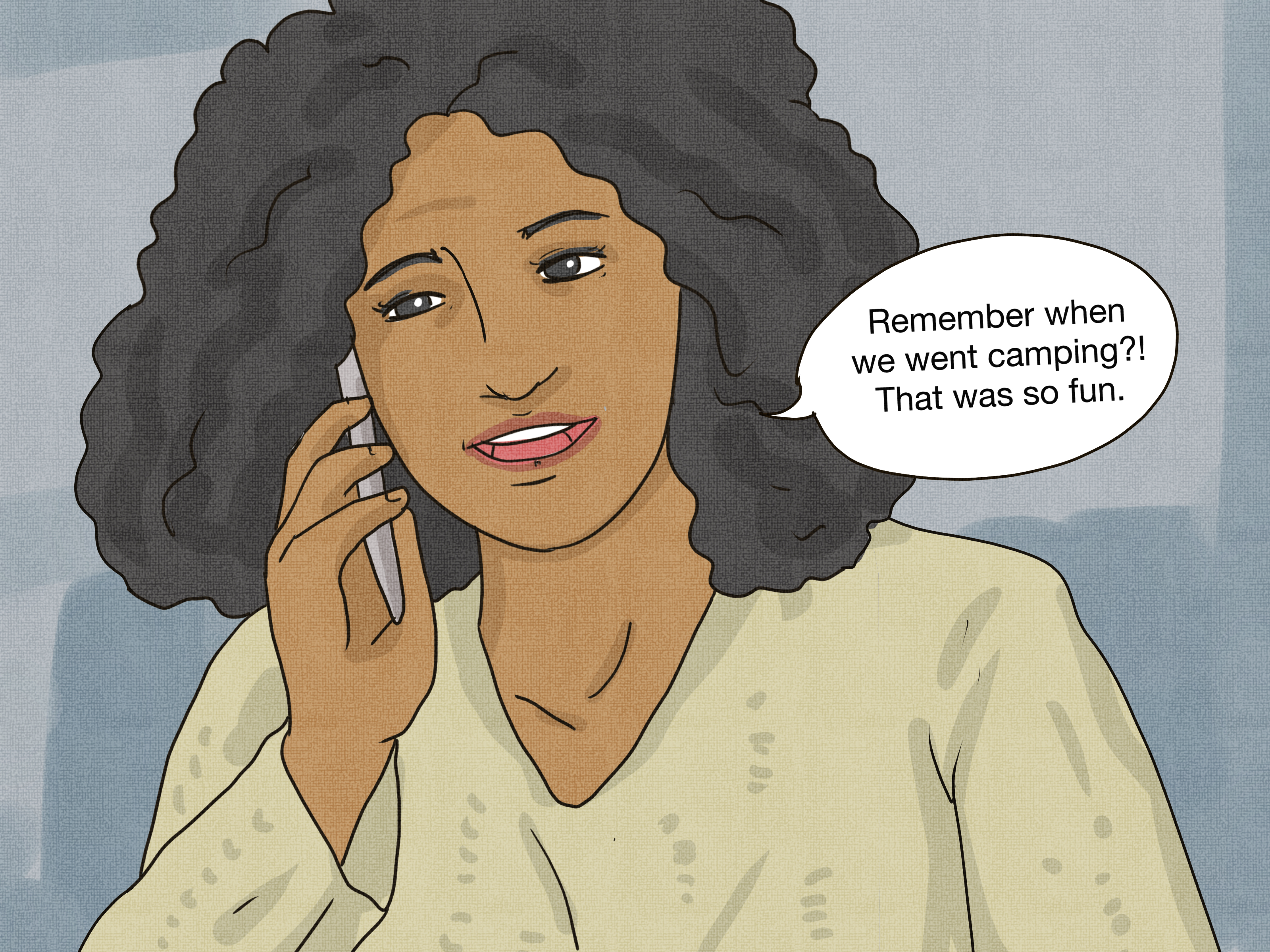
Getting a man to commit in a long distance relationship is not about magic texts, dramatic silence, or pretending you are busier than the president during tax season. Real commitment grows from emotional safety, honest communication, shared plans, and the quiet proof that both people are choosing the relationship on purpose.
Can Commitment Really Grow From a Distance?
Yes, a long distance relationship can become serious, secure, and deeply committed. But it needs more than cute goodnight texts and the occasional “I miss your face.” Distance removes many of the automatic bonding moments couples get when they live nearby: grocery runs, lazy Sundays, spontaneous hugs, and arguing over what to order for dinner. Because of that, you have to build closeness more intentionally.
The good news is that intentional love can be powerful. When couples communicate well, respect each other’s independence, make time for emotional intimacy, and create a realistic future plan, long distance can become less of a romantic obstacle course and more of a relationship gym. Yes, it still burns. But it can build strength.
Before we jump in, one important truth: you cannot force a man to commit. You can inspire commitment, invite clarity, and create the kind of relationship where commitment makes sense. But if he wants all the benefits of being loved without any responsibility, that is not a long distance problem. That is a him problem wearing airplane miles.
15 Ways to Get Him to Commit in a Long Distance Relationship
1. Stop Chasing Commitment and Start Creating Clarity
If you want him to commit, the first step is not to ask “How do I make him choose me?” The better question is, “Are we both building the same relationship?” Commitment needs clarity. Without it, you may be emotionally planning a future while he is casually enjoying a vibe with Wi-Fi.
Have a calm conversation about what the relationship means. Ask direct but non-pressuring questions: “Are we exclusive?” “Do you see this becoming long-term?” “What would commitment look like for us while we live apart?” These questions are not needy. They are healthy. Confusion is not romantic; it is exhausting with better lighting.
2. Build a Communication Rhythm That Feels Reliable
Long distance love survives on communication, but not all communication is equal. Sending 74 memes a day does not automatically equal emotional closeness. A strong communication rhythm includes regular check-ins, meaningful conversations, playful moments, and space for both people to live their lives.
Instead of demanding constant contact, agree on a rhythm. Maybe you text during the day and have a video call three nights a week. Maybe Sunday is your longer “relationship reset” call. The point is consistency. When he knows when and how you connect, the relationship feels less like a guessing game and more like a shared priority.
3. Make Him Feel Emotionally Safe With You
Men commit more easily when a relationship feels emotionally safe, not when it feels like a courtroom drama where every late reply becomes Exhibit A. Emotional safety means both partners can be honest without being punished, mocked, or instantly misunderstood.
If he shares stress, listen before solving. If he admits fear about the distance, do not panic and turn it into a breakup prophecy. Respond with curiosity: “What part feels hardest for you?” or “How can we make this feel more manageable?” Emotional safety does not mean accepting bad behavior. It means creating a relationship where truth is welcome.
4. Be Honest About Your Needs Without Apologizing for Having Them
If you want commitment, you must know your own needs. Do you need exclusivity? Weekly video calls? A plan to visit? A timeline for living in the same city? Say it clearly. Many people try to look “low maintenance” in long distance relationships, then privately suffer when their needs are not met.
There is a difference between expressing needs and issuing ultimatums every Tuesday. Try: “I feel most secure when we have our next visit planned,” instead of “If you loved me, you would already be booking flights.” The first invites teamwork. The second invites emotional duck-and-cover.
5. Keep Your Own Life Full and Interesting
One of the most attractive things you can do in a long distance relationship is continue being a whole person. Keep your friends, hobbies, workouts, goals, and routines. A man is more likely to commit when he sees that being with you adds to your life, not that he has become your entire emotional oxygen supply.
This is not about playing hard to get. It is about being healthy to love. When you have a life outside the relationship, you bring energy, stories, and confidence into the connection. Plus, it prevents the classic long-distance spiral: staring at your phone like it owes you rent.
6. Create Shared Rituals That Make the Relationship Feel Real
Commitment grows through repeated experiences. Since you cannot always share physical space, create rituals that make the bond feel steady. Watch a show together every Friday. Send morning voice notes. Cook the same recipe on video. Read the same book. Share a photo from your day before bed.
Small rituals tell the brain, “This relationship has a pattern. This person is part of my life.” That matters. Love is not only built in grand airport reunions with cinematic hugs. It is also built in tiny habits that say, “I am still here.”
7. Talk About the Future Without Turning Every Call Into a Planning Meeting
A long distance relationship needs a future plan. Without one, distance can start to feel endless. However, if every conversation becomes “When are you moving? What is the timeline? What are we doing? Please answer in spreadsheet format,” romance may quietly leave the chat.
Balance future talk with present connection. Discuss the big things: where you both want to live, career plans, family expectations, finances, and what closing the distance could look like. Then also laugh, flirt, and talk about normal life. Commitment needs direction, but it also needs joy.
8. Let Him Invest Effort, Time, and Planning
If you do all the calling, all the visiting, all the planning, and all the emotional maintenance, you may not be building commitment. You may be running a one-woman relationship department with no paid vacation.
Let him show effort. Let him suggest call times, plan visits, remember important dates, and initiate conversations. Commitment becomes stronger when both people invest. If he consistently avoids effort, believe the pattern. A man who wants a future with you will not make you feel like you are dragging the relationship uphill in flip-flops.
9. Build Trust Through Transparency, Not Surveillance
Trust is essential in a long distance relationship because you cannot physically see each other’s daily lives. But trust does not come from demanding passwords, checking locations, or interrogating him every time he goes out. That kind of surveillance may create control, but it rarely creates closeness.
Healthy transparency looks different. You both share plans naturally. You introduce each other to friends when possible. You talk openly about boundaries with exes, social media, partying, and emotional intimacy with other people. Trust grows when behavior is consistent and both people feel respected.
10. Be Playful and Romantic, Not Just Serious and Strategic
Commitment is not built only through heavy conversations. It also grows through pleasure. Flirt. Send a funny selfie. Plan a virtual date. Mail a handwritten note. Create inside jokes. Tell him what you appreciate about him. Let the relationship feel like a place he wants to return to, not a performance review with better emojis.
Long distance can become overly logistical: time zones, flights, calendars, budgets. Those things matter, but romance matters too. A man is more likely to commit when the connection feels warm, alive, and emotionally rewarding.
11. Handle Conflict Like a Team
Every couple has conflict. Long distance couples just have to do it without the benefit of a reassuring hand squeeze or a shared pizza afterward. That means conflict skills matter. Avoid texting through major disagreements when emotions are high. Tone gets lost, assumptions multiply, and suddenly “OK” becomes a war crime.
Use video or phone for serious issues. Start with “I feel” instead of “You always.” Focus on the problem, not his character. For example: “I felt hurt when our call was canceled without another plan,” is more productive than “You clearly do not care.” The goal is repair, not victory.
12. Do Not Reward Half-Commitment Forever
If he wants exclusivity from you but refuses to define the relationship, that is a red flag with a passport. If he expects emotional support, loyalty, and patience but avoids accountability, you need to notice the imbalance.
Commitment grows when standards are clear. You can say, “I care about you, and I am open to building this, but I cannot stay in an undefined relationship indefinitely.” That is not pressure. That is self-respect. The right man may need time, but he will not need endless loopholes.
13. Plan Visits With Intention
Visits are the oxygen of many long distance relationships. They give you physical connection, shared memories, and a reality check. But do not make every visit so packed with activities that you never see how you function together in normal life.
Spend time doing everyday things: cooking, running errands, relaxing, meeting friends, discussing routines. Commitment is not only about vacation chemistry. It is about whether your lives can blend when the airport glow fades and someone has to unload the dishwasher.
14. Discuss What Closing the Distance Would Actually Require
At some point, a serious long distance relationship needs a closing-the-distance conversation. Who would move? When? What about jobs, school, family, housing, finances, visas, or personal goals? Love is beautiful, but rent still arrives with the confidence of a villain.
This conversation should be practical, not panicked. You do not need every answer immediately. But you do need evidence that both of you are willing to think realistically. A man who is serious about commitment will not avoid the future forever. He may be nervous, but he will participate.
15. Know When to Walk Away With Grace
The hardest way to get commitment is to accept that sometimes you will not get it from the person you want. If he repeatedly avoids clarity, breaks promises, disappears, minimizes your needs, or keeps you emotionally waiting, the healthiest move may be stepping back.
Walking away is not failure. It is information. You are not asking for too much when you want consistency, respect, and a shared direction. A long distance relationship should still feel like a relationship, not a mystery subscription box where every month you receive new confusion.
Signs He Is Moving Toward Real Commitment
A man who is becoming serious will usually show it through patterns, not dramatic speeches. He makes time for you even when life is busy. He follows through on plans. He talks about the future using “we.” He introduces you to important people in his life. He cares about your feelings and makes adjustments when something hurts you.
He also does not treat commitment like a trap. Instead, he sees it as a natural next step in a relationship that matters. He may still have fears, especially if distance creates uncertainty, but he is willing to discuss them. That willingness is important. Commitment does not mean having no doubts; it means choosing honesty and action despite them.
Common Mistakes That Push Commitment Further Away
One common mistake is over-functioning: doing all the emotional labor and hoping he eventually notices your devotion. Another is under-communicating: pretending everything is fine because you fear that honesty will scare him off. Both create problems. One teaches him he can coast; the other hides the truth until resentment arrives with luggage.
Another mistake is confusing anxiety with intuition. In long distance relationships, delayed replies and changed plans can feel bigger than they are. Before reacting, pause and ask: “Is this a pattern or a moment?” Patterns deserve conversation. Moments deserve patience.
Finally, avoid using jealousy as a commitment strategy. Trying to make him jealous may get attention, but attention is not commitment. Secure love is built through trust, not emotional jump scares.
Real-Life Experiences: What Long Distance Commitment Often Feels Like
Many people imagine commitment in a long distance relationship as one big romantic moment: he buys the ticket, says the perfect words, and suddenly the entire relationship becomes clear. Sometimes that happens. More often, commitment arrives quietly through repeated choices.
It looks like the man who works a double shift but still sends a voice note because he knows hearing his voice helps her sleep. It looks like the woman who stops pretending she is “fine” and finally says, “I need us to plan our next visit because I feel disconnected when there is no date on the calendar.” It looks like two people opening a shared calendar and realizing romance can include logistics. Sexy? Maybe not. Effective? Absolutely.
One common experience in long distance relationships is the emotional high after a visit followed by the crash after goodbye. The first few days apart can feel strange and heavy. Couples who handle this well usually create a re-entry ritual. They schedule a call for the night after one person travels home. They talk about favorite moments from the visit. They make one small plan for the next connection point. This turns the goodbye from an emotional cliff into a bridge.
Another real experience is learning that independence can feel scary at first. When he goes out with friends, travels for work, or has a busy week, insecurity may whisper, “He is forgetting you.” But healthy long distance commitment requires both people to have full lives. Over time, many couples discover that independence actually strengthens attraction. There is something comforting about knowing your partner chooses you not because he has nothing else going on, but because the relationship genuinely matters.
Couples also learn that different communication styles can create unnecessary drama. One partner may think texting all day is connection. The other may feel overwhelmed and prefer one focused evening call. Neither person is automatically wrong. The solution is not to copy another couple’s routine, because every long distance couple on the internet seems to have a ring light, matching pajamas, and suspiciously perfect Wi-Fi. The solution is to create a rhythm that works for your actual lives.
There is also the experience of having the first serious future conversation. It can feel awkward. Someone may worry that talking about moving, timelines, or money will ruin the romance. But for many couples, the opposite happens. Clarity creates relief. When both people admit what they want and what they fear, the relationship becomes more grounded. The conversation may not solve everything, but it proves both people are willing to stand in reality together.
The strongest long distance couples are not the ones who never feel lonely, jealous, or uncertain. They are the ones who know how to return to each other with honesty. They repair after conflict. They make plans. They laugh often. They treat the relationship as real even when they are not in the same room. Most importantly, they understand that commitment is not a prize one person wins from the other. It is a decision both people keep making, especially when distance makes love less convenient.
Conclusion: Commitment Needs Love, But It Also Needs a Plan
Getting him to commit in a long distance relationship is not about pressure, games, or becoming the “cool girl” who never asks for anything. It is about building a relationship where commitment is healthy, mutual, and realistic. Communicate clearly. Create emotional safety. Let him invest. Talk about the future. Keep your own life strong. And most importantly, pay attention to whether his actions match his words.
Distance can test a relationship, but it can also reveal its strength. If both of you are willing to show up, adapt, and plan for a shared future, commitment can grow across cities, states, countries, and time zones. Love may not need perfect geography, but it does need two willing hearts and a decent internet connection.
Note: This article is for educational and relationship guidance purposes only. If your relationship includes manipulation, emotional abuse, coercion, threats, stalking, or fear, seek support from trusted people or a qualified professional.