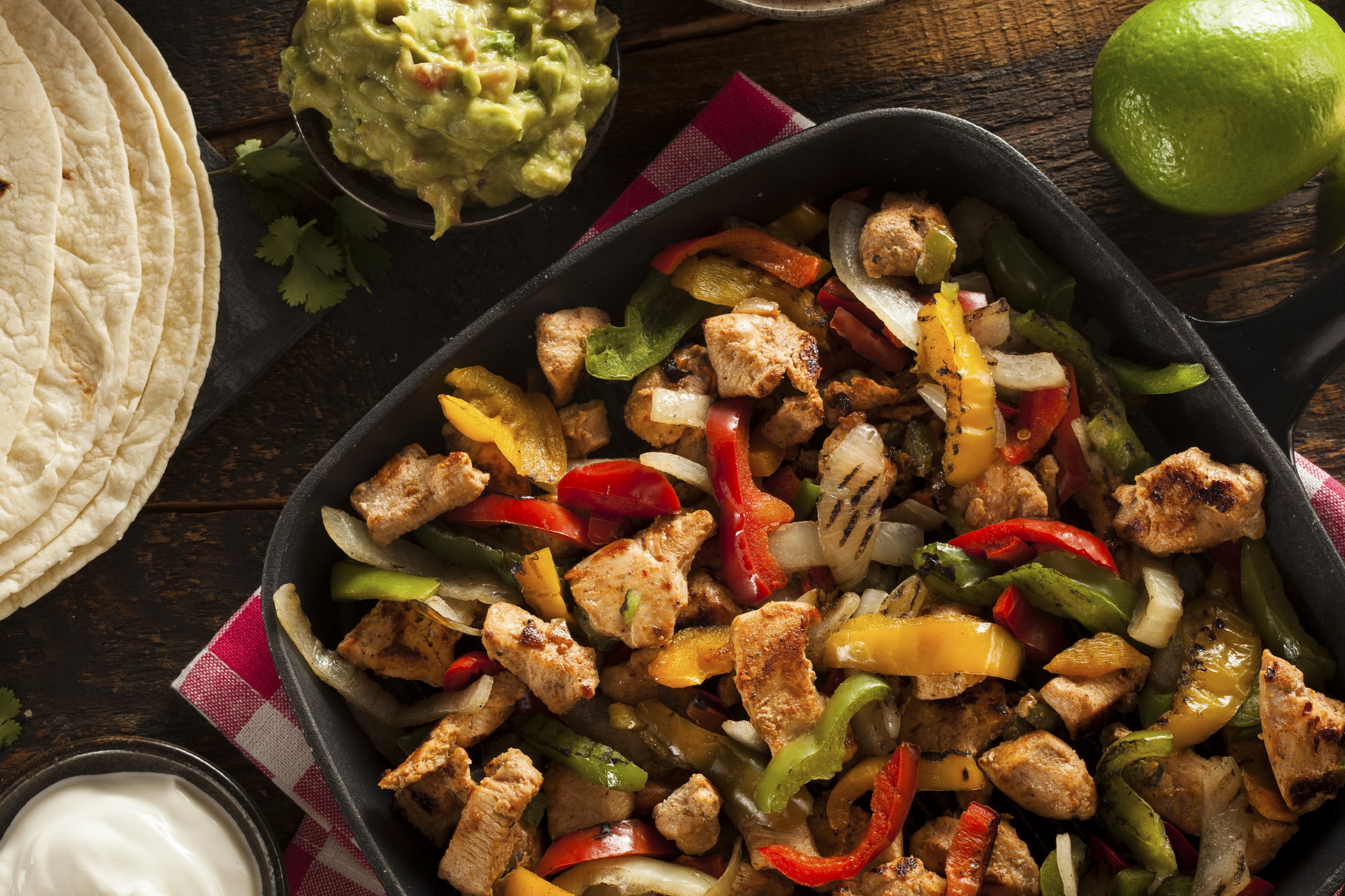
Fajita seasoning is the tiny jar that walks into your kitchen wearing cowboy boots, a lime-scented cologne, and just enough confidence to make plain chicken taste like it has weekend plans. It is smoky, savory, lightly spicy, a little tangy when paired with lime, and wonderfully practical. With a few pantry spices, you can make a homemade fajita seasoning blend that works for chicken, steak, shrimp, vegetables, rice bowls, soups, and even roasted potatoes that were previously living a very quiet life.
The best part? You do not need a mysterious packet with a long ingredient list and a salt level that makes your tongue file a formal complaint. Homemade fajita seasoning lets you control the heat, salt, sweetness, smokiness, and freshness. It is cheaper over time, easier to customize, and often more flavorful because you can make it in small batches instead of rescuing a half-used packet from the back of the pantry where it has been aging like a forgotten museum artifact.
This guide breaks down what fajita seasoning is, how to make it, how to use it correctly, and how to adjust it for different proteins and cooking styles. You will also find practical examples, storage advice, common mistakes, and real kitchen experience to help you turn a simple spice blend into dependable weeknight magic.
What Is Fajita Seasoning?
Fajita seasoning is a Tex-Mex spice blend commonly used to flavor strips of meat, bell peppers, onions, and other ingredients served in tortillas. Traditional fajitas are often associated with grilled skirt steak, but modern fajitas are made with chicken, shrimp, pork, mushrooms, tofu, cauliflower, and almost anything else brave enough to meet a hot skillet.
A classic fajita seasoning recipe usually includes chili powder, cumin, paprika, garlic powder, onion powder, oregano, salt, black pepper, and cayenne pepper. Some versions add sugar to help with browning, cornstarch to thicken pan juices, smoked paprika for deeper flavor, or dried lime powder for a citrusy edge. The blend is not just about heat. A good fajita spice mix should taste balanced: smoky, earthy, savory, slightly bright, and warm without bullying the meal.
Homemade Fajita Seasoning Recipe
This homemade fajita seasoning is bold but family-friendly. It gives you enough flavor for classic chicken fajitas, steak fajitas, shrimp fajitas, vegetable fajitas, and fajita bowls without turning dinner into a fire drill.
Ingredients
- 2 tablespoons chili powder
- 1 tablespoon ground cumin
- 1 tablespoon smoked paprika or regular paprika
- 2 teaspoons garlic powder
- 2 teaspoons onion powder
- 1 teaspoon dried oregano
- 1 teaspoon kosher salt, or to taste
- 1 teaspoon black pepper
- 1/2 teaspoon cayenne pepper, optional
- 1 teaspoon sugar, optional for browning
- 1 teaspoon cornstarch, optional for saucier skillet fajitas
Instructions
- Add all ingredients to a small bowl or clean glass jar.
- Whisk or shake until the spices are evenly combined.
- Taste a tiny pinch. Adjust salt, cayenne, or sugar depending on your preference.
- Use immediately or store in an airtight container in a cool, dry, dark place.
This recipe makes about 1/2 cup of fajita seasoning. For most meals, use 1 1/2 to 2 tablespoons of seasoning per pound of meat, seafood, tofu, or vegetables. If your chili powder already contains salt, reduce the added salt and adjust after cooking.
Why These Spices Work So Well Together
Fajita seasoning works because each spice has a job. Chili powder brings the broad Tex-Mex flavor base. Cumin adds earthy warmth, the flavor equivalent of a bass guitar. Paprika gives color and mild sweetness, while smoked paprika adds a grilled, campfire-style note even if you are cooking indoors on a Tuesday in socks.
Garlic powder and onion powder provide savory depth that coats food evenly. Oregano adds a herbal lift so the blend does not taste flat. Black pepper gives mild bite, cayenne brings adjustable heat, and salt makes the flavors wake up and attend the meeting. A small amount of sugar can encourage browning, especially on chicken and steak, while cornstarch helps create a lightly glossy coating when the seasoning meets oil, lime juice, and pan juices.
Fajita Seasoning vs. Taco Seasoning
Fajita seasoning and taco seasoning are close cousins, but they are not identical twins. Taco seasoning is often a bit bolder, sometimes heavier on chili powder, cumin, and oregano, and it may include more thickening agents because it is commonly used with ground beef and water. Fajita seasoning is typically designed for sliced meat and vegetables cooked quickly over high heat, so it often tastes a little lighter, smokier, and brighter, especially when paired with lime juice.
Can you use taco seasoning for fajitas? Yes, in a pinch. Your skillet will not explode, and dinner will survive. But if you want the classic fajita flavorcharred peppers, juicy strips of protein, warm tortillas, and that “restaurant skillet just arrived” aromause a fajita spice blend with cumin, paprika, garlic, onion, oregano, and a little citrus support from fresh lime.
How to Use Fajita Seasoning
The easiest method is to toss your protein or vegetables with oil and fajita seasoning before cooking. For one pound of sliced chicken, steak, shrimp, mushrooms, or bell peppers, start with 1 1/2 tablespoons seasoning and 1 tablespoon oil. Add a squeeze of lime juice before or after cooking for brightness.
For Chicken Fajitas
Slice boneless chicken breast or thighs into thin strips. Toss with oil, fajita seasoning, and lime juice. Let it sit for 15 to 30 minutes if you have time. Cook in a hot skillet until browned and cooked through. Chicken should reach 165°F internally for safety. Add peppers and onions separately or after the chicken is nearly done to avoid overcrowding the pan.
For Steak Fajitas
Skirt steak, flank steak, or sirloin works well. Rub the meat with oil and fajita seasoning, then let it rest for at least 20 minutes. Sear over high heat, rest the steak, and slice against the grain. That last step matters. If you slice with the grain, your steak may chew like a spicy shoelace, and nobody deserves that.
For Shrimp Fajitas
Shrimp cook quickly, so use a lighter hand. Toss peeled shrimp with oil, 1 tablespoon seasoning per pound, and lime juice. Cook just until pink and opaque. Overcooked shrimp become rubbery fast, so treat them like tiny seafood celebrities: give them attention, but not too much time under the lights.
For Vegetable Fajitas
Bell peppers, onions, mushrooms, zucchini, cauliflower, sweet potatoes, and poblano peppers all love fajita seasoning. Toss with oil and roast at high heat or sauté in a hot skillet. Add a squeeze of lime and fresh cilantro at the end for a brighter finish.
The Best Fajita Marinade Formula
Dry seasoning is excellent, but a quick marinade takes fajitas to another level. A simple formula is: 2 tablespoons oil, 1 1/2 tablespoons fajita seasoning, 1 tablespoon lime juice, and 1 teaspoon Worcestershire sauce or soy sauce per pound of protein. The oil carries flavor, the seasoning brings the spice, the lime adds acidity, and the savory sauce gives depth.
For chicken, marinate 30 minutes to 4 hours. For steak, 30 minutes to 8 hours is usually enough. For shrimp, keep it short15 to 30 minutesbecause acid can change the texture. For vegetables, toss right before cooking so they do not release too much moisture.
How to Make Fajita Seasoning Less Salty, Hot, or Smoky
One reason homemade fajita seasoning is better than many store-bought packets is control. If you are watching sodium, reduce the salt by half or leave it out and salt the food separately while cooking. If you want less heat, skip the cayenne and use sweet paprika instead of smoked hot paprika. If you love heat, add chipotle powder, crushed red pepper, or extra cayenne.
If the blend tastes too smoky, use half smoked paprika and half regular paprika. If it tastes too earthy, reduce the cumin slightly and add more garlic powder or chili powder. If it tastes flat, it probably needs salt, lime juice, or fresher spices. Spices lose aroma over time, and old cumin can turn from “warm and earthy” into “dusty bookshelf with ambition.”
Common Mistakes When Making Fajita Seasoning
Using Stale Spices
Ground spices do not usually spoil like milk, but they lose potency. If your paprika smells like red-colored air, it is time for a new jar. For the best flavor, buy spices in smaller quantities and store them away from heat, light, and moisture.
Adding Too Much Salt Too Early
Salt levels vary in chili powder and commercial spice blends. Always check labels if you are mixing brands. It is easier to add salt later than to fix meat that tastes like it trained for a saltwater marathon.
Overcrowding the Pan
Fajitas need heat. When you pile too much meat and too many vegetables into one skillet, they steam instead of sear. Cook in batches if necessary. The goal is browned edges, not a crowded vegetable sauna.
Forgetting the Lime
Fajita seasoning is savory and smoky, but lime juice makes it pop. Add it at the end for a fresh, bright finish. Fresh lime is especially useful if you are using a low-sodium blend because acidity can make food taste more seasoned without adding more salt.
Smart Storage Tips
Store fajita seasoning in an airtight jar in a cool, dry, dark cabinet. Avoid keeping it directly above the stove, beside the oven, or near a dishwasher where heat and moisture can dull the flavor. Label the jar with the date you made it. For best flavor, use homemade fajita seasoning within 6 to 12 months.
If the blend clumps, moisture may have entered the jar. A few small clumps can be broken up, but if the seasoning smells musty or looks discolored, make a fresh batch. Spices are not expensive enough to risk ruining dinner, especially when dinner includes tortillas and expectations.
Creative Ways to Use Fajita Seasoning Beyond Fajitas
Fajita seasoning is more versatile than its name suggests. Sprinkle it on roasted potatoes, sweet potato wedges, grilled corn, black beans, scrambled eggs, rice, popcorn, or tortilla chips. Stir it into sour cream or Greek yogurt for a quick dip. Add it to tomato soup for a Tex-Mex twist. Mix it with olive oil and brush it on zucchini or cauliflower before roasting.
It also works beautifully in meal prep. Cook a big batch of seasoned chicken or vegetables and use them throughout the week in burrito bowls, salads, quesadillas, wraps, nachos, omelets, and stuffed peppers. One jar can rescue multiple meals from the dreaded “plain leftovers again?” situation.
Nutrition and Dietary Notes
Homemade fajita seasoning can fit many eating styles because it is naturally flexible. It can be gluten-free if each spice is certified gluten-free and processed without cross-contact. It can be sugar-free if you skip the optional sugar. It can be low-sodium if you reduce or omit the salt. It can be vegan because the spice blend itself contains no animal products.
Always check individual spice labels if you are cooking for someone with allergies or strict dietary needs. Some commercial spices or seasoning mixes may include anti-caking agents, fillers, added sugar, or hidden sodium. Making your own blend gives you more transparency and control.
Real Kitchen Experience: What Fajita Seasoning Teaches You
After using fajita seasoning in many different weeknight meals, one lesson becomes obvious: the seasoning is important, but the cooking method is just as important. A perfect spice blend cannot save a cold pan. When the skillet is hot enough, the spices bloom in oil, the peppers blister, the onions caramelize, and the chicken or steak gets those browned edges that make fajitas taste exciting. When the pan is too cool, the same ingredients turn watery and shy. Flavor needs heat and confidence.
Another useful experience is learning that homemade fajita seasoning behaves differently depending on the food. Chicken breast benefits from a small amount of sugar and oil because it is lean and can dry out. Chicken thighs are more forgiving and taste great with extra cumin and smoked paprika. Steak loves a bolder rub, but it also needs resting time after cooking. Shrimp prefer less seasoning and less time. Vegetables need space in the pan, or they release water and soften before they brown.
One of the best practical tricks is to season in layers. Instead of dumping all the fajita seasoning on the meat, use some on the protein and a little on the vegetables. Then finish the whole skillet with lime juice and a pinch of salt if needed. This creates a more balanced dish because every bite has flavor. The peppers should not taste like decoration. They are not there just to provide color and moral support.
For busy home cooks, a jar of fajita seasoning can also reduce decision fatigue. On nights when the refrigerator contains one bell pepper, half an onion, leftover rice, and a protein of uncertain destiny, fajita seasoning gives everything direction. Suddenly, you have a bowl, wrap, skillet dinner, or taco filling. Add salsa, avocado, shredded lettuce, cheese, beans, or a fried egg, and dinner looks intentional. Nobody needs to know it began as a fridge investigation.
Testing different batches also shows why freshness matters. A fajita blend made with fresh cumin and smoked paprika smells alive before it ever touches food. A blend made with old spices may still look correct, but the flavor is quiet. The simplest test is to rub a pinch between your fingers and smell it. If it smells bold, it will probably cook well. If it smells like cardboard wearing a red hat, replace the spices.
Finally, fajita seasoning teaches flexibility. There is no single sacred jar. Some families like it smoky. Some like it mild. Some want it spicy enough to make the salsa nervous. The best fajita seasoning is the one that fits your kitchen, your taste, and your dinner rhythm. Start with the basic ratio, adjust it once or twice, and soon you will have a house blend that makes store-bought packets feel unnecessary.
Conclusion
Fajita seasoning is one of the easiest homemade spice blends to master, and the payoff is huge. With chili powder, cumin, paprika, garlic powder, onion powder, oregano, salt, pepper, and optional cayenne, you can create a smoky, savory, customizable mix for chicken fajitas, steak fajitas, shrimp fajitas, vegetable fajitas, and much more.
The key is balance. Use enough seasoning to coat the food, add oil to help the spices bloom, cook over high heat for browning, and finish with lime juice for brightness. Store the blend properly, adjust the salt and heat to your taste, and make small batches so the flavor stays fresh. Once you have homemade fajita seasoning ready in the pantry, dinner becomes faster, cheaper, and much more exciting. Your skillet may not literally sizzle like a restaurant platter, but emotionally, it absolutely can.
Note: This article is intended for culinary education and web publishing. Adjust salt, spice level, cooking time, and ingredient labels according to personal taste, dietary needs, and food-safety practices.