If you have ever turned over a soup carton, seasoning packet, veggie burger box, or “all-natural” snack bag and spotted yeast extract on the ingredient list, you may have had the classic pantry detective moment: “Wait… is this secretly bad for me?”
The short answer: yeast extract is not automatically bad for you. For most people, it is a safe flavor ingredient used in small amounts to add savory, brothy, “how did this taste like it cooked all day?” flavor. The longer answer is more interesting. Yeast extract naturally contains glutamates, which are connected to the same umami taste people associate with MSG. It can also appear in packaged foods that are high in sodium, heavily processed, or not ideal as everyday staples. In other words, yeast extract is not the villain in a black cape. Sometimes it is just standing suspiciously close to the villain’s snack cabinet.
This guide breaks down what yeast extract is, why food companies use it, how it compares with MSG, who may want to be careful, and how to read labels without needing a chemistry degree or a magnifying glass worthy of Sherlock Holmes.
What Is Yeast Extract?
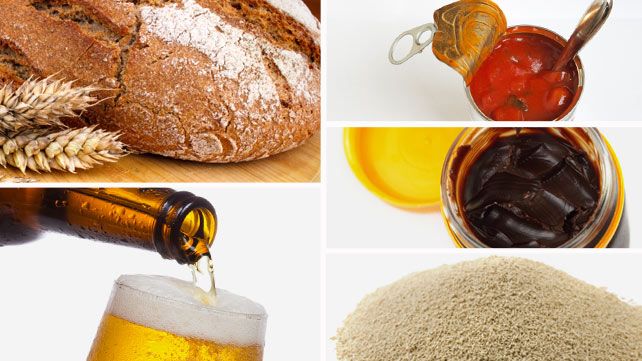
Yeast extract is a concentrated ingredient made from yeast cells, often the same broad family of yeast used in bread, beer, and nutritional yeast. During processing, the yeast cells are broken down so their flavorful compounds, amino acids, peptides, vitamins, and minerals can be separated and concentrated. The result is a paste, powder, or liquid that tastes deeply savory.
Food manufacturers use yeast extract because it adds umami, the fifth basic taste after sweet, sour, salty, and bitter. Umami is the mouthwatering flavor found in foods like mushrooms, Parmesan cheese, tomatoes, soy sauce, and slow-cooked broth. Yeast extract can make a vegetable soup taste richer, a plant-based burger taste meatier, and a cracker taste like it has more personality than its square shape suggests.
Where You’ll Find It
Yeast extract commonly appears in:
- Packaged soups, broths, and bouillon cubes
- Frozen meals and skillet dinners
- Gravies, sauces, and seasoning blends
- Plant-based meats and vegan cheeses
- Crackers, chips, and savory snacks
- Instant noodles and ramen seasoning packets
- Spreads such as Marmite-style yeast spreads
It is especially useful in foods that need depth without adding meat, long cooking time, or a giant chef’s hat hovering nearby.
Is Yeast Extract the Same as MSG?
This is the question that makes food labels feel like a courtroom drama. Yeast extract is not the same ingredient as added monosodium glutamate, or MSG. MSG is a specific purified sodium salt of glutamic acid. Yeast extract is a broader ingredient that naturally contains free glutamate along with proteins, amino acids, B vitamins, and other yeast-derived compounds.
However, yeast extract and MSG overlap in one important way: both can contribute glutamate, the compound responsible for umami flavor. Your body does not treat glutamate from yeast extract as magically different from glutamate in tomatoes, cheese, mushrooms, soy sauce, or MSG. Glutamate is glutamate, whether it arrives in a fancy cheese board or a seasoning packet wearing sweatpants.
Why “No Added MSG” Can Be Confusing
A package may say “no added MSG” and still contain ingredients like yeast extract, hydrolyzed vegetable protein, autolyzed yeast, soy extract, or protein isolate. That does not necessarily mean the brand is doing something dangerous, but it can be confusing for shoppers who are trying to avoid glutamate-rich flavor enhancers.
The important point is this: “No added MSG” does not always mean “no glutamate-containing ingredients.” If you know you personally react to glutamate-rich foods, scan the whole ingredient list instead of trusting front-of-package marketing. The front of the package is where snacks go to brag. The ingredient list is where they tell the truth.
So, Is Yeast Extract Bad for You?
For most healthy adults, yeast extract is not harmful when eaten in normal food amounts. It is usually used in small quantities because its flavor is strong. A little goes a long way, which is good because nobody wants soup that tastes like it was seasoned by a thunderstorm.
The main concerns are not that yeast extract is poisonous or inherently unhealthy. The practical concerns are:
- It may contribute to overall sodium intake in processed foods.
- It naturally contains glutamates, which some people report sensitivity to.
- It often appears in packaged foods that may be high in salt, saturated fat, refined carbs, or additives.
- People with celiac disease or gluten sensitivity should check whether the product is labeled gluten-free.
In short, yeast extract is better judged by context. A small amount in a low-sodium vegetable broth? Probably no big deal. A giant bowl of instant noodles with a seasoning packet that could make your blood pressure stand up and salute? The yeast extract is not the only thing to examine.
The MSG and Glutamate Question
MSG has carried an unfairly dramatic reputation for decades. Many people have heard that MSG causes headaches, flushing, heart palpitations, or other symptoms. Some people do report short-term reactions after eating foods with MSG or glutamate-rich flavor enhancers. Still, major food safety and medical sources generally find that MSG is safe for most people in typical amounts, and research has not shown consistent proof that MSG causes symptoms in the general population.
That does not mean everyone’s personal experience should be ignored. Food reactions can be individual. If you repeatedly notice headaches, flushing, nausea, or other symptoms after eating foods high in yeast extract, MSG, soy sauce, aged cheese, or similar savory boosters, it is reasonable to keep a food-and-symptom diary and discuss it with a healthcare professional.
Possible Sensitivity Symptoms
People who believe they are sensitive to glutamate-rich foods may report:
- Headache or migraine-like symptoms
- Flushing or warmth
- Tingling
- Nausea
- Chest tightness or palpitations
- General “off” feeling after eating
If symptoms are severe, sudden, or involve chest pain, trouble breathing, swelling, or fainting, seek medical care. Do not blame a soup ingredient while ignoring a potentially serious medical situation. Soup has many talents; emergency diagnosis is not one of them.
Yeast Extract and Sodium: The Real Label Issue
For many people, the bigger issue is not yeast extract itself but sodium. Yeast extract is often used in savory packaged foods, and those foods may already be salty. Sodium matters because eating too much over time can contribute to high blood pressure and increased cardiovascular risk, especially for people who are salt-sensitive or already managing hypertension.
The U.S. Daily Value for sodium is less than 2,300 milligrams per day. The American Heart Association recommends no more than 2,300 milligrams daily and says an ideal limit for many adults is closer to 1,500 milligrams per day. That does not mean you need to panic over every salty bite, but it does mean labels deserve a quick glance.
How to Check Sodium Without Losing Your Mind
Look at the Nutrition Facts panel and check sodium per serving. As a practical shortcut:
- 5% Daily Value or less per serving is considered low.
- 20% Daily Value or more per serving is considered high.
- Watch the serving size, because “one serving” may be comically smaller than what humans actually eat.
If a product contains yeast extract but is low in sodium and fits your overall diet, it is probably not a major concern. If it contains yeast extract and enough sodium to season a sidewalk in winter, choose it less often or balance it with lower-sodium meals.
Can Yeast Extract Be Good for You?
Yeast extract can contain B vitamins, amino acids, and minerals, depending on the product and how it is made. B vitamins such as thiamin, riboflavin, niacin, and pantothenic acid help support energy metabolism and normal cell function. That sounds impressive, and it is, but context matters.
Most packaged foods do not include enough yeast extract to turn a snack into a multivitamin. A cracker with yeast extract is still a cracker. A soup with yeast extract may taste richer, but it is not automatically a wellness retreat in a bowl. If a product is specifically fortified or designed as a nutritional supplement, then the B-vitamin content may be more meaningful.
Yeast Extract vs. Nutritional Yeast
Yeast extract and nutritional yeast are related but not identical. Nutritional yeast is usually sold as flakes or powder and sprinkled on food for a cheesy, nutty flavor. It is popular in vegan cooking and is often fortified with vitamin B12. Yeast extract is more commonly used by food manufacturers as a concentrated flavor ingredient.
If you are trying to add B vitamins to your diet, nutritional yeast may be more useful than the small amount of yeast extract hidden inside a packaged food. If you are trying to add savory depth to soup, stew, sauces, or plant-based dishes, yeast extract does that job well.
Who Should Be More Careful With Yeast Extract?
Most people do not need to avoid yeast extract. Still, certain groups may want to pay closer attention.
People Watching Sodium
If you have high blood pressure, kidney disease, heart disease, or have been told to reduce sodium, focus on the full Nutrition Facts label. Yeast extract may be part of the flavor system, but total sodium is what matters most.
People With Migraine Triggers
Some migraine sufferers report that MSG or intensely savory processed foods can trigger headaches. Research on food triggers is complicated because triggers vary widely and may stack together: stress, sleep changes, dehydration, alcohol, hormones, and skipped meals can all join the party uninvited. If you suspect yeast extract is a trigger, track patterns rather than guessing from one random snack attack.
People With Celiac Disease or Gluten Sensitivity
Yeast itself is gluten-free, but yeast extract may be grown or processed in ways that raise questions for people with celiac disease. In the United States, foods labeled gluten-free must meet FDA requirements, including containing less than 20 parts per million of gluten. If you have celiac disease, choose products specifically labeled gluten-free when yeast extract appears on the ingredient list.
People Avoiding Highly Processed Foods
If your goal is to eat fewer ultra-processed foods, yeast extract may be a useful clue. It often appears in products engineered for intense flavor: chips, instant meals, frozen entrees, and shelf-stable sauces. The ingredient itself may not be scary, but it can point you toward a bigger question: “Is this food helping my overall eating pattern?”
How to Read Labels Like a Calm Adult
Food labels can make even reasonable people feel like they are decoding a spaceship manual. Here is a simple approach.
Step 1: Look at the Whole Food, Not One Ingredient
Do not judge a product by yeast extract alone. Look at sodium, added sugar, saturated fat, fiber, protein, and ingredient quality. A lentil soup with yeast extract and vegetables may be a better choice than a “clean label” snack made mostly of refined starch and oil.
Step 2: Check Sodium Per Serving
If sodium is high, ask how often you eat it and what else you eat that day. One salty convenience meal is not a moral failure. Eating high-sodium packaged foods three times a day may be worth adjusting.
Step 3: Watch for Your Own Symptoms
If you feel fine after eating foods with yeast extract, you probably do not need to worry. If you consistently feel unwell, track the food, amount, timing, and symptoms. Patterns beat panic.
Step 4: Do Not Fall for Ingredient Fear Marketing
Some brands make money by making ordinary ingredients sound terrifying. “No yeast extract” does not automatically mean healthier. “Natural flavor” does not automatically mean better. A balanced diet is built from overall patterns, not from one dramatic ingredient name.
Healthier Ways to Get Umami Flavor
If you want savory flavor without relying heavily on processed foods, try whole-food umami sources:
- Mushrooms, especially shiitake, cremini, and portobello
- Tomatoes and tomato paste
- Parmesan cheese or nutritional yeast
- Seaweed or miso in small amounts
- Garlic, onion, and roasted vegetables
- Slow-cooked beans, lentils, and broths
- Herbs, spices, vinegar, citrus, and pepper
These ingredients can make food taste satisfying while adding fiber, minerals, antioxidants, or other useful nutrients. Basically, they bring flavor and a résumé.
Practical Examples: Good, Okay, and “Maybe Not Daily”
A Reasonable Choice
A low-sodium vegetable broth with yeast extract, carrots, celery, herbs, and modest sodium can be a practical pantry item. Use it for soups, grains, and sauces. No drama required.
An Okay Sometimes Choice
A frozen dinner with yeast extract, moderate sodium, decent protein, and some vegetables can be useful on busy nights. Pair it with a salad, fruit, or extra vegetables to make it more balanced.
A “Maybe Not Daily” Choice
Instant noodles with yeast extract, multiple flavor enhancers, low fiber, and very high sodium can be delicious, comforting, and occasionally perfect. But as an everyday lunch, it may not love your blood pressure back.
Common Myths About Yeast Extract
Myth 1: Yeast Extract Is Always MSG in Disguise
Not exactly. Yeast extract is not purified MSG, but it naturally contains glutamate. If you avoid MSG because of sensitivity, you may also want to watch yeast extract. If you avoid MSG because of internet rumors, you may not need to panic.
Myth 2: Natural Means Automatically Healthy
Yeast extract may be derived from yeast, but “natural” does not guarantee a food is nutritious. Salt is natural. Sugar is natural. Falling asleep in jeans is natural after Thanksgiving dinner. None of these facts makes them ideal in unlimited amounts.
Myth 3: If I See Yeast Extract, the Food Is Bad
Not necessarily. A food can contain yeast extract and still fit into a healthy diet. Judge the full nutrition profile and how often you eat it.
Myth 4: Everyone Should Avoid Glutamate
Glutamate occurs naturally in many healthy foods, including tomatoes, mushrooms, and cheese. Avoiding all glutamate would make your diet unnecessarily complicated and, frankly, much less delicious.
Personal Experience-Style Notes: Living With the Yeast Extract Question
For many shoppers, the yeast extract debate starts in a very ordinary place: standing in a grocery aisle, holding two boxes of soup, wondering why one ingredient list reads like grandma’s kitchen and the other reads like grandma hired a food scientist with excellent handwriting. The funny thing is that yeast extract often shows up in foods people already consider convenient, cozy, or “better than takeout.” It is in the boxed broth used for homemade chicken soup, the vegan burger someone buys for Meatless Monday, the crackers served with cheese, and the bouillon cube tossed into rice when plain water feels too depressing.
A realistic experience with yeast extract is rarely dramatic. Most people eat it without noticing anything except that the food tastes more savory. It gives that “something” flavor, the one that makes you take another bite and say, “Okay, that’s pretty good,” even though you were planning to be judgmental. In a vegetable soup, yeast extract can make carrots, onions, and celery taste deeper. In plant-based foods, it can help replace some of the savory complexity that meat or cheese usually provides. In lower-sodium cooking, small amounts of umami-rich ingredients may help food taste satisfying without simply dumping in more salt.
But there is another common experience: realizing that foods with yeast extract can be easy to overeat. This is not because yeast extract has hypnotic powers, although some chips behave suspiciously. It is because savory, salty, crunchy, ready-to-eat foods are designed to be appealing. If yeast extract appears in a snack that is also salty, crispy, low in fiber, and sold in a family-size bag that one person can absolutely defeat during a movie, the bigger issue is the overall food design. The ingredient is part of a flavor team, not a lone criminal mastermind.
Some people also have a more personal story. They may notice headaches after certain instant noodles, restaurant meals, or packaged snacks. The tricky part is that these meals can contain many possible triggers: high sodium, dehydration, alcohol, lack of sleep, stress, nitrates, aged ingredients, or simply eating too much too fast. A helpful approach is to track meals for two or three weeks. Write down what you ate, when symptoms started, how much water you drank, how you slept, and whether stress was doing cartwheels in the background. If symptoms repeatedly follow yeast extract or other glutamate-rich foods, reducing them may be worth trying.
For families, yeast extract can be approached with balance instead of fear. A parent packing lunch does not need to panic over a cracker ingredient list, but they may want to rotate in whole foods: fruit, yogurt, nuts if safe, hummus, eggs, beans, vegetables, and homemade leftovers. A busy adult can use broth with yeast extract on Tuesday night and still eat a colorful, nourishing diet overall. Health is not built from one ingredient. It is built from patterns, portions, frequency, and the unglamorous habit of reading labels before tossing three “servings” into one bowl.
The best personal rule is simple: if yeast extract does not bother you, do not let it live rent-free in your brain. If it does seem to bother you, treat your experience seriously and test it thoughtfully. Choose simpler foods for a while, compare symptoms, and talk with a healthcare professional if reactions are frequent or concerning. The goal is not to become afraid of your pantry. The goal is to understand it well enough that dinner stops feeling like a mystery novel.
Final Verdict: Should You Avoid Yeast Extract?
You probably do not need to avoid yeast extract unless you personally react to it, need strict gluten-free verification, or are using it as a clue to reduce high-sodium processed foods. For most people, yeast extract is a safe, savory flavor ingredient that can fit into a balanced diet.
The smarter move is to look beyond the ingredient name. Check sodium. Consider how processed the food is. Notice your own symptoms. Balance packaged foods with vegetables, fruits, whole grains, lean proteins, beans, nuts, and home-cooked meals when possible. Yeast extract is not a nutritional superhero, but it is not a dietary disaster either. It is more like a tiny flavor assistant: useful, salty-adjacent, occasionally misunderstood, and best kept in perspective.