The 1990s were loud, weird, shiny, ironic, heartfelt, and somehow all of those things before lunch. It was the decade when flannel hung out with designer minimalism, when grunge stomped into the mainstream and then made room for glossy teen pop, when independent film got cool enough to sit at the same table as giant Hollywood blockbusters, and when the internet stopped being a mysterious nerd cave and started moving into everyday American life. In other words, pop culture of the ’90s was not one big trend. It was a glorious traffic jam of trends.
That is exactly why the decade still has such a grip on people. The 1990s pop culture scene gave us iconic TV shows, unforgettable movie quotes, CD binders the size of small furniture, mall fashion that ranged from “effortlessly cool” to “why are your pants so wide,” and the first real taste of digital life. If the 1980s were about polish and excess, the ’90s often felt more self-aware, more experimental, and a lot more willing to mix mainstream success with outsider energy.
This guide explores the biggest ’90s trends, from music and movies to television, fashion, technology, and the everyday experiences that made the decade feel like a cultural roller coaster with a very good soundtrack.
The Big Mood of the Decade
To understand the pop culture of the ’90s, you have to understand its split personality. Part of the decade leaned cool, detached, and skeptical. That is where you get grunge, slacker humor, antiheroes, and a general vibe of “please stop trying so hard.” The other part was bright, commercial, and unapologetically catchy. That is where you get boy bands, girl groups, blockbuster spectacles, branded teen culture, and enough platform shoes to threaten public safety.
The result was a decade that felt less unified than earlier TV-and-radio eras, but much richer in subcultures. Mainstream entertainment still mattered, but there were more lanes now: cable channels, niche magazines, genre radio, indie film, gaming culture, and, by the late ’90s, the web. America was no longer watching exactly the same thing at exactly the same time. Yet somehow everyone still knew the words to the biggest songs and the catchphrases from the hottest sitcoms. That is talent.
’90s Music: From Flannel to Frosted Tips
Grunge and Alternative Rock Changed the Temperature
Early-’90s music hit like a cold shower. Grunge and alternative rock pushed aside some of the glossy excess of late-’80s pop culture and replaced it with something messier, moodier, and more honest-looking. Bands like Nirvana, Pearl Jam, Soundgarden, Alice in Chains, and later acts in the alt-rock orbit made vulnerability, frustration, and stripped-down style feel mainstream. Suddenly, looking like you had tried very hard to not try very hard became a cultural achievement.
Alternative rock also opened the door for a wider soundscape. Smashing Pumpkins, Weezer, Garbage, Beck, R.E.M., and Green Day each proved the decade could hold angst, melody, sarcasm, and radio-friendly hooks all at once. The ’90s did not just crown one rock sound. They built a whole noisy neighborhood.
Hip-Hop Became a Dominant Cultural Force
If rock changed the mood, hip-hop in the 1990s changed the center of gravity. The decade saw rap move from the margins to the middle of popular culture. Artists such as Tupac Shakur, The Notorious B.I.G., Dr. Dre, Snoop Dogg, Nas, A Tribe Called Quest, Lauryn Hill, Jay-Z, Wu-Tang Clan, and OutKast helped make hip-hop commercially huge and artistically unstoppable.
Just as important, hip-hop influenced everything around it: language, fashion, advertising, film soundtracks, and music video aesthetics. By the time the decade was winding down, it was no longer possible to talk about American pop culture without talking about rap. The genre was not visiting the party. It had the aux cord.
Teen Pop and R&B Closed the Decade with Maximum Shine
Then came the late-’90s sugar rush. Britney Spears, Christina Aguilera, the Backstreet Boys, *NSYNC, Destiny’s Child, and a wave of polished pop and R&B acts brought back a sense of spectacle. Big choruses, choreographed performances, slick videos, and glossy magazine-ready stardom took over. This was the era of TRL, fan posters, dramatic slow-motion hair flips, and arguments over which boy band mattered most. History may never recover.
At the same time, R&B remained one of the decade’s richest musical spaces, with artists like Mariah Carey, Boyz II Men, TLC, Brandy, Monica, and Mary J. Blige shaping the sound of radio and the emotional weather of countless middle-school dances.
’90s Movies: Indie Cool Meets Giant Blockbusters
The Indie Boom Gave Movies a New Personality
The movies of the 1990s were wildly diverse. On one side, independent cinema gained prestige and cultural heat. Filmmakers like Quentin Tarantino, Richard Linklater, Steven Soderbergh, Gus Van Sant, Spike Lee, and the broader indie movement helped make smaller, sharper, character-driven movies feel like essential viewing. “Cool” movies in the ’90s often sounded different, looked different, and trusted audiences to keep up.
Films like Pulp Fiction, Clerks, Boyz n the Hood, Before Sunrise, The Blair Witch Project, and Good Will Hunting showed that wit, attitude, and point of view could matter just as much as explosions. Though, to be fair, the decade also had plenty of explosions.
Blockbusters Got Bigger, Smarter, and More Quoteable
On the other side of the multiplex, Hollywood was building cultural monuments. Jurassic Park changed the game for visual effects and blockbuster awe. Titanic became a worldwide phenomenon that turned romance into an endurance sport and a box-office superpower. The Matrix arrived at the end of the decade and made audiences rethink action movies, visual effects, and the possibility that maybe reality itself was having technical issues.
Family films and animated hits also had a massive cultural footprint. Disney’s ’90s run, from Beauty and the Beast to The Lion King and Mulan, helped define childhood for millions. Meanwhile, teen movies such as Clueless, 10 Things I Hate About You, and She’s All That influenced language, style, and the sacred late-’90s art of pretending high school looked like a music video.
Television in the ’90s: The Last Giant Shared Obsession
’90s TV shows had enormous reach, even as the media world was starting to fragment. Sitcoms dominated. Seinfeld turned observational comedy into a cultural superpower. Friends made coffeehouses, ensemble chemistry, and apartment envy into national rituals. The Fresh Prince of Bel-Air, Frasier, Home Improvement, and Everybody Loves Raymond each helped define the era in very different ways.
Television also grew bolder. Shows like NYPD Blue pushed standards and changed expectations for network drama. Teen and youth-oriented programming gained traction through channels like Nickelodeon and networks like The WB, paving the way for a generation of viewers who wanted content that actually sounded like them, or at least like a cooler version of them with better hair.
Music television mattered, too. MTV in the ’90s did not just play music videos; it shaped celebrity, fashion, slang, and youth identity. Whether through award-show performances, countdown shows, animation, or reality-adjacent programming, MTV functioned like a cultural megaphone for the decade.
’90s Fashion Trends: Minimalism, Streetwear, and Controlled Chaos
Minimalism Went Mainstream
’90s fashion trends swung between clean lines and complete rebellion. Minimalist fashion, popularized by designers such as Calvin Klein, reflected a more pared-back aesthetic than the high-glam excess of the 1980s. Slip dresses, neutral palettes, simple denim, plain white tees, and sleek silhouettes made “less is more” sound almost believable.
Street Style and Youth Culture Set the Tone
But the decade was not all sleek minimalism. It also belonged to baggy jeans, oversized jerseys, combat boots, flannel shirts, tracksuits, chokers, tiny sunglasses, butterfly clips, and enough denim to cover several small states. Fashion pulled heavily from music scenes, especially grunge, hip-hop, and later teen pop.
Supermodels remained major symbols of glamour, while “girl power” helped shape how brands, media, and entertainment marketed confidence to young women. The look of the decade was often contradictory, and that was the point. You could be polished, punk, sporty, preppy, or some confusing combination of all four. The ’90s believed in freedom, and also in platform sneakers.
The Internet, Video Games, and Digital Life
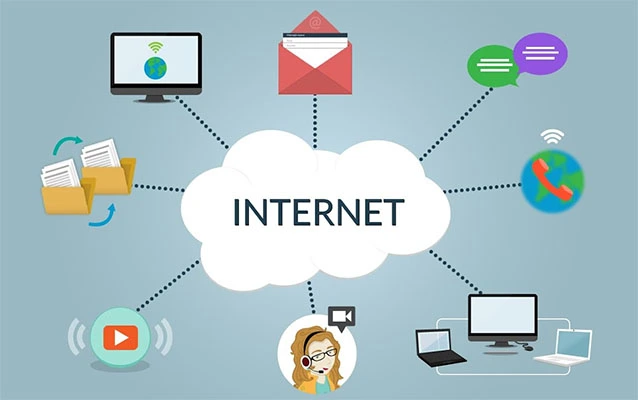
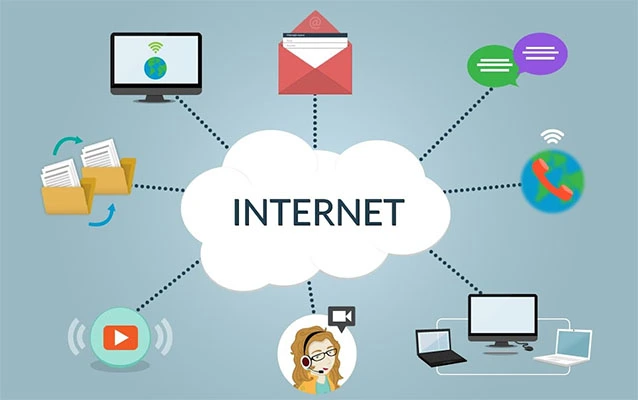
No discussion of 1990s culture is complete without the digital shift. The early web transformed from a specialist’s tool into a mainstream curiosity and then a daily habit. Dial-up internet, AOL sign-on sounds, chat rooms, email, primitive homepages, and the thrill of hearing “You’ve got mail” helped define the late decade. It was slow, noisy, and occasionally confusing, but it felt revolutionary.
The internet also changed how culture spread. Fans could find each other faster. Trends moved more quickly. Media became less centralized. The late-’90s dot-com boom wrapped technology in a layer of futuristic optimism, even when nobody was entirely sure what half these websites were for. Some were brilliant. Some sounded like they were named by a caffeinated committee.
Gaming culture also exploded. The Game Boy, Nintendo, PlayStation, and the rise of Pokémon helped turn video games into a bigger social and commercial force. Pokémon in particular became a monster hit across games, cards, TV, movies, and merchandise. The decade did not just produce entertainment franchises. It produced lifestyles.
Why ’90s Pop Culture Still Hits So Hard
The reason pop culture of the ’90s still resonates is simple: it was transitional in all the best ways. It bridged analog and digital life. It balanced irony with sincerity. It gave room to outsiders while still manufacturing megastars. It built the last great age of monoculture, then quietly prepared the world for personalization, niche fandoms, and online identity.
It also gave us an unusual level of texture. The decade was not just consumed; it was handled. You bought CDs, circled things in catalogs, taped songs off the radio, waited for your favorite music video, rented movies, traded cards, highlighted magazine pages, and physically went to places like malls, arcades, theaters, and record stores. Pop culture felt tactile. It had weight, smell, and often poor storage solutions.
Today’s nostalgia for the ’90s is not only about remembering stars, songs, and famous titles. It is also about remembering how culture used to arrive: more slowly, more socially, and sometimes with a bit more mystery. You did not just “discover content.” You stumbled into it, borrowed it, taped it, missed it, and talked about it the next day.
Experiences of ’90s Pop Culture: What It Felt Like to Live It
To really understand the pop culture of the ’90s, you have to go beyond the headlines and hit records and imagine the everyday experience. The decade often felt like standing in two worlds at once. One foot was still planted in the analog routine of landline phones, VCRs, printed TV guides, and cassette singles. The other foot was inching into a digital future that looked exciting, slightly awkward, and maybe held together with dial-up noises.
Music was not just background entertainment; it was personal identity with a plastic jewel case. You knew who people were by what they played in the car, wore on a T-shirt, or scribbled onto a notebook cover. Maybe someone loved Pearl Jam and wore flannel like it was a personal philosophy. Maybe someone else had a binder full of boy-band photos and no shame whatsoever. The ’90s allowed both, and sometimes those people were in the same friend group arguing at a food court.
Movies felt more eventful, too. Going to the theater in the ’90s often meant a genuine sense of occasion. Big movies became shared memories quickly because people actually had to show up to experience them. You watched the trailer, waited weeks, went with friends, and then spent days repeating lines badly. Even renting a movie had drama. Somebody had to get to the video store before the copies were gone, which means suspense existed before the opening scene even started.
Television was both communal and ritualistic. You did not just binge a season in a weekend. You waited. You planned. You talked about last night’s episode the next day at school, at work, or anywhere two people had the emotional strength to debate sitcom relationships or season finales. Missing an episode could feel like a small personal tragedy unless somebody in your household had remembered to record it, and that was never guaranteed.
Fashion in the ’90s was also deeply experiential. You did not merely observe trends; you tried them with absolute commitment and mixed results. Baggy jeans dragged through puddles. Platform shoes tested ankle stability. Tiny sunglasses asked very little from the sun. Hair accessories multiplied. The mall became a cultural headquarters where style, music, flirting, snacks, and social hierarchy all collided under fluorescent lighting.
Then there was the internet, arriving like a preview of the future that took forever to load. Logging on felt magical. It also felt like temporarily hijacking the household phone line. Chat rooms, fan sites, primitive search engines, and clunky personal pages gave people their first taste of building an identity online. Nobody was good at it yet, which honestly made it charming. The web was messy, thrilling, and full of possibility.
That may be the real secret of why 1990s pop culture remains so beloved. It was not polished into perfection. It was lived in. It was shared in bedrooms, malls, school hallways, movie lines, living rooms, and early message boards. It felt huge, but also personal. The decade gave people culture they could wear, quote, trade, replay, and argue over. And even now, decades later, all it takes is one song, one movie line, one old logo, or one dial-up sound to send people straight back.
Conclusion
The pop culture of the ’90s was a defining moment in American entertainment and everyday life because it captured a country in transition. It gave us grunge and glossy pop, indie cinema and blockbuster spectacle, iconic sitcoms and changing television norms, minimalist fashion and oversized streetwear, plus the earliest mainstream rush of internet culture. More than anything, it created a cultural language that still shapes music, movies, fashion, gaming, and online life today. The decade may be over, but its influence is still very much on the playlist.