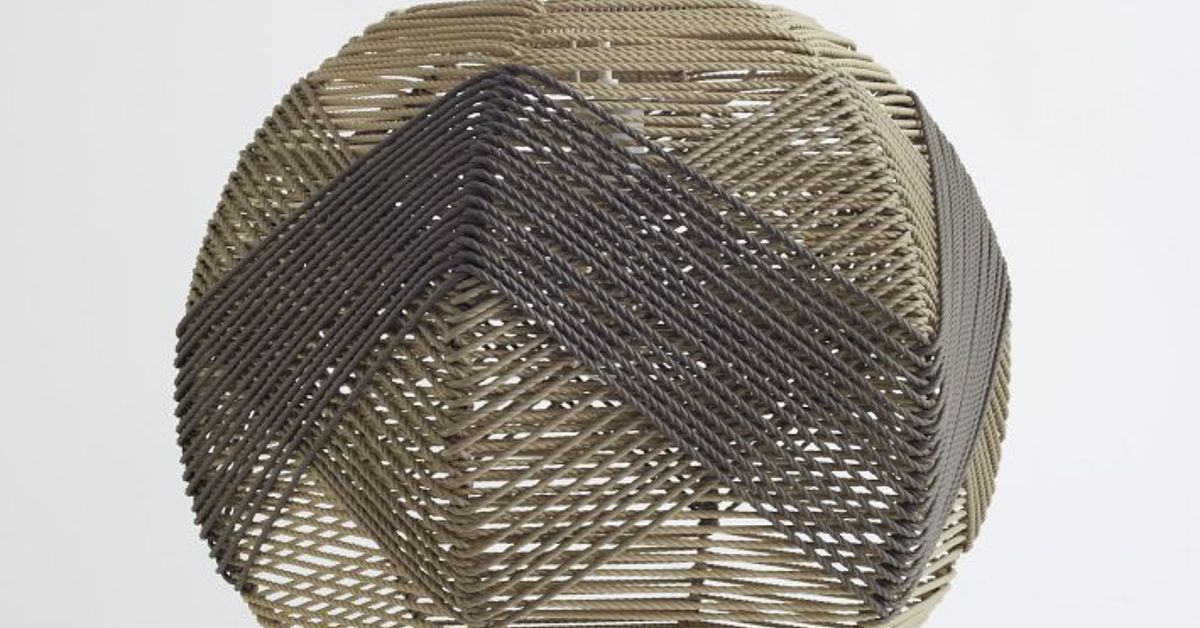
A woven twine lampshade is one of those magical home projects that looks expensive, feels handmade, and somehow convinces guests that you are the kind of person who casually says things like, “Oh, I just updated the lighting over the weekend.” In reality, this cozy little upgrade can be made with basic materials: a lampshade frame, jute twine, hemp cord, cotton rope, glue, patience, and possibly one dramatic sigh when the twine rolls under the sofa.
Natural fiber lighting has become a favorite in American homes because it brings warmth without shouting for attention. A woven twine lampshade works in coastal rooms, farmhouse corners, boho bedrooms, minimalist apartments, rustic cabins, and even modern spaces that need a softer edge. It adds texture, filters light beautifully, and turns a plain lamp into something with personality. Think of it as a sweater for your lightingbut less itchy and much better at dinner parties.
This guide explores what a woven twine lampshade is, why it works, how to choose materials, how to make one, where to use it, what mistakes to avoid, and how to care for it. Whether you want a small table lamp makeover or a dramatic pendant shade, twine can help you create a custom piece that feels relaxed, organic, and genuinely one-of-a-kind.
What Is a Woven Twine Lampshade?
A woven twine lampshade is a lampshade covered, wrapped, stitched, or woven with natural or natural-looking cord. The most common materials include jute twine, hemp rope, cotton cord, raffia, sisal, linen string, and sometimes paper rope. Instead of relying on smooth fabric, the shade gets its character from visible fibers and repeated lines.
The design can be simple or detailed. Some lampshades are wrapped horizontally from top to bottom for a clean ribbed effect. Others use open weaving, crisscross patterns, macrame-style knots, vertical spokes, or a basket-inspired weave. The finished look depends on cord thickness, spacing, color, frame shape, and how tightly the twine is applied.
What makes twine especially useful is its flexibility. It can look nautical when paired with navy and white, earthy when styled with terracotta and clay, refined when used with a black metal base, or breezy when placed near linen curtains and light wood furniture. In other words, twine is not picky. It gets along with almost everybody.
Why Woven Twine Lampshades Are So Popular
They Add Texture Without Clutter
Texture is one of the easiest ways to make a room feel finished. A space filled with flat surfaces can feel cold, even if the furniture is beautiful. A woven twine lampshade adds small shadows, natural variation, and touchable detail. It gives the eye somewhere to land without adding another vase, tray, or decorative object that has to be dusted forever.
They Soften Light Beautifully
Twine and other natural fibers create a gentle, filtered glow. A tightly wrapped lampshade gives a warmer, more diffused effect, while an open weave throws subtle patterns onto nearby walls. This makes woven twine lampshades especially appealing in bedrooms, reading nooks, living rooms, entryways, and covered porches where mood matters more than surgical-level brightness.
They Fit Many Decorating Styles
A woven twine lampshade can lean rustic, coastal, organic modern, cottage, bohemian, Scandinavian, or transitional. The trick is styling. Pair it with driftwood, seagrass baskets, and blue accents for a coastal look. Use it with black metal, walnut, and neutral upholstery for modern warmth. Add plants, clay pots, and patterned textiles for a relaxed boho mood.
They Make Budget Decor Look Custom
Lighting can be surprisingly expensive. A designer natural-fiber lamp or pendant may cost hundreds of dollars, while a DIY twine lampshade can refresh an existing shade for a fraction of that. The result feels custom because it is custom. Even if your weaving is slightly imperfect, that little irregularity often makes it look more handcrafted, not less.
Best Materials for a Woven Twine Lampshade
Jute Twine
Jute twine is the classic choice for a rustic woven lampshade. It has a golden-brown color, a slightly rough texture, and a casual handmade feel. It works well for farmhouse, coastal, cottage, and boho interiors. Because jute can shed small fibers, it is best used in spaces where the shade will not be handled constantly.
Hemp Cord
Hemp cord is strong, durable, and usually a little smoother than rough jute. It has a natural look but can feel more refined. Hemp is a good choice if you want a woven shade that feels organic but not too country.
Cotton Rope or Macrame Cord
Cotton cord is softer and easier on the hands. It is available in natural white, cream, beige, and dyed colors. If you want a modern woven twine lampshade with clean lines, cotton cord is an excellent option. It also works beautifully for macrame-inspired patterns.
Sisal or Manila Rope
Sisal and manila rope are thicker and more rugged. They are best for larger shades, floor lamps, or pendant lights where bold texture is the goal. Use them carefully on small lamps, because thick rope can quickly overwhelm the frame and make the shade look like it is training for a tug-of-war competition.
Raffia or Paper Rope
Raffia and paper rope create a lighter, airier look. They are great for casual pendant shades, coastal rooms, and spaces where you want movement and softness. These materials can be more delicate, so they need gentle handling and dry conditions.
Choosing the Right Lampshade Frame
The frame is the skeleton of your project, so choose wisely. A drum shade is the easiest shape for beginners because the top and bottom rings are usually similar in size. This makes the wrapping or weaving pattern more consistent. Empire shades, which are wider at the bottom than at the top, create a classic silhouette but require more attention because the spacing changes as you move down the shade.
Bell shades can look charming, but they are trickier to wrap evenly. Square and rectangular frames can produce a sleek modern look, though corners need careful tension. Pendant frames offer the most dramatic result, especially when the weave is open enough to let light escape in patterned bands.
Before starting, check the fitter style. Common lampshade fittings include spider fitters, uno fitters, clip-on fitters, and pendant rings. Make sure your finished shade will still attach securely to the lamp or fixture. A beautiful shade that cannot sit straight is not a design statement; it is a tiny leaning tower of regret.
How to Make a Woven Twine Lampshade
Materials You Will Need
- A clean lampshade frame or old lampshade with fabric removed
- Jute twine, hemp cord, cotton rope, or raffia
- Hot glue gun or strong craft adhesive
- Scissors
- Clothespins or binder clips
- Measuring tape
- Optional: painter’s tape, fabric liner, spray paint for the frame, and clear matte sealant
Step 1: Prepare the Shade
Start with a clean frame. If you are reusing an old lampshade, remove the fabric carefully and scrape away dried glue. Wipe the metal frame with a dry cloth. If the frame is scratched or the color will show through your weave, spray-paint it in a color that blends with the twine, such as matte beige, warm white, black, or brass. Let it dry completely.
Step 2: Plan the Pattern
Decide whether you want a wrapped shade, an open woven shade, or a mixed design. For a beginner-friendly woven twine lampshade, try vertical spokes with horizontal weaving. Tie or glue vertical strands from the top ring to the bottom ring, spacing them evenly around the frame. Then weave a long piece of twine over and under those vertical strands.
If you prefer a simpler look, wrap the twine horizontally around the shade from top to bottom. Keep the rows close together for a solid texture or leave tiny gaps for a lighter glow. Painter’s tape can help mark straight guide lines before you begin.
Step 3: Anchor the First Strand
Add a small dot of hot glue to the inside of the frame and press the end of the twine into place. Hold it until secure. Always hide glued ends on the inside or underside of the shade whenever possible. The goal is “artisan lighting,” not “visible glue festival.”
Step 4: Keep Tension Consistent
Whether wrapping or weaving, tension matters. Pull the twine firmly enough that it stays in place but not so tightly that it bends the frame. Uneven tension can warp the shade or create wavy rows. Work slowly, adjust often, and use clips to hold sections while you check alignment.
Step 5: Join New Twine Neatly
When one length of twine runs out, glue the end to the inside of the frame or tuck it under a nearby row. Start the next piece in the same hidden area. Avoid bulky knots unless they are part of the design. For a polished finish, keep joins away from the front-facing side of the shade.
Step 6: Finish the Edges
The top and bottom edges are where a lampshade either looks finished or suspiciously homemade. Wrap a final band of twine around each ring to cover glue points and raw ends. You can also add a braided cord, narrow cotton trim, or a contrasting rope edge for definition.
Step 7: Test the Light
Once the shade is dry, place it on the lamp and test it with the bulb you plan to use. Step back and look at it during the day and at night. The shade may appear more open when lit, so check for gaps, uneven rows, or shadows you want to adjust.
Important Safety Tips
Because twine is a natural fiber, safety matters. Always follow the lamp manufacturer’s wattage rating. Never use a bulb that exceeds the recommended wattage for the fixture. For most DIY woven twine lampshades, an LED bulb is the smartest choice because LEDs are energy-efficient and generally produce less heat than old incandescent bulbs.
Keep the bulb from touching the twine or shade material. There should be open space around the bulb for ventilation. Avoid using a twine lampshade on a damaged lamp, frayed cord, unstable base, or fixture with questionable wiring. If you are making a pendant light, use a properly rated pendant kit and consult an electrician when hardwiring is involved.
Also avoid placing woven twine lampshades in damp bathrooms, steamy kitchens, or outdoor areas exposed to rain unless the fixture and materials are specifically rated for those conditions. Natural fibers can absorb moisture, stretch, stain, or weaken over time.
Design Ideas for Every Room
Living Room
Use a woven twine lampshade on a ceramic, wood, or matte black table lamp to warm up a living room. It pairs especially well with linen sofas, leather chairs, woven baskets, and neutral rugs. For balance, repeat the natural texture once or twice elsewhere in the room, such as in a jute rug, rattan tray, or seagrass storage basket.
Bedroom
In a bedroom, a twine lampshade can make bedside lighting feel softer and more relaxed. Choose a tighter weave if you read in bed and need more controlled light. Choose an open weave if the lamp is mostly decorative and you want a cozy glow before sleep.
Dining Area
A woven twine pendant over a small dining table can create a charming focal point. Use a larger drum or dome shape for impact, but keep the bottom of the shade high enough that people can see each other across the table. No one wants to discuss pasta through a lampshade.
Entryway
An entryway is a great place for a woven twine lampshade because it sets a welcoming tone immediately. A small console lamp with a natural fiber shade can make a plain hallway feel more intentional, especially when paired with a mirror and a bowl for keys.
Home Office
For a home office, use twine carefully. A very open weave may create patterned shadows that look beautiful but distract from work. A tighter woven shade or lined shade gives texture while keeping light comfortable and practical.
Common Mistakes to Avoid
Using Too Much Glue
Glue should support the design, not star in it. Too much hot glue creates lumps and shiny patches. Use small dots and hide them on the inside of the frame. If you need extra hold, use clips while the adhesive sets.
Choosing Twine That Is Too Thick
Thick rope can look amazing on large shades but bulky on small ones. For a table lamp, thinner jute or cotton cord usually works better. Save heavy rope for oversized pendants or floor lamps.
Ignoring Light Output
A dense woven twine lampshade may block more light than expected. If the lamp is for reading, use a lighter weave, a pale cord, or a lined frame that directs light downward. For ambiance, a denser shade can be perfect.
Skipping Measurements
Measure the lamp base and shade before starting. A shade that is too small can make the lamp look top-heavy, while a shade that is too large can swallow the base. Proportion is the quiet hero of good lighting.
Forgetting the Room’s Style
Twine is versatile, but it still needs context. If your room is sleek and modern, use a simple weave and clean frame. If your room is casual and layered, a chunkier handmade texture may look right at home.
How to Clean and Maintain a Woven Twine Lampshade
Dust is the main enemy of woven texture. Use a microfiber cloth, feather duster, or a hair dryer on a cool, low setting to remove dust from the fibers. For deeper cleaning, use a soft brush attachment on a vacuum, but keep suction gentle so it does not pull the weave loose.
Avoid soaking the shade. Water can discolor natural fibers, loosen glue, and change the shape of the weave. If you notice a small spot, blot it gently with a barely damp cloth and let it dry fully. Do not scrub aggressively unless you want the shade to develop a mysterious fuzzy halo.
Keep the shade away from heavy humidity and direct splashes. If it sits in a sunny window, rotate it occasionally so fading happens evenly. A clear matte sealant can help reduce shedding on some jute projects, but test it first on a scrap piece because it may darken the fiber.
Creative Variations to Try
Two-Tone Twine Shade
Combine natural jute with black cotton cord, white macrame cord, or dyed hemp. A simple stripe near the top or bottom can make the shade look more designed and less improvised.
Open Basket Weave
Leave wider gaps between horizontal rows to create a basket-like effect. This works especially well for pendant lights where decorative shadows are part of the charm.
Macrame Edge
Add a row of simple knots along the bottom edge for a boho look. Keep the knots short and tidy so the shade does not look like it grew a fringe mustache.
Painted Frame Contrast
Paint the metal frame black, brass, or white before weaving. A visible contrast frame can make the shade feel modern and intentional.
Lined Twine Shade
If you want texture outside but smoother light inside, add a thin fabric liner. Linen, cotton, or parchment-style shade liner can help diffuse light and hide the bulb.
Is a DIY Woven Twine Lampshade Worth It?
Yes, especially if you enjoy hands-on projects and want a custom look without a custom price. A woven twine lampshade is affordable, flexible, and forgiving. It does not require advanced woodworking, wiring, or expensive tools. The main investment is time.
The project is also satisfying because the transformation is obvious. You begin with a plain frame or tired lampshade and end with a textured accent that changes the mood of a room. Few DIY projects give that much visual reward with such simple supplies.
However, it is not the best project if you need bright task lighting, dislike repetitive work, or want a perfectly machine-made finish. Handmade woven shades naturally have tiny irregularities. That is part of their charm. If you are the kind of person who notices one crooked strand from across the room at midnight, choose a simpler wrap pattern and save yourself emotional damage.
Real-Life Experience Notes: What It Feels Like to Make and Live With One
The first thing you learn while making a woven twine lampshade is that twine has a personality. It twists, curls, sheds a little, and occasionally behaves like it has somewhere better to be. The second thing you learn is that slow progress looks messy until suddenly it does not. For the first few rows, the project may look like a craft experiment conducted during a power outage. Then the rhythm appears, the pattern builds, and the shade begins to look intentional.
One practical experience is that preparation saves frustration. Cutting manageable lengths of twine is easier than wrestling an entire roll around a lampshade frame. Long strands seem efficient, but they tangle quickly. Shorter sections are calmer, especially for weaving. Keeping a small bowl or basket nearby for the twine ball also helps prevent the classic DIY comedy scene where the cord rolls across the floor and collects dust, pet hair, and possibly one ancient snack crumb.
Another useful lesson is to check the shade from a distance. Up close, every tiny gap looks dramatic. From across the room, those same gaps usually disappear into the overall texture. Handmade projects should be judged like paintings: step back before panicking. A slightly uneven row can add movement. A wildly uneven row, on the other hand, may need a redo. The difference is honesty and lighting.
Living with a woven twine lampshade is surprisingly pleasant. During the day, it acts like a small sculpture. The fibers catch natural light and add warmth even when the lamp is off. At night, the shade changes character. A tight jute wrap gives a cozy amber tone, while an open weave creates soft shadow lines. In a bedroom, this can make the space feel calm and layered. In a living room, it makes side-table lighting feel less generic.
There are a few realities to accept. Natural fibers collect dust, so cleaning has to become part of the routine. A quick weekly dusting works better than waiting until the shade looks like it has been stored in an attic since 1978. Jute may shed slightly at first, especially if it is rough. Cotton cord is cleaner but less rustic. Hemp sits nicely between the two.
The biggest design lesson is that the lampshade should connect with something else in the room. It does not need to match perfectly, but it should have a visual friend. A woven basket, a jute rug, a wood picture frame, a cane chair, or linen curtains can echo the natural texture. Without that connection, the shade may look random. With it, the whole room feels more pulled together.
In the end, the best part of a woven twine lampshade is not just the final look. It is the small satisfaction of using ordinary material to make something warm, useful, and personal. Every time the lamp turns on, it quietly says, “Yes, this was made by hand.” Fortunately, it does not mention how many times the twine fell on the floor.
Conclusion
A woven twine lampshade is a simple upgrade with a big design payoff. It brings natural texture, warm light, and handmade character to almost any room. With the right frame, safe bulb choice, consistent tension, and a little patience, you can turn an ordinary lamp into a custom accent that feels stylish, relaxed, and personal.
The beauty of this project is its flexibility. You can keep it minimal with clean horizontal wrapping, make it breezy with an open basket weave, add boho knots, or create a polished two-tone design. Just remember the essentials: measure first, hide glue carefully, follow wattage safety rules, use LED bulbs when possible, and clean the shade gently. Do that, and your woven twine lampshade will glow like it came from a boutiquewithout the boutique price tag.
Note: This article is written for informational and creative home decor purposes. For any lamp rewiring, ceiling fixture installation, or hardwired pendant project, use properly rated components and consult a qualified electrician.