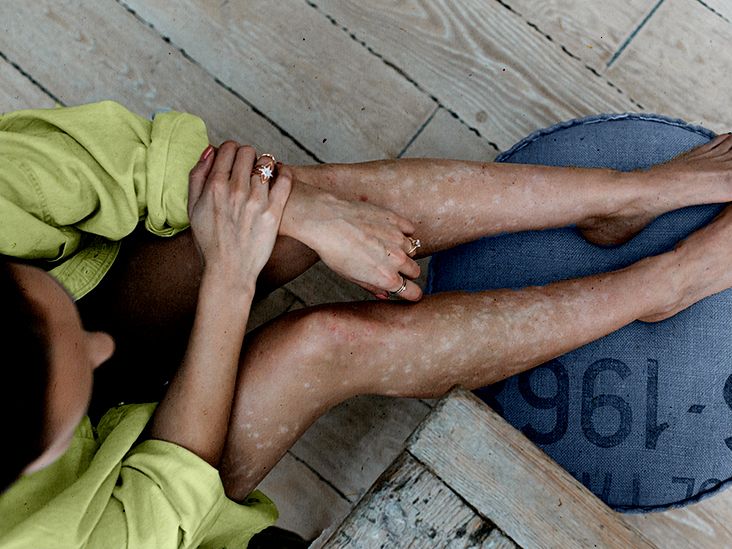
Psoriasis can behave like an unpredictable houseguest. It may stay quiet for months, suddenly appear during a stressfivery as though it had been waiting in the parking lot. Because these changes often coincide with major hormonal shifts, many people naturally wonder whether hormones cause psoriasis.
The relationship is real, but it is not simple. Psoriasis is primarily a chronic, immune-mediated inflammatory disease influenced by genetics, the immune system, environmental triggers, and overall health. Hormones do not appear to be the single cause. Instead, they can act like volume controls, turning inflammatory activity up or down at different stages of life.
Estrogen, progesterone, testosterone, cortisol, insulin, thyroid hormones, and vitamin D-related signaling may all interact with the skin or immune system. Understanding those connections can help people recognize flare patterns, prepare for hormonal transitions, and discuss treatment choices more effectively with their healthcare professionals.
Research basis: NIAMS, National Psoriasis Foundation, and AAD psoriasis resources. t Psoriasis Actually Is
Psoriasis develops when an overactive immune response accelerates the production of skin cells. Instead of taking roughly a month to mature and shed, affected cells may complete the process within only a few days. The extra cells collect on the skin’s surface, creating plaques that may be raised, scaly, itchy, painful, or discolored.
The condition can affect the scalp, elbows, knees, hands, feet, nails, genitals, and skin folds. Some people also develop psoriatic arthritis, which can cause joint pain, swelling, stiffness, and lasting joint damage when it is not treated appropriately.
Genes create susceptibility, but symptoms may emerge or worsen after infections, skin injuries, certain medications, smoking, heavy alcohol use, cold weather, or emotional stress. Hormonal changes belong on this list of possible influences, although their effects vary dramatically among individuals.
How Hormones May Influence Psoriasis
Hormones are chemical messengers that travel through the bloodstream and coordinate processes such as reproduction, metabolism, sleep, stress responses, temperature regulation, and tissue growth. The skin is not merely decorative wrapping; it contains hormone receptors and participates in immune and endocrine signaling.
Psoriasis is strongly associated with inflammatory pathways involving immune cells and signaling proteins such as tumor necrosis factor, interleukin-17, and interleukin-23. Sex hormones can influence several parts of this network. They may affect T-cell behavior, inflammatory cytokines, blood vessels, skin-barrier function, and the activity of keratinocytesthe cells that make up most of the epidermis.
However, the same hormone can produce different effects depending on its concentration, the receptors involved, a person’s age, genetics, medications, and metabolic health. Biology, apparently, did not receive the memo requesting a simple answer.
Estrogen and Psoriasis Inflammation
Estrogen receives the most attention because psoriasis sometimes changes during pregnancy, after childbirth, and around menopause. Laboratory research suggests that estrogen can alter inflammatory signaling and may reduce certain immune responses involved in psoriasis under some conditions.
Higher estrogen levels may support skin hydration, collagen production, wound repair, and barrier function. Estrogen can also affect the balance of immune cells that promote or limit inflammation. These effects may partly explain why some women notice clearer skin when estrogen rises substantially during pregnancy.
Still, estrogen is not automatically anti-inflammatory. Its effects depend on dose, timing, tissue, receptor type, and the presence of other hormones. This helps explain why two people experiencing similar hormonal changes can have completely different psoriasis outcomes.
Psoriasis During Puberty
Psoriasis can begin at any age, but onset is common during adolescence. Puberty brings major changes in estrogen or testosterone, along with shifts in oil production, body composition, sleep, mood, and immune activity.
That timing does not prove that puberty hormones directly cause psoriasis. Adolescents also experience infections, emotional stress, changing body weight, skin injuries, and new environmental exposures. A teenager who develops guttate psoriasis after strep throat, for example, has a clearer immediate trigger than puberty itself.
Hormonal changes may nevertheless lower the threshold for inflammation in a genetically susceptible person. Parents should seek medical evaluation for persistent scaly patches rather than assuming the problem is acne, eczema, ringworm, or “just hormones.”
Menstrual Cycles and Monthly Flares
Some people report that psoriasis becomes itchier, redder, or more uncomfortable shortly before or during menstruation. Estrogen and progesterone fall during the late luteal phase, while changes in body temperature, fluid balance, sleep, pain sensitivity, and mood may add to the experience.
Reviews of menstrual-related skin disorders recognize psoriasis as one of the chronic conditions that may worsen around menstruation. However, large prospective studies remain limited. Monthly flares may also reflect premenstrual stress, disrupted sleep, changes in medication adherence, or increased skin sensitivity.
A symptom diary can be more useful than guessing. Record menstrual dates, plaque severity, itching, joint symptoms, sleep, stress, infections, medications, and new products for at least two or three cycles. A repeating pattern does not prove causation, but it gives a dermatologist valuable evidence.
Pregnancy: Improvement Is Common, Not Guaranteed
Pregnancy provides some of the strongest clinical evidence that hormonal changes can modify psoriasis. Estrogen and progesterone rise dramatically, while the immune system adjusts to support pregnancy.
In a frequently cited prospective study involving pregnant patients with psoriasis, approximately 55% reported improvement, 21% experienced little or no change, and 23% became worse. Researchers found that improvement correlated more closely with rising estrogen levels and the balance between estrogen and progesterone than with progesterone alone.
These averages cannot predict what will happen to one person. Someone whose plaques nearly disappear during one pregnancy may not have the same experience during another. Treatment changes made before conception can also influence disease activity.
Pregnancy course evidence. Postpartum Hormone Drop
After delivery, estrogen and progesterone levels fall rapidly. At the same time, new parents may be recovering physically, sleeping in fragments, experiencing emotional stress, and adjusting medications. It is almost an inflammation-themed obstacle course.
Postpartum psoriasis flares are common, particularly during the first several months. For that reason, a postpartum treatment plan should ideally be discussed before delivery. The plan may need to account for breastfeeding, nipple or breast psoriasis, interrupted sleep, and the practical challenge of following a complicated skin-care routine while caring for a newborn.
Pregnant or breastfeeding patients should never assume that every topical or systemic treatment is safe. Methotrexate, acitretin, and tazarotene are among the treatments that require special avoidance around pregnancy. Other options, including moisturizers, selected topical corticosteroids, phototherapy, and certain systemic therapies, may be considered according to individual circumstances.
Pregnancy treatment guidance. opause and Psoriasis
Menopause is associated with declining estrogen levels. The skin may become drier, thinner, less elastic, and more vulnerable to irritation. Hot flashes can increase sweating, while sleep disruption and mood changes can raise stress. These factors may make existing psoriasis feel more severe even when the measurable plaque area has changed only slightly.
Some patients report new or worsening psoriasis around perimenopause and menopause. Researchers have also observed patterns suggesting that later-onset psoriasis may be relatively common among women. Nevertheless, menopause has not been proven to directly cause psoriasis, and not everyone experiences deterioration.
Dry menopausal skin can sometimes be mistaken for a flare. Conversely, a true flare may be dismissed as ordinary dryness. A dermatologist can distinguish psoriasis from eczema, contact dermatitis, fungal infections, and age-related skin changes.
Does Menopausal Hormone Therapy Help?
Current evidence does not support using menopausal hormone therapy specifically as a psoriasis treatment. Research findings are mixed. A secondary analysis of randomized Women’s Health Initiative trials found no statistically significant increase in psoriasis with estrogen-only therapy and observed a lower incidence in one estrogen-plus-progestin group.
In contrast, large observational studies published more recently have reported an association between hormone therapy and a higher rate of newly diagnosed psoriasis. Observational findings cannot establish that hormone therapy caused the disease because users and nonusers may differ in many ways.
The practical conclusion is not that hormone therapy is universally helpful or harmful. Decisions should be based on menopausal symptoms, age, cardiovascular and cancer risks, treatment formulation, personal preferences, and medical history. Someone already taking hormone therapy should not stop it because of a headline or a new rash without consulting the prescribing clinician.
Mixed hormone-therapy findings. t About Testosterone and Androgens?
The connection between psoriasis and testosterone is less clearly defined. Some studies have identified lower testosterone levels in men with psoriasis, particularly among those with severe inflammation or metabolic disease. It remains uncertain whether lower testosterone contributes to psoriasis or whether chronic inflammation, obesity, medication use, or poor health lowers testosterone.
Small reports of improvement after testosterone replacement cannot establish a standard treatment. Testosterone therapy carries risks and should be prescribed only for a properly diagnosed hormonal disordernot as an experimental psoriasis shortcut.
Research involving gender-affirming hormone therapy is also limited. Early surveys suggest that some transgender adults perceive changes in psoriasis after starting hormones, but larger longitudinal studies are needed. Dermatology care should focus on the individual’s symptoms and goals without making assumptions based on gender identity.
Stress Hormones and the Psoriasis Cycle
Stress is one of the most commonly reported psoriasis triggers. The body responds to stress through the hypothalamic-pituitary-adrenal axis, which regulates cortisol and other chemical messengers. Skin cells also participate in local stress-response systems.
Researchers have found altered stress responses in some people with psoriasis, especially those who describe their disease as stress-sensitive. This does not mean that every flare is caused by “too much cortisol” or that a commercial cortisol detox will fix it. Cortisol patterns are complex, and chronic inflammation may alter the stress system rather than simply result from it.
Psoriasis and stress can create a feedback loop. Stress contributes to itching and inflammation; visible plaques then cause embarrassment, poor sleep, or anxiety; those problems create more stress. Breaking even one section of the loop through effective treatment, counseling, exercise, relaxation techniques, or better sleep may help.
Stress and neuroendocrine evidence. ulin, Leptin, and Metabolic Hormones
Psoriasis is associated with obesity, insulin resistance, type 2 diabetes, abnormal cholesterol levels, and cardiovascular disease. These conditions share inflammatory pathways, although the relationships run in multiple directions.
Fat tissue is biologically active. It releases hormone-like substances called adipokines, including leptin and adiponectin, that affect appetite, insulin sensitivity, and immune signaling. Excess visceral fat may contribute to systemic inflammation, while psoriasis-related inflammation can make metabolic health more difficult to manage.
In a long-term study of postmenopausal women, higher baseline insulin resistance was associated with a greater likelihood of developing psoriasis. That does not make insulin resistance a guaranteed cause, but it reinforces the value of checking blood pressure, blood sugar, cholesterol, and body-weight trends.
Weight management may improve general health and, for some patients, psoriasis severity or response to treatment. The goal should be supportive care rather than blame. Psoriasis is not a punishment for eating dessert, and shame has never been an FDA-approved therapy.
Metabolic evidence and guideline support. roid Hormones and Psoriasis
Studies have found that autoimmune thyroid disease occurs more frequently among people with psoriasis than among comparison groups. Shared immune-system tendencies may contribute to the overlap. However, an association does not mean that thyroid disease causes every case of psoriasis.
Routine thyroid testing is not automatically necessary for every minor flare. Testing becomes more relevant when someone has symptoms such as persistent fatigue, unexplained weight changes, temperature intolerance, menstrual changes, heart palpitations, neck swelling, constipation, or a family history of autoimmune thyroid disease.
Treating an actual thyroid disorder is important for overall health, but thyroid medication is not a direct psoriasis cure. Both conditions may still require their own treatment plans.
Thyroid association evidence. amin D: A Hormone-Like Player
Vitamin D behaves more like a hormone than a typical vitamin. It helps regulate calcium, bone health, immune activity, and skin-cell growth. This is why topical vitamin D analogs such as calcipotriene are established psoriasis treatments.
Low blood vitamin D levels are frequently reported in people with psoriasis, but low levels do not prove that vitamin D deficiency caused the disease. Reduced outdoor activity, body weight, diet, inflammation, and other factors may influence both.
Topical vitamin D treatment is not the same as swallowing very large supplement doses. High-dose vitamin D can cause dangerously elevated calcium levels, kidney problems, and heart rhythm disturbances. Supplements should be selected according to dietary intake, laboratory results, and professional guidance.
How to Recognize a Hormone-Related Pattern
There is no single blood test that confirms “hormonal psoriasis.” A clinician usually identifies a possible relationship by reviewing the timing of symptoms, major life stages, medications, and other health conditions.
Track More Than the Rash
A useful diary should record plaque location, itching, pain, joint stiffness, menstrual dates, pregnancy or postpartum stage, menopausal symptoms, sleep, stress, infections, weight changes, and medication use. Photos taken under similar lighting can document changes more reliably than memory.
Avoid Ordering a Random Hormone Panel
Hormone levels naturally change by time of day, menstrual phase, age, pregnancy status, and medication use. A large commercial panel without a specific clinical question can produce confusing results. Testing should target symptomsfor example, thyroid testing for thyroid-related signs or reproductive-hormone evaluation for irregular periods and fertility concerns.
Review Every Medication and Supplement
Tell the dermatologist about contraceptives, fertility medications, menopausal hormone therapy, gender-affirming hormones, corticosteroids, thyroid medication, vitamins, and herbal products. Do not stop prescribed treatments abruptly. A flare after changing medication may result from the underlying disease returning rather than from the hormone itself.
Managing Psoriasis Through Hormonal Transitions
The most effective strategy is usually preparation rather than hormone manipulation. People planning pregnancy should review medications with a dermatologist and obstetric clinician well before conception. Those approaching menopause can discuss skin dryness, sleep, metabolic health, and treatment tolerability before symptoms become overwhelming.
Consistent moisturization, gentle cleansing, appropriate prescription treatment, stress management, regular movement, sufficient sleep, and medical care for metabolic or thyroid disorders can all support disease control. Moderate or severe psoriasis may require phototherapy, oral medication, or biologic therapy targeting specific immune pathways.
Seek prompt medical attention for widespread redness, fever, rapidly spreading pustules, dehydration, severe pain, or symptoms affecting nearly the entire body. New joint swelling, prolonged morning stiffness, heel pain, or swollen fingers and toes should also be evaluated for psoriatic arthritis.
Illustrative Experiences: What Hormone-Linked Flares Can Feel Like
The following experiences are fictional composites based on patterns commonly discussed in clinical research and patient education. They are not quotations from specific patients and should not be treated as diagnostic examples.
A Monthly Pattern That Was Easy to Miss
Maya had lived with scalp psoriasis since college. She believed her shampoo had stopped working because the itching seemed to return without warning. After several frustrating monthsand enough abandoned hair products to stock a small salonshe began recording her symptoms.
The diary showed that itching and flaking usually increased three or four days before menstruation. Her plaques did not completely disappear during the rest of the month, but the cycle appeared to influence their intensity. Sleep also declined during the same premenstrual window, and she was more likely to scratch at night.
Her dermatologist did not diagnose a hormone disorder or recommend hormonal treatment. Instead, they created a plan for using her prescribed scalp medication more strategically when symptoms began rising. Maya also changed her nighttime routine to reduce scratching. Hormones were probably one contributor, but the useful discovery was the predictable timing.
Clearer Skin During Pregnancy, Followed by a Postpartum Flare
During the second trimester of her pregnancy, Erin noticed that plaques on her elbows and knees had become flatter and less scaly. By the third trimester, several areas were barely visible. She jokingly referred to pregnancy as the least convenient spa treatment ever invented.
Six weeks after delivery, the plaques returned, joined by new patches around areas where clothing rubbed. Sleep deprivation, stress, medication changes, skin friction, and the rapid postpartum hormone shift may all have contributed.
Fortunately, Erin and her dermatologist had discussed this possibility before delivery. She already knew which topical treatments were compatible with her feeding plan and whom to contact if symptoms spread. The flare was still unpleasant, but it did not become a medical scavenger hunt conducted on three hours of sleep.
When Menopause, Dry Skin, and Psoriasis Overlapped
Denise had controlled mild plaque psoriasis for years. During perimenopause, she developed widespread dryness, nighttime itching, hot flashes, and worsening patches on her lower legs. She initially assumed that falling estrogen had directly caused an unstoppable psoriasis flare.
Her examination revealed a more complicated picture. Some areas were active psoriasis, while others were irritant dermatitis caused by dry skin and frequent hot showers. Blood testing prompted by fatigue and cold intolerance also identified a thyroid condition requiring separate treatment.
Her care plan combined psoriasis medication, a thicker fragrance-free moisturizer, shorter lukewarm showers, and thyroid management through her primary-care clinician. Menopause had changed the background conditions, but not every symptom came from the same source.
The Value of Treating the Person, Not Just a Hormone Number
These experiences illustrate why timing matters but self-diagnosis can mislead. A flare occurring during menstruation, pregnancy, postpartum recovery, or menopause may be influenced by hormones without being caused exclusively by them. Stress, sleep, infection, medication changes, friction, and metabolic health often arrive at the same partyand none brought name tags.
The most productive approach is to document patterns, obtain an accurate skin diagnosis, and coordinate care when reproductive, thyroid, or metabolic symptoms are present. The objective is not to achieve a theoretically perfect hormone level. It is to control inflammation safely while supporting the person’s health, comfort, and stage of life.
Conclusion
Hormones and psoriasis are connected through a complicated network involving the immune system, skin barrier, metabolism, and stress response. Estrogen-related changes during pregnancy and after childbirth provide some of the clearest evidence, while menstrual, menopausal, thyroid, testosterone, and hormone-therapy relationships remain less predictable.
Hormones should therefore be viewed as potential modifiers rather than the sole cause of psoriasis. Tracking symptoms through hormonal transitions can reveal useful patterns, but treatment decisions should remain grounded in disease severity, overall health, pregnancy plans, comorbidities, and professional medical guidance.
Medical note: This article provides general educational information and is not a substitute for diagnosis or individualized medical advice. Consult a dermatologist or other qualified healthcare professional before changing psoriasis medication, hormone therapy, contraception, thyroid treatment, or supplementsespecially during pregnancy or breastfeeding.