Some household objects are born to be ignored. The door stop is usually one of them: a sad little rubber wedge hiding behind a plant, doing honest work while receiving absolutely no applause. Then along comes the Piccolina Door Stop by Swell Studio, a sculptural stone wedge that makes the humble task of holding a door open feel unexpectedly glamorous.
Designed by Hudson Valley-based Swell Studio, Piccolina transforms reclaimed Italian stone remnants into a small but memorable home accessory. It is practical, weighty, handmade, and visually interesting enough to make guests ask, “Wait, is that your door stop?” That is a rare sentence in the history of interior design.
This article explores what makes the Piccolina Door Stop special, how it works in real homes, where it fits best, how to care for it, and why a tiny object at floor level can have an outsized effect on a room.
What Is the Piccolina Door Stop by Swell Studio?
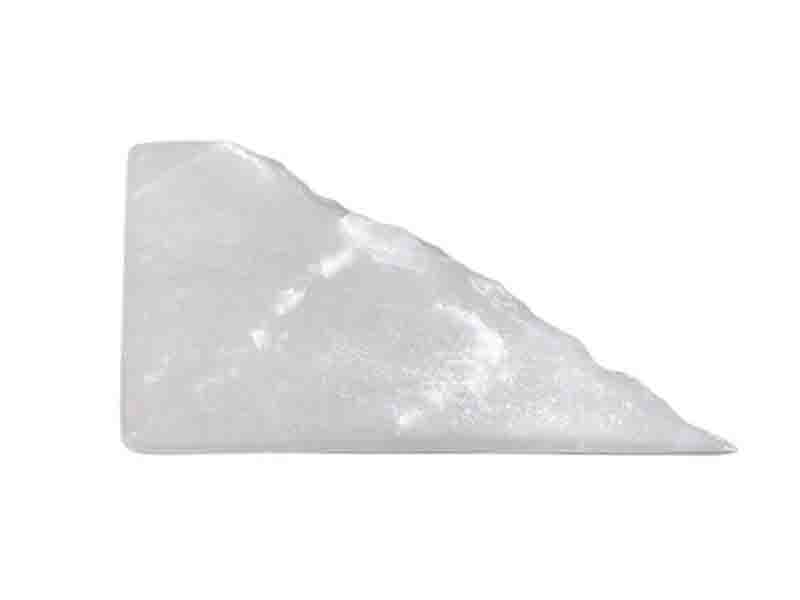
The Piccolina Door Stop is a handcrafted wedge-style door stop made from stone remnants used in Swell Studio’s furniture and lighting production. Rather than treating leftover material as an inconvenient pile of expensive crumbs, the studio cuts, sands, and polishes each piece into a functional object designed for everyday interiors.
The result is not a mass-produced plastic wedge pretending to be useful. It is a small piece of natural stone with a gentle incline, designed to sit beneath a door and help keep it open. An anti-slip pad on the underside helps the piece stay in position on smooth flooring, giving the object a practical foundation beneath its polished exterior.
Piccolina has been offered in different stone selections and sizes depending on material availability. Variations have included alabaster, travertine, and breccia, which means no two pieces should be expected to look exactly alike. That is part of the point. Natural stone does not do copy-and-paste.
Approximate Piccolina Door Stop Sizes
- Large Piccolina: Approximately 6.5 to 8 inches long and 2.5 to 3.5 inches high.
- Small Piccolina: Approximately 4 to 5.5 inches long and 1.5 to 2.5 inches high.
- Materials: Stone remnants with unique veining, color movement, texture, and natural variation.
- Base: Anti-slip padding intended to help the door stop remain stable on the floor.
In other words, Piccolina is closer to a compact piece of functional sculpture than a traditional hardware-store door wedge. It does one simple job, but it does it while looking like it might have wandered out of a gallery and decided to become useful.
Why a Designer Door Stop Matters More Than You Think
A door stop is a small object, but it sits at an important intersection of function and design. It protects walls, helps maintain airflow, keeps a door from drifting shut, and can make a room easier to navigate while carrying laundry, groceries, coffee, a laptop, or the emotional burden of opening a third utility bill.
Most door stops are designed to disappear. The Piccolina Door Stop by Swell Studio takes the opposite approach. It makes the functional object visible and intentional. Instead of hiding it behind a door, you can leave it in plain sight.
This matters especially in homes where materials are doing much of the decorating work. A stone door stop can quietly connect with marble countertops, limestone flooring, travertine tiles, ceramic lamps, plaster walls, oak furniture, brass hardware, or other natural finishes. It is a small visual bridge between the architecture of a room and the things living inside it.
That is the magic of well-designed utility: it solves a problem without looking like it was dragged in from the supply closet.
The Appeal of Reclaimed Stone Design
The strongest idea behind Piccolina may be its material story. Swell Studio uses remnants from larger furniture and lighting projects, giving stone pieces that might otherwise remain unused a second life. That does not automatically make a product environmentally perfect; stone still requires extraction, fabrication, transportation, and energy. However, using existing offcuts is a thoughtful way to make more use of material already in the studio.
In design, remnants are often where personality appears. A large slab may be selected for consistency, but offcuts can reveal the odd veins, unexpected mineral clouds, color shifts, and irregular edges that make stone feel alive. Piccolina embraces that unpredictability rather than trying to sand every piece into bland sameness.
Travertine may bring soft cream, tan, or sandy beige tones. Breccia can feel more dramatic, with fragments and movement that read almost like a miniature landscape. Alabaster can offer a quieter, cloudy presence with a warm and luminous quality. Each version changes the personality of the object while preserving its core purpose.
Natural Variation Is a Feature, Not a Flaw
Buyers accustomed to factory-perfect products may need a small mental adjustment. Stone has veins. It has pores. It has flecks, tonal changes, and occasional marks that prove it was formed by geology rather than an algorithm. The Piccolina Door Stop is not supposed to look identical to a product photo. It is supposed to look like a real piece of stone.
That individuality gives the object a collectible quality. Even though it is modest in scale, each Piccolina can feel personal because the material pattern is inherently one of a kind.
How the Piccolina Door Stop Works in Everyday Use
At its core, the Piccolina Door Stop is a wedge. The lower edge slides under an open door, while the incline creates resistance that helps prevent the door from swinging back. The anti-slip pad beneath the stone is especially useful because smooth floors can turn lesser door wedges into tiny escape artists.
Its usefulness depends on the gap beneath your door, the weight of the door, the flooring material, and whether the door is pushed by drafts, pets, children, or an overenthusiastic ceiling fan. A heavy solid-core door may require the larger version or a more firmly placed wedge. A lightweight interior door may work well with the small version.
Before buying any decorative door stop, check the clearance beneath the door. If the gap is extremely narrow, a tall wedge may not fit properly. If the gap is unusually large, the door stop may not create enough contact to hold the door securely. The glamorous stone wedge should not be forced under a door like it owes you money.
Best Places to Use a Marble Door Stop
- Bedroom doors that tend to drift closed.
- Home office doors where airflow matters.
- Guest room doors that need to stay open while cleaning or unpacking.
- Bathroom doors when the room is unoccupied and ventilation is needed.
- Interior French doors that benefit from a beautiful, removable stop.
- Closet doors in spaces where a permanent wall-mounted stop would feel too industrial.
- Studio apartments where every practical object is visible and therefore needs to earn its aesthetic keep.
It is not intended to function as a security device, a child-safety product, or a substitute for proper door hardware. It is also wise to avoid placing any heavy stone object where it could become a tripping hazard, especially in a narrow hallway, near stairs, or in a busy pathway after dark.
How to Style the Piccolina Door Stop
The easiest way to style Piccolina is to stop trying too hard. Its charm comes from its ability to sit quietly at the edge of a room and look right at home. It works best when it feels like a natural extension of the materials already present.
In a Warm Minimalist Interior
Pair a travertine-toned Piccolina with white walls, oak floors, linen curtains, and low-profile furniture. The stone adds warmth without introducing another loud color. It becomes part of the room’s texture story: wood, fabric, plaster, stone, and one very competent door wedge.
In a Vintage or Eclectic Home
A breccia version can be a smart choice in a room with antique wood furniture, framed art, patterned rugs, and collected objects. The movement in the stone gives it enough visual energy to hold its own among older pieces without looking excessively polished or precious.
In a Modern Apartment
Use a lighter stone variation beside a black-framed door, chrome hardware, sculptural lighting, or dark-stained flooring. The contrast between cool stone and crisp architectural lines can make the door stop feel intentional rather than decorative clutter.
In a Small Space
Small homes benefit from objects that serve a purpose while also contributing to the room’s visual identity. Piccolina takes up almost no space, does not need installation, and can move with you from room to room. It is a compact answer to the question, “Can this object be useful and attractive?”
Piccolina Door Stop vs. Ordinary Door Stops
An ordinary rubber wedge is cheaper, lighter, and easier to replace. There is nothing wrong with that. Rubber wedges are the sweatpants of door hardware: comfortable, dependable, and not usually invited to the fancy dinner party.
The Piccolina Door Stop occupies a different category. It is for people who appreciate handcrafted objects, natural materials, and small design moments. You are not buying it because a door stop cannot be found for less money. You are buying it because the object becomes part of the room rather than an apology for the room.
Compared with wall-mounted stops, Piccolina does not require drilling. Compared with magnetic door catches, it does not need installation or alignment. Compared with a heavy cast-iron stop, it has a softer visual profile and a more contemporary feel. Its removable design also makes it useful for renters who want a decorative door solution without changing the walls or flooring.
How to Care for a Stone Door Stop
Piccolina is designed for the floor, not the kitchen counter, but natural stone still benefits from gentle treatment. Routine care is simple: wipe it with a soft, damp cloth and dry it afterward. For a deeper clean, use a mild pH-neutral cleaner or a small amount of gentle dish soap diluted in warm water.
Avoid vinegar, lemon-based cleaners, bleach, abrasive powders, harsh scrubbing pads, and rough tools. Acidic or abrasive products can dull, etch, or scratch certain natural stones. The goal is to keep the surface looking like stone, not like it survived an argument with a scouring pad.
If the door stop collects dust or grit along the bottom edge, clean it before sliding it across delicate flooring. Even a beautiful object can become a tiny floor-scratching villain if dirt gets trapped underneath it. Check the anti-slip pad periodically and keep it free from debris so it can do its job properly.
Is the Piccolina Door Stop Worth It?
The answer depends on how you think about home objects. If you see a door stop as purely functional, a basic wedge will do the job for much less. If you enjoy thoughtful materials, handmade design, and objects that improve a room without shouting for attention, Piccolina makes a strong case for itself.
Its value comes from several layers working together: reclaimed stone material, hand-finishing, natural variation, compact sculptural form, practical anti-slip functionality, and the design perspective of Swell Studio. It is an example of how a small utility item can feel more personal than a large decorative purchase.
For design lovers, renters, collectors of small objects, and anyone who has ever looked at a generic door wedge and thought, “This could be less depressing,” the Piccolina Door Stop is an unusually charming answer.
Final Thoughts on the Piccolina Door Stop by Swell Studio
The Piccolina Door Stop by Swell Studio proves that even the most ordinary household task can be handled with care, material intelligence, and a little personality. It turns a practical wedge into a polished stone object with a story behind it.
It will not organize your closet, answer your emails, or convince your cat to stop yelling at 4 a.m. But it can hold a door open beautifully, protect a room from unnecessary bumps and bangs, and add one more thoughtful detail to the home. For a small piece of stone, that is a surprisingly big job.
Experiences with the Piccolina Door Stop by Swell Studio
Living with a well-designed door stop is one of those tiny home experiences that seems unnecessary until it becomes part of your routine. The Piccolina Door Stop is not the kind of object that demands attention every day. In fact, its success comes from the opposite. It quietly solves a recurring annoyance while making the corner of a room look better than it did before.
Imagine a home office with a door that slowly swings shut whenever the air conditioning turns on. It is not a dramatic problem. Nobody is writing a complaint letter about it. Still, the repeated click of the latch can interrupt a call, cut off airflow, or make the room feel oddly closed-in. Sliding Piccolina beneath the door creates an instant solution. The door stays open, the room feels connected to the rest of the home, and the stone wedge looks far more intentional than a rolled-up sock or a random paperback book.
In a bedroom, the experience is different. A small Piccolina can sit near the baseboard beside a partially open door, almost disappearing until it is needed. During laundry day, it keeps the door open while you move baskets in and out. When guests visit, it can help keep a guest room welcoming and airy. When the room is quiet, the natural veining in the stone becomes a small detail you notice while walking past.
For renters, the removable nature of the door stop is especially appealing. There is no drilling into trim, no guessing whether the landlord will notice a new hole, and no need to carry a toolbox into the hallway. You simply place it where it works. When moving day arrives, it goes into a box and travels with you. Unlike a wall-mounted stop, it can adapt to a new apartment, a new floor plan, or a completely different decorating style.
There is also something satisfying about using a small handmade object in a repetitive daily task. Opening a patio-adjacent interior door in the morning, placing the stone wedge, and letting fresh air move through the room can become a quiet ritual. It is a tiny interaction, but good interiors are often built from tiny interactions. The drawer that closes smoothly. The lamp that makes a corner useful. The hook that keeps a bag off the floor. The door stop that does not look like it came free with a bag of discount hardware.
Piccolina also works well in homes where people care about material continuity. A homeowner with travertine tile may enjoy a similar stone note near a hallway door. Someone with a marble side table may like the subtle echo of stone at floor level. In an eclectic room, a breccia version can introduce a little visual movement near a plain painted door, offering a grounded contrast to softer fabrics and wood furniture.
The object’s physical presence changes the experience, too. A stone door stop feels more substantial than a foam or plastic alternative. You notice the weight when you lift it, the coolness of the surface, and the slightly different pattern from one face to another. It feels less disposable. That does not mean it should be tossed around or dropped on hardwood flooring, because stone is charming right up until it meets a toe at 2 a.m. Still, handled thoughtfully, it brings a sense of permanence to an object category that is usually forgettable.
The best experience with Piccolina is probably this: after a few weeks, you stop thinking about the door itself. It stays where you want it. The room works better. The wall is protected. The object sits there quietly, looking good and doing its job. In the strange and wonderful world of home design, that is a small victory worth appreciating.