If your kitchen has ever felt one coffee mug away from complete aesthetic collapse, a good towel can help more than you might think. Yes, really. The Blend Kitchen Towel – Grey lives in that sweet spot where practical housekeeping meets quiet style. It is not flashy. It is not trying to be the main character. It is simply the kind of kitchen towel that makes a countertop look calmer, a drying rack look more intentional, and a busy cooking routine feel just a little more civilized.
That is the charm of a grey kitchen towel made from a cotton-linen blend. It does the jobs you actually need a towel to dodry dishes, wipe hands, catch drips, polish glassware, and hang there looking respectable after the chaos of dinner prep. Better yet, it avoids the two extremes that plague many kitchen textiles: the towel that is gorgeous but useless, and the towel that works hard but looks like it came from a suspicious bucket under the sink.
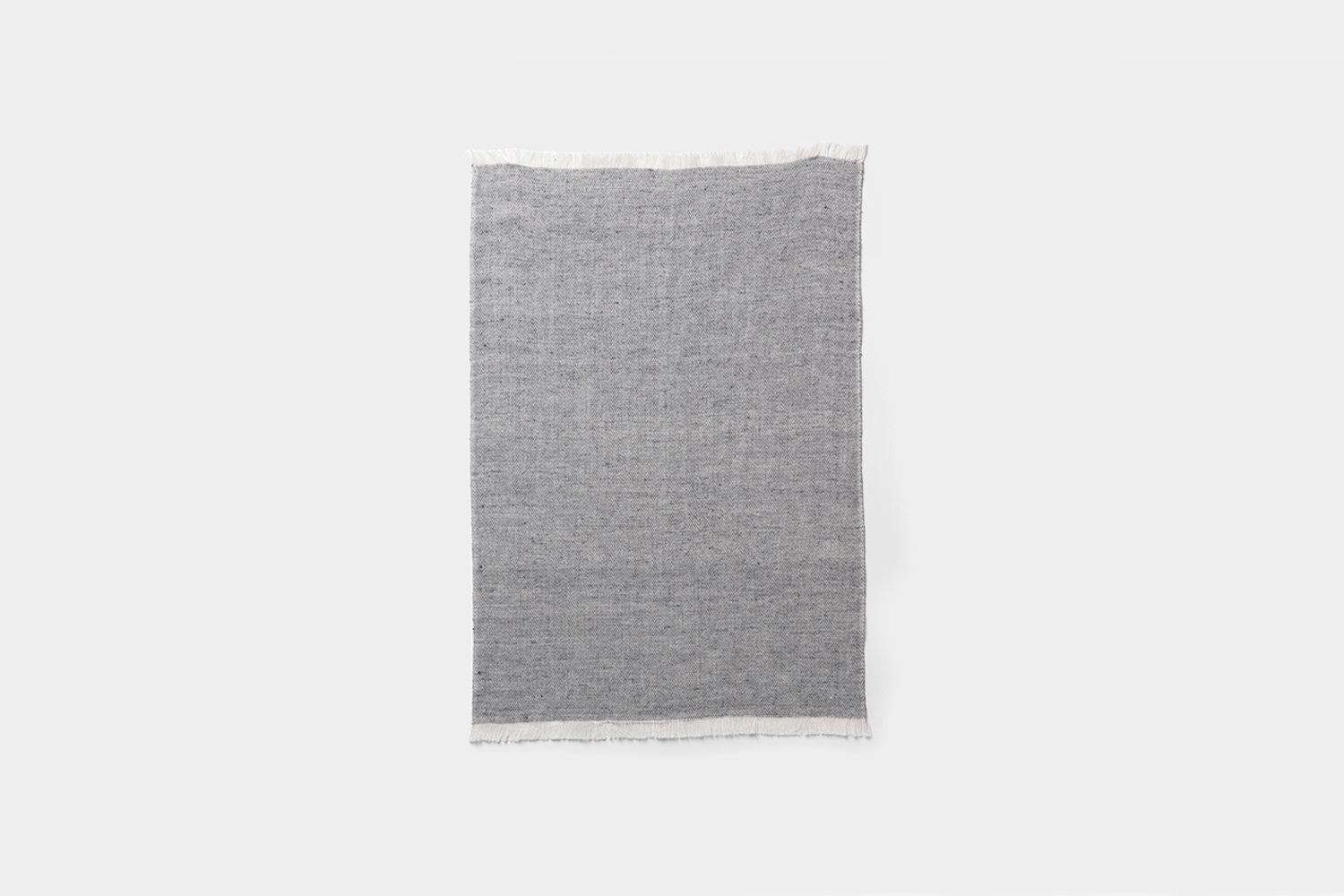
In the case of the Blend Kitchen Towel – Grey, the appeal is straightforward but surprisingly layered. The product is associated with a classic blend of 50% cotton and 50% linen, a compact yet useful size, and a loosely woven construction that gives it a humble-luxury character. Translation: it looks relaxed, feels tactile, and works in a real kitchen rather than a fantasy one where nobody ever spills pasta water.
Why the Blend Kitchen Towel – Grey Works So Well
The best kitchen towels balance four things: absorbency, drying speed, durability, and appearance. Most towels are good at one or two. Great ones cover all four.
The cotton portion of a blend helps with softness and everyday absorbency. Cotton is the familiar workhorse of kitchen textiles. It is comfortable to handle, easy to wash, and great for routine tasks like drying hands or wiping down a prep area. Linen, on the other hand, brings structure, strength, and faster drying. It tends to feel a little crisper at first, but it ages beautifully and often becomes softer with repeated laundering. Together, cotton and linen create a towel that feels substantial without becoming bulky.
That combination matters in a kitchen. A thick terry towel can be wonderful for heavy-duty drying, but it can also stay damp longer than you would like. A super-thin decorative towel may look pretty draped over an oven handle, but the second you ask it to handle a wet mixing bowl, it emotionally checks out. A linen-cotton kitchen towel occupies the middle ground: absorbent enough for daily work, breathable enough to dry relatively fast, and elegant enough to leave out in plain sight.
The “blend” concept also makes visual sense. A woven mix of fibers often gives fabric more depth than a flat, one-note finish. In grey, that becomes especially effective. Instead of reading as dull, the color can look tonal, textured, and slightly heathered. It has movement. It has nuance. It whispers “organized adult” without screaming “I alphabetize my spices for sport.”
The Beauty of Grey in a Busy Kitchen
Grey is one of the smartest colors for kitchen textiles because it plays well with almost everything. White kitchens love it. Black hardware loves it. Wood cabinets love it. Stainless steel appliances practically write it poetry. Whether your space leans farmhouse, minimalist, Scandinavian, industrial, or “I rent and am doing my best,” grey belongs there.
There is also a practical advantage. Grey tends to hide minor visual chaos better than bright white while still looking clean and refined. It can soften the appearance of everyday wear between washes, especially in a kitchen where towels are in constant rotation. That does not mean you should treat your towel like an immortal rag from the underworld. It simply means the color is forgiving enough for real life.
Design-wise, a grey kitchen towel offers flexibility. It can be layered with white ceramics for a crisp, modern feel. It can sit next to warm oak cutting boards for a natural, understated look. It can tone down colorful cookware and patterned dishes. In other words, it is a useful visual bridge. If your kitchen has a lot going on, grey calms it down. If your kitchen is quiet and neutral, grey adds texture without breaking the mood.
Material Breakdown: Cotton, Linen, and Why the Blend Matters
Cotton brings comfort and absorbency
Cotton is beloved for a reason. It is soft, approachable, and effective. In kitchen towels, it helps pull moisture from dishes, hands, and countertops without feeling stiff or scratchy. Cotton also tends to be easy to maintain, which matters when your towel is constantly meeting olive oil, coffee drips, berry stains, and whatever mystery splash happened near the sink.
Linen brings speed and character
Linen is the overachiever with great bone structure. It is strong, breathable, and known for drying faster than many heavier weaves. It is especially good for tasks like polishing glassware, covering dough, or handling light-duty drying with a more refined touch. Linen also develops personality over time. It softens, relaxes, and looks better the more naturally it lives in your home.
A 50/50 blend gives you balance
A cotton linen blend kitchen towel makes sense because it solves the common complaints people have about each fiber on its own. Pure cotton can stay wet longer. Pure linen can feel too crisp for those who want softness right away. A balanced blend gives you a towel that feels tactile but not rough, absorbent but not soggy, stylish but not precious.
That is exactly why blend towels are so appealing in everyday kitchens. They are useful enough to work and polished enough to display. You do not have to hide them in a drawer like your least photogenic sponge.
How to Use a Blend Kitchen Towel – Grey in Real Life
A great towel earns its keep through versatility. The Blend Kitchen Towel – Grey is the kind of textile that can move through the day with you.
1. Dish drying
For plates, bowls, and cutlery, a cotton-linen blend towel offers a practical mix of absorption and control. It can remove moisture without feeling overly heavy in the hand.
2. Glassware polishing
Flatter weaves are often favored for delicate glassware because they leave less lint than some thicker terry constructions. That makes a blended towel a smart option for wine glasses, cocktail coupes, and the one fancy tumbler you only use when guests come over.
3. Hand drying during cooking
In active cooking sessions, you need a towel that is nearby, comfortable, and not offensively damp after ten minutes. A blend fabric is well suited to frequent hand use because it dries out faster between tasks than very plush alternatives.
4. Bread and baking tasks
Kitchen towels are not just for cleanup. They are also useful for covering proofing dough, wrapping warm rolls, or lining a basket for bread service. A grey towel adds understated style without competing with the food.
5. Casual styling
Sometimes the job is simply to make the kitchen look finished. Fold one over the oven handle, drape it by the sink, or stack it with other neutral linens. It adds softness and texture in a way that feels intentional rather than staged.
What Makes a Good Kitchen Towel Today
Modern shoppers expect more from kitchen towels than ever before. They want absorbency, yes, but they also want visual appeal, easy care, and materials that feel better than generic bargain-bin fabric. The good news is that the standards have improved. Better cotton weaves, thoughtful linen blends, and textured surfaces like waffle or flat weave all make it easier to choose towels based on actual function rather than hope.
When evaluating a towel like this, consider the following:
- Absorbency: Can it actually handle water, or is it just auditioning as decor?
- Drying speed: A kitchen towel that stays damp too long becomes annoying fast.
- Texture: Smooth or lightly textured weaves are often excellent for glassware and general drying.
- Durability: It should survive regular washing without becoming warped, crunchy, or weirdly dramatic.
- Style: Since kitchen towels are usually visible, they should add something to the room.
The Blend Kitchen Towel – Grey checks those boxes because it is rooted in a material combination that home and kitchen brands keep returning to for good reason. Cotton and linen remain reliable because they perform well and age gracefully. Grey remains popular because it is versatile, timeless, and easy to live with.
How to Care for a Grey Cotton-Linen Kitchen Towel
Good towels are not high-maintenance, but they do appreciate a little respect. If the product care guidance says 40° wash, follow it. That temperature is a helpful middle ground: warm enough to clean well, gentle enough to protect fibers and color over time.
Best care practices
- Wash kitchen towels regularly, especially after heavy use.
- Separate them from lint-heavy items when possible.
- Avoid overusing fabric softener, which can coat fibers and reduce absorbency.
- Do not overload the washer; towels need room to rinse properly.
- Air-dry or tumble dry according to the care label.
If a towel starts smelling musty, that is usually not a sign that it hates you personally. It just means moisture lingered too long. Prompt washing, proper drying, and not leaving towels crumpled on the counter for geological periods will help a lot.
Grey towels are also a smart choice for longevity because the color tends to age gracefully. While no kitchen textile is immune to turmeric, tomato sauce, or the occasional espresso disaster, a nuanced grey tends to hide minor wear better than bright white while still looking neat.
Who Should Buy a Blend Kitchen Towel – Grey?
This kind of towel is especially appealing for people who want their kitchen essentials to feel elevated without becoming fussy.
- Minimalists will appreciate the neutral color and clean texture.
- Home cooks will appreciate the practical balance of absorption and quick drying.
- Frequent hosts will appreciate how polished it looks around glassware and serving pieces.
- Gift givers will appreciate that it feels thoughtful, useful, and broadly compatible with different kitchen styles.
- People upgrading from random mismatched towels will appreciate finally feeling like their kitchen has entered adulthood.
It is also a smart entry point for anyone building a better linen rotation. Start with one or two, see how they perform, then add complementary neutrals if you want a more cohesive setup.
Final Thoughts
The Blend Kitchen Towel – Grey proves that even the most ordinary household item can be quietly brilliant when the details are right. A balanced cotton-linen blend offers softness, breathability, and dependable everyday performance. The grey tone adds depth, flexibility, and a calm visual presence that works in nearly any kitchen. And the overall effect is what good design should always be: useful, beautiful, and easy to live with.
In short, this is not just a towel. It is a small domestic upgrade. It dries dishes, polishes glasses, looks good hanging out, and makes the kitchen feel more put together with almost no effort. Frankly, that is a stronger résumé than most people’s houseplants.
Experience Section: Living with the Blend Kitchen Towel – Grey
Using the Blend Kitchen Towel – Grey over time feels a bit like discovering that one low-key friend who is somehow good at everything. At first, you notice the look. The grey tone is calm, versatile, and easy on the eyes. It does not shout for attention, which is probably why it ends up making everything else in the kitchen look better. White dishes seem brighter next to it. Wood cutting boards look warmer. Stainless steel feels less cold. Even a slightly chaotic countertop starts to look like a deliberate lifestyle choice instead of a cry for help.
Then you notice the texture. The towel has enough body to feel substantial, but it does not flop around like an overly dramatic blanket. When drying a stack of plates after dinner, it feels efficient rather than clumsy. When polishing a wine glass before guests arrive, it feels refined. When thrown over your shoulder while cooking, it somehow makes you feel 8% more competent. Scientific? No. Real? Absolutely.
One of the best experiences with a towel like this is how naturally it fits into a routine. In the morning, it can handle coffee drips and quick hand drying. At lunch, it can wipe down a prep surface after sandwich construction has gone suspiciously off-road with mustard. By dinner, it is helping with rinsed produce, damp hands, and the little puddle near the sink that appears as if summoned by ancient kitchen spirits.
The grey color also changes the emotional experience of using a kitchen towel. Bright white towels can feel lovely, but they sometimes come with a tiny layer of anxiety. One splash of sauce and suddenly everyone is on trial. Grey is more relaxed. It still looks clean and elevated, but it does not panic the second life happens. That makes it especially pleasant in real households where cooking is messy, schedules are tight, and nobody has time to treat a dish towel like museum fabric.
Another pleasant surprise is how a cotton-linen blend can improve with use. The towel begins with a crisp, tailored feel, then slowly softens into something more familiar and easygoing. It starts out polished and gradually becomes polished plus comfortable, which is honestly the dream for most home goods. Over several washes, that evolution makes the towel feel less like a purchase and more like part of the kitchen.
There is also a hosting angle. If you have people over, even casually, this type of towel quietly contributes to the atmosphere. It looks nice folded near a bread basket, draped beside a drying rack, or used to line a tray of warm pastries. It does not steal the show, but it absolutely supports the set. It is the backstage professional of the kitchen textile world, and every production needs one.
Most of all, the experience of using the Blend Kitchen Towel – Grey is satisfying because it combines utility and taste without making you choose. You do not have to buy a purely decorative towel that never touches water, and you do not have to settle for a workhorse towel that looks like it retired from a diner in 1997. You get something that performs well, ages well, and makes everyday kitchen life feel a little smoother. Not bad for a rectangle of fabric.