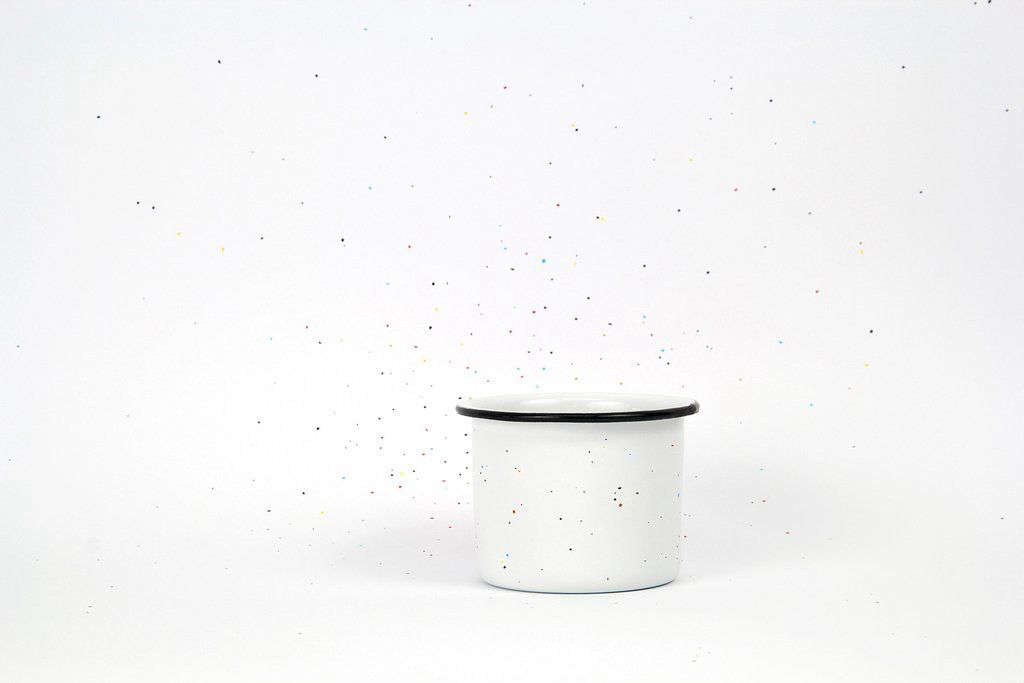
Some drinking cups politely sit on the table and do their job. Color peltre tumblers arrive wearing confetti, steal the attention from the centerpiece, and somehow make plain water look as though it has weekend plans.
These colorful enamel tumblers combine a lightweight steel body with a smooth porcelain-enamel surface. They feel casual enough for a backyard lunch, stylish enough for an indoor dinner party, and sturdy enough for the guest who talks with both hands. Behind that cheerful appearance, however, is a material with an interesting Mexican identity, a practical set of strengths, and a few care rules worth learning.
What Are Color Peltre Tumblers?
In Mexico, the word peltre commonly refers to porcelain-enameled steel kitchenware and tableware. This is different from traditional pewter, the soft metal alloy that English speakers usually associate with the word. Mexican peltre is made by bonding a glass-like enamel coating to formed steel at a high temperature, creating a hard, smooth surface over a lightweight metal core.
The Color Peltre Tumblers associated with Mexican design brand Diario were described as being made in Mexico City and sold in sets of two. Each tumbler measured approximately 7 centimeters tall and held about 11 fluid ounces, or 300 milliliters. Instead of using the familiar white enamel with dark speckles, the design introduced playful multicolored dots across the surface.
That capacity makes the cups large enough for water, juice, iced coffee, cocktails, beer, or an agua fresca, yet compact enough to stack neatly in a small cabinet. In other words, they are not tiny decorative cups that become useful only when a photographer visits.
Peltre Is Enamelware, Not Painted Tin
A well-made peltre tumbler is not simply a metal cup covered with ordinary paint. Porcelain enamel is a glass-based coating fused to steel through firing. Once cooled, it creates a hard, nonporous finish that does not absorb the flavor or aroma of a beverage under normal use. Modern enamelware is valued precisely because it combines the lightness of thin steel with the smooth eating and drinking surface of fired enamel.
This construction also explains the distinctive rim often seen on enamel cups. The rolled edge gives the thin steel body a more comfortable, reinforced shape. Depending on the design, the rim may be black, blue, or another contrasting color that frames the cup like eyeliner for your lemonade.
Why Colorful Peltre Drinkware Stands Out
It Adds Personality Without Looking Childish
Color peltre tumblers occupy a useful middle ground between formal glassware and disposable party cups. Their dotted or speckled finishes are playful, but the simple cylindrical form keeps them from looking like novelty drinkware.
Designers and tabletop brands now offer enamelware in solid colors, splatter patterns, soft neutrals, and painterly combinations. Editors frequently recommend the material for indoor tables as well as patios because it brings color without the visual heaviness of thick ceramic pieces.
On a mostly neutral table, one set can provide enough color to wake everything up. On a maximalist table, the tumblers willingly join the circus.
Each Pattern Feels Slightly Individual
Speckled enamel patterns naturally create variation. Even when tumblers come from the same collection, the placement and density of decorative dots may make each cup look a little different. That subtle irregularity gives the set character and helps it avoid the mass-produced appearance of perfectly repeated printed graphics.
The visual difference is also practical during gatherings. Guests can remember which cup is theirs by its dominant color or dot pattern rather than performing a miniature forensic investigation beside the pitcher.
They Connect Contemporary Design With Mexican Tradition
Enamel cups, pots, bowls, and plates have long been familiar objects in Mexican kitchens. Contemporary brands have revisited that everyday material with brighter palettes, cleaner silhouettes, and collaborations with illustrators and industrial designers. The result feels nostalgic without being stuck in the past.
That cultural context gives Color Peltre Tumblers more depth than a generic colored cup. They represent the redesign of an ordinary household material into something suited to modern apartments, restaurants, picnics, and carefully photographed brunches.
Practical Benefits of Peltre Tumblers
Lightweight and Easy to Carry
Porcelain-enameled steel drinkware is considerably lighter than similarly sized stoneware. That makes it convenient for outdoor meals, road trips, camping kits, rooftop gatherings, and households where the dining table regularly migrates to the patio.
Enamelware is widely used for outdoor dining because it is portable, easy to clean, and less likely to shatter than ordinary glass or ceramic. It can still chip when dropped, but a chipped enamel cup normally remains in one piece instead of turning the kitchen floor into a sparkling obstacle course.
Useful for Adults and Children
The manageable weight and compact proportions make short enamel tumblers practical for children who have graduated from plastic cups but have not yet developed a respectful relationship with glassware.
Adults benefit too. The cups are comfortable for casual servings and easy to hold while standing at a party. Because they are not stemmed, they are less vulnerable to elbows, pets, tablecloth tugs, and enthusiastic storytelling.
Easy Everyday Cleaning
Many modern enamelware collections are dishwasher safe, although buyers should always follow the instructions for the specific brand. For hand washing, warm water, mild dish soap, and a soft sponge are usually sufficient. Baking soda or lemon juice can help with persistent tea and coffee discoloration, while abrasive cleaners and harsh scouring tools may dull or scratch the enamel.
The best cleaning strategy is also the least dramatic: rinse the cup soon after use. Waiting until tomorrow turns a small coffee ring into an archaeological project.
Compact Storage
Straight-sided tumblers generally nest or stack more efficiently than handled mugs and stemmed glasses. A group of colorful cups can therefore fit into a narrow cabinet, picnic basket, or RV cupboard without demanding its own real-estate agent.
Place a thin piece of felt, paper, or soft cloth between stacked cups when long-term appearance matters. This reduces friction between the enamel surfaces and helps protect decorative finishes.
What Can You Serve in Color Peltre Tumblers?
An 11-ounce peltre tumbler is a flexible size. It is not quite a pint glass and not quite a tiny juice cup, which allows it to handle a surprising range of drinks.
Cold Drinks
- Still or sparkling water with citrus slices
- Horchata, hibiscus agua fresca, or watermelon agua fresca
- Iced coffee or cold brew
- Lemonade and fruit punch
- Beer, cider, or canned cocktails
- Margaritas, palomas, and other short mixed drinks
- Fresh juice, smoothies, and milk
The steel body responds quickly to temperature, so a chilled beverage can make the outside of the cup feel refreshingly cool. It may also create condensation in humid weather. A coaster is therefore a smart companion unless water rings are part of your interior-design concept.
Warm Drinks
Enamel tumblers can often hold warm beverages, but their thin metal cores transfer heat more readily than thick ceramic mugs. Very hot coffee, tea, or cocoa may make the body and rim uncomfortable to touch.
Use moderate serving temperatures, allow boiling liquids to cool slightly, and test the exterior before handing the cup to a child. A tumbler without a handle is usually more pleasant for warm cider than for coffee poured directly from a roaring kettle.
Creative Non-Drink Uses
When the cups are not serving beverages, they can hold flatware at a buffet, breadsticks, snack portions, wrapped candies, paintbrushes, flowers, or pencils. Their colorful finish makes them useful as small organizers that do not look as though they escaped from an office-supply closet.
How Color Peltre Tumblers Compare With Other Materials
| Material | Advantages | Limitations |
|---|---|---|
| Porcelain-enameled steel | Lightweight, colorful, durable, nonporous, suitable for indoor and outdoor use | Can chip, conducts heat quickly, cannot go in a microwave |
| Glass | Transparent, neutral-tasting, elegant, microwave compatibility varies | Can break or shatter, heavier to transport safely |
| Ceramic | Comfortable with hot drinks, many handmade designs, substantial feel | Heavier, breakable, requires more storage space |
| Stainless steel | Very durable, corrosion resistant, excellent for travel | Industrial appearance, may affect the sensory experience for some users |
| Plastic or melamine | Lightweight, inexpensive, useful around pools and children | Can scratch, retain odors, discolor, or feel less substantial |
Peltre is especially appealing when buyers want the portability of metal without giving up the color and smoothness associated with glazed tableware.
How to Style Colorful Enamel Tumblers
Let the Cups Be the Main Color
Pair multicolored peltre tumblers with white plates, natural linen napkins, pale wood, and simple stainless-steel flatware. The neutral background allows the dotted pattern to provide energy without making the table look busy.
Repeat One Color Elsewhere
Choose one shade from the tumblers and repeat it in a tablecloth, candle, floral arrangement, or serving bowl. A small color echo makes a mixed table look intentional rather than assembled during a power outage.
Light green and blue enamelware, for example, can be tied together with coordinating napkins or outdoor linens. This simple repetition is a reliable way to create a cohesive tablescape.
Mix Rather Than Match
Color peltre drinkware works well with terracotta plates, hand-thrown pottery, woven placemats, vintage silverware, and clear glass pitchers. The contrast between materials makes the setting feel collected over time.
For a modern Mexican-inspired table, combine the tumblers with a woven runner, a clay serving platter, fresh limes, small bowls of salsa, and a pitcher of hibiscus agua fresca. No sombrero-shaped chip bowl is required.
Use Them for Outdoor Entertaining
Enamelware has a naturally relaxed appearance that suits picnics, barbecues, balconies, campsites, and garden dinners. Food and entertaining publications regularly favor enamel pieces outdoors because they provide more durability than traditional glass or porcelain while still looking appropriate on a thoughtfully arranged table.
How to Care for Peltre Tumblers
- Check the manufacturer’s instructions. Dishwasher recommendations vary among collections.
- Use mild soap and a soft sponge. Avoid steel wool and aggressive abrasive powders.
- Rinse dark beverages promptly. Coffee, tea, wine, and strongly colored juices are easier to remove before residue dries.
- Try baking soda for stains. Mix it with a small amount of water to form a gentle paste.
- Dry chipped areas thoroughly. Exposed steel may oxidize when repeatedly left wet.
- Avoid sharp impacts. The steel body may survive a fall, but the glass-like enamel coating can chip.
- Never microwave the cup. Peltre contains metal and is not microwave safe.
What to Do About a Chip
A tiny exterior chip is often cosmetic. Inspect the area carefully, wash the cup, and keep it dry between uses. A cup should be retired from beverage service when the rim develops a sharp edge, the interior coating is extensively damaged, or exposed metal shows significant corrosion.
Manufacturers differ in their recommendations about continued use after chipping. Some modern enamelware brands state that minor chips remain usable, while more cautious guidance recommends replacing pieces with sharp, rusty, or heavily damaged areas.
How to Choose Quality Color Peltre Tumblers
Confirm the Material
Look for descriptions such as “porcelain enamel on steel,” “enameled steel,” or “acero porcelanizado.” Do not assume that every product labeled peltre is made from the same material, especially when shopping internationally.
Look for Food-Contact Safety Information
Choose contemporary drinkware from an established manufacturer that provides clear information about food-safe production and testing. This matters particularly with bright decorative finishes and unknown vintage pieces. Modern enamelware from reputable producers may be tested for lead and cadmium migration and compliance with applicable food-contact requirements.
Inspect the Drinking Rim
The rim should feel even and comfortable, with no sharp seam, loose coating, or rough exposed area. Product photos are useful, but customer-service information and return policies are equally important when buying handmade or small-batch pieces online.
Choose a Useful Capacity
A 10- to 12-ounce tumbler is versatile for water, juice, cocktails, and smaller servings of iced coffee. Taller 14-ounce versions are more convenient for drinks with generous amounts of ice. Current enamelware collections commonly offer both short 10-ounce cups and taller 14-ounce designs.
Decide How Much Variation You Enjoy
Buyers who appreciate handmade character will likely enjoy uneven speckles and slight differences between cups. Those who need four perfectly identical pieces for a highly controlled table setting may spend dinner staring suspiciously at Dot Number 47.
Are Color Peltre Tumblers Sustainable?
No reusable product is automatically sustainable simply because it looks charming beside a cactus. Its environmental value depends on materials, manufacturing, transportation, durability, and how long it remains in use.
Nevertheless, a well-made steel enamel tumbler can replace disposable cups and remain useful for many years. Steel is widely recyclable, and durable drinkware generally offers better long-term value when it is used frequently rather than purchased as short-lived seasonal decoration.
The most responsible approach is simple: buy a size and pattern you genuinely like, care for the cups properly, and continue using them after the trend cycle has wandered elsewhere.
A Real-World Experience With Color Peltre Tumblers
The first noticeable thing about colorful peltre tumblers is their weight. Pick one up after using ceramic drinkware, and it almost feels suspiciously light. That lightness becomes especially useful while setting an outdoor table. Carrying six enamel cups in one trip feels manageable; carrying six heavy pottery cups feels like an unofficial forearm workout.
Once drinks are poured, the material becomes more expressive. Cold water quickly cools the sides, and ice makes the cup feel crisp in the hand. On a warm afternoon, that sensation is pleasant and immediately communicates that the drink is cold. In humid conditions, condensation appears, so the tumbler is happiest on a coaster, woven mat, or surface that does not panic when introduced to moisture.
The colorful pattern changes the mood of ordinary drinks more than expected. Lemon water looks deliberate. Orange juice suddenly resembles something served at a cheerful boutique hotel. Even a modest serving of sparkling water gains visual confidence. This is not because the cup performs beverage-related wizardry; color simply shapes the experience of a table.
During a casual gathering, the tumblers are less stressful than fragile glassware. Guests can carry them to the patio, place them on low tables, and move around without the constant soundtrack of a host quietly worrying. They are not indestructible, but their steel bodies do not shatter. That distinction becomes particularly valuable around children, pets, stone floors, and friends who use dramatic arm movements to explain simple stories.
The short shape is comfortable for water, cocktails, juice, and small beers. It also works well for snacks. A cup filled with olives, pretzel sticks, or cut fruit creates an easy individual serving. After the party, the same tumbler may hold teaspoons near the coffee station or a small bunch of herbs on the kitchen windowsill.
Hot drinks require more attention. Warm tea is usually comfortable, but very hot liquid can heat the body and rim quickly. Anyone accustomed to thick ceramic mugs may instinctively grab the cup too confidently. Letting the drink cool for a moment solves most of the problem, although frequent coffee drinkers may still prefer a handled enamel mug.
Cleaning is pleasantly uneventful when the tumblers are rinsed soon after use. Mild soap removes ordinary residue, and a soft sponge protects the glossy finish. Coffee left overnight may create a visible ring, but a brief soak or baking-soda paste usually makes cleanup easier. The experience becomes less pleasant only when someone introduces a metal scouring pad with the enthusiasm of a person polishing a ship.
Over time, small marks can become part of the appeal. A tiny exterior chip or softened shine may make the cups feel lived with rather than ruined. The important distinction is between harmless patina and functional damage. A sharp rim, spreading rust, or major interior chip is a reason to stop using the cup for beverages.
Ultimately, the most rewarding experience is versatility. Color peltre tumblers do not need a formal occasion, a matching dinnerware collection, or a complicated cocktail. They work at breakfast, beside a laptop, on a picnic blanket, or around a crowded dinner table. They make everyday service feel considered while remaining relaxed enough to survive real lifewhich is more than can be said for the wineglass that requires its own emotional-support shelf.
Conclusion
Color Peltre Tumblers bring together Mexican enamelware tradition, contemporary color, and genuine everyday usefulness. Their porcelain-coated steel construction makes them lightweight, smooth, portable, and less fragile than conventional glass or ceramic drinkware. Their dotted surfaces add personality without limiting them to a particular season or decorating style.
They are especially well suited to cold beverages, casual entertaining, outdoor meals, compact kitchens, and families that want reusable drinkware without the visual blandness of basic plastic cups. Treat them gently, keep them away from the microwave, follow the manufacturer’s cleaning guidance, and watch for sharp chips or corrosion.