Gastritis is what happens when the lining of your stomach becomes inflamed, irritated, or simply tired of your life choices. Maybe it was one too many spicy tacos, too much coffee, frequent ibuprofen, stress, alcohol, an infection such as Helicobacter pylori, or a mystery meal that seemed innocent until your stomach filed a formal complaint.
The tricky part is that gastritis does not always announce itself with a marching band. Some people have no symptoms at all, while others deal with upper abdominal burning, nausea, bloating, belching, early fullness, loss of appetite, or that “why did I eat like a raccoon at midnight?” feeling. Home remedies for gastritis may help calm mild symptoms and support healing, but they do not replace medical care when the cause needs treatment.
This guide explains seven practical, natural treatments for gastritis, what to avoid, when to call a doctor, and how to build a stomach-friendly routine that does not make your meals taste like cardboard with feelings.
First, What Is Gastritis?
Gastritis means inflammation of the stomach lining. It can be acute, showing up suddenly and sometimes improving quickly, or chronic, lasting for months or years. Common causes include H. pylori infection, regular use of nonsteroidal anti-inflammatory drugs such as aspirin, ibuprofen, or naproxen, heavy alcohol use, smoking, bile reflux, severe illness, and autoimmune conditions.
Because gastritis has different causes, treatment depends on what is irritating the stomach. If H. pylori is involved, natural remedies alone will not clear it reliably. Doctors usually treat it with specific antibiotic and acid-reducing combinations. If NSAIDs or alcohol are the trigger, reducing or stopping them under medical guidance may be part of recovery.
When Home Remedies Are Not Enough
Before we get cozy with oatmeal and ginger tea, here is the important safety talk. Seek medical care quickly if you have black or tarry stool, blood in vomit, vomit that looks like coffee grounds, severe or worsening abdominal pain, faintness, shortness of breath, unexplained weight loss, frequent vomiting, difficulty swallowing, or symptoms that persist for more than two weeks. Your stomach may be dramatic, but those signs deserve professional attention.
Also talk with a healthcare professional before changing medications, especially if you take blood thinners, aspirin for heart protection, prescription pain relievers, steroids, or medications for chronic disease. The goal is to protect your stomach without accidentally creating a new problem wearing a fake mustache.
7 Home Remedies for Gastritis
1. Follow a Gentle, Anti-Inflammatory Eating Pattern
A gastritis-friendly diet is not about punishment. It is about giving your stomach a quiet room, a soft blanket, and fewer irritants. Many people feel better with simple meals built around low-acid fruits, cooked vegetables, whole grains, lean proteins, and low-fat dairy if tolerated.
Good options may include oatmeal, bananas, rice, applesauce, steamed carrots, baked potatoes, skinless chicken, fish, eggs, tofu, broth-based soups, plain yogurt, and soft cooked greens. These foods are generally easier to digest and less likely to poke the stomach lining with tiny culinary pitchforks.
On the other hand, common triggers include fried foods, fatty meats, spicy sauces, citrus, tomatoes, chocolate, peppermint, carbonated drinks, alcohol, and coffee. Not everyone reacts to the same foods, so do not panic if your neighbor can eat salsa and you cannot. Stomachs have personalities, and some are divas.
2. Eat Smaller Meals More Often
Large meals can stretch the stomach and increase discomfort, bloating, fullness, and reflux-like symptoms. Smaller meals are often easier to handle during a gastritis flare. Instead of three giant meals, try four to six smaller meals spaced through the day.
For example, breakfast might be oatmeal with banana, lunch could be rice with steamed vegetables and chicken, and dinner might be soup with toast. Snacks can be gentle: applesauce, crackers, a small smoothie without citrus, or plain yogurt if dairy sits well with you.
Eating slowly also matters. Chewing well gives digestion a head start. Your stomach should not have to decode half-chewed food like it is solving a crime scene.
3. Try Probiotic Foods If You Tolerate Them
Probiotics are beneficial live microorganisms found in certain foods and supplements. They may help support gut balance, especially when antibiotics are being used, though research is stronger for some digestive conditions than others. For gastritis, probiotic foods may be useful as part of a broader stomach-friendly plan, particularly if your doctor is treating H. pylori.
Food-based options include plain yogurt with live cultures, kefir, miso, and some fermented vegetables. Start small. A few spoonfuls of yogurt is a better opening move than eating a giant bowl and hoping your intestines applaud.
If you are immunocompromised, have a serious illness, are pregnant, or are considering probiotic supplements, ask a healthcare professional first. Supplements vary widely in quality, strains, and dose. A label with shiny leaves and the word “ancient” does not automatically mean “clinically useful.”
4. Use Ginger Carefully for Nausea
Ginger has been studied for nausea and vomiting, and some people find it soothing. For gastritis-related nausea, mild ginger tea may be worth trying. Slice fresh ginger, steep it in hot water, and sip slowly. Keep it gentle; this is tea, not a dare.
However, ginger is not perfect for everyone. It can cause heartburn, gas, stomach discomfort, or diarrhea in some people. People taking blood thinners, those with gallbladder disease, and pregnant people should check with a clinician before using ginger supplements or high doses.
In practical terms, ginger can be a helpful “maybe,” not a miracle wand. If it worsens burning or reflux, stop using it and choose another soothing drink such as warm water or non-caffeinated herbal tea.
5. Sip Fluids That Do Not Irritate Your Stomach
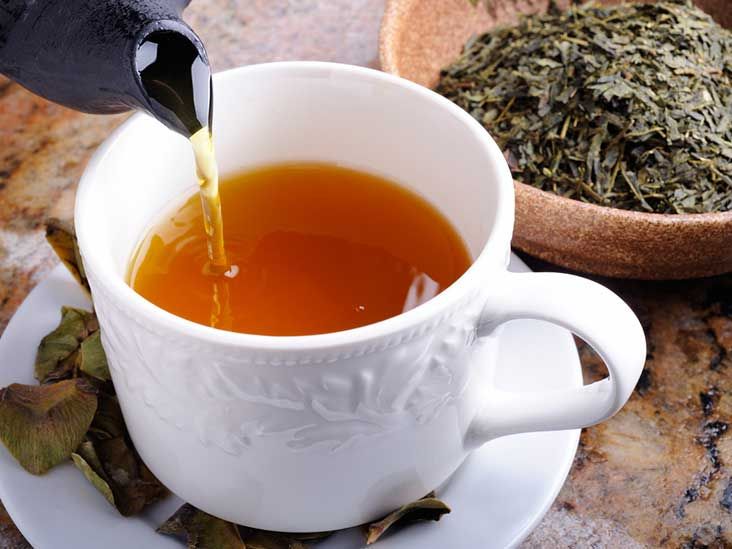
Hydration supports digestion and helps your body recover, but the drink matters. Water is the safest starting point. Warm water, broth, non-caffeinated herbal teas, and diluted non-acidic drinks may be easier on the stomach than soda, energy drinks, coffee, or citrus juice.
Some people like green tea with honey, and limited research has explored links between tea, honey, and H. pylori. Still, green tea contains caffeine, which can bother gastritis symptoms in sensitive people. If caffeine makes your stomach burn, skip it. Your stomach does not give bonus points for trendy beverages.
Honey may be soothing in small amounts, but it should not be treated as a cure. People with diabetes or blood sugar concerns should be careful with sweeteners and follow medical advice.
6. Avoid NSAIDs, Alcohol, and Smoking Triggers
One of the most effective home strategies is removing common irritants. NSAIDs such as ibuprofen, naproxen, and aspirin can irritate the stomach lining and increase the risk of ulcers or bleeding, especially with frequent use. Do not stop prescribed aspirin without medical advice, but do ask your doctor whether your pain relief plan is stomach-safe.
Alcohol can inflame and erode the stomach lining, especially during a flare. Smoking may also worsen stomach irritation and slow healing. If gastritis is your stomach’s smoke alarm, alcohol and smoking are basically waving toast under the detector.
Also watch out for “hidden” irritants: aspirin-containing antacids, strong coffee, high-dose supplements, very spicy foods, and late-night heavy meals. The best natural treatment may be less about adding something magical and more about subtracting what keeps poking the lining.
7. Reduce Stress and Protect Sleep
Stress does not always cause gastritis directly, but it can worsen digestive symptoms, change eating habits, increase acid-related discomfort, and make pain feel louder. During a flare, stress management is not fluffy wellness decoration; it is part of creating a calmer digestive environment.
Try short walks, slow breathing, gentle stretching, journaling, prayer or meditation, warm showers, and regular sleep. Even five minutes of relaxed breathing before meals may help you slow down and eat more mindfully.
Sleep matters too. Late nights often lead to late snacks, extra caffeine, and chaotic meals. Your stomach likes routine. It is not asking for a spa retreat in Sedona, just a schedule that does not look like it was designed by a raccoon with Wi-Fi.
More Natural Tips That May Help
Keep a Food and Symptom Journal
A food diary can help identify personal triggers. Write down what you ate, when symptoms started, how strong they were, and what helped. After one to two weeks, patterns often appear. Maybe coffee is fine, but coffee on an empty stomach is trouble. Maybe tomatoes are okay in small amounts, but hot wings plus soda are a stomach opera.
Choose Gentle Cooking Methods
Baking, steaming, boiling, and grilling with minimal oil are usually easier than frying. A baked potato is often friendlier than fries. Steamed fish is usually gentler than greasy fried fish. Same ingredient, different stomach reaction.
Do Not Lie Down Right After Eating
Give your stomach time to empty before lying down. Waiting two to three hours after meals may reduce reflux-like discomfort. If nighttime symptoms are common, consider a lighter dinner and avoid late snacks.
What Medical Treatments May Be Needed?
Home remedies can support comfort, but medical treatment may be necessary. Doctors may recommend antacids, H2 blockers, proton pump inhibitors, protective medicines, stopping irritating medications when safe, or testing and treating H. pylori. If H. pylori is confirmed, treatment usually involves multiple medicines taken exactly as prescribed.
Do not self-diagnose ongoing upper abdominal pain. Gastritis symptoms can overlap with ulcers, gallbladder disease, pancreatitis, reflux, medication side effects, and, rarely, more serious conditions. A proper diagnosis saves time, money, and unnecessary “wellness experiments” involving suspicious powders from the internet.
Sample One-Day Gastritis-Friendly Meal Plan
Breakfast
Oatmeal cooked with water or low-fat milk, topped with sliced banana. Add a small amount of honey if tolerated.
Snack
Plain yogurt with live cultures or applesauce. Choose dairy-free yogurt if regular yogurt bothers you.
Lunch
Rice bowl with steamed carrots, zucchini, and skinless chicken or tofu. Keep seasoning mild.
Snack
Crackers, a small baked potato, or a smoothie made with banana and non-citrus fruit.
Dinner
Broth-based soup with cooked vegetables and lean protein. Add toast or rice if you need more calories.
Evening
Warm water or caffeine-free tea. Avoid late-night spicy leftovers, even if they are staring at you from the fridge like a romantic comedy subplot.
Experience Notes: Living With Gastritis Without Losing Your Mind
The most useful lesson from real-life gastritis management is that “healthy” does not always mean “right for this week.” A giant raw salad may look virtuous enough to have its own motivational podcast, but during a flare, raw vegetables can feel rough for some people. Cooked vegetables, soups, oatmeal, rice, bananas, and soft proteins often work better because they are gentle and predictable.
Another practical experience is that timing matters as much as food choice. Many people can tolerate certain foods when eaten slowly in small portions but feel awful after eating the same foods in a hurry. A bowl of soup at 6 p.m. may be fine; a large greasy dinner at 10:45 p.m. followed by immediately lying down is basically sending your stomach an eviction notice.
Coffee is another common battlefield. Some people do not need to quit forever, but they may need to avoid coffee during flares, stop drinking it on an empty stomach, or switch to smaller servings. The same goes for spicy food. It may not “cause” gastritis in every person, but it can make symptoms louder when the stomach lining is already irritated. Think of it like putting loud music in a room where someone already has a headache.
People also learn that pain relievers deserve respect. It is easy to take ibuprofen casually for headaches, cramps, sports soreness, or random aches, but frequent NSAID use can be tough on the stomach. If gastritis symptoms started after regular NSAID use, that is worth discussing with a healthcare professional. There may be safer options, but the best choice depends on your health history.
A food journal may sound boring, yet it often becomes the detective tool that finally makes symptoms less mysterious. Write simple notes: “banana oatmeal, okay,” “coffee before breakfast, burning,” “tomato sauce, pain later,” “yogurt, fine,” “stressful day plus skipped lunch, nausea.” After several days, you may see your personal gastritis map. No app required, although apps are fine if you enjoy giving your phone more homework.
Finally, recovery is usually not instant. The stomach lining can calm down, but it may need consistency. Gentle meals for two days followed by a weekend of alcohol, fried food, and late-night snacks can restart symptoms. That does not mean you failed; it means your stomach is keeping receipts. The goal is not perfection. The goal is learning what helps, avoiding obvious triggers, getting medical care when needed, and building a routine your digestive system can trust.
Conclusion
Home remedies for gastritis can help reduce irritation, support healing, and make daily eating less stressful. The best natural treatments include a gentle diet, smaller meals, probiotic foods if tolerated, cautious ginger use, non-irritating fluids, avoiding NSAIDs and alcohol when appropriate, and managing stress. But remember: gastritis is not one-size-fits-all. If symptoms are severe, persistent, or linked to warning signs, medical care is the smart move.
Your stomach does a lot for you. It breaks down meals, tolerates your snack experiments, and rarely sends strongly worded emails. Give it calmer foods, fewer irritants, and professional help when needed. That is not just natural treatment; that is digestive diplomacy.