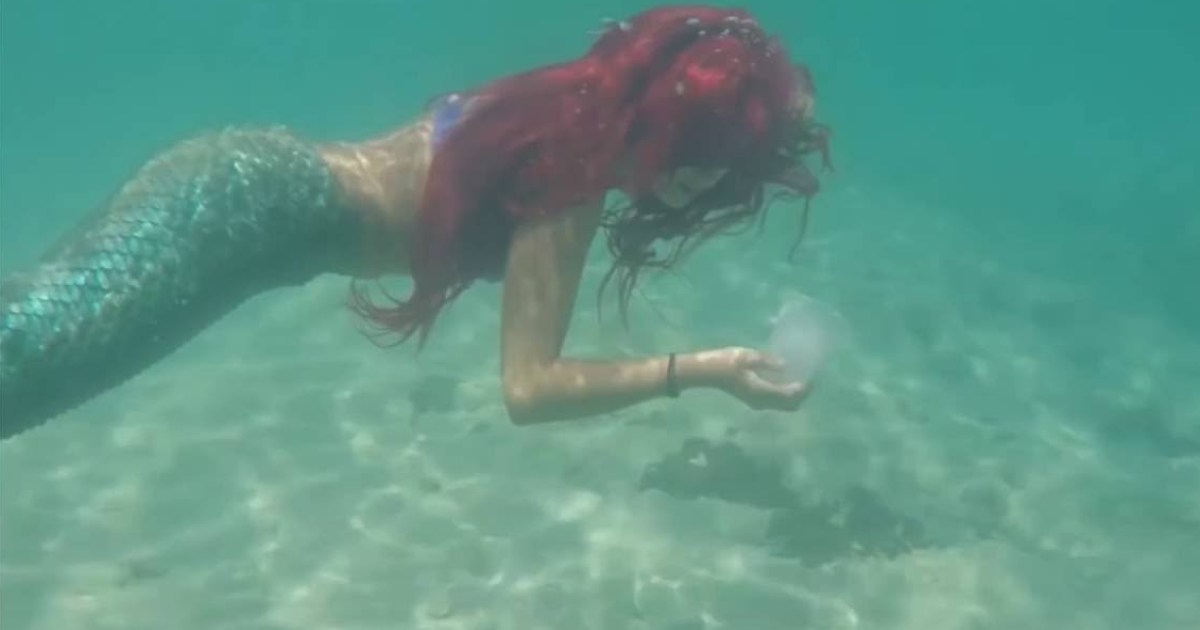
Some people see trash on the beach and think, “Yikes, someone should do something.” A real life Little Mermaid sees the same mess, flips a shiny tail, grabs a bag, and gets to work. That is the charm behind the story of a professional mermaid using fantasy to talk about a very real problem: ocean pollution.
The idea sounds whimsical, almost like a children’s story with better lighting and more sunscreen. But the mission is serious. Plastics, fishing line, bottle caps, food wrappers, foam pieces, cigarette butts, and abandoned gear are not just ugly decorations on the shoreline. They can harm sea turtles, seabirds, dolphins, fish, coral reefs, and the coastal communities that depend on clean water.
That is why the image of a mermaid cleaning the ocean works so well. It turns an environmental issue that can feel huge and gloomy into something memorable. A mermaid is magical. A beach cleanup is practical. Put them together, and suddenly conservation is not a lecture; it is a story people want to share.
The Real Life Little Mermaid With a Real Message
The phrase “Real Life Little Mermaid Cleans Up The Ocean” became associated with Mermaid Kelly, a professional mermaid who used a Little Mermaid-inspired character to spread a message about plastic pollution. Her core point was simple: plastics are harming the ocean, and everyone can do something to help.
That may sound like a small message, but small messages travel far when they are wrapped in imagination. Children who might ignore a poster about marine debris will stop for a mermaid. Adults who scroll past another depressing pollution headline may pause at a colorful underwater scene. In environmental education, attention is half the battle. The other half is helping people understand what to do after they care.
Mermaid performers, divers, swimmers, artists, and ocean advocates have used this same idea in different ways. Some collect trash during underwater dives. Some visit schools. Some pose in dramatic photos surrounded by plastic bottles. Some turn beach cleanups into family-friendly events. The tail may be theatrical, but the trash is not.
Why Ocean Plastic Is Such a Big Deal
Ocean pollution is not one single villain wearing a cape made of grocery bags. It is a messy mix of plastic waste, chemical pollution, discarded fishing gear, stormwater runoff, and everyday litter that travels from streets to drains, rivers, beaches, and finally the sea.
Plastic is especially stubborn. It does not politely disappear after ruining the scenery. Instead, it breaks into smaller and smaller pieces called microplastics. These tiny fragments can be eaten by marine animals and can move through food webs. In other words, a plastic fork tossed near a parking lot can eventually become part of a much bigger ocean problem. Not exactly the glamorous destiny that fork imagined for itself.
Marine debris also causes direct harm. Animals can mistake plastic bags for jellyfish, swallow bottle caps, or become tangled in fishing line and abandoned nets. Entanglement can restrict movement, cause wounds, block feeding, or lead to drowning. Ingestion can create internal injuries, false feelings of fullness, starvation, or death.
The Most Common Trash Found Near Water
Beach cleanup groups often report many of the same items year after year: food wrappers, cigarette butts, plastic bottles, plastic caps, straws, stirrers, bags, foam pieces, fishing line, and abandoned gear. These are not mysterious objects from a sunken pirate ship. They are everyday human leftovers.
That is both frustrating and hopeful. Frustrating because the ocean should not be treated like the world’s largest junk drawer. Hopeful because many of these items are preventable. Reusable bottles, better waste systems, local cleanup programs, plastic reduction policies, and smarter consumer habits can all reduce the flow of trash before it reaches the tide.
How Mermaids Make Ocean Conservation More Powerful
Let’s be honest: “marine debris prevention strategy” is an important phrase, but it does not exactly make a child sprint across a room with excitement. “A mermaid needs your help saving sea turtles,” however, has a better chance.
That is why real life mermaids can be effective environmental messengers. They combine wonder with responsibility. The costume opens the door; the message walks in right behind it. A child may come for the sparkling tail and leave knowing that balloons, plastic bags, and fishing line can hurt wildlife.
Visual storytelling is especially useful for ocean issues because much of the damage happens out of sight. Most people do not see the plastic floating offshore, sinking to the seafloor, or breaking into microplastics. A mermaid surrounded by trash makes the invisible visible. It says, “This is not just a beach problem. This is a home problemfor everything living under the waves.”
From Fantasy to Action
The best conservation stories do not end with “isn’t that sad?” They end with “here is what we can do.” A mermaid cleanup message can inspire practical action: join a local beach cleanup, stop using unnecessary single-use plastics, secure trash can lids, cut loops before throwing items away, avoid balloon releases, recycle correctly, and choose products with less packaging.
None of these steps require a castle, a magical voice, or a crab orchestra. They require attention, consistency, and a willingness to stop treating convenience like it is more important than the planet’s plumbing.
Beach Cleanups MatterBut They Are Not the Whole Story
Beach cleanups are powerful because they create immediate results. Volunteers can see bags filling up. They can count bottles, caps, and wrappers. They can leave a shoreline safer than they found it. That hands-on experience often changes how people think about waste.
Cleanups also produce useful data. Organizations that track collected items can identify what types of trash appear most often. That information can support better policies, improved packaging design, public education, and local waste management decisions.
Still, cleanup alone cannot solve ocean pollution. Imagine mopping the floor while the sink is still overflowing. Helpful? Yes. Enough? Not even close. The real goal is to stop trash before it reaches beaches, rivers, and oceans in the first place.
Prevention Is the Real Magic Spell
Ocean cleanup works best when paired with prevention. That means reducing unnecessary plastic production, improving recycling systems, designing reusable alternatives, strengthening litter laws, supporting refill options, and making it easier for people to choose less wasteful products.
Businesses have a role, too. Packaging choices matter. So do corporate waste policies, supply chains, and product design. Consumers can make better choices, but companies should not hand everyone a mountain of plastic and then act surprised when the mountain rolls downhill into a river.
What Kids Can Learn From a Real Life Mermaid
A mermaid cleanup story is especially useful for children because it turns environmental care into something active and personal. Kids do not need to memorize every statistic to understand that animals should not eat plastic. They do not need a college course in marine biology to know that trash belongs in a bin, not in a tide pool.
Parents and teachers can use the theme to create simple lessons. Ask children to list items they might find on a beach. Talk about where storm drains lead. Show how reusable lunch containers reduce waste. Organize a park or school cleanup. Make a “mermaid mission” checklist with actions like bringing a reusable water bottle or picking up five safe pieces of litter with adult supervision.
The goal is not to scare kids. The goal is to give them agency. Ocean problems are big, but children should not feel helpless. A mermaid story says, “You can be part of the rescue team.” That is much better than, “Congratulations, small human, the planet is complicated.”
What Adults Can Do Without Wearing a Tail
Adults are also invited to the ocean-saving party, tail optional. The easiest place to start is with the trash we create every day. Carry a reusable bottle. Keep reusable bags in the car or by the door. Skip plastic utensils when ordering takeout if you do not need them. Choose products with minimal packaging. Recycle only what your local program actually accepts.
Another high-impact step is joining local cleanups. Beaches are obvious locations, but rivers, lakes, parks, sidewalks, and storm drains matter too. Trash does not need a beachfront condo to reach the ocean. A wrapper dropped miles inland can travel through rainwater systems and waterways.
People can also support policies that reduce single-use plastics, improve waste collection, prevent pellet spills, and hold polluters accountable. Individual choices matter, but systems matter too. The ocean needs both personal responsibility and large-scale change.
Why This Story Still Resonates
The image of a real life Little Mermaid cleaning up the ocean resonates because it blends innocence with urgency. Mermaids represent beauty, mystery, and the dream of an underwater world. Plastic pollution represents what happens when human habits invade that dream without asking permission.
That contrast is powerful. A sparkling mermaid tail beside a pile of soggy plastic bottles says more than a long lecture could. It reminds us that the ocean is not a backdrop. It is a living system. It gives us food, oxygen, climate balance, recreation, beauty, and, occasionally, the perfect excuse to buy a ridiculous beach hat.
The story also works because it avoids hopelessness. Yes, the problem is serious. Yes, the ocean is under pressure. But people are already helping: volunteers, scientists, divers, educators, artists, nonprofits, coastal communities, and everyday families who decide that “not my trash” is not the same as “not my problem.”
Real Examples of Ocean Cleanup in Action
Across the United States and around the world, cleanup programs continue to remove millions of pounds of debris from beaches and waterways. International Coastal Cleanup volunteers collect and record trash so researchers and advocates can better understand what is polluting shorelines. Surfrider chapters organize local beach cleanups and use the results to push for cleaner coastal policies.
NOAA’s Marine Debris Program supports removal and prevention projects throughout the country, including efforts that tackle abandoned fishing gear, storm debris, plastics, and other hazards. Scientists at institutions such as Woods Hole study microplastics to understand where they go, how they change, and how they affect marine ecosystems. The work is part cleanup, part detective story, and part very serious reminder that the ocean remembers what we throw away.
Technology-focused groups are also testing systems to remove plastic from rivers and ocean accumulation zones. These projects are not a free pass to keep polluting, but they can help address debris already in the environment. The best future combines cleanup innovation with prevention, policy, education, and less wasteful design.
Experiences Related to “Real Life Little Mermaid Cleans Up The Ocean”
Imagine arriving at a beach early in the morning. The air smells like salt, sunscreen, and someone’s ambitious breakfast burrito. The waves are rolling in softly, gulls are yelling like unpaid parking attendants, and at first glance the beach looks beautiful. Then you look closer. A bottle cap near the dune. A candy wrapper tucked in seaweed. A fishing line curled like a nearly invisible trap. A plastic straw half-buried in the sand. Suddenly the beach is still beautiful, but it is also asking for help.
That is the kind of experience that makes the real life Little Mermaid idea feel meaningful. A mermaid may be fantasy, but the cleanup is very real. When volunteers bend down to pick up small pieces of trash, they begin to notice how much of the problem is made of tiny, ordinary things. Nobody brings one giant cartoon bag labeled “OCEAN POLLUTION.” Instead, the mess arrives one snack wrapper, one bottle, one foam cup, and one forgotten toy shovel at a time.
For families, a cleanup can become surprisingly memorable. Children often turn it into a treasure hunt, except the treasure is trash and the prize is not letting a turtle eat it. They compete to find the weirdest item. Adults usually win that contest by discovering something deeply confusing, like one shoe, three toothbrushes, or a plastic dinosaur that has clearly seen things. Humor helps. It keeps the work light while the lesson sinks in.
Wearing a mermaid tail or using a mermaid theme adds another layer. It gives people a character to rally around. A child who might complain about picking up litter may proudly join a “save the mermaids” mission. A photo of volunteers with a mermaid advocate can travel across social media, spreading the message beyond the cleanup site. That visibility matters because environmental action grows when people see others participating.
The most powerful moment often comes at the end, when the collected trash is piled together. A single bottle cap feels small in your hand. A full bag of them feels shocking. That is when people understand that ocean pollution is not abstract. It is countable, touchable, preventable, and sitting right there in gloves and buckets.
Many volunteers leave with changed habits. They start refusing plastic straws. They keep reusable bags nearby. They stop releasing balloons. They pick up litter on regular walks. They talk to friends about what they found. That ripple effect is the real magic. The mermaid may get attention, but the people carry the mission home.
In the end, “Real Life Little Mermaid Cleans Up The Ocean” is not just a cute headline. It is a reminder that storytelling can move people toward action. The ocean does not need us to become perfect overnight. It needs us to become more aware, less wasteful, and more willing to help. And if a sparkly tail makes that message easier to hear, then honestly, let the mermaids lead the meeting.
Conclusion
A real life Little Mermaid cleaning up the ocean is more than a charming image. It is a creative way to talk about one of the biggest environmental challenges of our time. Plastic pollution harms wildlife, damages habitats, and reminds us that convenience has consequences. But the story is not hopeless. Every cleanup, every reusable bottle, every avoided plastic bag, every better policy, and every conversation helps turn the tide.
The ocean may be vast, but change often starts with one person noticing one piece of trash and deciding it does not belong there. Whether you are a professional mermaid, a weekend beach walker, a parent, a teacher, a student, or someone who simply enjoys breathing oxygen, you have a role to play. The sea has given us plenty. The least we can do is stop treating it like a landfill with waves.