Sex is supposed to leave you smiling, relaxed, and perhaps wondering where one sock disappeared. Occasionally, however, an enthusiastic evening ends with soreness, a suspicious bruise, a broken condom, or an urgent conversation with a medical professional.
Most sex-related injuries are minor and preventable. Friction irritation, small skin tears, muscle strains, and tender joints often improve with rest and sensible care. Other problemsincluding a fractured penis, severe bleeding, a retained object, a sudden explosive headache, or an erection lasting four hoursrequire immediate medical attention.
Knowing the difference can protect your health without turning the bedroom into a workplace safety seminar. Here are the most common sex injuries, hidden sexual-health hazards, warning signs, and practical ways to reduce the risk.
Why Sex Injuries Happen
Sex involves movement, pressure, friction, changes in blood flow, and sometimes positions that would make a yoga instructor quietly raise an eyebrow. Injuries become more likely when partners move too quickly, use too little lubrication, ignore pain, combine sex with heavy alcohol or drug use, or attempt activities without adequate communication and preparation.
Hormonal changes can also matter. Lower estrogen levels during perimenopause and menopause may reduce natural vaginal lubrication and tissue flexibility, increasing burning, irritation, painful penetration, and light bleeding. Infections, pelvic-floor tension, vulvar pain conditions, scar tissue, and certain medications can also make sexual activity uncomfortable.
The most useful rule is wonderfully uncomplicated: pain is information. Mild awkwardness while changing position is one thing; sharp, worsening, or persistent pain is a reason to stop.
Common Sex Injuries and What to Do
1. Friction Burns, Chafing, and Tiny Skin Tears
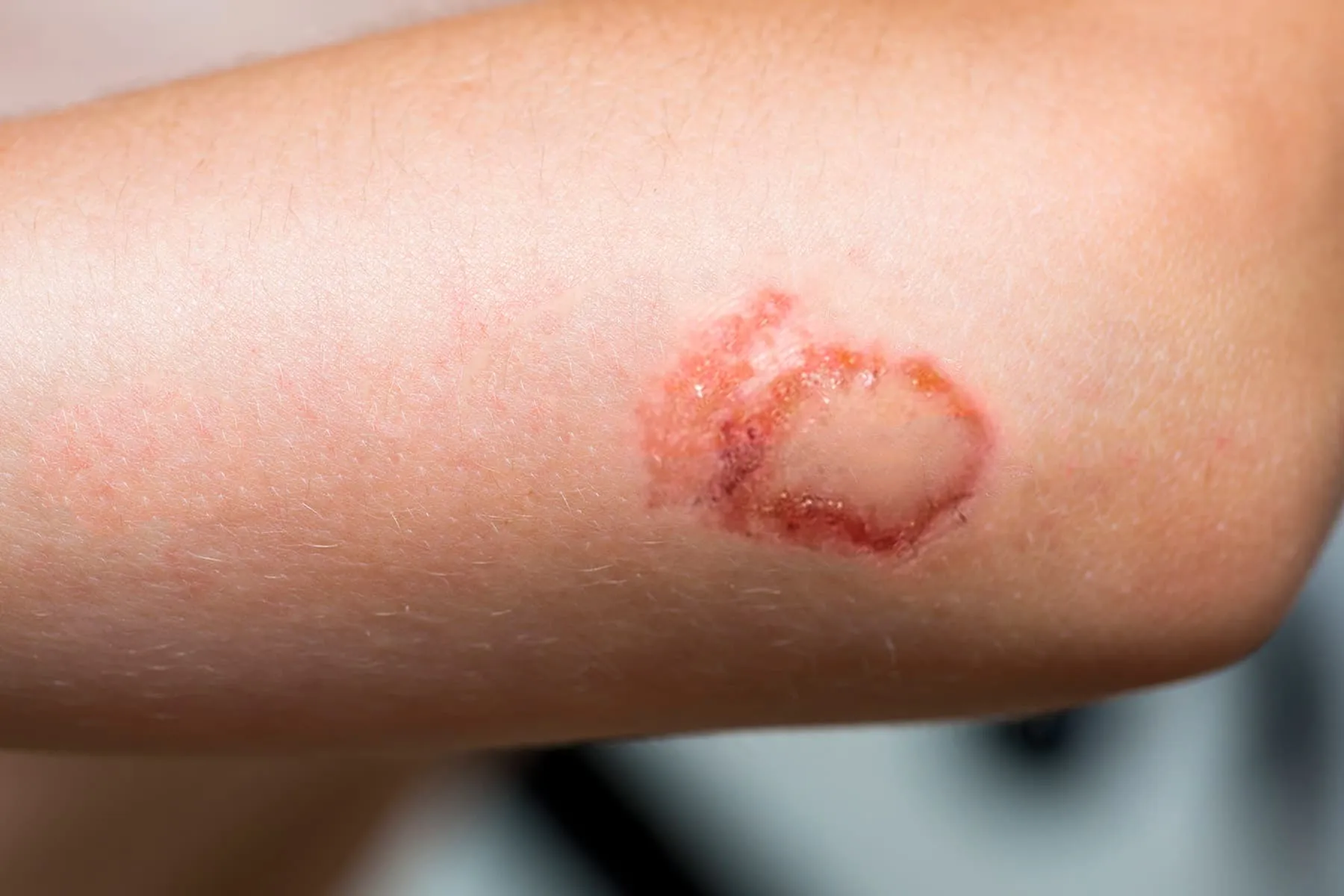
Friction is probably the most common bedroom troublemaker. Repetitive rubbing can irritate the vulva, vagina, penis, scrotum, anus, inner thighs, or surrounding skin. The area may feel raw, swollen, itchy, stinging, or tender afterward.
Minor friction irritation often develops when there is not enough natural moisture or added lubricant. Longer sessions, vigorous movement, recently shaved skin, rough fabrics, and repeated activity can make it worse. Friction may also contribute to small genital tears and make condoms more likely to break.
Stop the activity, gently rinse the external area with lukewarm water, and avoid scented cleansers, harsh antiseptics, or vigorous scrubbing. Wear loose, breathable clothing and allow the skin to recover. Do not resume the activity merely because the calendar says it is date night.
Seek medical care if the injury is deep, keeps bleeding, becomes increasingly painful, produces discharge or pus, or is accompanied by fever, painful urination, sores, or unusual swelling.
2. Vaginal or Vulvar Tears
Small tears can occur at the vaginal opening, on the labia, or inside the vaginal canal. Common triggers include dryness, forceful penetration, insufficient arousal, rapid insertion, large objects, hormonal changes, and sexual activity before the tissues have healed after childbirth or surgery.
A minor surface tear may cause stinging during urination, tenderness, or a small amount of spotting. Persistent bleeding after sex should not automatically be blamed on enthusiastic technique. Cervical inflammation, infections, hormonal changes, polyps, and other gynecologic conditions can also cause postcoital bleeding and may require an examination.
Stop penetration and avoid inserting anything until discomfort and bleeding have resolved. Heavy bleeding, severe pelvic pain, dizziness, weakness, a deep or gaping wound, or bleeding during pregnancy warrants urgent evaluation.
3. Penile Fracture
Despite the dramatic name, a penile fracture does not involve a bone. It is a tear in the tough tissue surrounding the blood-filled chambers of an erect penis. It most often happens when an erect penis slips out during intercourse and strikes a partner’s pelvis or perineum, causing it to bend forcefully.
Typical warning signs include a popping or cracking sensation, immediate pain, rapid loss of the erection, swelling, bruising, and an abnormal bend or “eggplant-like” appearance. Blood at the urinary opening or trouble urinating may signal an associated urethral injury.
This is a urologic emergency. Do not wrap the penis tightly, attempt to straighten it, or wait until morning to see whether it becomes less alarming. Prompt surgical assessment reduces the risk of permanent curvature, painful erections, erectile dysfunction, and other complications.
4. Priapism: An Erection That Will Not Go Away
An erection lasting four hours or longer is not a superpower. It may be priapism, a condition in which blood becomes trapped in the penis. The erection may occur without continued sexual stimulation and is often painful.
Priapism can be associated with certain erectile-dysfunction treatments, blood disorders, medications, recreational drugs, or other medical conditions. Without timely treatment, low-oxygen blood can damage penile tissue and cause permanent erectile problems. Go to an emergency department when an erection reaches four hours; do not try to solve it through more sexual activity.
5. Anal Tears and Retained Objects
The rectum does not naturally lubricate itself, so anal activity can produce friction injuries when lubrication is inadequate. Small fissures may cause sharp pain and bright-red bleeding, especially during bowel movements. Severe pain, significant bleeding, abdominal pain, fever, vomiting, or a rigid abdomen requires medical attention.
Objects inserted anally should have a wide, flared base specifically designed to prevent complete entry. Household objects can break, splinter, create suction, or disappear beyond reach. When an object becomes stuck, repeated attempts with fingers, utensils, or improvised tools can push it farther inside or perforate the bowel.
Emergency clinicians regularly treat retained rectal objects and have appropriate imaging, sedation, instruments, and surgical support. Seek care promptly, especially when the object is sharp, fragile, contains a battery, causes bleeding, or cannot be easily removed. Medical embarrassment lasts much less time than a bowel perforation.
6. Pulled Muscles, Back Pain, and Joint Injuries
Sex can strain the groin, hips, lower back, hamstrings, shoulders, neck, or knees. Sudden twisting, holding an unstable position, supporting another person’s weight, or sliding on a wet surface can stretch muscles beyond their normal limits. A hip strain, for example, occurs when supporting muscles are overstretched or torn.
For a mild strain, stop the activity and use relative rest. A wrapped cold pack may help during the first day or two. Avoid repeating the painful movement until normal mobility returns. Seek evaluation for severe pain, visible deformity, inability to bear weight, major swelling, numbness, weakness, or pain that does not steadily improve.
Falls deserve special attention. Shower sex may look cinematic, but wet tile has no respect for romance. Use stable footing, avoid balancing on furniture not designed to carry body weight, and do not treat towel racks as structural engineering.
7. Sex Headaches
Some people experience headaches that build gradually with arousal or strike suddenly around orgasm. Recurrent headaches associated with sexual activity can sometimes be a primary headache disorder, but a first-time thunderclap headache must be treated seriously.
A sudden, explosive headache may occasionally be associated with bleeding around the brain, an aneurysm, an artery dissection, stroke, or another neurological emergency. Call emergency services when the headache is abrupt and severe, particularly if it comes with vomiting, fainting, confusion, neck stiffness, weakness, numbness, trouble speaking, or vision changes.
Other Sexual Hazards That Are Not Always Visible
Urinary and Genital Irritation
Burning after sex is not always an injury. It may result from friction, a urinary tract infection, vaginitis, a yeast infection, bacterial imbalance, pelvic-floor dysfunction, or sensitivity to a lubricant, spermicide, condom material, soap, or scented product.
Symptoms that deserve evaluation include persistent burning, frequent or urgent urination, cloudy or bloody urine, unusual discharge, strong odor, sores, fever, pelvic pain, testicular pain, or symptoms that keep returning. Avoid repeatedly treating yourself for a yeast infection unless the diagnosis is reasonably certain; several conditions can produce similar symptoms.
Sexually Transmitted Infections
Many sexually transmitted infections cause no early symptoms, so feeling perfectly healthy does not prove that no infection is present. Others may cause discharge, sores, burning during urination, pelvic pain, testicular discomfort, rectal bleeding, anal soreness, or pain during sex.
External and internal condoms reduce the risk of many infections when used correctly, although they do not completely protect skin that remains uncovered. Barriers can also reduce STI transmission during oral sex. Vaccination, regular testing, honest communication, and mutual monogamy with a tested partner provide additional protection.
Condom Breakage or Slippage
A condom may break because of excessive friction, incorrect sizing, damage from teeth or sharp fingernails, expired material, improper storage, or use of an incompatible lubricant. Oil-based products can weaken latex condoms, while water-based and silicone-based lubricants are generally compatible with them.
If a condom breaks or slips off, stop and carefully remove it. A condom retained in the vagina cannot travel into the abdomen, but it should be removed promptly. If you cannot reach it easily, a clinician can help without judgment or theatrical commentary.
When semen exposure could lead to pregnancy, contact a pharmacist or healthcare provider promptly about emergency contraception. STI testing, post-exposure treatment, or HIV post-exposure prophylaxis may also be time-sensitive depending on the circumstances.
Allergic and Irritant Reactions
Latex, fragrances, warming lubricants, spermicides, massage oils, and flavored products can cause burning, redness, itching, swelling, or a rash. Stop using the suspected product and rinse the external skin gently. Non-latex condom options are available for people with latex sensitivity.
Call emergency services for difficulty breathing, facial or throat swelling, widespread hives, faintness, or rapidly worsening symptoms, which may indicate a severe allergic reaction.
Consent, Intoxication, and Communication Hazards
Physical safety begins before anyone takes off a single sock. Consent must be voluntary, informed, specific, and ongoing. A person who is unconscious or too impaired to understand and communicate cannot provide meaningful consent.
Alcohol and drugs can reduce coordination, dull pain, impair condom use, and make it harder to recognize an injury. Partners should discuss boundaries, contraception, infection prevention, relevant health conditions, and stop signals while everyone is able to communicate clearly.
How to Prevent Common Sex Injuries
- Slow down: Give the body enough time for arousal, relaxation, and natural lubrication.
- Use enough lubricant: Reapply when needed rather than treating one tiny drop as a lifetime supply.
- Choose compatible products: Use water-based or silicone-based lubricant with latex condoms and follow the manufacturer’s directions.
- Communicate continuously: “Slower,” “stop,” and “that angle is attempting murder” are all useful sentences.
- Change painful positions: Do not force joints, the penis, vagina, or anus into an angle that produces sharp pain.
- Use body-safe devices: Select smooth, intact products designed for their intended use; anal devices need a wide flared base.
- Clean devices correctly: Follow product instructions, avoid sharing without proper protection and cleaning, and use a new condom when moving a device between body areas.
- Protect against falls: Keep floors dry, use stable furniture, and recognize that shower walls are not trained spotters.
- Respect recovery: Follow medical instructions after childbirth, surgery, infection, or injury before resuming penetration.
- Get persistent pain evaluated: Repeated pain is not something a person should simply endure. Treatment may involve infection care, hormonal therapy, pelvic-floor physical therapy, counseling, or another targeted approach.
When a Sex Injury Is an Emergency
Call emergency services or go to an emergency department for any of the following:
- A popping sound followed by penile pain, swelling, bruising, or immediate loss of erection.
- An erection lasting four hours or longer.
- Heavy genital or rectal bleeding, fainting, confusion, or signs of shock.
- A sudden “worst headache of my life,” especially with neurological symptoms.
- A retained object that is sharp, breakable, battery-powered, deeply lodged, or causing pain or bleeding.
- Severe abdominal or pelvic pain, repeated vomiting, fever, or a rigid abdomen.
- Difficulty breathing, facial swelling, or other signs of a severe allergic reaction.
- Major trauma, visible deformity, paralysis, numbness, or inability to stand or walk.
Urgent care is also appropriate for a deep tear, ongoing bleeding after sex, worsening swelling, signs of infection, blood in the urine, trouble urinating, or pain that persists despite rest.
Experience-Based Lessons: What Bedroom Mishaps Teach Us
The following situations are representative composites based on commonly reported sexual-health mishaps. They are not descriptions of identifiable patients, but they illustrate how small decisions can separate a funny story from a medical emergency.
The “We Probably Do Not Need More Lube” Mistake
A couple begins with enough lubrication, but the session lasts longer than expected. One partner notices increasing friction and assumes it is normal. By the next morning, the external genital skin feels raw and urination stings. There is no major wound, but sitting in tight jeans becomes an unexpectedly ambitious activity.
The lesson is that lubrication is not a one-time ceremonial gesture. Moisture can dry, rub away, or become insufficient when positions and intensity change. Pausing to add more lubricant is simpler than spending several days moving as though every chair is made of sandpaper.
The Awkward Angle That Became an Emergency
During fast vaginal intercourse, an erect penis slips out and strikes the partner’s pelvis. There is a distinct pop, followed by pain, immediate loss of erection, and rapidly spreading bruising. Embarrassment initially creates a temptation to place an ice pack over the area and “see how it looks tomorrow.”
The safer decision is immediate emergency evaluation. Penile fracture is rare, but its signs are distinctive, and delaying care can increase the risk of curvature and erectile difficulties. The experience also highlights a basic prevention strategy: when movement becomes fast or difficult to control, the receiving partner or the person guiding the angle can use a hand to help maintain alignment.
The Condom That Quietly Left Its Position
After intercourse, a couple realizes the external condom is no longer on the penis. Panic arrives before problem-solving. The condom is eventually found inside the vagina and removed gently, but the possibility of semen exposure remains.
The useful response is not blame. It is a checklist: remove the condom, determine whether pregnancy is possible, seek emergency contraception promptly when appropriate, and assess whether STI testing or post-exposure care is needed. For future use, check condom fit, hold the base during withdrawal, use compatible lubricant, and replace the condom when switching activities.
The Shower Scene That Needed a Stunt Coordinator
Two partners attempt standing sex in a shower. Water rinses away some lubricant, one foot slides, and a romantic moment becomes a hip strain with a supporting role for the bathroom floor.
The experience demonstrates that water is not an effective lubricant and may increase friction by washing natural lubrication away. Showers also combine hard surfaces, unstable footing, and restricted space. Choosing a stable position or relocating the activity is not less adventurous; it is simply less likely to end with an explanation involving the phrase “technically, the shampoo bottle was not responsible.”
The Pain That Kept Being Dismissed
A person experiences burning and deep pain during penetration for months. More lubricant helps slightly, but the discomfort continues. Because friends describe painful sex as common, the person assumes it must be normal. A medical evaluation eventually identifies pelvic-floor tension and hormonal dryness, both of which can be treated.
The central lesson is that common does not mean inevitable. Recurrent painful sex can be associated with dryness, infection, scar tissue, pelvic-floor dysfunction, vulvodynia, endometriosis, menopause-related changes, and several other conditions. Good sexual healthcare does not tell people to tolerate pain. It works to identify the cause and develop a plan that restores comfort, confidence, and control.
The Object That Would Not Come Back
An improvised object is inserted into the rectum without a flared base. It moves beyond reach, and attempts to retrieve it only push it deeper. The person delays seeking help because the anticipated conversation feels humiliating.
Emergency professionals have encountered this problem before. Their priority is preventing perforation, bleeding, infection, and surgerynot creating material for a comedy routine. The most important experience-based lesson is to use purpose-built devices with wide bases and to seek care early when something becomes stuck. Shame should never be allowed to make a physical injury more dangerous.
Final Thoughts
Sex injuries are rarely discussed until someone is holding an ice pack in an unusually personal location. Most minor problems can be prevented with communication, adequate lubrication, stable positioning, safer products, barrier protection, and a willingness to stop when something hurts.
The bigger lesson is not to panicbut not to minimize obvious warning signs either. A tender muscle can usually rest. A fractured penis, severe bleeding, thunderclap headache, retained object, or four-hour erection cannot. Good sex should involve curiosity and enthusiasm, but it should also include consent, preparation, and enough common sense to keep the evening out of the emergency department.