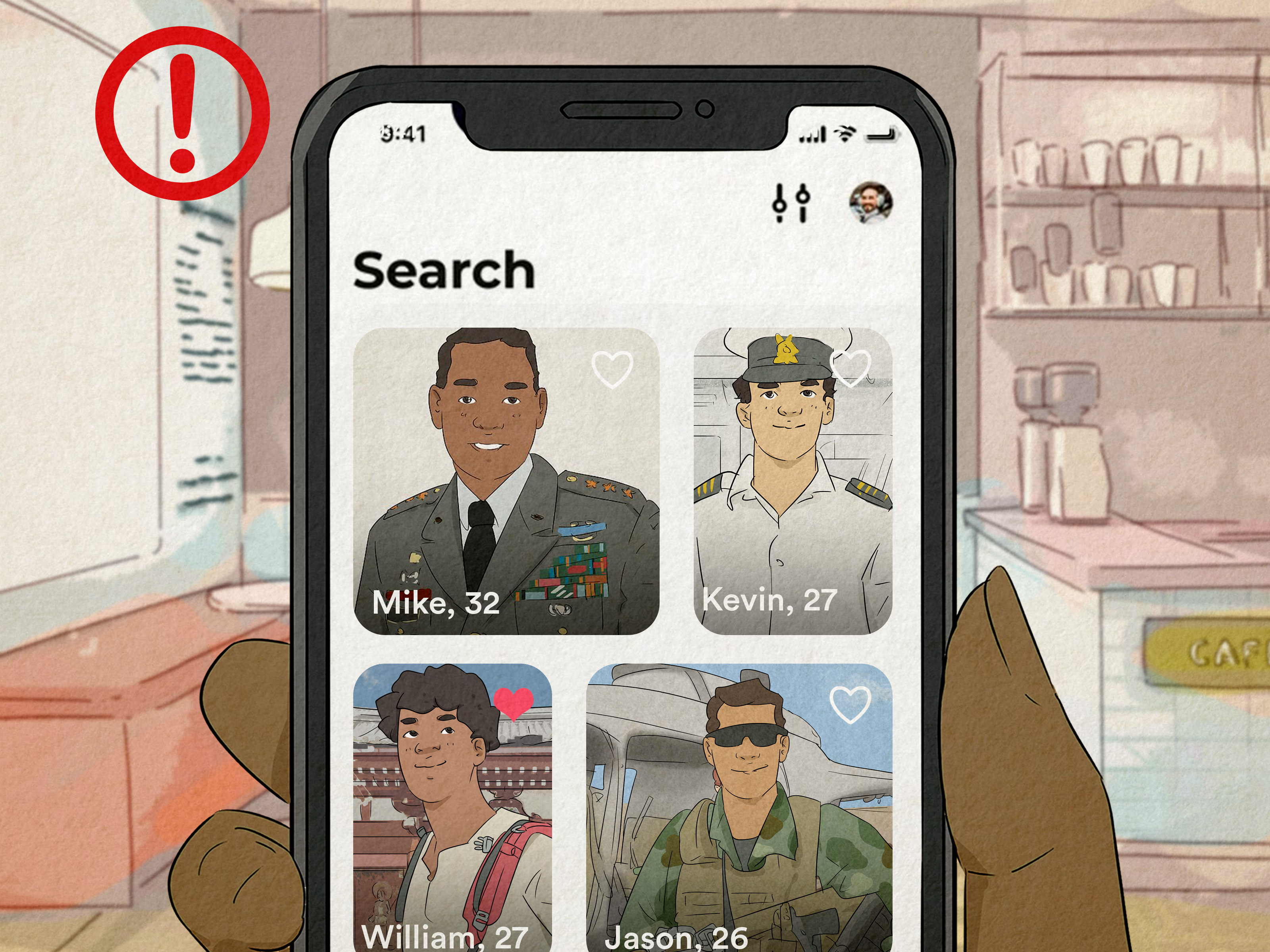
Military identification carries weight. It can open a gate, verify eligibility for benefits, support a discount, orwhen misusedturn into the world’s most official-looking prop in a scammer’s little theater production. A fake military ID card is often designed to make you stop asking questions. It flashes authority, patriotism, and urgency all at once, which is basically the fraudster version of jazz hands.
The good news? You do not need to be a federal investigator, document examiner, or the person at the airport who can detect a fake smile from 30 feet away to spot warning signs. You do need patience, caution, and a healthy refusal to accept a blurry photo as proof of anything. This guide explains how to spot a fake military ID card using practical, safe, consumer-friendly checks based on public U.S. military ID, fraud-prevention, and scam-reporting guidance.
Before we begin, one important point: this article is not a guide to duplicating, altering, or “testing” military ID cards. DoD ID cards, including Common Access Cards and Uniformed Services ID cards, are government property, and unauthorized copying, counterfeiting, lending, altering, or misuse can create serious legal trouble. The goal here is prevention: recognizing suspicious patterns, protecting yourself, and knowing when to verify through official channels.
What Is a Military ID Card?
A U.S. military ID card is a government-issued credential used to prove identity, affiliation, and eligibility for specific military services, benefits, installation access, or programs. The two cards most people hear about are the Common Access Card, often called a CAC, and the Uniformed Services ID card, commonly called a USID card.
Common Access Card vs. Uniformed Services ID Card
A Common Access Card is generally issued to active-duty service members, selected reserve members, eligible Department of Defense civilians, and eligible contractor personnel. It is a smart card used for identity verification and, in authorized environments, access to DoD systems and facilities.
A Uniformed Services ID card is generally used by eligible retirees, certain veterans, family members, dependents, and other qualifying individuals. It may help the cardholder access military benefits, medical care, commissaries, exchanges, or installation privileges, depending on eligibility.
Because military ID cards connect to benefits and access, scammers love to misuse their image. A fake card may appear in romance scams, rental scams, marketplace transactions, fake job offers, “deployed soldier” stories, or bogus requests for money. In many cases, the ID card is not shown in person. It appears as a photo, screenshot, cropped image, or heavily blurred “proof” sent through text, email, or social media.
How to Spot a Fake Military ID Card: 6 Things to Look For
The safest way to approach any military ID card is simple: do not rely on the card alone. A real card can be expired, misused, photographed without permission, stolen, or shown by someone who is not the rightful cardholder. A fake card can look convincing enough to fool someone who is under pressure. Instead of trying to become a document-forensics wizard overnight, look at the full situation.
1. The Person Sends a Photo of the ID Instead of Showing It in a Legitimate Setting
A common red flag is the unsolicited military ID photo. Scammers often send an image of a card to “prove” they are in the Army, Navy, Air Force, Marine Corps, Space Force, Coast Guard, or National Guard. The message usually sounds dramatic: “I can’t video call because I’m deployed,” “My commander said I need funds,” or “Here is my military ID so you can trust me.” That is not proof. That is a screenshot wearing a uniform.
Real military personnel are typically careful with their IDs because those cards contain sensitive information and are tied to official systems, benefits, and access. An image sent casually to a stranger, a new online partner, or a marketplace buyer should make you pause. It becomes even more suspicious if the person pressures you to keep it secret, refuses normal verification, or uses the ID photo to rush a financial decision.
Also watch for cropped photos. Fake ID images often hide edges, cover barcodes, blur dates, or show only the name and photo. Sometimes the card looks like it has been edited onto a background. Sometimes the lighting on the face photo does not match the card image. Sometimes the “lamination” looks more like a bad Instagram filter. Trust your eyes, but do not overplay detective. If the situation feels off, treat the ID as unverified.
2. The Card Details Do Not Match the Person’s Story
Fake military ID cards often fall apart when the story gets specific. A person may claim to be active duty but show a card type that does not fit the claim. They may say they are deployed in one country, stationed at another base, assigned to a unit that does not match the branch, or holding a rank that sounds impressive but does not line up with their age, job, or timeline.
For example, someone might claim to be a high-ranking officer but write messages full of strange rank usage, incorrect branch terminology, and vague job descriptions. A scammer may call themselves “General Sergeant,” “Marine Army officer,” or “commander doctor engineer,” which sounds less like a military title and more like a refrigerator magnet set having a breakdown.
Look for consistency across the person’s name, rank, branch, photo, dates, and explanation. Does the card show a name that matches the email, social media profile, payment account, and documents? Does the person avoid direct questions? Do they change the subject whenever you ask for a normal phone call, video chat, business verification, or official contact method? Inconsistency is one of the easiest fake military ID warning signs to spot.
3. The ID Is Used to Create Pressure, Sympathy, or Urgency
A fake military ID card rarely travels alone. It usually arrives with a request. The person needs money for leave papers, a military phone, a plane ticket, a replacement uniform, customs fees, medical treatment, internet access, food, a package release, or a mysterious “military clearance certificate.” These stories are classic military impersonation scam material.
Legitimate U.S. service members do not need strangers online to pay the military so they can take leave, eat during deployment, communicate with family, or come home from a combat zone. If someone claiming to be a service member asks you to send gift cards, wire transfers, cryptocurrency, payment-app transfers, or money to a third party, the ID card is not reassurance. It is bait.
Urgency is the engine of the scam. The person may say there is a deadline, a commander is waiting, a package will be seized, or a relationship depends on your immediate help. Slow down. Real verification can handle a pause. Fraud hates a pause because it gives your common sense time to put on shoes and enter the room.
4. The Card Appears Altered, Incomplete, or Visually Wrong
You should not need to know restricted security details to notice basic visual problems. Many fake military ID cards look suspicious because they are poorly edited, badly aligned, or inconsistent. The photo may be stretched, the fonts may vary across the card, the spacing may look uneven, or the name may appear sharper than the rest of the card. Dates may be impossible, labels may be misspelled, and branch names may appear in odd formats.
Pay attention to obvious errors: misspellings, strange capitalization, blurry seals, mismatched colors, low-resolution graphics, missing cardholder information, or expiration dates that do not make sense. A fake card may use generic words such as “Military Identification,” “United State Army,” or “Deployment Permission Card” instead of official terminology. It may include dramatic labels that look like they were designed by someone who learned about the military from action movies and one very confused stock-photo website.
That said, do not assume a clean-looking card is real. Modern image editing can create convincing fakes, and scammers sometimes use stolen photos of real service members or real ID images with altered details. Visual inspection is useful, but it should be only one part of your decision.
5. The Person Refuses Official Verification
A legitimate military affiliation can often be verified through appropriate channels, depending on the situation. For example, official records, employer processes, benefit offices, installation procedures, or recognized military-related systems may be used when there is a lawful reason to confirm identity or status. If you are a business owner offering a discount, a landlord reviewing an application, or a private citizen dealing with a suspicious online contact, do not invent your own verification process. Use official, privacy-respecting methods.
If someone claims to be active duty, you can ask for a normal, non-sensitive way to verify the claim. For professional contexts, that might mean using a verified military email address, an official office number, a command public affairs contact, a lawful employment verification process, or a Department of Defense service status verification tool when appropriate. For online dating or social media, it may mean a real-time video call and consistency across public factsnot a money request wrapped in a flag emoji.
Refusal is not automatically guilt. Military personnel may have privacy, security, or operational limits. However, a person who refuses every ordinary verification method while demanding money, favors, documents, shipping help, or access should be treated as high risk. The ID card should not override the behavior.
6. The Bigger Situation Feels Like a Military Impersonation Scam
The strongest fake military ID clues often come from the surrounding behavior, not the card itself. Scammers may steal photos of real service members and build fake profiles around them. They may claim to be stationed overseas, widowed, raising a child alone, unable to access bank accounts, or about to retire with a large payout. The story grows quickly. Love appears fast. Money appears faster. Conveniently, video calls never work.
Watch for these military scam red flags:
- The person asks for money for leave, travel, food, medical bills, equipment, communication, or customs fees.
- They ask you to receive and reship packages.
- They ask for your Social Security number, banking login, passport image, driver’s license, or other personal data.
- They send official-looking documents that contain spelling errors, strange seals, or dramatic wording.
- They claim secrecy prevents them from talking normally, yet they can message you romantically for six hours a day.
- They ask you to pay through gift cards, crypto, wire transfer, payment apps, or a third-party account.
A real military ID card does not create a financial obligation. A stranger’s photo of a military ID should never be the reason you send money, share private information, sign a lease, ship merchandise, or ignore your instincts.
What to Do If You Suspect a Fake Military ID
Do Not Confront the Person With Too Much Detail
If you think the ID is fake, avoid giving the suspected scammer a helpful checklist of what they got wrong. Do not say, “Your font is wrong, your rank is inconsistent, and the date format is off.” That only helps them improve the next fake. Instead, keep your response simple: you cannot proceed without official verification.
Do Not Send Money or Sensitive Information
Never send money because someone showed you a military ID photo. Do not provide your bank details, login codes, identity documents, or home address. If you already sent money, contact the payment provider immediately. Some transfers may be impossible to reverse, but fast action improves your chances.
Report the Scam
If the contact happened online, report the profile to the platform. If money, identity theft, or impersonation is involved, report it to appropriate U.S. fraud-reporting channels such as the Federal Trade Commission, the FBI Internet Crime Complaint Center, or identity theft resources. If the scammer used the name or photo of a real service member, reporting can also help reduce harm to that person’s reputation.
Common Myths About Military IDs
Myth 1: “A Photo of an ID Proves Everything”
No, it proves someone has a photo. That photo may be stolen, edited, expired, or unrelated to the person sending it. Treat ID photos as unverified until the situation is confirmed through proper channels.
Myth 2: “All Veterans Have the Same Military ID”
Veterans may have different forms of identification depending on eligibility and purpose. Some cards are for health care, some are for discounts, and some are connected to military benefits or installation access. A veteran discount ID is not the same thing as a CAC, and a VA-related card does not automatically prove active-duty status.
Myth 3: “Scammers Always Make Obvious Mistakes”
Many do, thankfully. Some spell “United States” like they lost a fight with autocorrect. But others are polished, patient, and convincing. The smarter approach is to evaluate the full pattern: identity, behavior, verification, urgency, and money requests.
Practical Examples of Suspicious Situations
Example 1: The Online Romance “Deployment”
You meet someone on a dating app. They say they are deployed overseas and quickly become affectionate. Within two weeks, they send a military ID photo and ask for money so they can request leave to visit you. This is a major red flag. The ID photo does not make the request legitimate. Requests for leave-related payment from a stranger are a classic scam pattern.
Example 2: The Marketplace Buyer
A buyer wants an expensive item shipped immediately. They send a military ID photo to prove they are trustworthy but ask you to ship to a different name and address. They may also send a fake payment confirmation. Do not ship based on a military ID photo. Verify payment through the actual payment platform, not an email screenshot.
Example 3: The Rental Applicant
A person applies for a rental property and sends a military ID image instead of completing your standard screening process. They ask you to skip normal checks because they are “serving the country.” Respect for military service is important. So is protecting yourself from fraud. Use the same lawful, consistent screening process for every applicant.
Real-World Experiences: What People Learn After Seeing a Suspicious Military ID
Many people who encounter a fake military ID card describe the same first feeling: guilt. They worry that questioning the document means they are disrespecting service members. That emotional hesitation is exactly what scammers exploit. They know most people want to be kind, patriotic, and trusting. They also know a uniform, a flag, and a serious-looking ID can make a person lower their guard faster than a coupon code on Black Friday.
One common experience starts with online dating. The person seems charming, consistent, and attentive. They talk about duty, sacrifice, and loneliness. Then they send a photo of a military ID before being asked, as if it is a grand gesture of honesty. At first, the recipient feels reassured. But then the story begins to stretch. The service member cannot video call. Their bank account is frozen. Their commander supposedly needs a fee. They need help getting leave approved. Suddenly, the ID card becomes part of a sales pitch.
Another experience comes from small businesses. A person asks for a military discount and shows a photo on a phone rather than a physical card or accepted verification method. In some cases, the person becomes irritated when staff follow policy. That reaction is informative. Legitimate customers may forget a card or misunderstand a rule, but fraudsters often turn up the pressure. They accuse the employee of disrespect, threaten a bad review, or demand an exception. A calm, consistent policy protects both the business and genuine military customers.
Landlords and online sellers report similar patterns. A renter or buyer sends a military ID early in the conversation, then asks to bypass normal procedures. They may claim deployment makes ordinary verification impossible. They may ask someone to receive packages, cash checks, forward funds, or hold property without standard paperwork. The military angle is used as a shortcut around due diligence. When the other person insists on normal verification, the scammer disappears, becomes angry, or creates a new emergency.
The biggest lesson from these experiences is that fake ID detection is not just about the card. It is about boundaries. A person can respect service members while still saying, “I need to verify this through the proper process.” That sentence is not rude. It is responsible. Scammers want you emotional, rushed, and isolated. Verification makes the room brighter, and fraudsters hate bright rooms.
People who avoid losses usually do three things well. First, they pause before reacting. Second, they compare the ID claim with the person’s behavior. Third, they refuse unusual payments, secrecy, and pressure. Those habits matter more than memorizing every possible card design. Military ID cards can change, policies can update, and different cardholders may have different credentials. But scam behavior is boringly predictable: urgency, secrecy, money, and excuses. Spot that pattern, and you are already ahead.
Conclusion
Learning how to spot a fake military ID card is less about becoming a document expert and more about becoming harder to rush, flatter, scare, or guilt into a bad decision. Look for suspicious ID photos, mismatched details, visual problems, refusal of official verification, and the larger scam pattern around money or personal information. A real service member’s identity deserves respect. Your safety, privacy, and bank account deserve respect too.
If a military ID card appears in a situation involving pressure, secrecy, romance, payment, shipping, benefits, or skipped procedures, slow down and verify. The right answer to uncertainty is not panic; it is process. And if someone gets offended because you want to confirm their identity safely, that may be the clearest red flag of all.
Note: This article is for fraud prevention and public education only. It does not provide instructions for creating, altering, copying, or testing military identification cards. When in doubt, use official verification channels and report suspected impersonation or fraud.