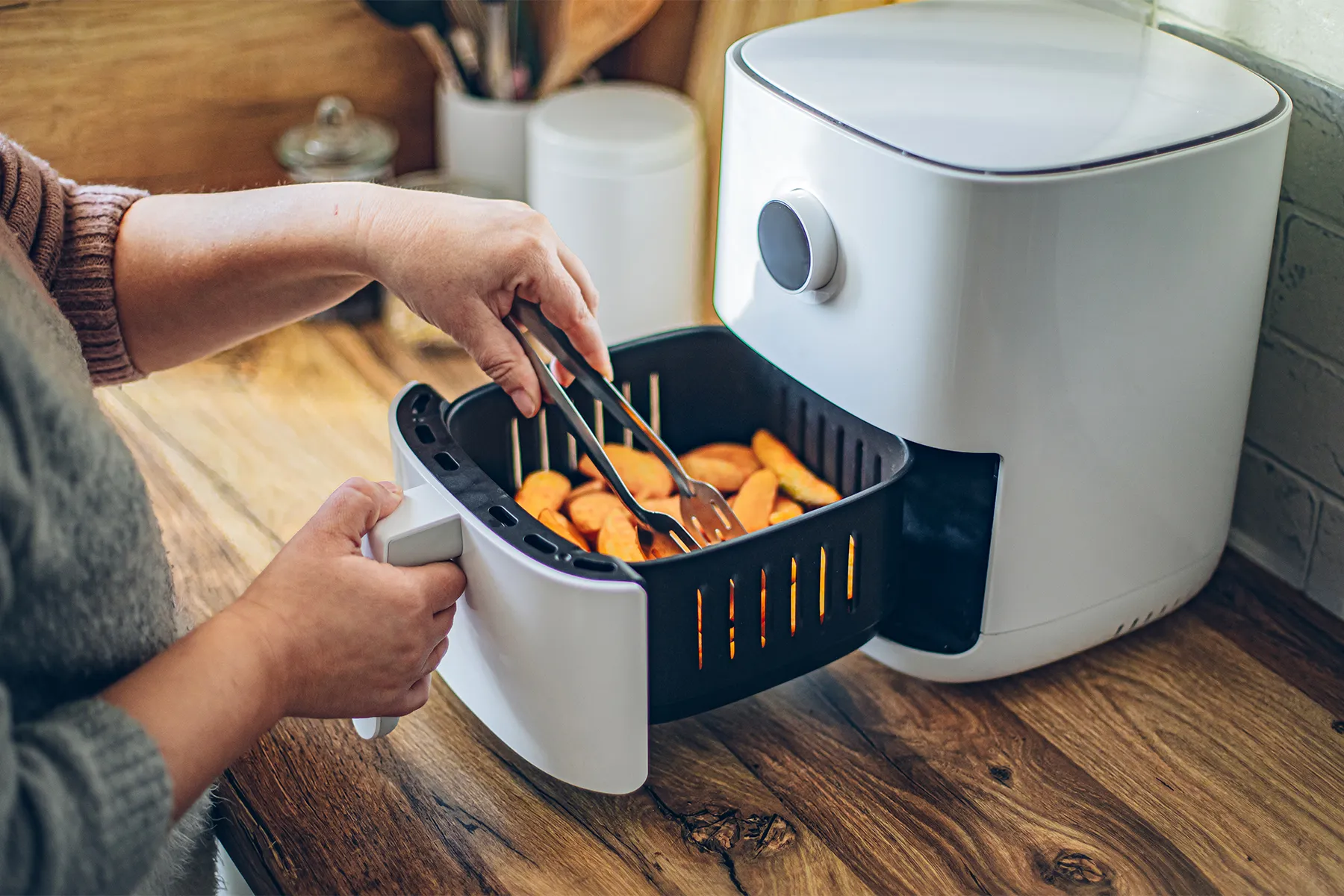
Air fryers have earned a permanent spot on millions of kitchen counters, usually wedged between the coffee maker and the appliance nobody remembers buying. They promise crunchy fries, crisp chicken, roasted vegetables, and reheated pizza with far less oil than traditional frying. That sounds healthybut does circulating hot air really deserve a nutritional halo?
The practical answer is yes, with an important asterisk. Air frying can be a healthier alternative to deep frying because it generally uses much less oil. However, the appliance does not magically transform frozen mozzarella sticks into broccoli. The nutritional value of an air-fried meal still depends on the ingredients, portion size, cooking temperature, and how often highly processed foods appear on the menu.
Are Air Fryers Healthy? The Quick Answer
Air fryers can support a healthy diet when they replace deep frying and are used to prepare vegetables, lean proteins, fish, beans, tofu, potatoes, and other minimally processed foods. Because food is not submerged in oil, air-fried meals may contain less added fat and fewer calories than their deep-fried equivalents.
Still, air frying is a high-temperature cooking method. It can produce compounds such as acrylamide in browned, carbohydrate-rich foods, especially when they are cooked too dark. There are also ordinary appliance concerns, including burns, overheating, damaged nonstick coatings, and undercooked meat.
In other words, the air fryer is a useful cooking toolnot a countertop cardiologist.
How Does an Air Fryer Work?
An air fryer is essentially a compact, high-powered convection oven. A heating element warms the air while a fan circulates it rapidly around food placed in a perforated basket or tray. This fast airflow removes surface moisture and promotes browning, producing a crisp exterior without immersing the food in hot oil.
Most air fryers operate between 350°F and 400°F, and many foods cook in approximately 5 to 25 minutes. A small amount of oil may improve flavor and browning, but many recipes need only a teaspoon, a light brush, or a quick spray.
Potential Health Benefits of Air Fryers
1. They Can Reduce the Amount of Added Oil
Traditional deep frying surrounds food with hot oil. As moisture escapes during cooking, some oil can enter the food, increasing its fat and calorie content. Air frying relies primarily on moving hot air, so substantially less oil is usually required.
This difference can matter for foods such as French fries, breaded chicken, fish fillets, and vegetables. Even when a tablespoon of oil is added to an entire batch, the amount per serving may be modest compared with deep-fried food.
Using less oil does not automatically guarantee weight loss, but it can help reduce overall calorie intake when the air-fried meal genuinely replaces a higher-fat version. The American Heart Association includes air frying among healthier alternatives to conventional frying and publishes air-fryer recipes designed with less saturated fat and sodium.
2. They May Lower Saturated Fat Intake
The type of oil used for deep frying influences the final nutritional profile, but restaurant and packaged fried foods can be high in saturated fat, sodium, and calories. Repeatedly heated oil may also undergo chemical changes that reduce its quality.
Preparing similar foods at home in an air fryer gives you greater control. You can use a small amount of olive, avocado, canola, or another unsaturated oil instead of relying on an unknown frying oil. You can also season food with herbs, garlic, paprika, lemon, pepper, or vinegar rather than treating the salt shaker like a maraca.
3. They Can Make Nutritious Foods More Appealing
One of the most practical air fryer benefits is not biochemical; it is behavioral. People are more likely to eat vegetables when those vegetables taste good.
Air frying can give broccoli crisp edges, turn chickpeas into a crunchy snack, caramelize Brussels sprouts, and make green beans more interesting than their steamed-and-sad alter ego. Cauliflower, zucchini, carrots, mushrooms, peppers, and sweet potatoes also respond well to the concentrated heat.
The same appliance can cook salmon, shrimp, tofu, tempeh, chicken breast, turkey meatballs, and homemade bean patties. When an air fryer makes these foods faster and more enjoyable to prepare, it may help people cook at home more frequently.
4. Fast Cooking May Help Preserve Some Nutrients
All cooking methods can change nutrient levels. Heat-sensitive vitamins may decline with prolonged cooking, while other nutrients become easier for the body to absorb after heating.
Because air fryers cook many foods quickly and require little or no water, they may retain certain nutrients better than long boiling methods. However, nutrient retention varies by food, temperature, preparation method, and cooking time. Steaming, microwaving, roasting, sautéing, and air frying can all fit into a healthy kitchen.
5. Portion Control Can Be Easier
Most basket-style air fryers have limited capacity. This can be mildly annoying when feeding six hungry relatives, but it can also discourage cooking a restaurant-sized mountain of fries.
The basket provides a visual boundary, making it easier to prepare a measured quantity. Of course, determined snackers can cook three consecutive batches, so the appliance is not an armed security guard for the pantry.
6. Air Fryers Make Healthy Cooking Convenient
Convenience has a major influence on food choices. A cooking method that takes 15 minutes may be used more often than one involving several pans, a large oven, and an emotional support spatula.
Air fryers preheat quickly, cook small portions efficiently, and are often easy to clean. These advantages can make them useful for busy households, older adults, college students, and anyone trying to rely less on takeout.
Possible Air Fryer Risks and Limitations
Air-Fried Food Is Not Automatically Nutritious
The biggest nutritional misunderstanding is assuming that every air-fried food is healthy. A highly processed product may still contain refined carbohydrates, sodium, saturated fat, added sugar, and numerous calories after it leaves the basket.
Air-fried frozen fries may be lower in fat than deep-fried restaurant fries, but they are not nutritionally equivalent to a baked potato served with beans and vegetables. Likewise, air-fried chicken nuggets remain chicken nuggets. The cooking method improves one part of the equation; it does not rewrite the ingredient list.
High-Temperature Cooking Can Produce Acrylamide
Acrylamide is a chemical that can form naturally when certain plant foodsparticularly potatoes and grain productsare cooked at high temperatures. Frying, roasting, baking, and air frying may all produce it. Formation generally increases as food cooks longer, becomes hotter, or turns darker brown.
High acrylamide exposure has caused cancer in laboratory animals. However, human epidemiological research has not found consistent evidence that typical dietary acrylamide exposure causes cancer. Health authorities still recommend reducing unnecessary exposure while continuing to eat a varied, balanced diet.
Research comparing air frying with other cooking methods has produced mixed results. Some experiments report substantially less acrylamide in air-fried potatoes than in deep-fried versions. Other studies have found similar or even somewhat higher levels, depending on the potato variety, soaking method, temperature, thickness, and cooking duration. That means “air fried” is not automatically synonymous with “acrylamide free.”
To limit formation, avoid cooking potatoes, toast, and breaded foods until they are very dark. Aim for golden yellow rather than mahogany brown. Soaking raw potato pieces in water before cooking may also reduce acrylamide formation; dry them thoroughly afterward so they crisp instead of steaming.
Oxidation Compounds May Form in Certain Foods
High heat can oxidize fats and cholesterol in foods. Limited research suggests that air frying fish may increase cholesterol oxidation products under some conditions. These compounds have been investigated for possible links to inflammation and chronic disease, but evidence about the effects of ordinary air-fried meals in humans remains incomplete.
A sensible response is not to ban air-fried salmon from civilization. Instead, avoid excessive temperatures and overcooking. Use fresh food, follow recommended cooking times, add antioxidant-rich seasonings such as herbs, garlic, ginger, lemon, or spices, and rotate among cooking methods.
Nonstick Coatings Require Proper Care
Many air fryer baskets use nonstick coatings, some of which may contain fluoropolymers associated with the broad PFAS chemical family. The FDA states that authorized nonstick cookware coatings are polymerized and tightly bonded, with studies indicating negligible migration of PFAS capable of moving into food when the coatings are properly manufactured and used as intended.
That does not mean the basket should be attacked with a metal fork. Replace components that are badly scratched, peeling, warped, or otherwise damaged. Use silicone, wood, or other manufacturer-approved utensils, and clean the basket with nonabrasive materials.
Consumers who prefer to avoid fluoropolymer coatings can look for models with stainless-steel interiors or clearly identified ceramic-style coatings. Product descriptions should still be examined carefully because marketing terms such as “PFOA-free” do not necessarily mean that every type of fluorinated material is absent.
Burn and Fire Hazards Are Possible
Air fryers produce intense heat in a compact space. The basket, tray, heating element, steam, and escaping grease can cause burns. Electrical defects or overheated components have also led to recalls of certain models.
Place the appliance on a stable, heat-resistant surface with adequate clearance around its vents. Do not operate it beneath low cabinets, near curtains, or beside paper towels. Keep the cord away from hot surfaces, clean grease from the basket and interior, and check current recall information for the model you own.
Lightweight parchment liners can rise into the heating element if the fan starts before food weighs them down. Use only liners approved for air fryers, place food on top of them, and never cover airflow openings completely.
Food Can Brown Before It Is Safely Cooked
An air fryer can create a beautifully browned exterior while the center of thick meat remains undercooked. Color and crispness are not reliable food-safety measurements.
Use a food thermometer. USDA guidance recommends cooking poultry to 165°F, ground beef and other ground meats to 160°F, and whole cuts of beef, pork, lamb, and veal to 145°F followed by at least a three-minute rest. Fish should generally reach 145°F.
Avoid crowding the basket because packed food may cook unevenly. Turn, shake, or rotate items when the recipe recommends it, and clean surfaces that contacted raw meat before preparing ready-to-eat foods.
Air Frying Compared With Other Cooking Methods
| Cooking Method | Typical Oil Use | Main Advantage | Main Limitation |
|---|---|---|---|
| Air frying | Low | Crisp texture with less added oil | High heat can still produce browning compounds |
| Deep frying | High | Very crisp, consistent results | Usually adds substantial fat and calories |
| Baking or roasting | Low to moderate | Good for large batches | Longer preheating and cooking times |
| Steaming | None | No added fat and gentle cooking | Does not produce a crisp exterior |
| Sautéing | Moderate | Fast and flavorful | Oil quantities can increase quickly |
| Grilling | Low | Strong flavor and browning | Charring and smoke can create unwanted compounds |
No single method needs to win every meal. A balanced kitchen may use an air fryer for crispy vegetables, a steamer for delicate greens, a microwave for oatmeal, a skillet for stir-fries, and an oven for family-sized meals.
How to Make Air Fryer Meals Healthier
- Start with whole or minimally processed foods. Try vegetables, potatoes, beans, tofu, fish, chicken, turkey, eggs, or homemade patties.
- Use oil deliberately. Measure a teaspoon or tablespoon instead of pouring directly from the bottle and hoping the olive oil understands moderation.
- Choose unsaturated fats. Olive, avocado, canola, and other liquid plant oils can be better everyday choices than butter or solid fats.
- Do not overbrown starchy foods. Cook potatoes and breaded foods until golden, not nearly black.
- Soak fresh-cut potatoes. A water soak followed by thorough drying may help reduce acrylamide and improve texture.
- Watch sodium. Frozen appetizers, processed meats, bottled sauces, and seasoning blends can contain large amounts of salt.
- Add fiber. Pair air-fried protein with vegetables, beans, whole grains, or a salad rather than making the entire meal beige.
- Avoid overcrowding. Proper airflow supports even cooking and reduces the temptation to keep food in the fryer until the outside becomes excessively dark.
- Use a thermometer. Cooking charts provide estimates; internal temperature confirms safety.
- Clean the appliance regularly. Remove grease, crumbs, and food residue after the unit cools completely.
Who May Benefit Most From an Air Fryer?
An air fryer may be particularly useful for people who frequently eat deep-fried food and want a lower-oil substitute. It can also help small households prepare quick meals without heating a full-size oven.
People managing calorie intake, cardiovascular risk factors, or digestive discomfort after greasy meals may appreciate lighter preparations. However, anyone following a medically prescribed diet should consider the entire recipenot merely the appliance. A low-sodium eating plan still requires low-sodium ingredients, and a diabetes-friendly meal still needs appropriate carbohydrate portions.
Families with young children, older adults, and anyone with reduced hand strength should choose a stable model with an easy-to-handle basket. The appliance should be positioned where hot contents do not need to be carried across the kitchen.
Frequently Asked Questions
Is air frying healthier than deep frying?
Usually, yes. Air frying generally requires much less oil, so the finished food can contain less added fat and fewer calories. The benefit is greatest when air frying replaces deep frying rather than simply increasing how often fried-style foods are eaten.
Can air fryers cause cancer?
There is no evidence that ordinary air fryer use directly causes cancer. High-temperature cooking can form acrylamide in certain starchy foods, but human studies have not consistently linked typical dietary exposure with cancer. Avoiding excessive browning is a reasonable precaution.
Are air-fried French fries healthy?
They can be a lighter alternative to deep-fried fries, particularly when made from fresh potatoes with a measured amount of unsaturated oil. Portion size, sodium, browning level, and the rest of the meal still matter.
Is it safe to use an air fryer every day?
Daily use can be reasonable when the appliance is in good condition and is used to cook a varied range of foods. Rotate ingredients and cooking methods rather than eating heavily browned or processed foods at every meal.
Does air frying destroy nutrients?
Some nutrients change during any type of cooking. Air frying may preserve certain nutrients because cooking times are relatively short, but results differ among foods. Eating a varied diet that includes raw and cooked produce is more important than identifying one supposedly perfect cooking technique.
The Bottom Line
Air fryers can be healthy, especially when they replace deep frying and make vegetables, lean proteins, legumes, and home-cooked meals more convenient. They typically use less oil, may reduce calories and saturated fat, and can produce satisfying texture without a bubbling vat of grease.
The benefits are not automatic. Frozen snacks remain processed foods, excessive browning can increase acrylamide, and careless appliance use can create burn, fire, coating, or food-safety problems. The healthiest approach is to use moderate temperatures, avoid charring, measure oil, limit sodium, check internal temperatures, and build meals around nutritious ingredients.
Think of the air fryer as a supporting actor in a healthy diet. It may steal a few scenesespecially when Brussels sprouts emerge crispybut the overall menu still deserves top billing.
A Realistic Air Fryer Experience: What Changes in an Everyday Kitchen?
The following composite experience reflects common home-cooking habits rather than a controlled scientific experiment. Imagine a household that buys an air fryer hoping to eat better during a busy month. During the first week, nearly everything entering the basket comes from the freezer: fries, breaded chicken strips, pizza rolls, and onion rings. The meals use less oil than takeout, and cleanup becomes easier, but the grocery cart still contains a parade of refined carbohydrates and sodium.
The first lesson arrives quickly: changing the appliance is easier than changing the ingredients. The food may be lower in added oil, but it is not suddenly rich in fiber, potassium, or vegetables. Hunger also returns sooner when dinner consists mainly of snack foods. The air fryer is performing exactly as advertised; the menu simply needs a promotion.
During the second week, the household begins experimenting with fresh foods. Broccoli florets are tossed with a measured teaspoon of olive oil, garlic, pepper, and lemon zest. Chicken breast is coated with whole-grain crumbs rather than a thick commercial breading. Sweet potato wedges are seasoned with smoked paprika, while chickpeas become a crunchy topping for salads.
The meals become more filling because they now contain protein, vegetables, and fiber. The air fryer also makes leftovers more appealing. Roasted vegetables regain crisp edges, and yesterday’s chicken no longer has the texture of a damp envelope. Less food is wasted because reheating takes only a few minutes.
Not every experiment succeeds. Wet batter drips through the basket. Lightweight spinach leaves fly upward like tiny green confetti. An overcrowded batch of vegetables steams instead of browning. A potato cut into uneven pieces produces three textures at once: crisp, soft, and suspiciously geological.
These mistakes teach practical lessons. Food needs space for air to circulate. Similar-sized pieces cook more evenly. A small amount of oil improves browning, but too much creates smoke and greasy residue. The basket should be shaken or the food turned halfway through cooking. Most importantly, visual browning does not confirm that thick chicken pieces are safe, so a food thermometer becomes part of the routine.
By the third week, the air fryer is no longer treated as a machine for duplicating fairground food. It becomes a fast roasting tool. Breakfast includes air-fried potatoes with peppers and eggs. Lunch may feature crispy tofu over brown rice and vegetables. Dinner might combine salmon, green beans, and a whole grain prepared separately.
The household also learns not to cook everything at maximum temperature. Lowering the heat slightly and extending the time can prevent the outside from becoming too dark before the center is ready. Fresh potato wedges are soaked, dried thoroughly, lightly oiled, and cooked only until golden. The result is crisp without looking as though it recently survived a small house fire.
Cleaning habits improve as well. Grease and crumbs are removed after each use, once the appliance is cool. The basket is washed with a soft sponge rather than abrasive tools, and metal utensils are kept away from the coating. The model number is checked against current recall notices, and the unit is given open space around its vents.
At the end of the month, the main health improvement does not come from hot air itself. It comes from cooking at home more often, measuring oil, eating more vegetables, controlling portions, and relying less on restaurant meals. The air fryer lowers the friction involved in those choices.
That is the most realistic way to view its health value. It is not a miracle device, and it cannot rescue an unbalanced diet through sheer fan speed. Used thoughtfully, however, it can make nutritious food faster, crispier, and easier to enjoywhich is a surprisingly useful achievement for an appliance best known for rehabilitating leftover pizza.