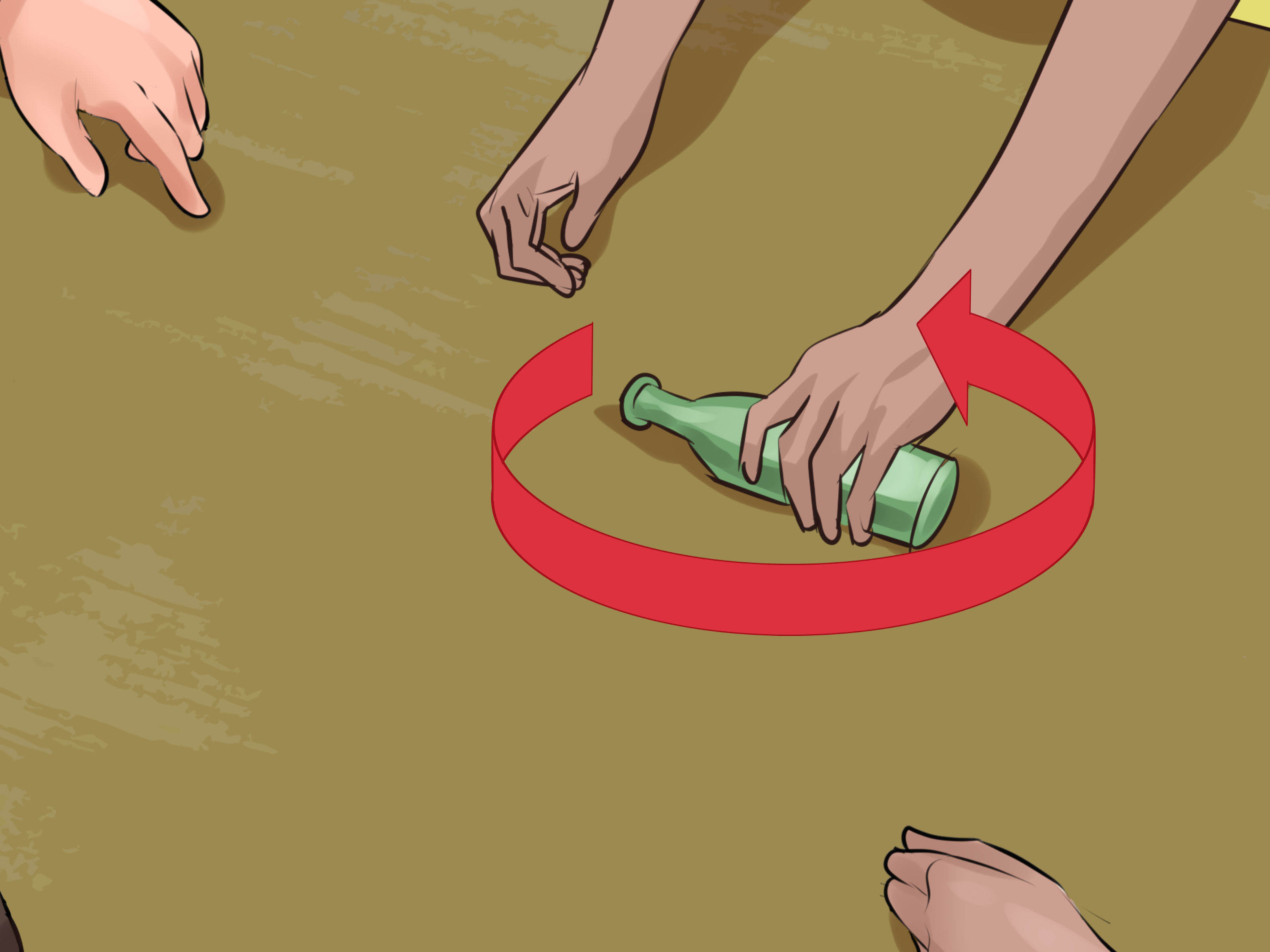
Some party games require cards, complicated instructions, or one friend who insists on explaining the rules for 20 minutes. 21 Dares needs nos, the ability to count to 21, and a collection of dares that are funny without becoming dangerous, humiliating, or legally memorable.
The basic game combines a counting challenge with the playful consequences of Truth or Dare. Players take turns saying one, two, or three consecutive numbers. The count continues upward until someone is forced to say “21.” That player completes a dare, and a new round begins.
Although the traditional version is wonderfully simple, you can adjust the game for a casual hangout, a competitive party, or a long-distance video call. This guide explains three entertaining ways to play 21 Dares, along with strategy tips, safe challenge ideas, examples, and lessons for keeping every round enjoyable.
Core gameplay synthesized from counting-game and party-game references.
What Is the 21 Dares Game?
21 Dares is a verbal counting game for two or more people. One player begins by saying “one,” “one, two,” or “one, two, three.” The next player continues from the following number and may also say up to three consecutive numbers.
For example, a round might sound like this:
- Player A says, “One, two.”
- Player B says, “Three, four, five.”
- Player C says, “Six.”
- Player D continues with “Seven, eight.”
The count continues until a player says 21. That person must perform a preapproved dare. Depending on the version, the player may remain in the game, lose a point, draw a challenge card, or be eliminated from that round.
What You Need
- At least two players
- A comfortable place to sit or stand
- A written or digital list of suitable dares
- An optional timer, score sheet, or bowl of challenge slips
No special equipment is necessary. That makes 21 Dares an easy choice for sleepovers, birthday parties, road-trip breaks, family gatherings, college hangouts, and online game nights.
Set the Ground Rules Before Playing
A dare game is only entertaining when everyone feels free to participate without being pressured. Before the first number is spoken, agree on a few boundaries.
- Everyone may pass. A player should be able to reject a dare without arguing, bargaining, or being mocked.
- No dangerous challenges. Avoid fire, choking, traffic, heights, medication, reckless eating, property damage, or physical stunts.
- No unwanted touching. A game never overrides a person’s physical boundaries.
- No private information. Do not demand passwords, private messages, search histories, intimate photos, or personal secrets.
- No involving strangers. Do not prank employees, harass neighbors, contact ex-partners, or make random people part of the game.
- No recording without permission. A silly performance does not automatically belong on social media.
A useful rule is that any rejected dare must be replaced immediately with a different challenge of equal or lower difficulty. The point is to produce laughter, not a courtroom exhibit labeled “Group Chat Evidence A.”
Safety guidance reflects recommendations concerning consent, privacy, boundaries, social pressure, and risky online challenges. ion>
Way 1: Play the Classic Circle Version
The classic version is the fastest and easiest way to learn how to play 21 Dares. It works particularly well with three to eight players, although a two-person match becomes an interesting strategy battle.
Step 1: Sit in a Circle
Choose a direction of play. The youngest player, the host, or the person who suggested the game can begin. For a completely impartial decision, use rock-paper-scissors or select someone randomly.
Step 2: Count Toward 21
The first player says one, two, or three consecutive numbers beginning with one. Each player continues from the last number spoken.
A player cannot skip a number, repeat a number, speak out of turn, or say more than three numbers. Anyone who makes a counting error may receive a small penalty, such as losing a point or completing an easy bonus dare.
Step 3: Give the Dare to Whoever Says 21
The person who lands on 21 draws a folded challenge from a bowl or receives a dare selected by the group. After the dare is completed or replaced, begin again at one. Let the previous round’s loser start the next round so the opening advantage rotates.
Example of a Classic Round
Imagine four players: Ava, Ben, Carlos, and Dana.
- Ava: “One, two, three.”
- Ben: “Four, five.”
- Carlos: “Six.”
- Dana: “Seven, eight, nine.”
- Ava: “Ten, eleven.”
The pattern continues until someone reaches 21. Players soon begin calculating how many numbers to say so another person gets trapped near the end. Suddenly, counting becomes competitive enough to make everyone suspicious of the number 18.
The Two-Player Strategy
When two people play under the standard one-to-three-number rule, the player who finishes a turn on 4, 8, 12, 16, and 20 can control the round. Whatever number of counts the opponent says, the strategic player responds with enough numbers to make the two turns total four.
For instance, after you end on 16, an opponent who says only 17 can be answered with “18, 19, 20.” An opponent who says “17, 18, 19” can be answered with “20.” The opponent must then say 21.
This method is less reliable in a large group because several players act before the turn returns to you. In group play, observation and timing matter more than a fixed mathematical pattern.
Best Dares for the Classic Version
- Speak like a movie villain until your next turn.
- Perform a 15-second imaginary guitar solo.
- Balance a spoon on your nose for ten seconds.
- Describe your day as if it were a dramatic movie trailer.
- Do your best impression of another willing player.
- Invent a commercial for the nearest harmless object.
The two-player target-number strategy follows the underlying counting-game position analysis. ion>
Way 2: Play the Rule-Stacking Challenge Version
This version turns a simple counting game into organized chaos. Instead of completing only one dare, the person who says 21 performs a challenge and introduces a new rule for the following round.
Prepare Three Types of Cards
Create separate piles labeled Dare, Rule, and Rescue.
- Dare cards contain short challenges.
- Rule cards change how future rounds are played.
- Rescue cards allow a player to replace, simplify, or pass on a challenge.
Add One Rule After Every Round
After someone says 21, that player completes a dare and draws a rule card. The new instruction remains active during the next round.
Possible rules include:
- Replace the number seven with a clap.
- Say every even number in a whisper.
- Reverse the direction whenever someone says ten.
- Use an exaggerated announcer voice for numbers above 15.
- Replace 13 with the word “pickle.”
- Stand up whenever your turn includes a multiple of five.
Keep adding rules until the game becomes difficult but still playable. Three or four active rules are usually enough. Beyond that, the game may resemble a malfunctioning robot convention.
Turn It Into a Team Competition
Divide the group into two teams and alternate players from each side. Whenever a team member says 21 or breaks an active rule, the opposing team earns a point.
Play until one team reaches five points. Teams may quietly discuss strategy between rounds, but no one may coach a player while numbers are being spoken. This format works well for larger gatherings because every mistake affects the team score.
Use Difficulty Levels
Label dares as easy, medium, or bold. The player who says 21 may choose an easy dare for one penalty point, a medium dare for no penalty, or a bold but safe dare to remove one existing penalty point.
This choice gives players control over how adventurous they want to be. “Bold” should mean more theatrical or creative, not more dangerous or invasive.
Rule-changing counting games and challenge-card adaptations are established party-game variations. ion>
Way 3: Play 21 Dares by Text or Video Call
Friends do not need to be in the same room to play 21 Dares. A remote version works through a group chat, voice call, or video platform and is ideal for long-distance friends.
Playing in a Group Chat
- Create a list showing the exact turn order.
- Allow each player to type one, two, or three consecutive numbers in a single message.
- Ignore messages sent out of turn.
- The player who types 21 selects a challenge from a shared list.
- Begin a new round after the challenge is completed.
Putting all numbers in one message prevents two people from posting simultaneously and claiming the same count. A host can settle disputes by following the message timestamps.
Playing on a Video Call
Use the same rules as the in-person game, but ask the current player to name the next participant after finishing a turn. This avoids confusion caused by call delays.
Remote dares should be easy to verify without revealing private surroundings or personal data. Good examples include:
- Draw a cat with your non-dominant hand.
- Wear a harmless household item as a hat for one round.
- Create a six-word horror story.
- Perform a weather forecast for an imaginary planet.
- Sing the chorus of a public-domain song in an opera voice.
- Show the group your funniest clean dance move.
Protect Everyone’s Privacy
Do not require screenshots of private conversations, access to someone’s account, location sharing, embarrassing public posts, or messages to unwilling third parties. Never secretly record a video-call dare. A player’s participation in the game is not permission to distribute the footage elsewhere.
Online adaptations draw on established texting, video-call, and digital Truth or Dare formats, with privacy safeguards. ion>
How to Write Dares People Will Actually Enjoy
The best 21 Dares challenges are brief, specific, harmless, and entertaining for both the performer and the audience. A good dare creates temporary silliness without creating permanent consequences.
Use the SAFE Test
- Simple: Can the challenge be understood immediately?
- Appropriate: Does it suit the ages and relationships of the players?
- Friendly: Is the joke based on playful behavior rather than humiliation?
- Easy to stop: Can the participant end the challenge at any moment?
Clean Dare Ideas for Friends and Families
- Talk without closing your mouth fully until your next turn.
- Pretend you are accepting an award for “Best Snack Selection.”
- Make three animal sounds and let the group guess them.
- Walk across the room like a confused fashion model.
- Tell a joke so bad that it becomes impressive.
- Create a superhero name for the player on your left.
- Explain how to make toast as if teaching an advanced science class.
- Freeze like a statue whenever someone says your name.
- Give a motivational speech to a houseplant.
- Attempt to juggle three soft objects for ten seconds.
Dares to Avoid
Skip challenges involving unsafe food combinations, excessive exercise, alcohol pressure, illegal behavior, public disruption, sexual activity, cruelty, unwanted physical contact, self-harm, driving, medication, or posting content that cannot easily be deleted.
Common Mistakes That Can Ruin the Game
Making Every Dare Embarrassing
A little awkwardness can be funny, but constant humiliation quickly exhausts a group. Mix performance dares with creative, verbal, artistic, and puzzle-based challenges.
Changing the Rules Mid-Turn
Explain every active rule before counting begins. Players should lose because they made a mistake, not because the host invented a surprise regulation halfway through number 14.
Allowing Endless Debate
Choose one host to make quick decisions. If two people speak at once, restart from the last undisputed number or replay the round.
Forcing a Player to Continue
Anyone may leave the game or skip a challenge. Respecting a pass keeps the atmosphere relaxed and makes people more willing to join future rounds.
Playing Too Long
End while everyone is still laughing. Ten energetic rounds are usually better than 40 rounds followed by a silent investigation into who suggested playing in the first place.
Frequently Asked Questions About 21 Dares
How many people can play 21 Dares?
Two people are enough, but three to eight players generally create a lively balance of strategy and unpredictability. For a very large gathering, divide participants into teams.
Can children play?
Yes, provided that an adult or responsible host reviews the dares in advance. Use harmless challenges such as animal impressions, tongue twisters, short dances, and drawing tasks.
Does the person who says 21 always lose?
That is the most common dare-based rule, but groups may create alternatives. The player might lose a point, draw a card, leave the current round, or introduce a new rule.
Can players say only one number per turn?
Yes. Limiting each turn to one number makes the game easier to understand but removes much of its strategy. Allowing one to three numbers gives players meaningful choices.
Can 21 Dares be played without alcohol?
Absolutely. Alcohol is not required and should never be treated as a mandatory penalty. The game works perfectly with creative challenges, points, snacks, stickers, or nothing more than temporary bragging rights.
Experience-Based Lessons for a Better 21 Dares Game
A realistic 21 Dares session usually begins with more hesitation than excitement. The first player cautiously says “one,” the next person rushes through “two, three, four,” and someone immediately asks whether four numbers were allowed. That opening confusion teaches the first practical lesson: demonstrate one sample round before keeping score. Thirty seconds of practice prevents several minutes of courtroom-style debate.
The classic version tends to work best as an icebreaker. Players do not need to reveal personal information, and quieter guests can participate simply by counting. Once the first person loses and performs a harmless challengeperhaps narrating a sandwich recipe like an action-movie trailerthe group usually relaxes. The laughter comes from commitment to the performance, not from making the challenge cruel.
After several rounds, someone often discovers the two-player pattern of targeting 4, 8, 12, 16, and 20. This can briefly turn an innocent party game into a mathematics tournament. In a group, however, the strategy becomes less predictable because several turns pass before the count returns to the same player. That unpredictability is useful. Skilled players still have an advantage, but no one can completely control the table.
The rule-stacking version creates the most memorable mistakes. Replacing seven with a clap seems easy until the group also has to whisper even numbers and reverse direction at ten. People begin concentrating so intensely that saying “thirteen” correctly feels like landing an airplane. The strongest rule additions are easy to explain but difficult to remember under pressure. Complicated instructions merely stop the rhythm.
A mixed group also benefits from a prepared dare bowl. When players invent challenges on the spot, the difficulty can become inconsistent. One person may be asked to sing for ten seconds, while another is told to contact someone outside the game. Prewritten dares keep the experience fair and eliminate the social pressure of rejecting an overly personal suggestion.
Remote games introduce a different challenge: timing. In a group chat, two players may send numbers almost simultaneously. Requiring each person to place all chosen numbers in one message solves most disputes. On video calls, naming the next player before ending a turn helps compensate for audio delays. These small adjustments matter more than elaborate technology.
Another common lesson is that “bold” does not have to mean risky. Some of the funniest dares involve creativity rather than danger: delivering a serious speech to a lamp, inventing a jingle about socks, or explaining a household object to imaginary aliens. These challenges produce entertaining moments without pressuring anyone to disclose secrets, touch another player, or create public content.
Finally, the best hosts recognize when to stop. A short game that ends with people asking for one more round is more successful than a marathon that continues after everyone has mentally relocated elsewhere. Finish with a final championship round, award a ridiculous title such as “Supreme Counter of the Evening,” and let 21 return to being an ordinary number.
Conclusion
Learning how to play 21 Dares takes only a minute, but the game offers enough flexibility for many different occasions. Use the classic counting version for a quick icebreaker, the rule-stacking format for a lively competition, or the remote version when friends are connecting through text or video.
Whichever method you choose, establish boundaries before playing, allow every participant to pass, and select dares that are funny rather than harmful. With clear rules and creative challenges, a simple count to 21 can become the highlight of a game night.